July 22, 2026
Global maritime security frameworks face unprecedented challenges when regional conflicts disrupt critical shipping corridors. The intersection of international law, humanitarian obligations, and geopolitical tensions creates complex operational scenarios requiring coordinated multilateral responses. Understanding these dynamics becomes essential as maritime chokepoints increasingly become focal points of international disputes, particularly when considering the development of an IMO evacuation plan for Hormuz ships.
Understanding International Maritime Crisis Response Frameworks
The International Maritime Organization operates within a sophisticated legal architecture designed to address maritime emergencies through established conventions and protocols. The SOLAS Convention, most recently updated through 2020 amendments, serves as the primary international maritime safety treaty governing evacuation procedures and emergency response protocols. This framework establishes mandatory evacuation procedures triggered by threats to vessel safety, though humanitarian corridor establishment requires multi-state coordination rather than unilateral IMO authority.
Maritime Labour Convention (MLC, 2006) sets comprehensive standards for crew welfare during extended maritime operations. The convention establishes critical thresholds including:
• Maximum continuous service periods of 11 consecutive months at sea
• Mandatory rest periods of 10 hours per day during normal operations
• Repatriation requirements within 5 months of notice, or 72 hours during emergencies
• Medical care accessibility standards for vessels operating in international waters
The regulatory authority structure demonstrates the complexity of international maritime governance. The IMO operates under UN framework agreements with 175 member states as of 2024, coordinating with member states rather than imposing unilateral maritime corridors. This requires voluntary compliance from coastal and flag states, creating inherent limitations in emergency response capabilities.
Historical precedents reveal the evolution of crisis response mechanisms. The distinction between flag state obligations under MLC versus coastal state emergency response authority often creates jurisdictional challenges during extended vessel detention scenarios. SOLAS Chapter V addresses navigation safety and traffic separation schemes, while Chapter III covers life-saving appliances and procedures, providing the technical foundation for evacuation protocols.
Moreover, the effectiveness of these frameworks becomes particularly evident when examining recent oil price stagnation scenarios that highlight the need for comprehensive emergency response planning.
The effectiveness of international maritime crisis response depends fundamentally on the willingness of sovereign states to coordinate beyond their immediate territorial interests.
MLC Article 2.5 specifically addresses repatriation and crew welfare standards, requiring flag states to ensure adequate provisions, medical care, and timely repatriation of seafarers in distress. These provisions become critical during extended crisis scenarios where normal commercial operations cannot resume.
When big ASX news breaks, our subscribers know first
How Do Traffic Separation Schemes Enable Safe Passage in Contested Waters?
The Iran-Oman Maritime Corridor: Technical Infrastructure
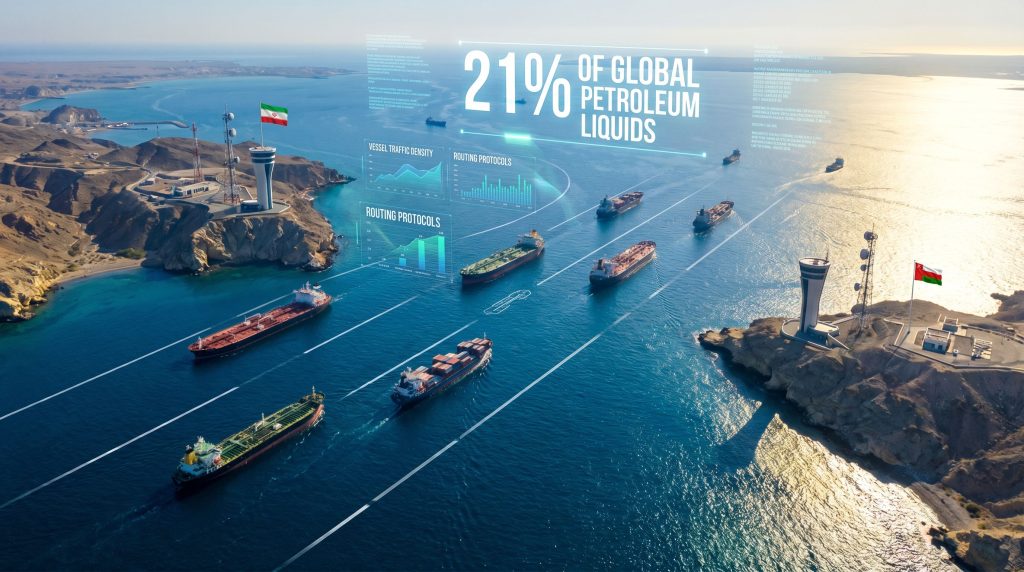
Traffic Separation Schemes represent one of international maritime law's most successful coordination mechanisms for managing vessel flow in high-density corridors. The Strait of Hormuz presents unique challenges with its 55-kilometer width at the narrowest point, though the navigable shipping corridor remains substantially narrower due to geographical constraints and territorial considerations.
The 1968 Traffic Separation Scheme for the Persian Gulf corridor demonstrates the longevity of international maritime agreements. This scheme, originally proposed by Iran and Oman and adopted by the IMO, established standardised routing approved by coastal states, providing legal framework for passage during normal operations. The system manages approximately 21,000 transits annually through the Strait of Hormuz, representing roughly 1,000 tanker transits monthly.
Technical specifications for modern TSS operations include several critical components:
• Inbound and outbound lanes with designated separation zones
• Precautionary areas for vessel manoeuvring and emergency responses
• Automatic Identification System (AIS) integration for real-time vessel tracking
• Vessel Traffic Service (VTS) centres maintained by coastal states for monitoring and communication
The Singapore Strait serves as a comparative model, managing 94,000 vessel transits annually through formalised TSS corridors. This demonstrates the capacity for high-volume maritime traffic management when appropriate infrastructure and coordination mechanisms exist.
Operational Challenges in High-Density Maritime Zones
Extended vessel detention creates compounding logistical challenges that affect navigation safety and crew welfare. Maritime Labour Convention standards establish maximum work hours of 14 hours in a 24-hour period or 72 hours in a 7-day period for seafarers in operational roles, standards that become difficult to maintain during extended crisis scenarios.
| Challenge Category | Standard Operating Threshold | Crisis Impact |
|---|---|---|
| Crew Fatigue Management | 14 hours max/24-hour period | Extended detention degrades navigation accuracy |
| Medical Emergency Response | 4-6 hour evacuation capability | Limited access during territorial disputes |
| Supply Chain Logistics | 200-300 metric tons fuel/day (large tankers) | Extended detention creates supply dependencies |
| Communication Systems | Satellite coverage requirements | Political interference may limit crew access |
Historical precedents provide insight into the humanitarian impact of extended maritime detention. The 1967 Suez Canal crisis trapped 15 vessels for eight years, resulting in documented crew psychological impacts and vessel deterioration. Similarly, during the Iran-Iraq Tanker War of the 1980s, extended vessel detention and threats resulted in documented crew stress disorders and insurance complications.
Weather window constraints add another layer of complexity. The Strait of Hormuz experiences seasonal wind variations affecting vessel transit safety, with typical transit times of 2-3 days under normal conditions. During crisis scenarios, these natural factors compound operational challenges for vessel coordination and evacuation timing.
What Triggers IMO Council Emergency Sessions for Maritime Security?
Regulatory Thresholds for International Intervention
The IMO's emergency response architecture lacks formally-defined extraordinary circumstances thresholds, instead relying on member state consensus and political judgement. The IMO Council comprises 40 member states elected for 2-year terms, organised into three categories: 10 largest ship-owning nations, 10 largest ship-trading nations, and 20 states with general maritime transport interests.
Emergency session procedures require 25% of member states to request activation, but no specific regulatory threshold automatically triggers intervention protocols. This discretionary model reflects the political nature of maritime crisis response, where activation depends on member state consensus that maritime safety requires coordinated international response, particularly when developing an IMO evacuation plan for Hormuz ships.
The distinction between IMO Assembly and Council authority creates important operational limitations:
• IMO Assembly: Sets policies and elects Council members (meets biennially)
• IMO Council: Implements Assembly decisions and coordinates operations
• Maritime Safety Committee (MSC): Primary technical body addressing navigation safety
• Emergency procedures: Both bodies can convene special sessions with 25% member request
Historical examples demonstrate this discretionary approach. The 2016 IMO response to Gulf of Aden piracy involved routing recommendations and shipping advisories, but did not invoke formal emergency protocols. Instead, coordination occurred through the Maritime Safety Committee. Similarly, during the 2003 Suez Canal concerns related to the Iraq War, the IMO issued advisories but coordinated through bilateral negotiations rather than emergency sessions.
Stakeholder Coordination Matrix in Crisis Response
Effective maritime crisis response requires parallel coordination between three distinct stakeholder categories, each with different legal authorities and operational capabilities. The Persian Gulf region involves eight littoral states: Iran, Iraq, Kuwait, Saudi Arabia, Bahrain, Qatar, UAE, and Oman, each exercising sovereignty over their territorial waters extending 12 nautical miles from shore.
Flag state obligations under SOLAS Convention create specific responsibilities that become critical during crisis scenarios:
• Vessel compliance with all applicable international conventions
• Vessel condition maintenance for safe passage
• Crew welfare assurance and adequate manning
• Effective jurisdiction and control over flagged vessels
Coastal state authority under the UN Convention on Law of the Sea provides different but complementary powers, including the ability to set navigation rules, regulate hazardous cargo, and conduct port state control inspections within territorial waters.
Insurance and liability frameworks add another dimension to crisis coordination. The International Convention on Civil Liability for Oil Pollution Damage (CLC 1969) and the International Convention on the Establishment of an International Fund for Compensation for Oil Pollution Damage (Fund Convention 1971) establish baseline liability structures, while war risk insurance clauses activate during conflict conditions. Furthermore, understanding commodities market volatility becomes crucial when assessing insurance implications during such crises.
The Strait of Malacca piracy response during the 2000s provides a successful model of multi-stakeholder coordination. Malaysia, Singapore, and Indonesia coordinated as coastal states with IMO guidance and international naval patrols, demonstrating effective collaboration when political will exists.
How Are Vessel Evacuation Priorities Determined Under International Maritime Law?
Crew Welfare Assessment Protocols
International maritime law establishes crew welfare as the primary prioritisation criterion during extended vessel detention scenarios. The Maritime Labour Convention sets maximum continuous service at 11 consecutive months at sea, with specific repatriation entitlements requiring flag states to repatriate seafarers within 5 months of notice, or within 72 hours during emergency situations when practical.
Medical emergency protocols under SOLAS Convention Chapter III require medical evacuation capability within 4-6 hours for acute emergencies in developed maritime regions. These standards become challenging to maintain when territorial disputes limit access to stranded vessels or when large numbers of vessels require simultaneous attention.
Maritime Labour Convention crew welfare components create specific obligations for flag states during extended detention:
• Medical care accessibility: Vessels must maintain medical supplies and telemedicine access
• Food and water standards: Adequate provisions meeting nutritional requirements
• Rest and fatigue management: Maximum work hours with mandatory rest periods
• Communication rights: Access to telephone and email capability
• Repatriation procedures: Flag state responsibility with defined timelines
Psychological impact assessments reveal that extended confinement periods exceeding 4 weeks trigger documented stress-related conditions. Isolation from family communication compounds psychological burden, while cumulative fatigue affects navigation decision-making capabilities. Additionally, this evacuation planning requires careful consideration of these psychological factors.
Vessel Classification and Departure Sequencing
Evacuation prioritisation involves multiple factors beyond crew welfare considerations. Cargo type classifications create additional urgency factors, particularly for vessels carrying hazardous materials or perishable goods. Vessel size and manoeuvrability factors become critical in narrow waterways where larger vessels may require specific weather windows or specialised navigation assistance.
| Priority Factor | Assessment Criteria | Evacuation Weight |
|---|---|---|
| Crew Welfare | Days stranded, medical conditions, fatigue levels | Primary consideration |
| Cargo Hazard Level | Dangerous goods classification, environmental risk | Secondary priority |
| Vessel Condition | Mechanical status, navigation capability | Operational requirement |
| Port Capacity | Destination facilities, reception capability | Logistical constraint |
Port of destination capacity creates practical limitations for mass evacuation scenarios. Reception facilities must accommodate vessel size, cargo type, and crew numbers simultaneously, often requiring coordination between multiple ports to manage evacuation flow effectively.
Duration-based priority systems consider not only the length of detention but also the accumulating impact on crew health and vessel condition. Vessels stranded for extended periods may require specialised support for engine maintenance, navigation system updates, and crew rotation before safe transit can occur.
What Are the Economic Implications of Strait Closure for Global Energy Markets?
Supply Chain Disruption Analysis
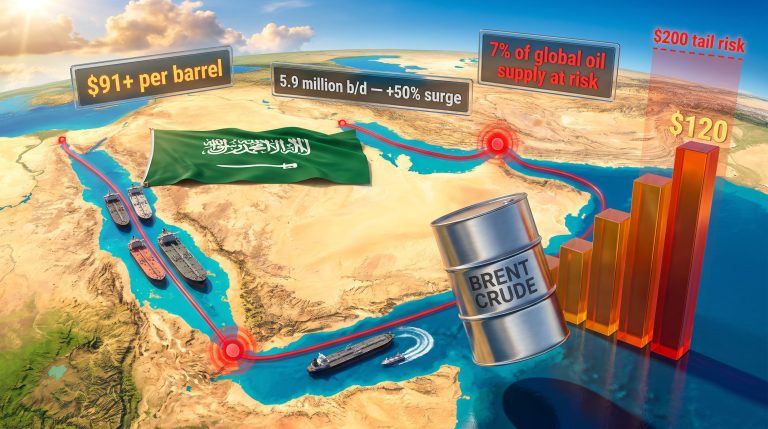
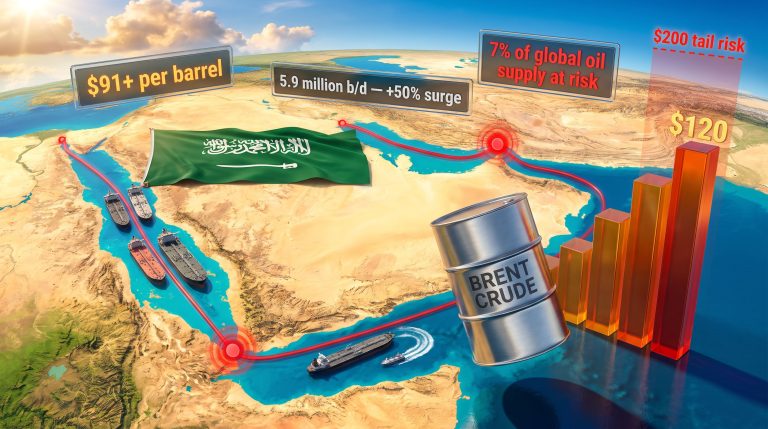
The Strait of Hormuz represents one of the world's most critical energy chokepoints, with approximately 21% of global petroleum liquids transiting through the corridor annually. This concentration creates systemic vulnerabilities when regional conflicts disrupt normal shipping operations, triggering cascading effects throughout global energy markets.
Alternative routing via the Cape of Good Hope adds approximately 3,500 nautical miles to typical Middle East-to-Europe journeys, increasing transit times by 2-3 weeks and substantially raising transportation costs. Strategic petroleum reserve activation protocols vary by country, with the United States maintaining approximately 650 million barrels in strategic reserves designed to buffer supply disruptions.
Regional refinery capacity adjustments become necessary when crude oil supply patterns change. Persian Gulf producers collectively export approximately 17 million barrels per day, with significant portions destined for Asian markets that have limited alternative supply sources. Consequently, these disruptions compound the tariffs and inflation impacts already affecting global trade patterns.
Market Response Mechanisms During Maritime Crises
Oil price volatility during strait disruptions follows predictable patterns based on historical precedents. The 1987 reflagging operation during the Iran-Iraq Tanker War saw oil prices increase 25-30% during peak tension periods, while more recent disruptions have shown similar but often more pronounced responses due to increased market sensitivity.
Tanker charter rates experience immediate and dramatic increases during crisis scenarios:
• VLCC (Very Large Crude Carrier) rates can increase 200-300% during acute disruptions
• Suezmax tanker rates typically see 150-250% increases
• Product tanker rates often double or triple depending on duration
• LNG carrier rates may increase 400-500% due to limited fleet flexibility
Insurance premium adjustments reflect risk assessment changes, with war risk insurance premiums increasing from typical levels of 0.025% of vessel value to 0.5-1.0% during active conflict periods. Lloyd's of London and other major maritime insurance markets maintain specific protocols for high-risk transit zone classifications. Moreover, the OPEC production impact significantly influences these market dynamics.
Long-term contract force majeure provisions activate when sustained disruptions prevent normal delivery schedules. These contractual mechanisms provide legal protection for suppliers but create supply security concerns for importing nations dependent on Persian Gulf energy exports.
How Do Regional Powers Manage Maritime Security During Escalated Tensions?
Coastal State Enforcement Mechanisms
Regional powers exercise maritime authority through sophisticated enforcement mechanisms that balance sovereignty assertions with international transit rights. Iran's territorial water claims extend 12 nautical miles from its coastline, providing legal authority for vessel routing requirements and inspection protocols within this zone.
Vessel routing systems implemented by coastal states during crisis periods often include:
• Mandatory notification requirements for vessels entering territorial waters
• Specific navigation corridors with designated entry and exit points
• Inspection and documentation procedures for commercial vessels
• Communication protocols with coastal authorities
• Payment systems for navigation services or security provisions
Naval patrol coordination requires careful balance between deterrence and de-escalation objectives. Excessive naval presence can increase tensions, while insufficient presence may encourage aggressive actions by regional actors. Modern naval operations typically maintain 24-hour surveillance capability through combination of surface vessels, maritime patrol aircraft, and satellite monitoring systems.
Port state control measures provide additional leverage for coastal states managing vessel movements. These measures can include inspection requirements, documentation verification, and detention authority for vessels failing to comply with established protocols.
International Diplomatic Frameworks for Maritime De-escalation
The IMO's mediation role in multi-state maritime disputes operates through established diplomatic channels rather than enforcement authority. Confidence-building measures typically involve voluntary agreements for safe passage, neutral flag state facilitation of humanitarian operations, and regional maritime security cooperation mechanisms.
Historical successful de-escalation examples include the 1988 cease-fire agreement ending the Iran-Iraq Tanker War, which involved UN mediation and acceptance of freedom of navigation principles by both parties. More recent examples include Red Sea shipping corridor agreements negotiated during 2023-2024 disruptions.
Neutral flag state facilitation creates opportunities for diplomatic breakthrough when direct negotiations between conflicting parties prove difficult. Countries with established maritime traditions and neutral status often serve as intermediaries, providing vessels or coordination services that enable humanitarian operations without political complications. Additionally, the US oil production decline adds urgency to securing alternative supply routes through diplomatic channels.
The next major ASX story will hit our subscribers first
What Lessons Can Be Applied from Previous Maritime Evacuation Operations?
Historical Case Studies in Large-Scale Maritime Evacuations
The Dunkirk evacuation of 1940 established fundamental principles for large-scale maritime rescue operations that remain relevant for modern crisis response. Operation Dynamo evacuated 338,226 personnel in nine days using a combination of military vessels and civilian craft, demonstrating the importance of flexible vessel utilisation and coordinated command structures.
Key operational principles from Dunkirk that apply to modern maritime evacuations include:
• Decentralised execution with centralised coordination allowing individual vessel commanders flexibility within overall mission parameters
• Mixed vessel utilisation combining large and small craft for different operational requirements
• Continuous operations maintaining 24-hour evacuation cycles despite equipment limitations
• Weather window exploitation maximising operations during favourable conditions
The Suez Canal crises provide different lessons for extended maritime detention scenarios. The 1967 Six-Day War trapped vessels for extended periods, requiring innovative solutions for crew welfare, vessel maintenance, and cargo preservation. These experiences highlighted the importance of pre-positioned supply networks and established communication protocols.
Red Sea shipping disruptions during 2023-2024 demonstrated modern coordination capabilities while revealing persistent challenges in multi-national maritime security operations. International naval cooperation succeeded in maintaining corridor security, but coordination complexity increased with each additional participating nation. In fact, the IMO has developed comprehensive protocols for managing such multi-national responses.
Best Practices for Future Crisis Preparedness
Modern crisis preparedness requires integration of technological capabilities with established maritime protocols. Pre-positioned emergency supply networks should include fuel, food, medical supplies, and communication equipment strategically located to serve major shipping corridors.
Rapid response coordination protocols must address several critical elements:
• Command structure clarity defining authority relationships between IMO, coastal states, and flag states
• Communication standards ensuring interoperability between different national systems
• Resource allocation mechanisms for sharing evacuation costs and responsibilities
• Legal framework standardisation reducing jurisdictional conflicts during crisis response
Technology solutions offer significant improvements over historical evacuation capabilities. Real-time vessel tracking through enhanced AIS systems enables more precise coordination, while satellite communication coverage ensures crew welfare monitoring throughout crisis periods.
International legal framework standardisation remains the most critical long-term requirement for effective crisis response. Current frameworks provide general principles but lack specific operational protocols for managing large-scale maritime evacuations in contested waters. Hence, establishing a comprehensive IMO evacuation plan for Hormuz ships becomes essential for future preparedness.
The most successful maritime crisis responses combine flexible operational execution with robust diplomatic frameworks that address both immediate humanitarian needs and longer-term security concerns.
Frequently Asked Questions About IMO Maritime Emergency Protocols
What authority does the IMO have to establish humanitarian corridors?
The IMO operates under UN framework agreements and coordinates with member states rather than imposing unilateral maritime corridors. The organisation facilitates voluntary compliance from coastal and flag states through diplomatic channels and established maritime conventions. The IMO cannot mandate corridor establishment but can provide technical guidance, coordinate international support, and facilitate negotiations between relevant parties.
How long can crews legally remain stranded under international maritime law?
Maritime Labour Convention standards do not establish specific time limits for crew detention, but create escalating obligations for flag states over extended periods. The convention requires flag states to ensure crew welfare including repatriation, medical care, and adequate provisions. Normal repatriation requirements call for action within 5 months of notice, but emergency situations demand response within 72 hours when practical circumstances permit.
What happens to cargo and commercial contracts during extended vessel detention?
Force majeure clauses typically activate during conflict-related delays, providing legal protection for suppliers unable to meet delivery schedules. Insurance coverage and liability distribution depend on specific policy terms and international maritime law provisions. War risk insurance policies may cover additional costs, while cargo insurance addresses goods deterioration. Long-term contract modifications often require renegotiation of delivery terms and pricing structures.
How are neutral shipping companies protected during regional conflicts?
International maritime law provides protections for neutral commerce through established conventions and diplomatic agreements. Practical enforcement requires coordination between naval forces and adherence to established shipping lanes and identification protocols. Neutral flag vessels typically receive protection through international agreements, but must comply with routing requirements and identification procedures established by coastal states and international coalitions. Furthermore, developing an effective IMO evacuation plan for Hormuz ships ensures these protections remain viable during crisis situations.
This analysis is based on established maritime law, historical precedents, and publicly available information about international shipping operations. Maritime emergency situations involve complex legal and operational factors that may vary based on specific circumstances and evolving international agreements.
Looking to Navigate the Next Maritime Crisis Investment Opportunity?
Maritime chokepoint disruptions create significant market volatility that can present actionable investment opportunities for informed traders. Discovery Alert's proprietary Discovery IQ model delivers real-time alerts on ASX mineral discoveries and resource sector developments, helping investors identify opportunities that emerge during global supply chain disruptions like Strait of Hormuz tensions. Start your 14-day free trial today and position yourself ahead of market-moving announcements.