June 15, 2026
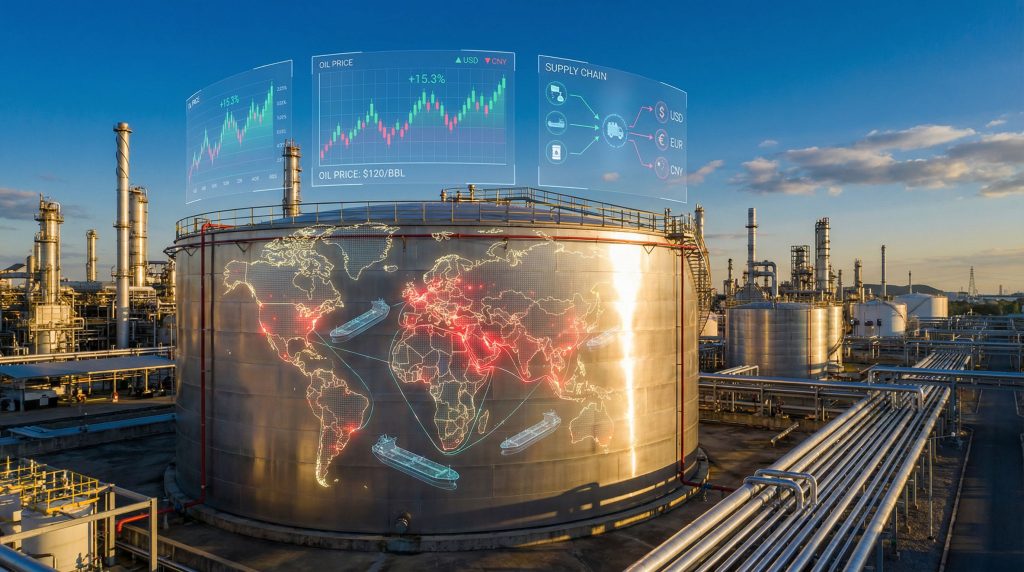
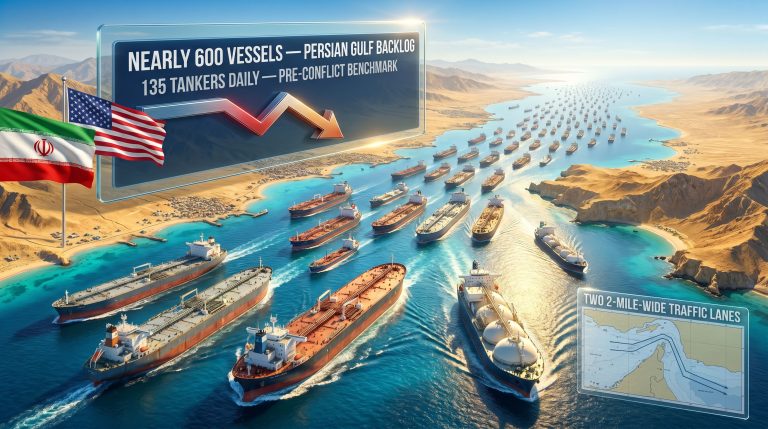
The impact of geopolitical tensions on crude oil represents one of the most significant variables in contemporary energy trading, with regional conflicts capable of triggering price movements that reverberate across global financial systems within hours. Modern commodity markets operate within a complex framework where political uncertainty creates measurable price premiums that extend far beyond traditional supply and demand fundamentals.
Understanding the Geopolitical Risk Premium in Oil Markets
What Drives Oil Price Volatility During International Conflicts?
Fear-based trading patterns dominate petroleum markets during periods of international tension, creating feedback loops that amplify initial price movements. When regional conflicts emerge in oil-producing regions, traders immediately begin pricing potential supply disruptions even before actual production impacts materialise. This psychological component often accounts for 5-8% price spikes within single trading sessions, as demonstrated by recent Middle Eastern tensions that drove Indian crude futures to ₹6,596 per barrel while simultaneously pushing WTI crude up 5.55% to $70.74 and Brent crude 5.86% higher to $77.14.
Market participants employ sophisticated vulnerability assessment models that evaluate multiple risk factors simultaneously. These systems analyse pipeline capacities, alternative routing options, storage facility locations, and the political stability of transit countries. During crisis periods, even minor supply chain bottlenecks receive disproportionate attention from algorithmic trading systems, which can execute thousands of transactions per second based on news sentiment analysis.
Currency fluctuations create additional complexity layers during geopolitical events. Oil-importing nations often experience currency weakness during supply crises, effectively amplifying the domestic price impact of petroleum increases. This dual effect explains why emerging market currencies frequently underperform during Middle Eastern conflicts, creating compounding pressures on local fuel costs that extend well beyond the direct oil price rally trends.
How Do Energy Markets Price Political Risk?
Risk premium calculations in energy derivatives markets rely on probability-weighted scenario modelling that incorporates multiple conflict escalation pathways. Professional traders utilise Monte Carlo simulations to estimate potential price ranges under different geopolitical outcomes, with premium calculations varying significantly based on conflict duration estimates and supply route vulnerability assessments.
Historical volatility patterns during Middle Eastern crises reveal distinct phases of market behaviour. Initial shock periods typically generate the most dramatic price movements, as uncertainty reaches peak levels before additional information becomes available. The March 2026 event exemplifies this pattern, with synchronised price increases across Indian MCX futures and international benchmarks occurring within the same trading session.
Forward curve analysis provides insights into how markets distinguish between temporary disruptions and structural supply changes. During acute geopolitical events, near-month contracts typically experience larger percentage gains than longer-dated futures, reflecting market expectations that political tensions will resolve over time. This backwardation pattern serves as a real-time indicator of market sentiment regarding conflict duration probabilities.
Institutional positioning strategies during uncertainty periods often involve complex hedging arrangements that combine physical oil purchases with financial derivatives. Large consumers frequently accelerate inventory building whilst simultaneously purchasing put options to protect against demand destruction if prices rise too rapidly. These defensive strategies can create additional upward pressure on spot prices during the initial phases of geopolitical events.
When big ASX news breaks, our subscribers know first
Regional Supply Chain Vulnerabilities and Market Response
Which Global Chokepoints Create Maximum Market Impact?
Strategic waterways control approximately 63% of global maritime oil transport, creating systemic vulnerabilities that amplify during regional conflicts. The Strait of Hormuz alone handles roughly 21% of global petroleum liquids transit, processing over 21 million barrels daily through a waterway just 21 miles wide at its narrowest point. Alternative routing through longer pipeline systems adds significant costs and time delays that markets immediately price into futures contracts during tension periods.
Mediterranean chokepoints present additional complexity for European energy security. The Suez Canal and SUMED pipeline system provide crucial links between Middle Eastern producers and European consumers, with combined capacity exceeding 4.5 million barrels per day. During regional instability, shipping insurance rates for vessels transiting these areas can increase by 300-500%, costs that ultimately transfer to end consumers through higher petroleum product prices.
Asian markets face particular exposure through the Malacca Strait bottleneck, which handles approximately 25% of global traded oil. This 1.7-mile-wide passage between Malaysia and Indonesia represents the primary supply route for Chinese and Japanese refineries. Political tensions involving regional powers create immediate concerns about transit security, typically resulting in accelerated inventory building across East Asian economies.
How Do Regional Conflicts Trigger Global Supply Realignments?
Supply diversification strategies activate rapidly when traditional sourcing patterns face disruption risks. Asian refineries maintain pre-negotiated supply agreements with multiple producing regions, allowing rapid shifts toward Western African or Americas crude when Middle Eastern sources experience political instability. These alternative supply arrangements typically carry 10-15% price premiums during normal periods, premiums that become economically attractive when primary sources face disruption risks.
European energy security protocols include mandatory strategic reserve releases and demand reduction measures that activate automatically when supply disruptions exceed predetermined thresholds. These coordinated responses can temporarily offset market tightness, though their effectiveness depends on crisis duration and the scale of actual supply losses versus perceived risks.
North American shale production provides a critical swing capacity during global supply disruptions, though activation timelines limit immediate response capabilities. Drill-but-uncompleted wells can resume production within 90-120 days, providing medium-term supply additions that help stabilise markets after initial shock periods. However, this capacity requires sustained higher prices to justify activation costs. The US oil production decline patterns significantly influence these supply response mechanisms during crisis periods.
Market Structure Analysis: Price Discovery During Crisis Events
What Trading Patterns Emerge During Geopolitical Escalations?
Crisis-driven price discovery follows predictable patterns that reflect information flow and market participant behaviour during uncertainty periods. Initial shock phases generate the most dramatic movements, with prices rising 5-8% within hours as automated trading systems react to news feeds and market sentiment indicators.
Crisis Phase Analysis:
- Initial Shock: Rapid 5-8% price increases lasting 24-48 hours
- Sustained Tension: Elevated volatility with range trading over 1-4 weeks
- Supply Impact: Fundamental repricing based on actual losses with variable duration
Volume patterns during geopolitical events reveal shifting market dynamics as different participant types adjust their exposure levels. Hedge funds and commodity trading advisors typically increase position sizes during volatility spikes, whilst physical market participants often reduce exposure to manage operational risks. This shifting composition creates temporary liquidity imbalances that amplify price movements.
Options market activity provides forward-looking insights into market expectations for continued volatility. Implied volatility levels typically increase by 40-60% during geopolitical events, with call option purchases concentrated in near-term expiration dates. This pattern reflects market expectations that tension-driven price premiums will persist for weeks rather than months.
How Do Futures Markets Reflect Long-term Geopolitical Risks?
Futures curve structures adapt dynamically to incorporate geopolitical risk assessments across different time horizons. Near-month contracts typically trade at premiums to longer-dated futures during acute crisis periods, creating backwardation patterns that incentivise immediate physical inventory building whilst signalling market expectations of eventual price normalisation.
Institutional trading behaviour during uncertainty periods shows distinct patterns based on participant type and risk management objectives. Commercial hedgers tend to increase their short positions during price spikes, whilst managed money funds often establish long positions based on momentum strategies. These competing forces create complex oil price movements that extend beyond simple supply-demand calculations.
Central bank intervention capabilities provide backstop mechanisms for extreme price movements, though coordination challenges limit effectiveness during rapidly developing crises. Strategic petroleum reserve releases require political coordination that may lag market timing requirements, reducing their impact on initial price spike mitigation.
Economic Transmission Mechanisms: From Oil Shocks to Broader Markets
What Sectors Experience Immediate Downstream Effects?
Transportation fuel pricing elasticity during supply concerns creates cascading effects throughout logistics-dependent industries. Airlines face immediate margin pressure from jet fuel cost increases, often implementing fuel surcharges within days of crude oil price spikes. The elasticity relationship varies by carrier and route structure, with international long-haul flights experiencing greater sensitivity than domestic short-haul operations.
Petrochemical industry margin compression follows predictable patterns during oil price volatility, though the relationship complexity depends on product mix and feedstock flexibility. Integrated producers with diverse product portfolios often experience smaller margin impacts than specialised chemical manufacturers that rely on specific crude oil derivatives.
Shipping and logistics sectors face dual impacts from both fuel cost increases and route disruption risks during geopolitical events. Baltic Dry Index correlations with oil prices strengthen during crisis periods as vessel operators adjust routing and pricing to account for both fuel costs and regional security concerns.
How Do Oil Price Shocks Propagate Through Global Economies?
Inflation transmission mechanisms from oil price increases operate through multiple channels that affect monetary policy decisions across central banking systems. Core inflation typically lags headline energy price movements by 3-6 months, creating policy timing challenges for central banks attempting to balance growth support with price stability objectives.
Currency market reactions during oil supply disruptions reveal distinct patterns based on countries' energy import dependencies. Oil-importing nations often experience currency weakness that amplifies domestic fuel price increases, whilst energy-exporting economies see currency strengthening that partially offsets reduced export volumes during supply disruptions.
Equity market sector rotation patterns during energy crises show predictable shifts toward energy company shares and defensive sectors with lower energy input costs. Technology and financial services sectors typically underperform during sustained oil price increases, whilst utilities and consumer staples demonstrate relative resilience. These patterns often coincide with broader oil & gas downturn insights that influence investment decisions.
Strategic Response Frameworks: Government and Corporate Adaptation
What Policy Tools Do Nations Deploy During Oil Market Disruptions?
Strategic petroleum reserve coordination represents the primary government tool for market stabilisation during supply disruptions. Reserve release effectiveness depends on timing, scale, and international coordination levels. Historical analysis suggests that releases totalling 1-2% of global daily consumption can reduce price premiums by 5-10% when properly coordinated among major consuming nations.
Emergency fuel allocation protocols activate automatically when supply disruptions exceed predetermined thresholds. These systems prioritise essential services including healthcare, emergency response, and critical infrastructure maintenance. Implementation effectiveness varies significantly based on pre-existing logistical frameworks and inter-agency coordination capabilities.
Diplomatic engagement strategies during oil market crises focus on maintaining supply relationship stability whilst avoiding actions that could escalate regional tensions. Energy diplomacy operates on shorter timelines than traditional diplomatic processes, requiring rapid high-level communications to address immediate supply security concerns.
How Do Energy Companies Adjust Operations During Geopolitical Volatility?
Upstream investment decision frameworks incorporate geopolitical risk assessments that significantly influence project timing and location selection. Companies often defer development decisions in politically unstable regions whilst accelerating projects in stable jurisdictions, even when economic returns appear less attractive under normal conditions.
Downstream inventory management strategies shift dramatically during geopolitical events as refiners balance increased carrying costs against supply security benefits. Average inventory levels typically increase by 15-20% during extended regional conflicts, representing conscious decisions to prioritise operational continuity over working capital efficiency.
Hedging strategy modifications during volatility periods often involve expanding time horizons and increasing position sizes to protect against extreme price movements. Companies frequently supplement traditional financial hedges with physical supply diversity agreements that provide operational flexibility during disruption events. However, these strategies must account for potential oil price crash analysis scenarios that could reverse current market conditions.
Market Intelligence: Forecasting and Risk Assessment Models
Which Economic Indicators Predict Geopolitical Oil Market Impact?
Political stability indices provide quantitative frameworks for assessing regional conflict probabilities, though their predictive accuracy varies significantly across different political systems and conflict types. Composite indicators combining governance quality, social tension measurements, and economic stress levels offer more reliable forecasting capabilities than single-variable models.
Military expenditure patterns often provide early warning signals for potential regional conflicts that could affect energy markets. Countries experiencing rapid defence spending increases frequently exhibit higher probabilities of regional instability within 12-18 month timeframes, particularly when military expansion occurs alongside deteriorating economic conditions.
Trade relationship deterioration metrics offer insights into potential supply chain disruption risks before acute political crises emerge. Declining bilateral trade volumes, increased tariff implementations, and reduced diplomatic engagement levels correlate with elevated energy market volatility risks across multiple time horizons.
How Accurate Are Current Oil Price Forecasting Models During Crises?
Traditional econometric models demonstrate significant limitations during geopolitical events, often underestimating both the magnitude and duration of crisis-driven price movements. Fundamental supply-demand models typically require dynamic adjustment factors that incorporate political risk premiums based on real-time conflict assessment data.
Machine learning applications in geopolitical risk modelling show promising early results through natural language processing of news flows and social media sentiment analysis. These systems can identify tension escalation patterns hours or days before traditional analytical methods, though their accuracy during unprecedented event types remains unproven.
Furthermore, the impact of geopolitical tensions on crude oil requires sophisticated sentiment measurement techniques that incorporate behavioural finance considerations. Conventional forecasting approaches often fail to capture the psychological amplification effects that occur during geopolitical crises, leading to systematic underestimation of volatility duration and magnitude.
Behavioural finance considerations play increasingly important roles in modern forecasting methodologies, as emotional decision-making during crisis periods creates price movements that exceed rational economic calculations. Incorporating market psychology metrics improves model accuracy but requires sophisticated sentiment measurement techniques.
The next major ASX story will hit our subscribers first
Investment Strategy Implications: Portfolio Positioning During Energy Volatility
What Asset Allocation Adjustments Optimise Returns During Oil Crises?
Energy sector equity positioning requires nuanced approaches that distinguish between different crisis types and duration expectations. Integrated oil companies typically outperform during sustained high-price periods, whilst exploration and production specialists show greater volatility and potential returns during acute supply disruption events.
Commodity futures portfolio strategies during geopolitical events often emphasise calendar spread trading that capitalises on futures curve distortions rather than outright directional bets. These approaches provide risk-adjusted returns that benefit from volatility normalisation whilst limiting exposure to continued escalation scenarios.
Currency exposure management becomes critical for international investors during oil price volatility, as energy-importing countries often experience currency depreciation that can offset commodity price gains for foreign investors. Dynamic hedging strategies that adjust based on oil price movements provide protection against these dual exposures.
How Do Sovereign Wealth Funds Respond to Geopolitical Energy Disruptions?
Resource-rich nation sovereign funds typically implement counter-cyclical investment strategies during oil price spikes, using revenue windfalls to diversify away from energy sector concentration. These rebalancing activities can create significant capital flows into alternative asset classes including infrastructure, technology, and renewable energy sectors.
Strategic asset acquisition opportunities emerge during market dislocations as energy-intensive companies face valuation pressures from sustained high oil prices. Sovereign funds with patient capital characteristics often capitalise on these temporary valuation gaps through private equity and direct investment strategies.
International diversification accelerates during oil price volatility as energy-exporting economies recognise the importance of reducing commodity dependence. These strategic shifts create long-term structural changes in global capital flows that extend well beyond immediate crisis periods.
Technology and Innovation: Market Evolution During Disruption Periods
How Do Geopolitical Tensions Accelerate Energy Transition Investments?
Renewable energy project financing experiences accelerated deployment during sustained oil price elevation periods as the economic competitiveness of alternative energy sources improves relative to fossil fuel alternatives. Solar and wind project internal rates of return increase by 200-300 basis points when oil prices sustain levels above $75-80 per barrel for extended periods.
Energy storage technology deployment accelerates during supply security concerns as utilities and industrial users seek to reduce dependence on real-time petroleum product availability. Battery storage and pumped hydro investments typically increase by 25-40% during geopolitical crisis periods that extend beyond six months.
Electric vehicle adoption patterns show measurable acceleration during sustained high fuel price periods, with purchase decision timelines compressing from 18-24 months to 6-12 months when gasoline prices exceed psychological threshold levels. This demand shift creates additional long-term structural changes in petroleum consumption patterns.
What Role Does Financial Technology Play in Modern Oil Trading?
Algorithmic trading systems now process geopolitical news feeds in real-time, executing position adjustments within milliseconds of political development announcements. These automated systems account for an estimated 60-70% of trading volume during high-volatility periods, amplifying initial price movements whilst providing increased liquidity during market stress periods.
Blockchain applications for supply chain transparency gain adoption during crisis periods as buyers seek verification of petroleum product origins and routing paths. Smart contract implementations allow automatic execution of alternative supply agreements when primary sources experience disruptions, reducing manual intervention requirements during fast-moving crisis situations.
Satellite monitoring technology provides real-time production facility security assessments that inform trading decisions independent of government or company announcements. Commercial satellite services can detect production shutdowns, storage facility damage, and transportation bottlenecks within hours of occurrence, providing information advantages for sophisticated market participants.
Future Market Structure: Long-term Implications of Current Tensions
How Might Persistent Geopolitical Risks Reshape Global Energy Markets?
Regionalisation trends in oil trading relationships continue developing as countries prioritise supply security over pure economic optimisation. Long-term supply agreements increasingly include security provisions and alternative routing requirements that add cost but provide operational certainty during disruption periods.
Strategic alliance formation for energy security cooperation represents a fundamental shift from historical market-based procurement toward relationship-based supply arrangements. These partnerships often include technology transfer, infrastructure investment, and political support components that extend beyond traditional commercial relationships.
Climate policy acceleration receives additional momentum from energy security concerns as governments recognise the strategic benefits of reduced fossil fuel import dependence. Carbon pricing mechanisms and renewable energy subsidies gain political support when framed as national security initiatives rather than purely environmental policies.
What Market Structure Changes Could Emerge from Current Volatility?
Enhanced transparency requirements for international energy trading may emerge as governments seek greater visibility into supply chain dependencies and potential vulnerability sources. Mandatory reporting of supply source concentrations and alternative sourcing capabilities could become standard regulatory requirements.
Expanded strategic reserve coordination between allied nations offers potential for more effective crisis response mechanisms, though implementation requires overcoming sovereignty concerns and cost-sharing disagreements among participating countries. The International Energy Agency continues to facilitate these coordination efforts among member nations.
Alternative financing mechanisms for energy infrastructure development in politically unstable regions may evolve to incorporate insurance and guarantee structures that make projects viable despite elevated political risks. These innovations could help maintain global supply diversity whilst managing investor protection requirements.
In conclusion, the impact of geopolitical tensions on crude oil continues to evolve as markets adapt to new risk assessment frameworks and technological capabilities. Understanding these dynamics remains crucial for investors, policymakers, and market participants navigating an increasingly complex global energy landscape.
This analysis is provided for informational purposes and should not be considered as investment advice. Energy market investments involve substantial risks including complete loss of invested capital. Political developments can create rapid and unpredictable market changes that may not align with historical patterns or analytical projections.
Ready to Navigate Volatile Energy Markets?
Discovery Alert's proprietary Discovery IQ model delivers real-time alerts on significant ASX mineral discoveries, helping investors identify actionable opportunities in resource sectors that often surge during energy market volatility. Begin your 14-day free trial today to gain a market-leading edge whilst major commodity fluctuations create exceptional trading and investment opportunities across the resource sector.