July 18, 2026
Global commodity markets have entered a period of unprecedented structural transformation as geopolitical tensions reshape decades-old supply chain architectures. The impact of the Iran war on global commodity markets has become a critical concern for investors and policymakers worldwide. The interconnected nature of modern energy, metals, and agricultural systems means that disruptions in one region can cascade through multiple commodity sectors simultaneously, creating complex risk matrices that traditional hedging strategies struggle to address.
Modern supply chains have evolved into intricate networks where single chokepoints can affect global trade flows worth billions of dollars daily. Understanding these vulnerability patterns has become essential for investors, industrial consumers, and policymakers navigating an increasingly volatile commodity landscape.
Strategic Geography and Supply Chain Vulnerabilities
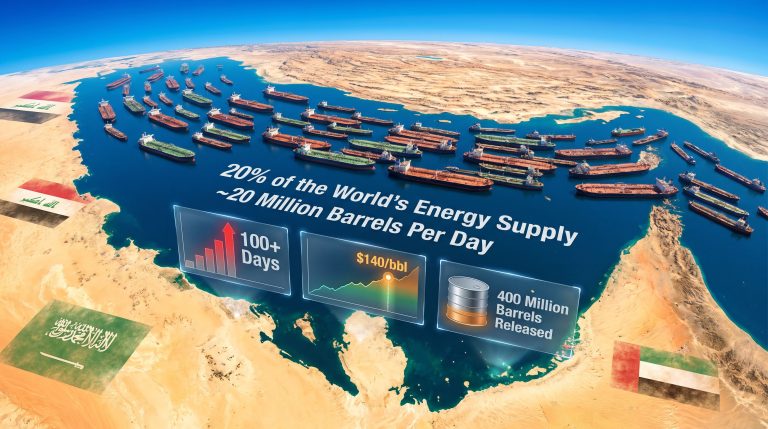
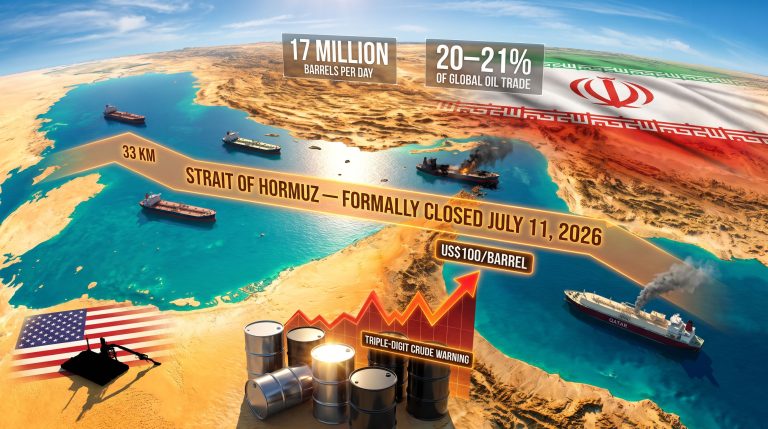
The Strait of Hormuz represents one of the world's most critical energy chokepoints, facilitating the passage of approximately 21% of global petroleum liquids according to the U.S. Energy Information Administration. This narrow waterway, spanning just 21 miles at its narrowest point, handles roughly 21 million barrels per day of crude oil and refined products under normal operating conditions.
Regional conflicts introduce multiple layers of supply chain risk that extend far beyond direct production disruptions. Alternative routing mechanisms exist but carry significant cost and time penalties that immediately translate into commodity price premiums. Furthermore, shipping routes around the Cape of Good Hope add approximately 3,500 nautical miles to journeys between the Persian Gulf and European markets, increasing transit times by 2-3 weeks.
The complexity of modern commodity interdependencies means that energy supply disruptions often trigger secondary effects across fertilizer production, metals processing, and chemical manufacturing. Iran's position as a significant producer of natural gas and condensates creates ripple effects through petrochemical supply chains that extend globally, similar to how tariffs impact markets across various sectors.
Physical Infrastructure Constraints
Global oil storage capacity limitations amplify short-term price volatility during supply disruptions. Commercial petroleum inventories typically provide only 25-30 days of forward consumption coverage in major consuming regions, according to International Energy Agency data. This narrow buffer means that even temporary supply interruptions quickly translate into spot price premiums.
Strategic petroleum reserve systems offer some cushioning capacity, with OECD countries maintaining approximately 1.5 billion barrels in government-controlled stocks. However, coordinated releases from these reserves require political consensus and typically take weeks to reach markets, limiting their effectiveness in addressing immediate supply disruptions.
Pipeline infrastructure represents another critical vulnerability point. Key regional systems including the Trans-Arabian Pipeline and various Iran-Turkey connections can be affected by regional conflicts, forcing cargo flows onto more expensive shipping alternatives.
When big ASX news breaks, our subscribers know first
Energy Complex Risk Assessment
The global energy system demonstrates particular vulnerability to Middle Eastern supply disruptions due to concentrated production geography and limited short-term substitution options. Crude oil markets typically experience the most immediate price impacts, with historical precedent suggesting 15-30% price increases during major regional conflicts.
Natural gas markets face distinct challenges due to infrastructure constraints limiting rapid supply rerouting. LNG shipping represents the primary flexibility mechanism, but global LNG capacity utilization rates above 85% during peak demand periods leave limited spare capacity for emergency reallocation. Consequently, analysts tracking the natural gas price forecast emphasise these supply vulnerabilities.
Refined Products Complexity
Refined petroleum products often experience more severe price dislocations than crude oil during supply disruptions. Regional refining capacity constraints mean that product shortages can develop even when crude supplies remain adequate. Middle distillate markets, including diesel and jet fuel, typically show the highest volatility due to limited global refining flexibility for these products.
Gasoline markets demonstrate somewhat more resilience due to seasonal demand patterns and greater regional refining capacity for light products. However, specialised grade requirements and regional environmental specifications limit the effectiveness of inter-regional product arbitrage during crisis periods.
In addition, the relationship between crude and product prices becomes increasingly complex during geopolitical stress, with refining margins expanding significantly as product shortages develop independently of crude availability. This mirrors how global energy market disruptions can create cascading effects throughout the commodity complex.
Critical Materials Supply Networks
Fertilizer production represents one of the most globally integrated yet geographically concentrated industrial systems. Natural gas serves as both feedstock and fuel for ammonia production, making fertilizer costs extremely sensitive to energy price volatility. Middle Eastern producers supply approximately 12% of global nitrogen fertilizer capacity, according to industry data.
The timing of supply disruptions relative to planting seasons creates amplified agricultural impacts. Northern Hemisphere spring planting seasons typically require fertilizer deliveries during the first quarter, while Southern Hemisphere agricultural cycles peak during the third quarter. Supply interruptions during these critical windows can affect global food production for entire crop years.
Industrial Metals Dependencies
Battery materials supply chains demonstrate particular vulnerability to regional disruptions due to concentrated processing capacity and complex multi-stage refining requirements. While Iran is not a major primary producer of lithium or cobalt, regional conflicts can disrupt sulfuric acid supplies essential for metal refining operations globally. For instance, developments like the battery recycling breakthrough highlight the importance of supply chain resilience.
Copper and aluminium markets face exposure through energy cost increases rather than direct supply disruptions. Aluminium smelting requires enormous electricity inputs, making production costs highly sensitive to regional power price volatility. Primary aluminium production consumes approximately 13-15 MWh per metric ton, making energy costs a dominant factor in production economics.
Steel production networks experience dual impacts from both energy cost increases and iron ore supply chain complications. While Middle Eastern iron ore production is limited, regional shipping disruptions can affect Australian and Brazilian ore deliveries to Asian steel markets.
Regional Economic Impact Matrices
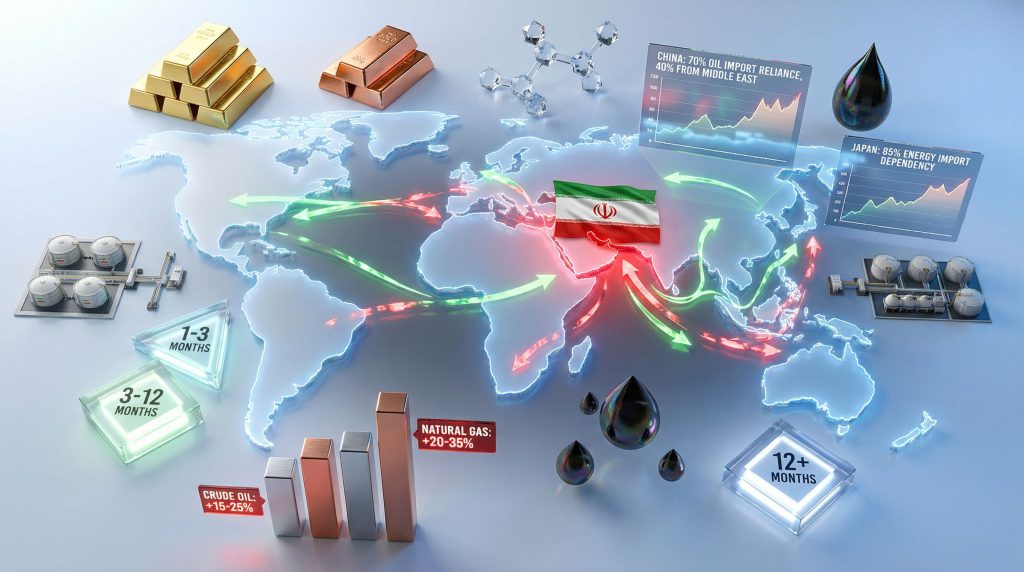
Asian markets demonstrate the highest exposure to Middle Eastern supply disruptions due to concentrated import dependencies across multiple commodity sectors. China imports approximately 10.8 million barrels per day of crude oil, with roughly 43% originating from Middle Eastern producers according to trade data.
Japan and South Korea face particular vulnerability due to limited domestic energy resources and high manufacturing intensity. Japan imports over 99% of its crude oil requirements and 97% of its natural gas needs, while maintaining minimal strategic reserve capacity relative to consumption rates. However, these vulnerabilities echo broader concerns about US‑China trade war effects on regional supply chains.
European Market Dynamics
European commodity markets have demonstrated increased resilience following infrastructure diversification initiatives implemented after previous energy security crises. LNG import terminal capacity has expanded significantly, providing alternative supply flexibility for natural gas markets.
However, chemical and fertilizer industries in Europe remain highly exposed to energy cost volatility. BASF and other major chemical producers have historically relied on competitively priced natural gas feedstocks, making their operations sensitive to regional supply disruptions affecting global gas prices.
The European Union's strategic autonomy initiatives have accelerated domestic critical materials processing capacity development, but these projects typically require multi-year implementation periods that provide limited short-term supply security benefits.
Financial Market Pricing Mechanisms
Commodity forward curves provide essential insights into market expectations regarding conflict duration and resolution probability. Contango structures typically emerge when markets expect current supply disruptions to resolve within months, while backwardation suggests concerns about extended supply constraints.
Options markets demonstrate heightened activity during geopolitical stress periods, with implied volatility measures often reaching levels 2-3 times normal ranges. Call option volumes typically surge as industrial consumers seek price protection, while put option activity increases among producers hedging against potential price corrections.
Cross-Asset Correlations
Currency market movements significantly influence commodity price dynamics during regional conflicts. Safe haven demand typically strengthens the U.S. dollar, creating downward pressure on dollar-denominated commodity prices that partially offsets supply-driven price increases.
Equity market sector rotations during geopolitical stress create investment flow patterns that influence commodity prices beyond fundamental supply-demand balances. Energy sector stocks typically outperform during supply disruption periods, while transportation and manufacturing sectors often underperform due to cost increase expectations.
Furthermore, precious metals markets often serve as barometers of geopolitical risk, with the gold price forecast reflecting broader safe haven demand patterns. Historical analysis suggests gold prices typically increase 5-15% during major Middle Eastern conflicts.
Scenario-Based Market Response Analysis
Short-term disruption scenarios (1-3 months) typically generate immediate inventory drawdowns as consumers accelerate purchases to secure supplies. Commercial petroleum inventories can decline by 50-100 million barrels within weeks of major supply interruptions, according to historical patterns.
Emergency response mechanisms including strategic reserve releases and alternative supply activations usually require 2-4 weeks to reach markets effectively. This timing gap creates brief periods of extreme price volatility as markets adjust to reduced availability.
Extended Conflict Implications
Medium-term scenarios (3-12 months) trigger fundamental supply chain reconfigurations that can permanently alter global trade patterns. Alternative supplier relationships established during crisis periods often persist beyond conflict resolution, creating lasting market structure changes.
Infrastructure investment decisions accelerated during extended conflicts include pipeline capacity expansions, LNG terminal developments, and strategic storage facility construction. These projects typically require 18-36 months for completion but begin influencing market expectations immediately upon announcement.
Long-term conflict scenarios (12+ months) can fundamentally restructure global commodity trade architecture. The 1980s Iran-Iraq War created lasting changes in oil market structure that persisted decades beyond conflict resolution, including the development of strategic petroleum reserve systems and alternative supply route investments. Such scenarios demonstrate the global price tag of regional conflicts on economic stability.
The next major ASX story will hit our subscribers first
Investment Strategy Frameworks
Energy infrastructure investments demonstrate enhanced attractiveness during geopolitical stress periods as supply security concerns outweigh traditional return requirements. Pipeline capacity, storage facilities, and alternative energy projects often receive accelerated approval and funding during supply crisis periods.
Commodity producer valuations require careful analysis of geographic exposure and operational flexibility. Companies with production capacity outside conflict zones typically command premium valuations, while integrated operations with supply chain diversification demonstrate enhanced resilience.
Portfolio Construction Considerations
Risk management strategies during geopolitical stress periods require balancing commodity exposure with currency and credit risks. Commodity-linked investments provide inflation hedging benefits but can amplify portfolio volatility during extreme market movements.
Sector rotation opportunities emerge as relative value relationships shift between commodity producers, consumers, and transportation providers. Energy logistics companies often demonstrate strong performance during supply disruption periods due to increased shipping demand and higher freight rates.
Alternative investment strategies including commodity-focused ETFs and direct futures positions require careful consideration of storage costs, rollover risks, and liquidity constraints during volatile market periods.
Technology Acceleration and Market Evolution
Supply security concerns accelerate adoption of alternative production technologies and supply chain diversification strategies. Renewable energy project development typically experiences increased investment flows during fossil fuel supply crisis periods, though deployment timelines limit immediate impact.
Recycling technology investments gain strategic importance as primary supply chains face disruption risks. Battery materials recycling capacity, steel scrap processing efficiency, and rare earth element recovery systems receive enhanced investment priority during supply security stress periods.
Digital supply chain management systems demonstrate increased value during crisis periods as companies require real-time visibility into alternative sourcing options and transportation route optimisation capabilities.
Long-Term Market Structure Implications
Geopolitical risk premiums become permanently embedded in commodity pricing structures following major supply disruptions. Market participants incorporate higher baseline volatility expectations and maintain increased strategic inventory levels, creating structural changes in supply-demand balance calculations.
Regional trade bloc development accelerates as countries seek supply security through geographically diversified partnerships. These arrangements often include long-term supply contracts, strategic reserve sharing agreements, and coordinated infrastructure investments that reshape global commodity flows.
The evolution toward more regionalised commodity markets reduces global efficiency but increases supply chain resilience. This transition represents a fundamental shift from cost optimisation toward risk management as the primary strategic objective for many commodity consumers. Consequently, the impact of the Iran war on global commodity markets continues to drive strategic decision-making across industries and governments worldwide.
Disclaimer: This analysis is based on publicly available information and historical market patterns. Commodity markets are subject to extreme volatility during geopolitical events, and past performance does not guarantee future results. Investors should conduct thorough due diligence and consider professional advice before making investment decisions. The impact of the Iran war on global commodity markets represents a complex, evolving situation with outcomes that cannot be predicted with certainty.
Looking to Navigate Geopolitical Commodity Market Volatility?
Discovery Alert's proprietary Discovery IQ model delivers real-time alerts on significant ASX mineral discoveries, helping investors identify actionable opportunities even during periods of global supply chain disruption. Begin your 14-day free trial today at Discovery Alert and position yourself ahead of market volatility with instant access to emerging opportunities in the resources sector.