May 10, 2026
Understanding In-Situ Recovery Technology in Canadian Uranium Mining
In-Situ Recovery (ISR) methodology represents a transformative shift in uranium extraction philosophy, particularly within Canadian mining operations where conventional underground techniques have dominated for decades. This groundbreaking approach dissolves uranium minerals directly within the orebody using carefully engineered mining solutions, eliminating the need for extensive underground excavation and ore transportation systems that characterise traditional mining operations.
The technical foundation of ISR operations centres on controlled injection of mining solutions into geologically suitable uranium deposits. These solutions chemically dissolve uranium minerals at depth, creating uranium-bearing solutions that are subsequently pumped to surface processing facilities for mineral recovery. This process requires specific geological conditions including appropriate permeability, confinement layers, and suitable ore mineralogy that enables effective solution circulation and containment.
More than half of global uranium production now utilises ISR technology, demonstrating widespread industry acceptance and operational success across diverse geological environments. However, Canadian uranium operations have historically relied exclusively on conventional underground mining methods at facilities such as Cigar Lake and McArthur River. Consequently, the Denison Mines Phoenix uranium project represents the first application of this technology within Canadian borders.
The environmental advantages of ISR technology become particularly significant in sensitive northern ecosystems where traditional mining activities could cause substantial surface disturbance. Furthermore, ISR operations maintain minimal surface footprint compared to conventional mining, reducing habitat disruption and eliminating the need for extensive waste management solutions. Additionally, the controlled nature of solution injection and recovery enables precise environmental monitoring and containment protocols.
Geological requirements for successful ISR implementation demand careful evaluation of subsurface conditions. The target orebody must possess adequate permeability to allow solution flow, while maintaining sufficient confinement to prevent uncontrolled solution migration. The Phoenix deposit's geological characteristics have undergone extensive evaluation to confirm ISR suitability, representing years of technical validation and risk assessment by Denison's engineering teams.
When big ASX news breaks, our subscribers know first
Phoenix Project Engineering and Construction Analysis
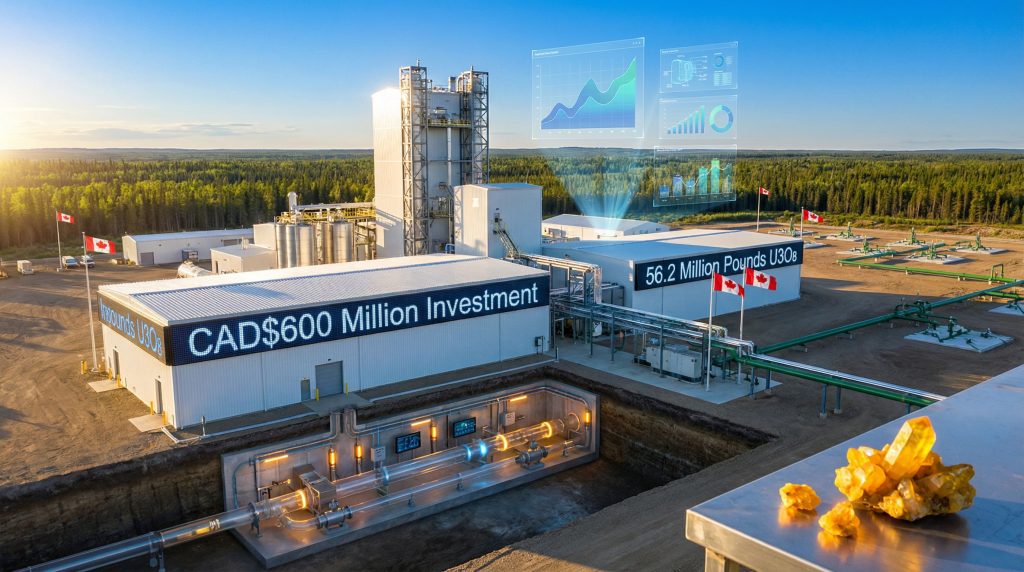
The Denison Mines Phoenix uranium project represents a CAD $600 million capital investment positioned to establish Canada's first commercial-scale ISR operation. This updated capital cost estimate reflects a 20% increase from the 2023 Phoenix feasibility study when adjusted for inflation, though Denison management has indicated no further cost revisions are expected prior to construction commencement.
Engineering completion has reached 87% as of January 2026, positioning the project in what Denison characterises as a construction-ready state. This advanced engineering status enables immediate construction execution upon receipt of final regulatory approvals, supporting the confirmed two-year construction timeline that leads to targeted mid-2028 first production.
| Technical Parameter | Specification | Industry Context |
|---|---|---|
| Recovery Rate (Target) | 96.5% | Above industry average |
| Initial Recovery Rate | 93.4% | Standard ramp-up profile |
| Construction Timeline | 24 months | Accelerated schedule |
| Engineering Completion | 87% | Construction-ready status |
| Capital Investment | CAD $600M | Inflation-adjusted 2026 |
The processing plant design incorporates ISR-specific recovery systems optimised for uranium solution processing rather than conventional ore crushing and grinding operations. For instance, this fundamental difference in processing methodology requires specialised equipment for solution handling, mineral recovery, and solution recycling systems that maintain operational efficiency while ensuring environmental protection.
Infrastructure requirements for the remote Athabasca Basin location include power supply integration, transportation access, and skilled workforce accommodation. However, the project benefits from its location in the infrastructure-rich eastern portion of the Athabasca Basin, providing access to existing regional facilities and established supply chains that support capital efficiency and operational logistics.
Construction cost efficiency compared to conventional uranium mining projects reflects ISR technology advantages including reduced underground development requirements, simplified material handling systems, and streamlined processing infrastructure. Furthermore, the CAD $600 million investment represents competitive capital intensity when evaluated against global uranium project development costs and production capacity metrics.
Quality control systems for ISR solution management incorporate real-time monitoring capabilities, automated solution chemistry control, and comprehensive environmental monitoring protocols. These systems ensure operational performance while maintaining regulatory compliance and environmental protection standards throughout the solution injection and recovery process.
Regulatory Pathway and Approval Framework
The regulatory approval pathway for the Denison Mines Phoenix uranium project has achieved significant milestones through successful navigation of both federal and provincial oversight requirements. The Canadian Nuclear Safety Commission public hearing concluded in late 2025, while Saskatchewan provincial government provided initial approval to commence construction activities, positioning the project for final regulatory clearance in Q1 2026.
This dual-level regulatory achievement demonstrates comprehensive jurisdictional satisfaction with Phoenix's technical design, environmental protection systems, and operational safety protocols. In addition, the CNSC hearing process evaluated ISR technology implementation within Canadian regulatory frameworks, establishing precedent for future ISR project applications across the country.
Canadian uranium mining regulations required adaptation to accommodate ISR technology's unique operational characteristics. Unlike conventional underground mining operations, ISR projects demand specialised oversight for solution injection systems, groundwater monitoring protocols, and subsurface containment verification. Consequently, regulatory authorities have developed technical guidance specific to ISR operations while maintaining existing safety and environmental protection standards.
Environmental monitoring requirements for ISR operations focus heavily on groundwater protection and solution containment verification. The Phoenix project incorporates comprehensive monitoring well networks, real-time solution chemistry tracking, and automated alert systems designed to detect any deviation from approved operational parameters. These monitoring systems exceed standard requirements to demonstrate technology safety in Canadian operating conditions.
Indigenous consultation protocols have played a critical role in the approval process, particularly in relation to BC mining claims framework considerations. Saskatchewan's regulatory framework requires meaningful consultation with Indigenous communities for resource development projects, particularly those affecting traditional territories in northern regions.
The successful completion of CNSC public hearing procedures indicates technical acceptance of ISR methodology by Canada's nuclear regulatory authority. This regulatory validation provides important precedent for other Canadian ISR prospects, potentially accelerating future project approval timelines through established technical standards and evaluation criteria.
Strategic Market Position and Production Outlook
The Denison Mines Phoenix uranium project enters production at a strategically significant moment in global uranium market evolution. With a confirmed reserve base of 56.2 million pounds U₃O₈, Phoenix represents substantial addition to Western uranium supply capacity during a period of anticipated nuclear energy expansion and uranium demand acceleration.
Phoenix's mid-2028 production timeline aligns with projected nuclear reactor construction schedules across North America and Europe, where governments have announced significant nuclear capacity expansion programs. This timing positions Phoenix to capitalise on anticipated supply-demand dynamics as utilities secure long-term uranium contracts to support new reactor operations.
The project's designation as Canada's first new large-scale uranium mine since Cigar Lake development underscores its strategic importance within North American uranium supply chains. Phoenix production will contribute to Western uranium supply security while reducing dependence on uranium sources from geopolitically sensitive regions, particularly in light of recent US uranium import bans.
Production Capacity and Market Impact
- Reserve Base: 56.2 million pounds U₃O₈ recoverable
- Recovery Technology: ISR with 96.5% target recovery rate
- Strategic Location: Infrastructure-rich Athabasca Basin region
- Market Timing: Mid-2028 production start during demand acceleration
Operating cost projections for ISR operations typically demonstrate advantages compared to conventional underground mining, particularly regarding reduced labour requirements, simplified material handling, and lower energy consumption per pound of uranium produced. These operational efficiencies support competitive production economics across uranium market volatility scenarios.
Long-term production economics benefit from Phoenix's substantial reserve base and potential for operation extension through additional resource development within the Wheeler River project area. The Gryphon deposit, also located within the Wheeler River project, represents potential future production expansion depending on market conditions and technical evaluation outcomes.
Expansion potential within Wheeler River property boundaries extends beyond Phoenix and Gryphon deposits through continued exploration programs and resource delineation activities. Denison has indicated investigation of ISR potential at other Canadian projects including Heldeth Túé uranium deposit and Midwest Main project, suggesting broader ISR application possibilities across Canadian uranium resources.
Athabasca Basin Infrastructure and Logistics
The Wheeler River project's location within the infrastructure-rich eastern portion of the Athabasca Basin provides significant operational and economic advantages for Phoenix development. This strategic positioning enables access to established uranium industry infrastructure including the Key Lake mill facility and proximity to McArthur River operations, creating opportunities for supply chain optimisation and shared logistics resources.
Regional infrastructure assets support Phoenix operations through multiple channels. The existing transportation corridor network facilitates equipment delivery and supply chain management, while established electrical grid connections provide reliable power supply for ISR operations. These infrastructure elements reduce development costs and operational risks compared to greenfield projects requiring complete infrastructure construction.
Skilled workforce availability represents a critical advantage of the Athabasca Basin location. Regional uranium mining operations have developed specialised expertise in uranium handling, radiation safety protocols, and remote northern operations management. Phoenix can leverage this established workforce capability while introducing ISR-specific technical training programs, incorporating AI mining transformations where applicable.
Infrastructure Integration Benefits
- Processing Facilities: Proximity to Key Lake mill and regional processing capacity
- Transportation Networks: Established corridors for equipment and supply delivery
- Power Infrastructure: Connection to northern Saskatchewan electrical grid
- Skilled Workforce: Regional uranium sector expertise and training capabilities
- Emergency Services: Established response capabilities and medical facilities
Site preparation requirements for ISR wellfield installation differ substantially from conventional mining site development. Phoenix requires wellfield infrastructure for solution injection and recovery systems, processing plant construction, and solution management facilities. The reduced surface footprint compared to conventional mining operations minimises environmental disturbance while maintaining operational effectiveness.
Processing facility construction in the remote location benefits from regional construction expertise and established supply chains serving northern Saskatchewan resource projects. Local construction capabilities reduce project costs and timeline risks while supporting regional economic development through employment and service contract opportunities.
Environmental monitoring system deployment incorporates advanced technology for real-time solution tracking and automated alert capabilities. These systems exceed standard monitoring requirements to demonstrate ISR technology safety and environmental protection in Canadian operating conditions, establishing operational precedent for future ISR projects.
Investment and Ownership Structure Analysis
The Denison Mines Phoenix uranium project operates through a joint venture structure with Denison Mines Corporation holding 90% ownership and JCU Canada Exploration Company Limited maintaining 10% interest. Denison serves as project operator with complete authority over construction, commissioning, and operational activities, providing unified project management and decision-making capabilities.
This ownership configuration provides Denison with controlling interest while allowing JCU Canada to participate in project economics and regional development outcomes. The joint venture agreement allocates revenue sharing and cost responsibilities according to ownership percentages, with Denison bearing primary financial and operational obligations corresponding to its majority position.
Investment risk factors for Phoenix include construction cost management in remote northern conditions, regulatory approval timeline uncertainties, and uranium market price volatility impact on project returns. However, the project's advanced engineering status and confirmed regulatory progress have substantially reduced development risks compared to earlier project phases.
Financial Structure Components
- Denison Ownership: 90% controlling interest with operational authority
- JCU Canada Ownership: 10% participating interest
- Capital Commitment: CAD $600 million total investment requirement
- Cost Control: Fixed project budget with no anticipated further revisions
- Revenue Sharing: Proportional to ownership percentages
Construction cost escalation potential in remote locations represents a key risk management focus for project economics. Denison's confirmation of final capital cost estimates and commitment to project control budget methodology indicates comprehensive cost containment strategies and risk mitigation planning.
Technical performance risks for Canada's first ISR operation include solution recovery optimisation, processing system performance validation, and environmental monitoring system effectiveness. Denison has invested substantial resources in technical validation and pilot testing to minimise these operational risks and ensure successful technology implementation.
The company's strong balance sheet position supports project financing capabilities without requiring external debt or equity financing for construction completion. This financial strength provides operational flexibility and reduces execution risks associated with external financing requirements or market timing constraints.
The next major ASX story will hit our subscribers first
Broader Implications for Canadian Uranium Industry
The Denison Mines Phoenix uranium project represents a transformative development for Canada's uranium sector, establishing ISR technology precedent that could revolutionise future resource development across the country. Phoenix's successful regulatory approval and construction advancement demonstrates Canadian regulatory framework adaptability and technical acceptance of innovative extraction methodologies.
Technology demonstration effects extend beyond Phoenix to influence evaluation of other Canadian uranium deposits suitable for ISR application. Denison has specifically identified potential for ISR implementation at Heldeth Túé uranium deposit at Waterbury Lake and the Midwest Main project, indicating substantial additional resource potential accessible through proven ISR technology.
Canada's position in global uranium markets receives significant reinforcement through Phoenix production addition and ISR technology adoption. The project contributes to Western uranium supply chain resilience while demonstrating Canadian capability for innovative mining technology implementation in challenging northern environments.
Industry-Wide Impact Assessment
- Technology Precedent: First Canadian ISR operation establishing regulatory and technical frameworks
- Supply Chain Enhancement: Addition to North American uranium production capacity
- Regional Development: Economic benefits for northern Saskatchewan communities
- Innovation Leadership: Canadian advancement in sustainable uranium extraction technology
Economic development implications for northern Saskatchewan extend beyond direct project employment and contractor opportunities. Phoenix establishes northern Saskatchewan as a centre for ISR technology expertise, potentially attracting related technology development and service sector growth that supports broader regional economic diversification.
Regulatory precedent establishment through Phoenix approval provides clearer pathway for future ISR project applications across Canada. The technical standards, environmental monitoring protocols, and safety requirements validated through Phoenix development create standardised frameworks that can accelerate subsequent project evaluation and approval processes.
Other Canadian projects following Phoenix's ISR model could include additional Denison properties as well as prospects controlled by other uranium companies across the Athabasca Basin and other Canadian uranium regions. The demonstrated regulatory acceptance and technical validation significantly reduces development risks for similar projects.
Construction Timeline and Production Ramp-Up
The Denison Mines Phoenix uranium project construction timeline targets two-year development schedule from final regulatory approval to first production achievement. With final approvals expected in Q1 2026, this timeline positions first uranium recovery for mid-2028, aligning with anticipated nuclear fuel demand acceleration periods.
Critical path activities for Phoenix development include final regulatory approval receipt, major construction contract execution, and wellfield installation completion. The project's advanced engineering status enables immediate construction commencement upon regulatory clearance, supporting the aggressive but achievable construction schedule.
Wellfield installation represents the most technically complex component of Phoenix construction, requiring precise drilling and completion of injection and recovery wells according to ISR system design specifications. This specialised construction activity demands experienced ISR drilling contractors and comprehensive quality assurance protocols to ensure system performance.
Construction Phase Breakdown
- Q1 2026: Final regulatory approvals and construction commencement
- 2026-2027: Major construction activities and wellfield installation
- 2027-2028: Processing plant commissioning and system integration
- Mid-2028: First uranium production and operational ramp-up initiation
Processing plant commissioning and performance validation require systematic testing of ISR solution handling systems, uranium recovery circuits, and environmental monitoring capabilities. This commissioning phase ensures operational readiness while validating design performance specifications before full production operations begin.
Quality assurance protocols for ISR system installation encompass wellfield construction verification, solution containment testing, and processing system performance validation. These protocols exceed standard construction requirements to ensure safe and effective ISR technology implementation in Canadian operating conditions.
Production ramp-up timeline from first uranium recovery to full capacity operation typically requires several months of operational optimisation and system performance validation. Phoenix project design incorporates operational flexibility to support systematic production increase while maintaining safety and environmental protection standards throughout the ramp-up process.
Risk mitigation strategies for northern climate construction challenges include seasonal construction planning, specialised equipment selection, and comprehensive weather contingency protocols. Furthermore, Denison's construction planning incorporates regional climate experience and established best practices for northern Saskatchewan construction projects.
Disclaimer: This analysis contains forward-looking statements regarding uranium market conditions, production timelines, and project economics. Actual results may vary based on regulatory decisions, market conditions, and operational performance. Investors should conduct independent research and consider consulting financial advisors before making investment decisions related to uranium sector investments.
Could Mining Discovery Alerts Give You a Market Edge?
Discovery Alert's proprietary Discovery IQ model delivers real-time alerts on significant ASX mineral discoveries, transforming complex announcements into actionable investment insights that position subscribers ahead of broader market movements. Explore historic examples of major discoveries and their exceptional returns, then begin your 30-day free trial to experience immediate market advantages across over 30 commodities.