
July 10, 2026
Understanding Industrial AI Integration in Construction and Mining
The heavy equipment industry stands at a technological crossroads where traditional mechanical expertise intersects with advanced artificial intelligence capabilities. Modern construction and mining operations face unprecedented challenges ranging from skilled labour shortages to increasingly complex operational demands that require sophisticated digital solutions. The Caterpillar AI Assistant represents a significant advancement in how industrial operators interact with equipment management systems, furthermore creating new possibilities for enhanced operational efficiency.
The Evolution from Manual Systems to Conversational Interfaces
Traditional equipment management in industrial settings has long relied on fragmented systems requiring operators to navigate multiple applications, dashboards, and documentation sources. This complexity creates operational inefficiencies and knowledge gaps that impact productivity across large-scale projects.
The transition from standalone applications to unified AI platforms represents a fundamental shift in how equipment operators, technicians, and fleet managers interact with machinery data. Rather than requiring specialised training on numerous software interfaces, conversational AI systems enable natural language interactions that democratise access to complex operational insights.
This transformation aligns with broader mining industry evolution trends that emphasise digital integration and operational optimisation. In addition, these developments reflect growing industry recognition of technology's role in addressing persistent workforce and productivity challenges.
Core Architecture Behind Caterpillar's Digital Ecosystem
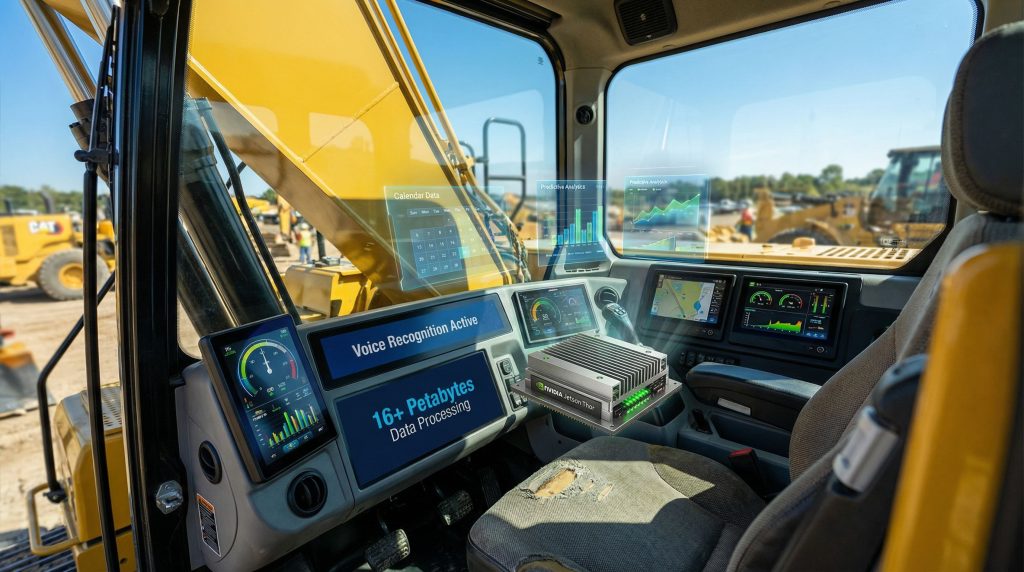
The Caterpillar AI Assistant leverages the company's Helios data platform, which integrates and manages more than 16 petabytes of information generated by millions of machines, dealers, and customers worldwide. This massive data infrastructure serves as the foundation for delivering context-aware insights across diverse operational scenarios.
Real-time data ingestion from global equipment networks enables the system to process operational information continuously, creating a comprehensive picture of equipment performance patterns. The platform's integration protocols span dealer networks and customer operations, ensuring consistent data flow regardless of geographic location or operational scale.
However, this extensive data collection and analysis capability demonstrates how AI in mining operations is transforming traditional approaches to equipment management. Consequently, operators can access sophisticated analytics previously available only to specialised technical teams.
When big ASX news breaks, our subscribers know first
What Technical Capabilities Define Modern Equipment AI Assistants?
Industrial AI assistants differ significantly from consumer-oriented chatbots through their integration with specialised equipment data, manufacturer expertise, and real-time operational metrics. These systems must process complex technical information while maintaining reliability in demanding industrial environments.
Multi-Modal Input Processing Systems
The Caterpillar AI Assistant supports both voice and text-based queries, enabling users to interact naturally without disrupting ongoing operations. Voice recognition technology designed for industrial environments must overcome challenges including ambient noise from heavy machinery, varying accents among international workforces, and technical terminology specific to construction and mining operations.
Advanced noise cancellation capabilities and industrial-grade audio processing ensure reliable voice input even in high-decibel environments typical of construction sites and mining operations. The system's natural language understanding capabilities extend beyond simple command recognition to interpret complex operational queries requiring contextual analysis.
Caterpillar's official announcement details how the AI assistant integrates seamlessly with existing equipment systems whilst providing enhanced user interfaces.
Edge Computing Implementation in Heavy Machinery
Modern industrial AI systems increasingly rely on edge computing architectures to reduce latency and ensure functionality in remote locations with limited connectivity. Local processing capabilities enable core diagnostic and operational functions to continue operating even when communication with central data centres is interrupted.
The balance between local and cloud-based processing represents a critical design consideration for equipment manufacturers. Essential safety functions and immediate operational feedback require edge processing, while comprehensive analytics and predictive maintenance algorithms benefit from cloud-based computational resources.
For instance, data-driven mining insights demonstrate how combining edge and cloud processing capabilities creates more robust operational intelligence systems.
How Do Different User Roles Benefit from Conversational Equipment Management?
The implementation of AI-driven equipment management systems creates value across multiple organisational levels, from individual operators to corporate fleet managers. Each user type experiences distinct benefits aligned with their specific operational responsibilities and information needs.
Fleet Management Optimisation Through AI Analytics
| User Type | Primary Functions | Key Metrics Tracked |
|---|---|---|
| Fleet Managers | Predictive maintenance scheduling | Equipment uptime, operational efficiency |
| Operations Directors | Multi-site coordination | Production metrics, resource allocation |
| Procurement Teams | Parts and service optimisation | Inventory management, supplier performance |
| Site Supervisors | Daily operational oversight | Safety compliance, productivity targets |
Fleet managers benefit from comprehensive visibility into equipment performance across distributed operations. The AI assistant enables proactive maintenance scheduling by analysing historical performance data and identifying patterns that indicate potential component failures before they occur.
This approach to maintenance scheduling connects directly with innovations like AI mill drive optimization, where predictive analytics enhance equipment performance across various industrial applications.
Technician Support and Knowledge Management Systems
For technical personnel, the Caterpillar AI Assistant functions as a digital reference partner providing rapid access to technical documentation and service knowledge. Technicians can receive step-by-step repair guidance, review common failure modes, and identify required parts through conversational queries rather than manual documentation searches.
This capability proves particularly valuable for standardising maintenance practices across workforces with varying experience levels. The system captures institutional knowledge from seasoned technicians and makes it accessible to newer team members, reducing diagnostic time and improving repair quality consistency.
The AI assistant helps bridge knowledge gaps in organisations facing ongoing labour shortages and skills gaps. By providing on-demand access to specialised expertise, less experienced workers can achieve proficiency more quickly whilst maintaining operational consistency across dispersed sites.
Operator Assistance and In-Cab Coaching Technologies
Equipment operators represent the primary interface between human expertise and machine capability. The AI assistant serves as an in-cab co-pilot delivering operational insights, safety reminders, and performance feedback without requiring operators to divert attention from primary tasks.
Real-time performance coaching helps operators optimise fuel efficiency, reduce equipment wear, and maintain safety protocols. The system provides contextual guidance based on specific operational conditions, equipment configuration, and job site requirements.
For mining and construction companies operating in remote locations, in-cab AI assistance becomes particularly valuable for maintaining operational standards when direct supervision is limited. The technology enables consistent performance coaching regardless of geographic isolation or local expertise availability.
What Operational Challenges Does AI-Driven Equipment Management Address?
Industrial operations face significant financial and operational risks when equipment failures disrupt production schedules. AI-driven management systems address these challenges through predictive capabilities, knowledge standardisation, and proactive maintenance strategies.
Unplanned Downtime Prevention Strategies
Equipment failures in industrial operations create cascading effects that extend far beyond immediate repair costs. Production delays, labour inefficiencies, and missed delivery deadlines compound the financial impact of unplanned maintenance events.
The Caterpillar AI Assistant monitors machine health continuously, flagging emerging maintenance issues and providing recommendations aimed at reducing unplanned downtime through predictive maintenance capabilities.
Predictive maintenance strategies enabled by AI analysis can shift maintenance philosophy from reactive repairs to proactive component replacement. This approach reduces the likelihood of catastrophic failures that require extensive repair periods and minimise operational disruptions.
The system analyses historical failure patterns, component wear rates, and operational stress factors to generate maintenance recommendations tailored to specific equipment configurations and usage patterns. This personalised approach optimises maintenance timing whilst minimising unnecessary interventions.
Skills Gap Mitigation in Heavy Industry Workforces
The heavy equipment industry faces significant workforce challenges as experienced operators and technicians approach retirement whilst fewer young workers enter industrial trades. AI assistants help bridge this knowledge gap by capturing and distributing institutional expertise.
Standardised training protocols delivered through conversational interfaces enable consistent skill development across distributed operations. New operators can access specialised knowledge on-demand rather than relying solely on local mentorship availability.
Remote expertise delivery becomes particularly critical for operations in isolated locations where experienced personnel may not be readily available. The AI assistant provides immediate access to troubleshooting guidance and operational best practices regardless of geographic constraints.
How Does Conversational AI Compare to Traditional Equipment Management Systems?
The transition from traditional multi-application interfaces to unified conversational systems represents a fundamental evolution in industrial technology adoption. This shift impacts user experience, operational efficiency, and organisational knowledge management practices.
Interface Evolution: From Dashboard Complexity to Natural Language
| Traditional Systems | AI Assistant Approach |
|---|---|
| Multiple application navigation | Single conversational interface |
| Manual data correlation | Automated insight synthesis |
| Reactive problem-solving | Proactive recommendation delivery |
| Static documentation | Dynamic, contextual guidance |
| Specialised training requirements | Natural language interaction |
Traditional equipment management requires users to navigate multiple software platforms, each with distinct interfaces and data presentation formats. This complexity creates learning barriers and reduces operational efficiency as users spend significant time switching between applications to gather comprehensive information.
Conversational AI eliminates interface complexity by providing a unified access point for all equipment-related information. Users can request specific data, troubleshooting guidance, or operational recommendations through natural language queries rather than navigating complex menu structures.
The shift from reactive to proactive information delivery represents another significant advantage. Traditional systems require users to actively seek information, whilst AI assistants can proactively alert operators to emerging issues or optimisation opportunities based on continuous monitoring.
Implementation Timeline and Validation Processes
The Caterpillar AI Assistant deployment follows a phased approach beginning with off-board applications in Q1 2026, followed by in-cab equipment applications currently in final validation stages. This staged implementation allows for comprehensive testing and refinement before full operational deployment.
Validation protocols for in-cab systems require extensive safety testing to ensure AI recommendations do not compromise operator safety or equipment integrity. The validation process must account for diverse operational environments, equipment configurations, and user interaction patterns.
Customer feedback integration during pilot phases enables continuous system refinement based on real-world usage patterns and operational requirements. This iterative approach ensures the final system delivers practical value aligned with customer needs.
What Does the Future Hold for AI-Integrated Heavy Equipment?
The integration of artificial intelligence into heavy equipment operations signals broader transformation across industrial sectors. These technological advances will reshape competitive dynamics, customer expectations, and operational methodologies throughout the industry.
Industry-Wide Digital Transformation Implications
Caterpillar CEO Joe Creed emphasised that technology acceleration expands the company's ability to meet customer needs by connecting digital insights with machine expertise to deliver solutions for critical operational tasks. This strategic focus reflects industry-wide recognition of digital transformation necessity.
The competitive landscape will likely shift as equipment manufacturers develop differentiated AI capabilities. Companies that successfully integrate advanced digital services with traditional mechanical expertise may gain significant competitive advantages in customer retention and new market penetration.
Customer expectations will continue evolving toward integrated digital services rather than standalone equipment purchases. The success of AI assistants may establish new industry standards for equipment intelligence and operational support capabilities.
Furthermore, events like the mining innovation expo showcase how industry leaders are prioritising technological advancement and collaborative innovation.
Scalability Considerations for Global Operations
Global deployment of AI systems requires careful consideration of regional regulations, language requirements, and cultural preferences. The Caterpillar AI Assistant must accommodate diverse operational environments whilst maintaining consistent functionality and user experience.
Multi-language support development will prioritise markets with significant equipment populations and operational complexity. Regional compliance requirements including data sovereignty and privacy regulations will influence deployment strategies and system architecture decisions.
Integration capabilities with existing fleet management systems become critical for large-scale adoption. The AI assistant must complement rather than replace established operational workflows whilst providing enhanced capabilities and insights.
The next major ASX story will hit our subscribers first
FAQ: Understanding Caterpillar's AI Assistant Implementation
What makes this AI assistant different from generic chatbots?
The Caterpillar AI Assistant leverages proprietary equipment data, decades of manufacturer expertise, and real-time operational information rather than general knowledge databases. This specialisation enables context-aware responses specific to equipment performance, maintenance requirements, and operational optimisation.
How does voice recognition work in noisy industrial environments?
Advanced noise cancellation and industrial-grade audio processing enable reliable voice input even in high-decibel construction and mining environments. The system distinguishes between operator commands and ambient industrial noise through specialised acoustic filtering and pattern recognition algorithms.
According to industry reports, this technology represents a significant breakthrough in industrial AI applications.
Can the AI assistant work offline in remote locations?
Edge computing capabilities allow core diagnostic and operational functions to operate without continuous connectivity. Essential features remain available during communication interruptions, with comprehensive data synchronisation occurring when connections are restored.
What data privacy measures protect operational information?
Enterprise-grade encryption and customer-controlled data sharing ensure sensitive operational metrics remain secure within organisational boundaries. Data sovereignty requirements are addressed through regional processing and storage configurations aligned with local regulations.
How does the system handle different levels of user expertise?
The conversational interface adapts responses based on user roles and experience levels. Technicians receive detailed technical guidance whilst operators receive actionable insights focused on immediate operational needs. This personalisation ensures appropriate information delivery without overwhelming users with irrelevant details.
What industries beyond construction and mining can benefit from this technology?
Whilst initially focused on construction and mining applications, the underlying AI architecture and conversational interface concepts apply to any industry utilising complex heavy equipment. Agriculture, forestry, and materials handling operations represent potential expansion opportunities for similar AI assistant implementations.
Disclaimer: The information presented in this article is based on publicly available sources and industry analysis. Technology specifications and implementation timelines may change based on ongoing development and validation processes. Readers should consult official Caterpillar documentation for the most current information regarding the AI Assistant capabilities and deployment schedule.
Ready to Capitalise on Mining Technology Innovations?
Discovery Alert's proprietary Discovery IQ model delivers real-time notifications on significant ASX mineral discoveries, including companies pioneering cutting-edge mining technologies like AI integration and operational optimisation. Begin your 30-day free trial today and discover why major mineral discoveries can generate substantial returns for early investors.