May 22, 2026
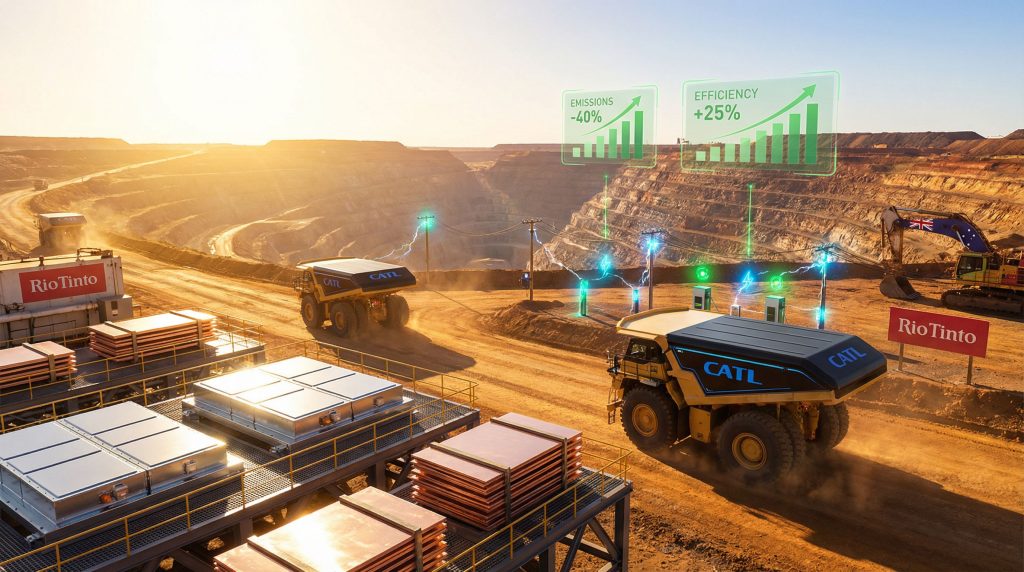
Industrial battery technology has emerged as a critical catalyst in reshaping energy-intensive operations across multiple sectors. While electric vehicle adoption captures headlines, the integration of advanced battery systems into heavy industrial applications represents a potentially more transformative shift. Mining operations, which traditionally rely on diesel-powered equipment for extraction and transportation, face mounting pressure to reduce emissions while maintaining operational efficiency. This convergence of technological capability and environmental necessity creates unprecedented opportunities for strategic partnerships between mining giants and battery manufacturers, as demonstrated by the recent Rio Tinto and CATL electric mining collaboration.
What Does the Rio Tinto-CATL Strategic Alliance Mean for Mining's Future?
Breaking Down the March 2026 Memorandum of Understanding
The recent memorandum of understanding between Rio Tinto and CATL establishes a comprehensive framework spanning three critical areas of cooperation. The partnership encompasses electrification strategy development and innovation, supply chain optimization and circular economy initiatives, and business cooperation mechanisms designed to accelerate the deployment of electric mining technologies.
Implementation timelines for this collaboration indicate a phased approach across Rio Tinto's global operations. Initial pilot programs will focus on specific mine sites where electric vehicle integration can demonstrate measurable performance improvements. The strategic positioning within the broader mining industry evolution suggests that early adopters of battery-electric mining equipment may gain significant competitive advantages.
Key components of the partnership framework include:
• Technology development for mining-specific battery applications
• Infrastructure planning for charging and energy management systems
• Equipment integration protocols for existing fleet conversion
• Performance monitoring and optimization strategies
• Circular economy initiatives for battery material recovery
Why This Partnership Matters Beyond Carbon Reduction
The operational efficiency gains from electric fleet integration extend far beyond environmental compliance. Battery-electric mining vehicles deliver superior torque characteristics compared to diesel engines, potentially improving hauling capacity and cycle times. The instant power delivery of electric motors enables more precise control during loading operations, reducing equipment wear and material spillage.
Cost structure implications for large-scale mining operations could prove substantial over time. While initial capital investments remain significant, the reduced complexity of electric drivetrains typically results in lower maintenance requirements. Electric mining vehicles contain approximately 80% fewer moving parts than their diesel counterparts, potentially reducing scheduled maintenance intervals and unplanned downtime.
The competitive advantages in ESG-focused investment landscapes have become increasingly critical for mining companies seeking capital market access. Institutional investors allocate growing portions of their portfolios based on environmental criteria, making electrification initiatives essential for maintaining favorable financing conditions.
When big ASX news breaks, our subscribers know first
How Will Battery Technology Integration Reshape Mining Operations?
CATL's Battery Solutions for Heavy Mining Equipment
Contemporary Amperex Technology has developed specialised battery systems designed specifically for mining applications. These industrial-grade battery packs must withstand extreme temperature variations, dust exposure, and mechanical vibration while delivering consistent power output for extended operational periods.
The technical specifications for mining-grade battery systems differ significantly from automotive applications. Mining operations require battery systems capable of supporting vehicles weighing up to 400 tons with payload capacities exceeding 300 tons. The energy density requirements for these applications demand battery packs weighing several tons while maintaining operational efficiency.
Furthermore, the development of sustainable EV battery recycling processes has become integral to this partnership. The collaboration aims to create closed-loop systems that maximise battery material recovery and minimise waste.
| Performance Metric | Electric Mining Equipment | Diesel Mining Equipment |
|---|---|---|
| Torque Delivery | Instantaneous maximum torque | Gradual torque buildup |
| Noise Levels | Significantly reduced | High decibel operation |
| Maintenance Frequency | Reduced scheduled intervals | Regular fluid changes required |
| Fuel/Energy Costs | Variable based on electricity rates | Dependent on diesel prices |
| Operational Temperature Range | Limited by battery performance | Wider temperature tolerance |
Integration challenges for existing fleet infrastructure include power distribution system upgrades, charging station installation, and operator training requirements. Mine sites must evaluate their electrical grid capacity to support multiple large-scale charging operations simultaneously.
Operational Transformation Scenarios
The transition to electric mining operations follows a structured implementation approach across three distinct phases. Each phase addresses specific technical and operational challenges while building toward comprehensive fleet electrification.
Phase 1: Pilot Programs and Testing Protocols
Initial testing focuses on specific vehicle types and operational environments. Underground mining operations often serve as ideal testing grounds due to their controlled environments and existing electrical infrastructure. Surface mining pilot programs typically begin with smaller hauling vehicles before progressing to larger dump trucks.
Testing protocols evaluate battery performance under varying load conditions, ambient temperatures, and operational cycles. Data collection during pilot phases informs optimisation strategies for larger-scale implementations. In addition, recent developments in battery recycling breakthrough technologies provide valuable insights for long-term sustainability planning.
Phase 2: Fleet Conversion Strategies and Timelines
Fleet conversion strategies prioritise vehicles with predictable operational patterns and established charging infrastructure. Haul trucks operating on fixed routes between extraction points and processing facilities represent prime candidates for electrification. The conversion timeline typically spans 3-5 years for complete fleet transformation at individual mine sites.
Conversion planning must account for equipment lifecycle considerations. Mining companies often coordinate electrification initiatives with scheduled equipment replacements to optimise capital allocation.
Phase 3: Full-Scale Electrification Implementation
Comprehensive electrification encompasses all mobile mining equipment, from drilling rigs to support vehicles. This phase requires sophisticated energy management systems capable of coordinating charging schedules across entire fleets. Advanced analytics platforms optimise charging timing based on operational demands, electricity pricing, and grid capacity constraints.
What Are the Economic Implications of Mining Electrification?
Capital Investment Requirements and ROI Projections
The capital investment requirements for mining electrification extend beyond vehicle acquisition costs. Infrastructure development represents a substantial portion of initial expenditures, including electrical grid upgrades, charging station installation, and energy management systems.
Charging infrastructure costs vary significantly based on mine site characteristics and existing electrical capacity. Underground operations may require extensive electrical distribution system modifications, while surface operations need high-capacity charging stations capable of supporting 300-500 kWh battery packs.
Return on investment projections depend heavily on diesel fuel price assumptions and electricity cost structures. Mining operations in regions with low-cost renewable electricity may achieve payback periods as short as 4-6 years. Operations dependent on expensive imported diesel fuel could realise even shorter payback periods.
"The transition to electric mining operations requires careful financial planning that considers both immediate capital requirements and long-term operational savings across multiple cost categories."
Long-term operational savings encompass multiple cost categories beyond fuel expenses. Reduced maintenance requirements for electric drivetrains can decrease annual maintenance costs by 20-30% compared to diesel equipment. Lower noise levels from electric operations may enable extended operating hours in noise-sensitive areas, increasing productive capacity.
Supply Chain Economics and Circular Economy Benefits
Battery material recycling revenue streams create additional value propositions for mining companies adopting electric technologies. End-of-life battery packs contain valuable materials including lithium, cobalt, and nickel that can be recovered and reprocessed. CATL's involvement in the partnership brings expertise in battery recycling technologies and established recovery networks.
Critical mineral value chain optimisation becomes particularly relevant for mining companies like Rio Tinto that produce battery materials. Direct integration between mining operations and battery manufacturing could reduce transportation costs and improve supply chain efficiency. However, the success of such integration depends on the development of battery-grade lithium refinery capabilities in strategic locations.
Cost reduction opportunities through integrated supply chain management include:
• Reduced material transportation expenses
• Streamlined quality control processes
• Optimised inventory management
• Enhanced supply chain visibility
• Accelerated innovation cycles
How Does This Partnership Address Global Decarbonisation Goals?
Emissions Reduction Potential Across Rio Tinto's Portfolio
Current diesel operations at mining sites typically account for 20-25% of total site emissions, representing a significant opportunity for carbon footprint reduction. The emissions intensity of diesel-powered mining equipment varies by operation type, with surface mining generally producing higher per-ton emissions than underground operations.
Projected reduction scenarios with full electrification depend on the carbon intensity of grid electricity used for charging. Mining operations powered by renewable electricity could achieve near-zero direct emissions from mobile equipment. Even operations using conventional grid power typically reduce emissions by 40-60% compared to diesel alternatives.
Timeline projections for achieving net-zero mining operations vary by company and operational complexity. Rio Tinto has established carbon neutrality targets that encompass both direct operational emissions and scope 3 emissions from product use. Electric fleet adoption represents a critical component of their comprehensive energy transition strategy.
Industry-Wide Implications for ESG Compliance
Regulatory pressure driving electrification adoption continues to intensify across major mining jurisdictions. European Union regulations increasingly restrict high-emission industrial operations, while jurisdictions like California implement stringent air quality standards affecting mining activities. These regulatory trends create compliance imperatives that extend beyond voluntary sustainability commitments.
Investor expectations for sustainable mining practices have evolved from optional initiatives to mandatory requirements for capital allocation. Major institutional investors now screen potential investments based on environmental performance metrics, including fleet electrification progress. Mining companies failing to demonstrate electrification roadmaps may face restricted access to capital markets.
Competitive positioning advantages for early adopters include enhanced access to ESG-focused investment capital, improved stakeholder relationships, and potential premium pricing for sustainably produced materials. Some downstream customers now specify low-carbon sourcing requirements for raw materials, creating market incentives for electrified operations.
What Challenges Could Slow Implementation of Electric Mining?
Technical and Infrastructure Barriers
Power grid capacity requirements for large-scale mining operations present significant infrastructure challenges. A fully electrified mining operation may require electrical capacity equivalent to a small city, particularly for operations running multiple 400-ton haul trucks simultaneously. Grid upgrades in remote mining locations can require substantial lead times and capital investments.
Battery performance in extreme mining environments remains a critical consideration. Mining operations often occur in locations with extreme temperature variations, from arctic conditions to desert environments. Battery performance degrades significantly in very cold conditions, while excessive heat can reduce battery lifespan and safety margins.
Equipment reliability and downtime considerations become more complex with electric systems. While electric drivetrains generally offer superior reliability, battery failures can result in extended downtime if replacement batteries are not immediately available. Mining operations require contingency planning for battery system failures to maintain operational continuity.
Financial and Market Risk Factors
Technology adoption costs extend beyond initial equipment purchases to include operator training, maintenance facility modifications, and spare parts inventory management. The specialised nature of mining-grade battery systems may result in higher replacement costs and longer lead times compared to diesel engine components.
Market volatility affecting investment decisions includes fluctuations in electricity prices, diesel fuel costs, and battery raw material prices. Mining companies must model various price scenarios when evaluating electrification investments. Lithium and cobalt price volatility directly impacts battery replacement costs over equipment lifecycles.
Regulatory uncertainty impacting long-term planning encompasses potential changes to environmental regulations, tax incentives for electric vehicles, and grid connection requirements. Mining companies typically plan equipment investments over 10-15 year horizons, requiring confidence in regulatory stability for electrification initiatives.
How Will This Partnership Influence Global Mining Investment Strategies?
Strategic Positioning for Critical Mineral Demand
Electric vehicle market growth drives unprecedented demand for battery materials including lithium, nickel, and cobalt. Global electric vehicle sales projections suggest 10-fold growth over the next decade, creating substantial market opportunities for mining companies producing these materials. Rio Tinto's diversified portfolio includes significant exposure to battery materials through its lithium and copper operations.
The partnership with CATL provides Rio Tinto with enhanced visibility into battery technology trends and material specifications. This market intelligence enables more informed investment decisions for resource development projects targeting battery material markets. Understanding evolving battery chemistry preferences helps optimise mining investment priorities.
CATL's expansion into industrial applications beyond automotive markets creates new revenue opportunities for battery manufacturers. Mining applications represent a substantial market opportunity due to the large battery pack sizes required and the predictable replacement cycles. Industrial battery applications often offer superior profit margins compared to automotive markets.
Competitive Landscape Analysis
Major mining companies worldwide are developing electrification strategies to maintain competitive positions. Companies like Freeport-McMoRan and Anglo American have announced significant electric fleet initiatives. The pace of industry adoption will likely accelerate as successful implementations demonstrate operational and financial benefits.
Technology partnerships across the industry are becoming increasingly common as mining companies lack internal battery development capabilities. These partnerships often involve technology sharing agreements, joint development projects, and long-term supply commitments. Strategic partnerships provide mining companies with access to rapidly evolving battery technologies.
Market share implications for battery technology providers depend on their ability to develop mining-specific solutions. Automotive-focused battery manufacturers must adapt their technologies for industrial applications with different performance requirements and operating environments. Companies like CATL that successfully transition to industrial markets may capture substantial market share in this emerging segment.
The next major ASX story will hit our subscribers first
What Does Success Look Like for Mining Electrification?
Key Performance Indicators and Milestones
Operational efficiency metrics for electric versus conventional equipment encompass multiple performance dimensions. Productivity measurements include tons moved per hour, fuel/energy consumption per ton, and equipment availability percentages. Electric equipment typically demonstrates superior performance in controlled environments but may face challenges in extreme operating conditions.
Environmental impact measurements require comprehensive lifecycle assessments that include battery production emissions, grid electricity carbon intensity, and end-of-life recycling impacts. Standardised reporting frameworks help stakeholders compare environmental performance across different electrification strategies.
Financial performance indicators for electrified operations include:
• Operating cost per ton of material moved
• Equipment lifecycle costs including acquisition, maintenance, and disposal
• Energy cost stability compared to volatile diesel pricing
• Capital return metrics for electrification investments
• ESG performance scoring improvements
Long-term Industry Transformation Scenarios
Industry-wide adoption timelines for electric mining vary significantly by equipment type and operational environment. Underground mining operations may achieve substantial electrification within 5-10 years due to their controlled environments and existing electrical infrastructure. Surface mining electrification may require 10-15 years for comprehensive adoption due to infrastructure requirements and battery technology development needs.
Technology standardisation potential across operators could accelerate adoption rates and reduce costs. Industry-standard charging interfaces, battery form factors, and safety protocols would enable greater supplier competition and interoperability. Standardisation efforts often emerge as technology adoption reaches critical mass.
Integration with renewable energy infrastructure development creates opportunities for mining operations to achieve complete carbon neutrality. Solar and wind installations at mine sites can provide clean electricity for vehicle charging while reducing grid dependency. Energy storage systems using mining operation batteries could optimise renewable energy utilisation and grid stability.
Frequently Asked Questions About Mining Electrification
Implementation Timeline and Feasibility
Full electrification across Rio Tinto's global operations will likely require 8-12 years based on equipment replacement cycles and infrastructure development timelines. The complexity of this transformation depends on mine-specific factors including electrical grid capacity, operational requirements, and local regulatory frameworks.
Technical requirements for converting existing mining equipment vary by vehicle type and manufacturer. Some diesel vehicles can be retrofitted with electric drivetrains, while others require complete replacement. Retrofit options may offer cost advantages but typically deliver inferior performance compared to purpose-built electric vehicles.
Operational cost impacts from electrification depend heavily on local electricity pricing and diesel fuel costs. Mining operations in regions with expensive imported fuel often realise immediate operational savings from electrification. Operations with access to low-cost diesel may require longer payback periods to justify electrification investments.
Investment and Market Impact
Implications for Rio Tinto shareholders include potential near-term capital expenditure increases offset by long-term operational cost reductions. Successful electrification implementation could enhance the company's ESG credentials and improve access to sustainability-focused investment capital. Share price impacts typically depend on investor confidence in the technology transition timeline and financial returns.
Battery material price impacts from widespread mining electrification could create both opportunities and challenges. Increased demand for lithium, nickel, and cobalt may drive higher commodity prices, benefiting mining companies producing these materials. However, supply constraints could increase battery replacement costs for mining operations.
Competitive implications for other mining companies include pressure to develop comparable electrification strategies. Early adopters may gain temporary advantages in ESG-focused markets, while late adopters risk competitive disadvantages in sustainability-sensitive customer segments. Consequently, the Rio Tinto CATL partnership represents a strategic benchmark for industry transformation.
Strategic Outlook for Sustainable Mining Operations
Industry Leadership and Innovation Potential
Rio Tinto's positioning as an electrification pioneer could establish the company as a technology leader in sustainable mining practices. Successful implementation of large-scale mining electrification would demonstrate the feasibility of this technology transition to the broader industry. Technology leadership often creates opportunities for intellectual property development and licensing revenue streams.
CATL's expansion beyond automotive battery markets represents a strategic diversification that could reduce dependence on volatile automotive demand cycles. Industrial battery applications often offer more stable demand patterns and longer-term customer relationships compared to automotive markets. Success in mining applications could enable expansion into other industrial sectors.
The demonstration effect for global mining industry adoption could accelerate technology development and cost reductions through increased scale. Successful large-scale implementations often trigger rapid industry adoption as companies seek to maintain competitive parity. This acceleration effect could compress electrification timelines across the industry.
Future Collaboration Opportunities
Expanded partnership scope between Rio Tinto and CATL could encompass additional sustainability initiatives including renewable energy integration, battery recycling optimisation, and carbon capture technologies. Deeper collaboration often creates synergies that benefit both partners through shared expertise and resources.
Integration with other sustainability initiatives may include coordination with renewable energy development, circular economy programmes, and carbon offset strategies. Comprehensive sustainability approaches often deliver superior results compared to isolated initiatives by creating reinforcing benefits across multiple environmental dimensions.
Technology development roadmaps for advanced mining applications could include autonomous electric vehicles, AI-optimised energy management, and predictive maintenance systems. The convergence of electrification with digital technologies creates opportunities for operational improvements that extend beyond environmental benefits. Furthermore, this Rio Tinto and CATL electric mining collaboration establishes a foundation for future innovation in sustainable industrial operations.
Disclaimer: This analysis contains forward-looking statements regarding mining electrification timelines, costs, and performance projections. Actual results may vary significantly based on technology development, market conditions, regulatory changes, and company-specific factors. Investment decisions should consider multiple sources and professional analysis.
Want to Invest in the Next Mining Technology Revolution?
Discovery Alert's proprietary Discovery IQ model delivers real-time alerts on significant ASX mining and technology discoveries, empowering you to identify breakthrough opportunities like electric mining partnerships before the broader market reacts. Don't miss the next major mineral or technology discovery that could transform industrial operations — explore Discovery Alert's historic success stories and begin your 14-day free trial today to position yourself ahead of the market.