May 14, 2026
Industrial Metals Market Dynamics Shape Production Leadership
India's metals manufacturing landscape continues evolving through strategic capacity expansions and operational excellence initiatives. The aluminium sector, representing a cornerstone of industrial infrastructure development, demonstrates how integrated production systems can achieve sustained growth through technological advancement and supply chain optimization. Furthermore, market leaders implementing comprehensive production strategies across multiple facilities often establish competitive advantages through economies of scale and vertical integration benefits.
These developments align with broader industry evolution trends that emphasise operational efficiency and strategic positioning within competitive markets.
When big ASX news breaks, our subscribers know first
Strategic Capacity Expansion Through Technological Integration
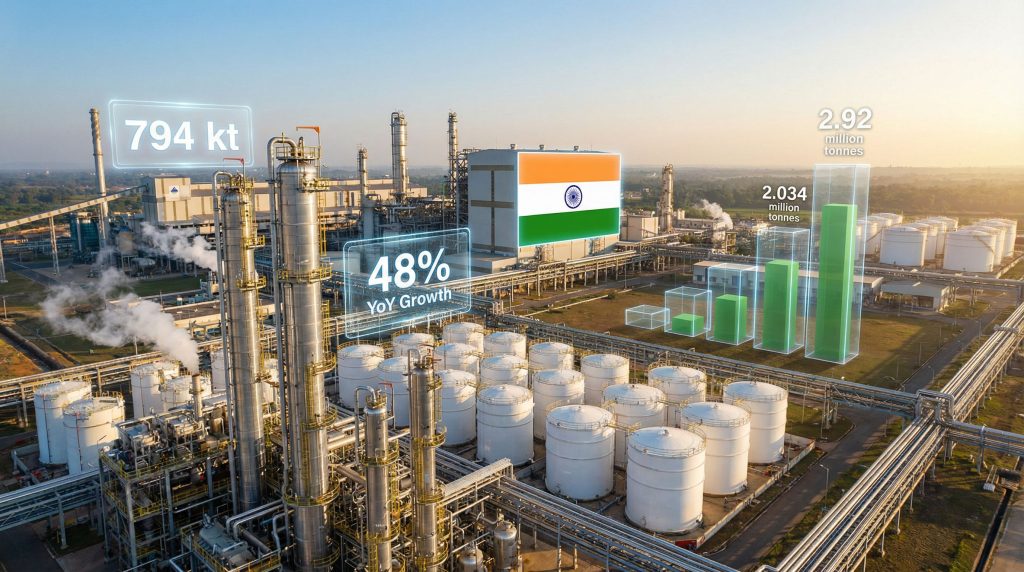
Vedanta's alumina and aluminium output 2026 performance illustrates how systematic capacity enhancement drives market leadership in India's metals sector. The company achieved 2.92 million tonnes of alumina production for FY26, representing a substantial 48 percent increase from the previous year. This expansion demonstrates the effectiveness of integrated refinery operations and technological upgrades in maximising production throughput.
The alumina production surge occurred alongside more modest aluminium growth, with output reaching 2.46 million tonnes, marking a 1 percent year-over-year increase. This divergent growth pattern reflects the distinct operational dynamics between alumina refining and primary aluminium smelting processes, where alumina serves as a critical input material for downstream aluminium production.
Quarterly performance metrics revealed:
• Q3 2026 alumina production: 794,000 tonnes
• Nine-month cumulative alumina output: 2.034 million tonnes
• Record-setting annual performance across both production segments
• Sustained operational reliability throughout the fiscal year
The production acceleration reflects systematic improvements in processing efficiency and raw material utilisation. Enhanced ore quality management and optimised refinery operations contributed to the dramatic alumina output expansion, positioning the company for continued growth in subsequent periods.
Multi-Site Production Coordination Strategies
Modern aluminium production requires sophisticated coordination across multiple manufacturing facilities to maintain consistent output levels and optimise resource allocation. Integrated production systems leverage economies of scale whilst managing operational complexity through standardised processes and technology platforms.
Moreover, technology integration advances are revolutionising how companies manage multi-site operations through enhanced automation and process control systems.
The dual-facility approach enables production risk distribution and operational flexibility. When individual sites experience maintenance requirements or temporary capacity constraints, alternative facilities can maintain overall output stability. This operational redundancy proves particularly valuable in capital-intensive industries where production interruptions generate significant financial impact.
Key operational advantages include:
• Risk diversification across geographic locations
• Resource optimisation through shared expertise and technology
• Supply chain resilience via multiple production nodes
• Maintenance scheduling flexibility without total production shutdown
Production consistency emerges from standardised operational procedures, regular maintenance protocols, and continuous process improvement initiatives. The relatively modest 1 percent growth in aluminium output, compared to the dramatic alumina expansion, suggests mature operational systems operating near capacity limits whilst alumina operations scaled through new capacity additions.
Market Positioning Within India's Industrial Framework
India's aluminium industry operates within a complex framework of domestic demand growth, infrastructure development requirements, and global commodity price fluctuations. The country's expanding manufacturing sector, urbanisation trends, and renewable energy infrastructure development drive sustained aluminium consumption growth.
| Production Segment | Annual Output | Growth Rate | Strategic Significance |
|---|---|---|---|
| Alumina Production | 2.92 million tonnes | +48% YoY | Critical input material supply |
| Aluminium Output | 2.46 million tonnes | +1% YoY | Primary metals production |
| Market Position | Dominant domestic share | Stable expansion | Strategic industry leadership |
Within India's approximate 4.5 million tonnes annual aluminium capacity, leading producers command significant market influence through integrated operations and established supply relationships. This market structure enables sustained profitability through economies of scale and reduced dependence on external suppliers for critical input materials.
The integrated alumina-aluminium production model provides strategic advantages in volatile commodity markets. Self-sufficient alumina supply reduces exposure to global alumina pricing fluctuations whilst ensuring consistent feedstock quality for aluminium smelting operations. In addition, data-driven production methods enable optimised resource allocation and enhanced operational efficiency.
Financial Performance Implications and Investment Returns
Production record achievements translate into enhanced financial performance through operational leverage and improved asset utilisation. The substantial alumina production increase demonstrates how capacity expansion investments generate measurable returns through increased output volumes and enhanced market positioning.
According to Vedanta's quarterly production report, the company continues to demonstrate strong operational performance across multiple business segments.
Financial performance drivers include:
• Operational leverage benefits from increased production volumes
• Vertical integration advantages reducing external input dependencies
• Cost structure optimisation through enhanced efficiency metrics
• Market position strengthening via increased domestic supply capacity
The capital investment required for Train II commissioning and related infrastructure improvements represents long-term strategic positioning rather than short-term operational expenditure. These investments enable sustained production growth and competitive positioning in India's expanding metals market.
Disclaimer: Financial projections and investment returns depend on commodity price movements, operational efficiency maintenance, and market demand conditions. Past performance does not guarantee future results.
Cross-Business Operational Excellence and Portfolio Synergies
Diversified metals producers achieve operational synergies through shared infrastructure, technical expertise, and supply chain coordination across multiple commodity segments. Vedanta's integrated portfolio demonstrates how multi-metal operations support aluminium production growth through operational excellence initiatives.
Supporting production metrics across the portfolio:
• Zinc India operations: 1.11 million tonnes mined metal (+2% YoY growth)
• Refined zinc production: 851,000 tonnes annually (record performance)
• Pig iron output: 895,000 tonnes (+10% annual growth)
• Copper cathode production: 170,000 tonnes (+15% growth rate)
• Ferrochrome manufacturing: 101,000 tonnes (+21% expansion)
• Silver production: 627 tonnes (+11% Q4 quarterly growth)
These cross-business achievements reflect systematic operational improvements and enhanced resource utilisation across the integrated production platform. Better ore quality management and improved raw material availability contributed to record performance levels across multiple segments.
| Business Segment | 2026 Output | Growth Rate | Operational Significance |
|---|---|---|---|
| Zinc Operations | 1.11 million tonnes | +2% YoY | Mining expertise application |
| Refined Zinc | 851,000 tonnes | Record levels | Processing efficiency |
| Pig Iron | 895,000 tonnes | +10% YoY | Raw material supply support |
| Copper Cathode | 170,000 tonnes | +15% YoY | Portfolio diversification |
The power generation segment contributed operational stability through the Athena facility (600 MW) operating at 88% capacity during Q4. Reliable power supply represents a critical input for energy-intensive aluminium smelting operations, where electricity costs constitute a substantial portion of total production expenses.
The next major ASX story will hit our subscribers first
What Are the Environmental Considerations for Sustainable Production?
Sustained production growth requires comprehensive environmental management addressing carbon emissions, resource utilisation, and waste reduction. The sustainability transformation underway in the mining sector emphasises responsible production practices alongside operational excellence.
Environmental compliance requirements for expanded operations include emission control systems, water management protocols, and waste minimisation strategies. These considerations become increasingly important as production volumes increase and regulatory frameworks evolve.
Operational Risk Management and Performance Sustainability
Sustained production growth requires comprehensive risk management addressing commodity price volatility, raw material supply disruptions, and operational efficiency maintenance. The zinc international operations experienced output variations due to lower ore grades, illustrating how geological factors influence production consistency.
Primary operational challenges include:
• Ore quality variations affecting processing efficiency and output rates
• Raw material supply chain dependency on external suppliers and logistics
• Energy cost management in electricity-intensive production processes
• Environmental compliance requirements for expanded operations
• Equipment maintenance scheduling balancing production continuity with asset preservation
The oil and gas segment experienced production decline with average daily production falling 16 percent due to reduced output from key fields. This demonstrates how individual business segments face distinct operational challenges requiring specialised management approaches within diversified commodity portfolios.
Risk Management Focus: Successful metals producers implement comprehensive risk management frameworks addressing commodity price exposure, operational efficiency maintenance, and supply chain resilience to sustain long-term production growth.
How Does Technology Integration Optimise Production Processes?
Modern alumina and aluminium production relies heavily on technological advancement and process optimisation to achieve operational excellence. Enhanced ore quality processing and improved equipment reliability contribute to sustained production increases and cost competitiveness.
Continuous process improvement initiatives focus on energy efficiency optimisation, waste reduction, and production yield enhancement. These technological improvements enable existing facilities to achieve higher output levels without proportional increases in operating costs or environmental impact.
Technological advancement areas include:
• Automated process control systems improving production consistency
• Energy efficiency optimisation reducing electricity consumption per unit output
• Predictive maintenance technologies minimising unplanned production interruptions
• Raw material handling improvements enhancing ore processing efficiency
• Environmental management systems ensuring compliance whilst maximising throughput
Furthermore, CNBC TV18 reports highlight how technological innovations contribute to record-breaking production achievements across multiple segments.
Strategic Market Development and Future Growth Prospects
India's expanding infrastructure development, manufacturing sector growth, and urbanisation trends support sustained aluminium demand expansion. The construction, automotive, and renewable energy sectors represent primary consumption drivers requiring reliable domestic supply capacity.
Strategic positioning within India's aluminium value chain enables participation in long-term demand growth whilst reducing dependence on imported materials. Domestic production capacity expansion supports national economic objectives related to manufacturing self-sufficiency and industrial development. Additionally, green metals leadership initiatives are reshaping how companies approach sustainable production.
Market development opportunities include:
• Downstream processing expansion into value-added aluminium products
• Export market development leveraging competitive production costs
• Technology partnerships for next-generation production efficiency
• Capacity expansion projects meeting growing domestic demand
• Supply chain integration reducing external dependencies
The integrated alumina-aluminium production model positions companies advantageously for sustained growth through self-sufficient input material supply and reduced exposure to global commodity price volatility. This strategic approach enables long-term planning and capital investment optimisation.
However, the impressive performance metrics for Vedanta alumina and aluminium output 2026 demonstrate how strategic capacity expansion and operational excellence initiatives translate into measurable production achievements. Consequently, these results position the company favorably for continued market leadership in India's evolving metals sector.
Disclaimer: Future market conditions, commodity prices, and demand patterns may differ from current projections. Investment decisions should consider comprehensive risk assessment and independent financial analysis.
Could Your Portfolio Benefit from Emerging Mining Investment Opportunities?
India's remarkable aluminium production surge demonstrates how strategic capacity expansion can drive substantial market returns in the metals sector. Discovery Alert's proprietary Discovery IQ model delivers real-time alerts on significant ASX mineral discoveries, instantly empowering subscribers to identify actionable opportunities ahead of the broader market. Begin your 14-day free trial today to position yourself ahead of the market and capitalise on similar transformative discoveries as they're announced.