July 10, 2026
Understanding Industrial Mining Transformation Through Advanced Technology Systems
Modern resource extraction operations require sophisticated technological frameworks to address escalating global demand while maintaining operational viability. The convergence of artificial intelligence, autonomous machinery, and sensor-driven monitoring systems creates new paradigms for extracting critical materials from complex geological formations. This technological evolution represents a fundamental shift from traditional labor-intensive methods toward intelligent, data-driven operations that optimise both resource recovery and operational sustainability.
The integration of automation in mining encompasses multiple interconnected technologies working in concert to transform every aspect of extraction operations. These systems utilise advanced robotics, machine learning algorithms, Internet of Things sensors, and autonomous vehicle fleets to create seamless operational workflows. The distinction between partial automation and fully autonomous systems lies in the degree of human intervention required for operational decision-making and system oversight.
Industrial mining operations face unprecedented pressure to balance resource extraction demands with environmental stewardship and workforce safety requirements. Traditional extraction methods often expose personnel to hazardous working conditions while limiting operational efficiency through human-dependent processes. Advanced technological solutions address these challenges by removing human operators from dangerous environments while simultaneously improving extraction precision and resource recovery rates.
When big ASX news breaks, our subscribers know first
Core Technologies Reshaping Resource Extraction Operations
Autonomous Vehicle Systems and Fleet Management
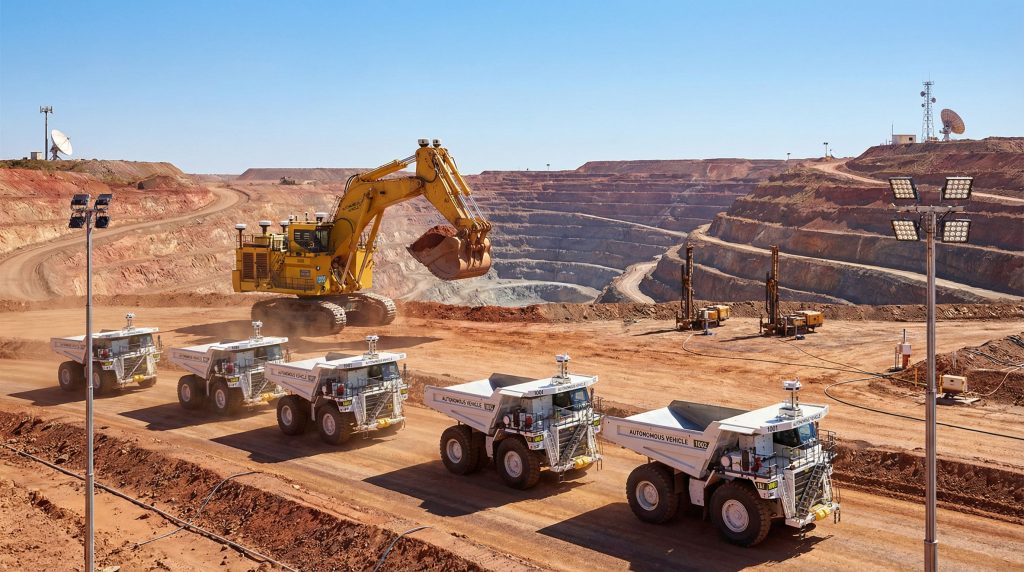
Autonomous haulage systems represent the most visible transformation in modern mining operations. These massive self-driving trucks navigate complex road networks within open-pit operations using high-precision GPS, LiDAR technology, and sensor networks for continuous communication with centralised control systems. The vehicles operate continuously without shift limitations, optimising route planning and scheduling through AI-driven algorithms.
Fleet coordination systems enable synchronised material movement from extraction points to processing facilities. These systems analyse real-time operational data to optimise vehicle deployment, minimise idle time, and maximise tonnage throughput. Advanced sensor integration allows vehicles to communicate with each other and central control systems, creating a choreographed extraction cycle that operates with surgical precision.
The technology extends beyond simple transport functions to include automated loading and excavation systems. Robotic loaders and excavators work in concert with haul trucks, creating highly efficient extraction cycles guided by detailed geological models and real-time operational feedback.
Artificial Intelligence Applications in Mineral Processing
Machine learning algorithms transform vast data streams into actionable operational insights throughout the mining value chain. Furthermore, these systems analyse diverse datasets including satellite imagery, seismic surveys, and geochemical samples to identify subtle patterns indicating high-grade ore body presence. This capability enables more targeted exploration programs and optimised resource allocation.
Predictive maintenance represents a critical AI application where algorithms monitor equipment health through continuous sensor data analysis. By tracking vibration patterns, temperature fluctuations, and performance metrics, these systems predict potential equipment failures before they occur, enabling proactive maintenance scheduling and maximising operational uptime.
AI in drilling & blasting optimisation extends to complex mineral processing operations where algorithms continuously adjust parameters such as reagent dosage, grinding times, and flotation cell levels in response to incoming ore variations. This self-optimising capability ensures consistent mineral recovery optimisation, leading to higher yields and more efficient resource utilisation.
Remote Operations Centres and Digital Twin Technology
The convergence of high-speed connectivity, automation, and AI enables centralised Remote Operations Centres that function as nerve centres for mining operations. These sophisticated hubs, often located in urban centres far from physical extraction sites, allow skilled operators to monitor and control entire mining processes through advanced software interfaces and high-definition visualisation systems.
Digital twin technology creates detailed, real-time virtual replicas of physical mining operations continuously updated with IoT sensor data deployed throughout operational sites. Moreover, operators utilise these digital twins to visualise operations, test new plans in virtual environments before implementation, and remotely troubleshoot issues with unprecedented accuracy. Advanced 3D geological modelling supports these digital twin implementations.
This fusion of physical and digital operational environments provides decision-makers with comprehensive control and foresight capabilities previously impossible to achieve. Teams can operate drilling equipment, manage loading systems, and coordinate entire haulage fleets from centralised locations while maintaining complete operational oversight.
Safety Enhancement Through Technological Integration
Eliminating Human Exposure to Hazardous Environments
Automation in mining fundamentally transforms workforce safety by removing human operators from dangerous operational environments. Autonomous trucks transport materials without human intervention, while sensor-equipped robotic systems explore hazardous areas and perform high-risk tasks including drilling and blasting operations. This technological approach creates safer working conditions and significantly reduces workplace injury potential.
Remote-controlled drilling systems operate in unstable geological conditions where human presence would create unacceptable risk levels. These systems utilise advanced geological modelling to execute drilling patterns with precision while maintaining safe distances from potentially dangerous formations.
Robotic systems handle explosive materials and detonation procedures, eliminating human exposure to blast zones and related hazardous activities. These automated systems follow programmed protocols for explosive placement and timing, ensuring consistent safety standards while maintaining operational efficiency.
Advanced Monitoring and Predictive Safety Systems
Real-time atmospheric monitoring systems combined with automated ventilation control create safer underground working environments. These systems continuously analyse air quality parameters and automatically adjust ventilation systems to maintain optimal atmospheric conditions throughout mining operations.
Structural integrity sensors provide instant alert capabilities for potential geological instabilities or equipment failures. In addition, these monitoring systems track ground movement, structural stress patterns, and equipment performance indicators to identify potential safety hazards before they develop into dangerous situations.
Emergency response protocols integrate seamlessly with autonomous systems, enabling rapid response to safety incidents while maintaining operational continuity. Automated emergency systems can evacuate personnel, shut down equipment, and implement safety protocols without requiring human intervention in dangerous situations.
Operational Efficiency Improvements Through Technological Integration
Equipment Optimisation and Performance Enhancement
Modern mining operations achieve significant efficiency improvements through continuous equipment optimisation powered by real-time data collection and analysis. These systems enable operators to optimise workflows, reduce operational downtime, and improve overall productivity through data-driven decision-making processes.
Precision task execution through AI-powered efficiency boost ensures consistent operational quality while maximising resource extraction efficiency. Automated drilling machines and haulage systems operate with precision levels impossible to achieve through manual operations, resulting in improved resource recovery rates and reduced operational waste.
Automated systems operate continuously without shift changes or break periods, enabling operations to achieve maximum productive capacity. This continuous operational capability significantly boosts production rates while maintaining consistent quality standards throughout extraction and processing operations.
Resource Management and Environmental Impact Reduction
Advanced automation systems enable better resource management and environmental impact reduction through precise operational control and monitoring. These systems ensure efficient material flow from extraction sites to processing facilities while minimising waste generation and environmental disturbance.
Predictive maintenance systems extend equipment operational life while reducing unplanned downtime through proactive maintenance scheduling. These systems detect potential equipment issues before they escalate into costly breakdowns, resulting in long-term operational benefits and improved equipment reliability.
Energy optimisation through automated systems reduces operational costs while supporting environmental sustainability objectives. Smart power management systems optimise energy consumption patterns while autonomous electric vehicles replace diesel-powered equipment, reducing greenhouse gas emissions and operational energy costs.
Financial Implications and Investment Considerations
Capital Investment Requirements and Implementation Strategies
Automation implementation requires substantial capital investments ranging from millions to hundreds of millions of dollars depending on operational scale and technology integration complexity. Companies typically adopt phased implementation approaches to manage cash flow while gradually building technological capabilities and operational expertise.
Automated systems reduce workforce requirements, leading to significant reductions in wages, insurance costs, and training expenses. These labour cost reductions represent substantial long-term operational savings that help offset initial technology investment costs while improving operational flexibility.
Equipment reliability improvements through automation lead to reduced maintenance costs and extended equipment operational life. Consequently, predictive maintenance capabilities detect potential issues before they develop into costly failures, resulting in significant long-term operational cost reductions and improved equipment utilisation rates.
Long-term Economic Benefits and Cost Optimisation
Industry Analysis: Mining operations implementing comprehensive automation systems typically experience substantial operational cost reductions within 3-5 years of full deployment, with equipment reliability improvements and workforce optimisation driving significant financial benefits.
Insurance premium reductions often accompany automation implementation as improved safety records and reduced human exposure to hazardous environments lower operational risk profiles. These insurance cost reductions contribute to overall operational cost optimisation while supporting improved safety performance metrics.
Enhanced resource recovery rates through precision automation increase operational revenue potential by maximising mineral extraction from existing ore bodies. Automated systems optimise extraction processes to recover previously uneconomical mineral concentrations, improving overall resource utilisation efficiency.
Environmental Sustainability and Regulatory Compliance
Precision Extraction and Environmental Protection
GPS-guided drilling systems reduce environmental disturbance by minimising overburden removal requirements and optimising extraction patterns. These precision systems enable selective mining techniques that preserve surrounding ecosystems while maximising resource recovery from target formations.
Optimised blasting patterns decrease noise pollution and ground vibration impacts on surrounding communities and wildlife habitats. Automated blasting systems utilise advanced sensing technologies to design blast patterns that achieve optimal rock fragmentation while minimising environmental impacts.
Autonomous machines enable precise extraction methods that minimise ecosystem disturbance and operational waste generation. These systems program drilling and excavation equipment to conserve resources while reducing energy consumption through optimised operational patterns.
Energy Efficiency and Carbon Footprint Reduction
Electric autonomous vehicles replace diesel-powered equipment, significantly reducing greenhouse gas emissions from transportation operations. These electric systems optimise fuel efficiency through AI-driven route planning and operational pattern optimisation, further reducing environmental impact.
Smart power management systems reduce overall energy consumption by optimising equipment operation and integrating renewable energy sources into mining operations. Solar, wind, and battery storage systems power automated mining equipment while reducing dependence on fossil fuel energy sources.
Automated waste management systems improve resource recovery through enhanced sorting capabilities and recycling processes. These systems monitor material quality in real-time, enabling efficient separation of valuable materials from waste streams while supporting circular economy principles.
The next major ASX story will hit our subscribers first
Implementation Challenges and Strategic Considerations
Technical Infrastructure and Integration Requirements
High-speed connectivity networks enable remote operations and real-time data transmission between equipment, control systems, and centralised operations centres. These network infrastructures must support continuous data streams from hundreds of sensors and autonomous systems operating simultaneously throughout mining operations.
Cybersecurity frameworks protect automated systems from potential security threats while ensuring operational continuity and data integrity. Mining operations require robust cybersecurity measures to protect automated systems from disruption while maintaining continuous operational capability.
Integration with existing legacy equipment presents significant technical challenges requiring careful planning and phased implementation approaches. Companies must develop strategies for incorporating new automated systems with existing infrastructure while maintaining operational continuity throughout transition periods.
Workforce Transition and Organisational Change
The technological evolution reshapes mining workforce requirements, shifting demand away from traditional manual labour toward data analytics, robotics, software engineering, and systems management professionals. New job categories including mine data scientist, automation specialist, and remote equipment operator attract diverse talent to the industry.
Retraining programmes help existing workforce members transition to new technology-focused roles while developing skills for analytical tasks and intelligent system interface capabilities. These programmes support organisational change management while preserving institutional knowledge and operational expertise.
Change management strategies address organisational transformation challenges while building technological capabilities and operational expertise. Companies must develop comprehensive change management approaches that support workforce transition while maintaining operational efficiency throughout automation implementation.
Industry Leadership and Innovation Adoption
Technology Partnerships and Vendor Ecosystem
Major equipment manufacturers provide comprehensive autonomous solutions including vehicle fleets, drilling systems, and integrated mine management platforms. These partnerships enable mining companies to access cutting-edge technology while leveraging specialised expertise in automation system design and implementation.
Technology integration requires collaboration between mining operators, equipment manufacturers, and software development companies to create comprehensive operational solutions. For instance, these partnerships drive innovation while supporting continuous improvement in automation system capabilities and operational performance.
Research and development initiatives focus on emerging technologies including machine learning algorithms for geological prediction, swarm robotics for collaborative mining tasks, and blockchain integration for supply chain transparency and operational verification. Comprehensive automation systems enable these advanced applications.
Future Technology Developments and Market Projections
Emerging technologies on the development horizon include advanced machine learning algorithms for geological prediction and resource modelling. These systems will enable more accurate resource assessment and optimised extraction planning while supporting improved operational decision-making.
Swarm robotics applications enable collaborative mining tasks where multiple robotic systems work together to accomplish complex operational objectives. These systems support enhanced operational flexibility while enabling new approaches to challenging extraction environments.
Blockchain integration provides supply chain transparency and operational verification capabilities while supporting sustainable mining practices and regulatory compliance requirements. These systems enable comprehensive tracking of materials from extraction through processing and final product delivery.
Strategic Implementation Framework for Mining Organisations
Phased Deployment Strategies and Timeline Planning
Successful automation implementation typically requires 18-36 months for comprehensive deployment across major mining operations. Implementation timelines depend on operational complexity, existing infrastructure capabilities, and technology integration requirements.
Factors affecting implementation include geological conditions, existing equipment compatibility, workforce readiness, and regulatory approval processes. Companies must carefully assess these factors when developing implementation timelines and deployment strategies.
Best practices for minimising operational disruption include phased technology deployment, comprehensive workforce training programmes, and careful integration planning with existing operational systems. These practices support smooth transitions while maintaining operational continuity throughout automation implementation.
Organisational Capabilities and Competitive Positioning
Building organisational capabilities for digital transformation requires investment in workforce development, technology infrastructure, and operational expertise. Companies must develop comprehensive capabilities in data analytics, system integration, and automated equipment management.
Competitive necessity in global resource markets drives automation adoption as companies seek operational advantages through improved efficiency, safety performance, and cost optimisation. However, organisations that successfully implement automation gain significant competitive advantages in resource extraction markets.
Integration with sustainability and Environmental, Social, and Governance objectives supports long-term operational viability while meeting stakeholder expectations for responsible resource extraction. Automation in mining enables improved environmental performance while supporting social responsibility objectives through enhanced workforce safety.
Future Outlook and Industry Transformation
The transformation of mining operations through advanced automation represents a fundamental shift toward intelligent, sustainable resource extraction. Short-term developments focus on expanded autonomous vehicle deployment and integrated monitoring systems, while medium-term advances enable fully integrated digital mine operations with comprehensive automation coverage.
Long-term industry evolution trends point toward lights-out mining operations with minimal human presence in extraction environments. These fully automated operations will rely on comprehensive AI systems, advanced robotics, and integrated digital twin technology to achieve optimal resource extraction while maintaining environmental sustainability and operational safety.
Investment opportunities in mining automation reflect growing recognition of technology's critical role in future resource extraction. Market projections indicate continued growth in automation adoption as companies seek competitive advantages through operational efficiency improvements and enhanced safety performance.
The strategic imperative for mining leaders involves recognising automation in mining as essential infrastructure for future competitiveness rather than optional technology enhancement. Organisations must develop comprehensive automation strategies that support long-term operational objectives while building capabilities for continuous technological advancement.
Disclaimer: This analysis is based on industry trends and technological developments current as of early 2025. Actual implementation timelines, costs, and performance improvements may vary significantly based on specific operational conditions, regulatory requirements, and technology adoption rates. Organisations considering automation implementation should conduct comprehensive feasibility studies and consult with technology specialists before making investment decisions.
Looking to Capitalise on Mining Technology Breakthroughs?
Discovery Alert's proprietary Discovery IQ model delivers instant notifications when ASX-listed companies announce significant mining technology breakthroughs and automation developments, helping subscribers identify actionable investment opportunities before they gain widespread market attention. Explore Discovery Alert's dedicated discoveries page to understand how major mining innovations have generated substantial returns for early investors, then begin your 30-day free trial to position yourself ahead of the market.