July 18, 2026
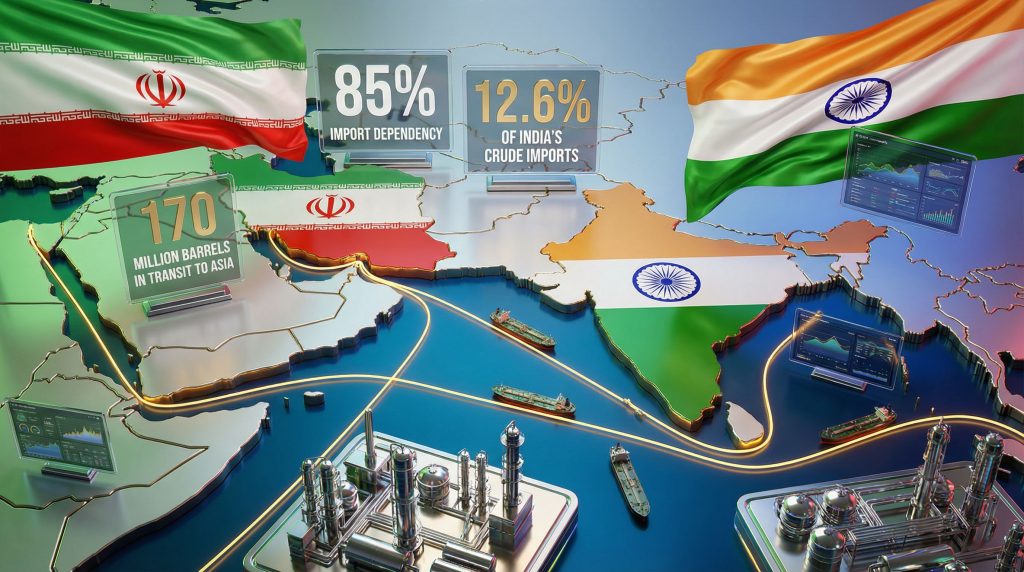
The contemporary energy landscape presents unprecedented strategic calculations as traditional supply corridors face disruption. When critical maritime chokepoints become contested spaces, energy-importing nations must rapidly recalibrate their procurement strategies, forcing long-dormant trade relationships back into active consideration. This dynamic creates windows of opportunity that fundamentally reshape bilateral energy partnerships, often transcending previous political constraints. The recent developments in Iran-India fuel trade exemplify how geopolitical tensions can swiftly transform previously sanctioned relationships into essential energy security arrangements.
What Strategic Factors Are Reshaping Iran-India Energy Relations?
Sanctions Relief Timeline and Policy Windows
The resumption of Iran-India fuel trade represents a significant shift in energy security calculations following the temporary lifting of US sanctions in March 2026. Indian refiners have begun purchasing Iranian crude oil and LPG to compensate for supplies lost due to disruptions in the Strait of Hormuz, marking the first such transactions since 2019. Furthermore, these developments coincide with broader global energy market disruptions that have created an oil price rally affecting all major importing nations.
Prior to the 2019 sanctions implementation, Iranian crude represented 10% of India's total crude imports, establishing a baseline for potential trade restoration. The current timeline shows rapid implementation, with the first Iranian LPG cargo arriving during the week of March 27, 2026, followed by additional crude and LPG shipments in subsequent days.
This development coincides with Iran's strategic positioning regarding passage through the Strait of Hormuz. Iranian Foreign Minister Abbas Araghchi confirmed that vessels from friendly nations, including China, Russia, India, Iraq, and Pakistan, would be permitted transit through the waterway. This selective access policy creates differentiated risk profiles for various importing nations.
Historical precedent suggests that sanctions cycles create distinct phases of market disruption and reintegration. The current situation differs from previous episodes due to the acute supply shortage affecting multiple importing nations simultaneously, creating competitive dynamics for available alternative sources.
Regional Security Architecture Impact
The closure of the Strait of Hormuz during March 1-18, 2026, created immediate supply chain disruptions across India's energy sector. Data from shipping intelligence indicates India's crude imports declined approximately 23% during this period compared to the previous month. If the strait had remained closed for the entire month, analysts projected crude imports could have decreased by roughly one-fifth.
In addition, the strategic importance of this maritime corridor becomes evident through its impact on multiple fuel categories. India imports 60% of its LPG requirements from external sources, with the Gulf region representing a critical supply concentration. During the closure period, approximately 20 India-flagged ships remained stranded in the Persian Gulf due to Iranian missile threats against non-friendly nation vessels.
However, the selective passage policy demonstrated operational flexibility. Four India-flagged LPG-loaded ships successfully crossed the strait in the 10-day period preceding March 27, 2026, carrying enough volume to satisfy approximately two days of national LPG consumption. This success rate indicates that diplomatic positioning can translate into tangible supply security advantages.
UN Secretary-General António Guterres highlighted the broader implications, noting that the prolonged closure was "restricting the movement of oil, gas, and fertiliser during a critical global planting season." This timing amplifies the strategic value of maintaining reliable energy supply channels, particularly as Saudi exploration licenses continue to reshape Middle Eastern energy dynamics.
When big ASX news breaks, our subscribers know first
How Do Current Supply Chain Disruptions Create Strategic Opportunities?
Gulf Region Dependency Risk Assessment
India's energy import structure reveals significant concentration risk within Gulf suppliers. The current crisis has exposed vulnerabilities in this dependency pattern, creating incentives for supply diversification. LPG supplies present particularly acute challenges, as this fuel serves predominantly cooking applications across the country, making supply disruptions immediately visible to consumers.
The domestic response has shown both capability and limitations. Since the conflict began, India increased domestic LPG production by 40%, achieving approximately 56% of total national consumption. However, this production surge still requires import supplementation to meet full demand requirements.
India's Energy Supply Vulnerability Matrix:
- LPG Import Dependency: 60% of national requirements
- Domestic Production Surge: 40% increase since conflict initiation
- Supply Coverage: Domestic production meets 56% of total consumption
- Critical Application: Predominantly cooking fuel for residential users
Moreover, Iranian crude offers specific advantages for Indian refiners familiar with its processing characteristics. Previous experience with Iranian heavy crude provides technical compatibility benefits, reducing the adjustment period required for renewed trade relationships.
Iranian Crude Specifications and Refinery Compatibility
Indian refiners possess existing technical knowledge for processing Iranian crude, having maintained operations with these specifications until 2019. This historical processing experience reduces technical barriers to renewed trade relationships and minimises refinery modification requirements. Consequently, these developments occur against the backdrop of broader market volatility, including US‑China trade impacts affecting global energy flows.
Current negotiations indicate active engagement between Indian refiners and the National Iranian Oil Company (NIOC) to secure crude and LPG cargoes. According to Reuters, some deals have reached finalisation stages, though exact short-term volume expectations remain uncertain pending vessel departures from conflict zones.
The heavy crude characteristics of Iranian supplies align with Indian refinery configurations designed for similar specifications. This compatibility factor provides operational advantages compared to alternative crude sources that might require processing adjustments or yield different product slates.
Furthermore, refiners face logistical considerations regarding cargo timing and routing. Sources familiar with oil purchasing indicate that until Iranian oil tankers successfully exit the conflict zone and begin transit toward India, firm supply commitments remain challenging to establish.
What Are the Economic Implications of Renewed Trade Flows?
Volume and Value Projections
The restoration of Iran-India fuel trade builds upon a substantial historical baseline. Prior to sanctions implementation, Iranian supplies accounted for 10% of India's crude imports, establishing precedent for significant bilateral energy flows. This percentage suggests potential for meaningful supply diversification once trade relationships stabilise.
Current shipping data illustrates the magnitude of recent supply disruptions. During March 1-18, 2026, India's crude imports decreased approximately 23% compared to the previous month-ago period. This reduction quantifies the supply gap that Iranian imports could potentially address, particularly as tariffs impact markets and create additional pricing pressures.
The LPG trade component shows more immediate results. Four India-flagged LPG carriers successfully transited the Strait of Hormuz in a 10-day period, delivering approximately two days of national consumption. This volume demonstrates the potential scale of resumed LPG trade flows.
Market conditions create significant economic incentives for renewed Iran-India energy trade, with supply disruptions forcing refiners to pursue all available alternatives regardless of historical political constraints.
For instance, refiners acknowledge ongoing uncertainty regarding firm volume commitments. Industry sources indicate that negotiations continue with NIOC for maximum possible crude and LPG volumes, though precise short-term delivery schedules depend on successful vessel transit from conflict zones.
Payment Mechanism Innovation
The resumption of Iran-India fuel trade occurs within a complex sanctions environment requiring innovative financial structures. Historical precedent from previous sanctions periods suggests bilateral trade arrangements may incorporate alternative settlement mechanisms to address banking restrictions.
Previous Iran-India trade relationships utilised various payment structures designed to maintain commercial flows while addressing regulatory constraints. These mechanisms typically involved third-party banking arrangements, local currency settlements, or commodity exchange agreements.
However, the current situation requires rapid implementation of payment systems capable of handling substantial energy trade volumes. This necessity creates opportunities for financial innovation in cross-border energy commerce, particularly for transactions involving sanctioned counterparties.
Banking sector participants face compliance challenges when facilitating Iran-related transactions, even during periods of temporary sanctions relief. This constraint requires careful structuring to ensure commercial viability while maintaining regulatory compliance across multiple jurisdictions.
Which Refineries Are Positioned to Benefit Most?
Strategic Refinery Analysis
Indian refineries with previous Iranian crude processing experience hold operational advantages for renewed trade relationships. Historical processing knowledge reduces technical integration challenges and minimises the learning curve for resumed operations with Iranian specifications. Additionally, these advantages become more significant as US oil production decline creates tighter global supply conditions.
Indian Oil Corporation (IOC) refineries possess demonstrated capability for Iranian crude processing based on pre-2019 operations. This experience provides technical familiarity with crude characteristics, processing requirements, and optimal product yield configurations.
Refinery Positioning for Iranian Crude:
- Technical Compatibility: Heavy crude processing capabilities aligned with Iranian specifications
- Historical Experience: Pre-2019 processing knowledge reduces adaptation requirements
- Infrastructure Readiness: Existing port, storage, and pipeline connectivity
- Product Slate Optimisation: Familiarity with yield patterns from Iranian crude inputs
Market participants show varied approaches to Iranian crude procurement. Reliance Industries publicly denied media reports regarding Iranian crude purchases on March 27, 2026, indicating company-specific positioning decisions within the broader market opportunity.
Infrastructure Readiness Assessment
Indian energy infrastructure demonstrates existing capability to handle Iranian crude and LPG imports through established port facilities and pipeline networks. Previous trade relationships created logistical frameworks that can potentially support resumed commercial flows.
Port capacity considerations include tanker reception capabilities, storage availability during transition periods, and pipeline connectivity to major consumption centres. These infrastructure elements require assessment for handling increased import volumes from Iranian sources.
Consequently, storage facility availability becomes critical during supply transition periods when refiners may need to maintain inventory buffers while establishing reliable delivery schedules. This requirement particularly applies to LPG storage given its immediate consumer applications.
Transportation networks connecting import terminals to refineries and distribution centres play essential roles in supply chain efficiency. Existing pipeline infrastructure designed for Gulf crude imports can potentially accommodate Iranian supplies with similar specifications.
How Do Regional Powers View This Energy Realignment?
China's Strategic Response
China's inclusion in Iran's list of friendly nations permitted Strait of Hormuz passage creates parallel opportunities and competitive dynamics in Iranian energy markets. Chinese energy companies possess extensive experience with Iranian crude procurement and established commercial relationships that could influence market access and pricing.
The Belt and Road Initiative framework provides China with additional strategic context for Iran energy relationships. Infrastructure investments and financial arrangements developed through BRI channels may create preferential access or terms that affect overall market dynamics for other importing nations.
Chinese National Petroleum Corporation (CNPC) and other state-controlled energy companies maintain substantial technical and commercial capabilities for Iranian energy development projects. These relationships could influence upstream production capacity and export availability for other buyers including India.
However, market share considerations become relevant as multiple Asian importers seek Iranian supplies simultaneously. According to Asia Media Centre, competition among friendly nations for limited export capacity may create pricing pressures or allocation challenges that affect bilateral trade relationships.
US Policy Coordination Challenges
The temporary nature of current sanctions relief creates ongoing uncertainty regarding long-term trade relationship viability. US policy coordination with allied nations requires balancing immediate energy security needs against broader strategic objectives regarding Iran.
European Union coordination presents additional complexity given different energy security priorities and sanctions enforcement approaches. Divergent allied positions on Iran energy trade could create implementation challenges or competitive advantages for specific importing nations.
Furthermore, enforcement mechanism evolution reflects changing geopolitical conditions and energy market realities. Previous sanctions cycles demonstrate how enforcement priorities can shift based on broader strategic considerations and market conditions.
Banking sector compliance requirements continue to present operational challenges even during periods of temporary sanctions relief. Financial institutions must navigate complex regulatory environments while supporting legitimate commercial transactions.
What Are the Long-term Supply Security Implications?
Diversification Strategy Effectiveness
Iran's potential contribution to India's energy security extends beyond immediate supply replacement to strategic diversification benefits. Historical trade patterns suggest Iranian crude could supply 15-20% of India's import requirements, significantly reducing concentration risk from Gulf suppliers.
Strategic petroleum reserve implications include the value of maintaining relationships with suppliers outside traditional alliance structures. Iranian crude access provides hedge against political disruptions affecting other major suppliers or transit routes.
Supply Diversification Impact Matrix:
| Supplier Category | Current Dependency | Potential with Iranian Supply |
|---|---|---|
| Gulf Region Total | 65% | 50% |
| Iranian Supply | 0% | 15-20% |
| Alternative Sources | 35% | 30-35% |
Emergency supply protocol development benefits from multiple sourcing options that operate independently of coordinated sanctions regimes. This capability provides resilience against various disruption scenarios affecting different supplier relationships.
Regional Energy Hub Development
Chabahar Port development creates potential for expanded Iran-India energy logistics beyond traditional tanker routes. Infrastructure investments in port facilities, storage capacity, and pipeline connectivity could support increased bilateral energy flows.
The Iran-India-Afghanistan corridor concept encompasses broader regional energy integration possibilities that extend beyond bilateral trade relationships. This framework could facilitate Central Asian energy access through Iranian territory and infrastructure.
However, regional energy hub development requires substantial infrastructure investment and long-term political stability. Current trade resumption provides testing ground for expanded commercial relationships that could support larger strategic projects.
Technology transfer opportunities emerge through renewed commercial relationships, potentially including Indian refining expertise for Iranian facility upgrades or joint venture development in upstream operations.
The next major ASX story will hit our subscribers first
Which Market Dynamics Will Shape Future Trade Patterns?
Price Discovery Mechanisms
Iranian crude pricing in Asian markets reflects both fundamental supply-demand dynamics and geopolitical risk premiums. Historical trading patterns show Iranian crude typically prices at discounts to benchmark crude grades due to sanctions risks and limited buyer pools.
Long-term contract structures versus spot market transactions present different risk profiles for both buyers and sellers. Contract terms must address potential sanctions reimposition, payment mechanisms, and force majeure provisions related to geopolitical developments.
In addition, currency considerations affect bilateral trade economics, particularly regarding payment settlement in non-dollar currencies. Rupee-Rial exchange mechanisms or third-currency settlements could influence effective crude pricing for Indian buyers.
Volume commitments balanced against flexibility requirements create contract negotiation complexity. Buyers need supply security while maintaining ability to adjust purchases based on sanctions developments or alternative source availability.
Technology Transfer Opportunities
Indian refining technology capabilities could provide value-added services to Iranian energy infrastructure development. Technical expertise in heavy crude processing, environmental compliance, and operational efficiency represents potential export opportunities.
Joint venture possibilities in upstream development could leverage Indian technical capabilities and capital resources for Iranian field development projects. Such arrangements would require careful structuring to address sanctions risks and regulatory compliance requirements.
Furthermore, renewable energy cooperation frameworks present alternative collaboration opportunities that may face fewer sanctions constraints. Solar, wind, and energy storage technologies could support broader Iran-India fuel trade cooperation beyond hydrocarbon trade.
Equipment and services exports from India to Iran create additional commercial opportunities linked to energy trade relationships. Refinery components, pipeline infrastructure, and technical services could supplement crude and LPG transactions.
What Risks Could Disrupt This Energy Partnership?
Sanctions Reimposition Scenarios
US election cycles historically influence Iran sanctions policy through changing administration priorities and Congressional oversight. Current temporary sanctions relief remains subject to political developments that could affect long-term trade relationship viability.
European Union coordination requirements create additional uncertainty given different energy security priorities among allied nations. Divergent approaches to Iran sanctions enforcement could create compliance challenges for international energy companies and financial institutions.
Consequently, banking sector compliance remains complex even during sanctions relief periods. Financial institutions must maintain robust compliance frameworks capable of rapid adjustment to changing regulatory requirements affecting Iran-related transactions.
Risk Assessment Framework:
- Political Risk: US election outcomes affecting Iran policy
- Regulatory Risk: Sanctions reimposition timeline uncertainty
- Commercial Risk: Payment mechanism disruption possibilities
- Operational Risk: Shipping and insurance availability constraints
Regional Conflict Escalation
Strait of Hormuz security depends on broader Middle East conflict resolution and regional power relationships. Escalation scenarios could affect transit rights even for friendly nations currently granted passage.
Naval protection requirements for commercial shipping create ongoing operational costs and insurance considerations. Military tensions in the Persian Gulf affect tanker operations regardless of diplomatic arrangements with Iran.
However, insurance market availability for Iranian crude and tankers transiting conflict zones presents continuing commercial challenges. Coverage limitations could affect trade economics and vessel utilisation patterns.
Force majeure provisions in energy contracts must address various conflict scenarios that could disrupt supply chains. Both natural and political events require contractual protection for commercial parties.
How Should Energy Market Participants Prepare?
Investment Strategy Considerations
Refinery operators should evaluate infrastructure requirements for processing increased volumes of Iranian crude specifications. Technical assessments can identify necessary equipment modifications or operational adjustments to optimise Iranian crude yields.
Storage infrastructure expansion needs assessment becomes critical given potential supply volatility and the requirement to maintain buffer inventories during geopolitical uncertainty periods. Strategic positioning of storage capacity near import terminals and major consumption centres provides operational flexibility.
Transportation fleet optimisation opportunities include vessel charter strategies that account for potential sanctions risks while maintaining supply chain reliability. Diversified shipping arrangements can reduce concentration risk from any single transportation provider or flag state.
Investment Prioritisation Matrix:
- Immediate Requirements: LPG storage and distribution capacity expansion
- Medium-term Needs: Crude processing optimisation for Iranian specifications
- Strategic Investments: Alternative payment system development
- Contingency Planning: Supply chain redundancy for sanctions scenarios
Risk Management Frameworks
Supply disruption mitigation strategies require multiple sourcing options capable of independent operation during various geopolitical scenarios. Portfolio approaches balance Iranian supply access against continued relationships with traditional Gulf suppliers and alternative sources.
Financial hedging instruments addressing currency, credit, and sanctions risks need development for Iranian energy trade. Specialised insurance products and trade finance mechanisms can support commercial transactions while managing regulatory compliance requirements.
For instance, operational contingency planning should address rapid market changes affecting supply availability, pricing, or payment mechanisms. Flexible commercial arrangements allow adjustment to changing sanctions regimes or geopolitical developments.
Contract structuring capabilities must address complex force majeure provisions, sanctions compliance requirements, and alternative dispute resolution mechanisms suitable for Iran-India fuel trade. Legal frameworks need updating to reflect current commercial and regulatory realities.
Disclaimer: This analysis is for informational purposes only and should not be considered as financial or investment advice. Energy trade relationships involving sanctioned entities carry significant regulatory and commercial risks that require professional legal and compliance consultation. Market conditions and geopolitical factors affecting Iran-India fuel trade remain highly volatile and subject to rapid change.
Are You Positioning Your Portfolio for Critical Energy Market Shifts?
Discovery Alert's proprietary Discovery IQ model delivers instant notifications on significant mineral discoveries across energy and resources sectors, helping investors capitalise on market-moving announcements as geopolitical events reshape global supply chains. Don't miss the next major discovery that could benefit from energy security realignments—explore Discovery Alert's track record of historic discoveries and begin your 14-day free trial today.