
August 6, 2026
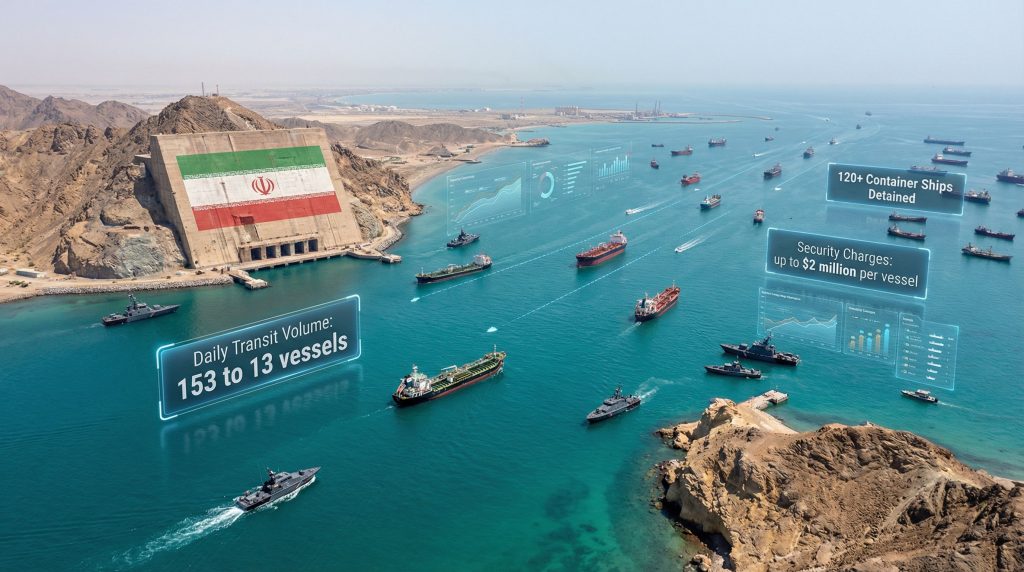
The unprecedented situation where iran turns back ships in strait of hormuz has created significant disruption to international maritime law and global trade operations. The traditional balance between territorial sovereignty and freedom of navigation has become increasingly complex, particularly when strategic waterways become focal points of international tensions. Understanding how enforcement mechanisms operate within existing legal structures provides crucial insight into global trade stability and maritime security protocols.
Iran's Maritime Enforcement Framework Under International Law
Iran's approach to controlling vessel transit through the Strait of Hormuz operates through a complex regulatory structure that tests the boundaries of international maritime law. The Islamic Revolutionary Guard Corps (IRGC) has established enforcement protocols that categorize vessels based on national origin and destination, creating a discriminatory transit system that challenges traditional freedom of navigation principles.
Current Enforcement Statistics:
- Daily vessel transits reduced from 153 to 13 vessels
- Container ship detentions exceed 120 idle vessels
- Three additional container ships turned back on March 27, 2026
The IRGC's enforcement mechanisms include physical interdiction of vessels attempting unauthorised transit through designated corridors. According to recent maritime tracking data, Iranian naval units actively monitor and intercept non-compliant vessels, forcing them to withdraw from the waterway entirely. Furthermore, these actions have contributed to broader tariff economic implications affecting global supply chains.
Legal Basis and Authority Framework
Iranian authorities assert broad jurisdictional control over the Strait of Hormuz, claiming the right to prohibit movement of vessels sailing to or from ports of countries they classify as adversaries. This approach raises significant questions under the United Nations Convention on the Law of the Sea (UNCLOS), particularly regarding proportionate response doctrine and the balance between territorial waters rights and international shipping lane access.
The enforcement structure relies on several key mechanisms:
- Pre-transit authorisation requirements for all commercial vessels
- Communication protocols with Iranian naval authorities
- Documentation verification of vessel ownership and destination
- Physical inspection capabilities through IRGC naval units
When big ASX news breaks, our subscribers know first
Vessel Classification System and Transit Eligibility
Iran's maritime control framework operates through a sophisticated vessel classification system that determines transit eligibility based on flag state, ownership structure, and destination ports. This regulatory approach has created distinct categories of permitted and prohibited vessel types.
Approved Transit Categories:
- Chinese-flagged vessels: Unrestricted passage
- Russian commercial ships: Full transit privileges
- Indian cargo vessels: Preferential treatment
- Pakistani tankers: Confirmed passage (10 vessels transited March 24-25, 2026)
- Iraqi shipping: Regional partnership status
Prohibited Classifications:
- US and Israeli-flagged vessels: Complete transit ban
- Allied nation commercial ships: Restricted access
- Vessels destined for adversary ports: Prohibited regardless of flag
The classification system demonstrates selective enforcement based on geopolitical alignment rather than traditional maritime law principles. Iranian Foreign Minister Abbas Araqchi confirmed that the strait remains accessible to vessels from friendly countries whilst being effectively closed to those from nations Iran considers enemies.
Documentation and Compliance Requirements
Vessels seeking transit approval must navigate a complex regulatory framework that includes:
- Flag state verification and ownership documentation
- Cargo manifest review and destination confirmation
- Communication with IRGC naval authorities prior to entry
- Compliance with designated corridor routing requirements
Recent evidence indicates that even vessels from approved countries face scrutiny. In addition, when iran turns back ships in strait of hormuz operations intensify, three container ships of different nationalities were turned back on March 27, 2026, after attempting to enter designated licensed traffic corridors without proper authorisation.
Economic Impact Assessment and Market Disruption
The Strait of Hormuz restrictions have created unprecedented disruption in global energy markets, with regulatory compliance costs extending far beyond traditional shipping expenses. Market data reveals significant price volatility and supply chain realignment as a direct result of Iran's transit control policies. Consequently, analysts have documented extensive oil price rally analysis related to these maritime restrictions.
Energy Market Volatility Indicators:
| Commodity | Price Impact | Time Period |
|---|---|---|
| WTI Crude | $4/barrel drop then rebound to $93.78 | March 26, 2026 |
| March EPC Butane | $32.10/t premium over propane | March 2-25, 2026 |
| US Propane Stocks | 59% above five-year average | Week ending March 20 |
The LPG market has experienced particularly severe disruption, with India facing a supply crisis that affects nearly 90% of its cooking fuel requirements. To compensate for lost Middle East Gulf supplies, India is receiving approximately 432,000 tonnes of LPG from the United States in March 2026, representing the highest volume ever recorded.
Supply Chain Regulatory Adaptations
Market participants have implemented several regulatory compliance strategies:
- Alternative routing protocols through Cape of Good Hope
- Strategic inventory management to buffer supply disruptions
- Insurance premium adjustments for high-risk transit zones
- Contract force majeure provisions for Iranian-controlled waterways
The butane market exemplifies the complexity of these adaptations. March EPC butane prices increased by 13.7% to an average of $480/tonne compared to the previous year, as international demand grew to replace Middle East cargoes affected by the strait closure.
International Maritime Organization Response Framework
The International Maritime Organization's response to Iran's Strait of Hormuz restrictions highlights the challenges facing global maritime governance when unilateral enforcement actions disrupt established shipping lanes. While formal IMO notifications remain pending, the organisation faces pressure to address the regulatory vacuum created by selective transit restrictions. Moreover, the situation has highlighted broader trade war impacts on global supply chains.
Insurance Market Adjustments:
Maritime insurance markets have responded with significant premium adjustments and policy modifications:
- War risk premiums increased for Middle East Gulf transits
- Specialised coverage for vessels attempting Strait passage
- Alternative routing insurance for Cape of Good Hope diversions
- Detention coverage for vessels held in Iranian waters
The US Treasury Secretary indicated that supplemental maritime insurance programs are being developed to provide shippers with enhanced security levels, though specific regulatory frameworks remain under development.
Global Trade Route Security Measures
International shipping organisations are implementing comprehensive security protocols:
- Enhanced vessel tracking systems for Middle East operations
- Communication protocols with multiple naval authorities
- Cargo insurance modifications for high-risk routes
- Emergency response procedures for vessel interdiction scenarios
Revenue Generation Through Transit Control Mechanisms
Iran's maritime control strategy incorporates economic incentives alongside security enforcement, though specific fee structures remain largely undisclosed. The selective allowance of passage to vessels from aligned nations suggests a combination of geopolitical positioning and revenue optimisation.
Economic Leverage Indicators:
"The passage of Pakistani-flagged tankers during negotiations demonstrates Iran's ability to use strait access as both diplomatic currency and economic tool."
While reports suggest security service charges of up to $2 million per vessel, these figures require independent verification. The actual revenue model likely involves:
- Transit authorisation fees for approved vessels
- Security escort charges for high-value cargo
- Documentation processing costs for compliance verification
- Insurance coordination fees for liability coverage
Comparative Analysis with Traditional Canal Systems
Unlike established toll systems such as the Suez or Panama Canals, Iran's Strait of Hormuz fees operate without transparent pricing structures or international oversight. This creates uncertainty for shipping companies attempting to calculate transit costs and compliance requirements.
Legal Framework Analysis Under Maritime Law
The application of international maritime law to Iran's Strait of Hormuz controls raises fundamental questions about the balance between coastal state sovereignty and freedom of navigation rights. Under UNCLOS provisions, coastal states possess certain enforcement authorities within territorial waters, but these powers must be exercised proportionately and without discrimination.
Key Legal Considerations:
- Territorial waters jurisdiction versus international transit rights
- Proportionate response requirements under maritime law
- Non-discrimination principles in commercial shipping
- Self-defence justifications for security measures
The IRGC's assertion that the strait is closed to adversary nations whilst remaining open to friendly countries challenges traditional interpretations of innocent passage rights. Legal experts note that such selective enforcement may exceed coastal state authority under established international maritime frameworks. Furthermore, detailed reports from the IRGC indicate harsh measures against transit of Israeli and US-linked vessels.
Enforcement Boundaries and Compliance Monitoring
Iranian enforcement protocols include several mechanisms that test legal boundaries:
- Physical vessel interdiction in international shipping lanes
- Communication monitoring of commercial traffic
- Cargo inspection requirements for approved vessels
- Escort service mandates for high-value shipments
The March 27, 2026 incident involving three container ships demonstrates active enforcement of these protocols, with vessels being warned off from designated corridors and forced to withdraw from the waterway entirely.
The next major ASX story will hit our subscribers first
Long-term Policy Implications for Energy Security
The Strait of Hormuz restrictions have accelerated global discussions about energy supply diversification and strategic petroleum reserve policies. Government authorities worldwide are reassessing their regulatory frameworks for energy import security and emergency response protocols. These developments have also intensified discussions about energy transition challenges facing various nations.
Strategic Response Measures:
The Trump administration has activated several emergency powers to address energy security concerns:
- Strategic Petroleum Reserve releases of 172 million barrels
- Jones Act waivers for domestic shipping flexibility
- Fuel volatility requirement suspensions for market stability
- Federal excise tax suspension considerations for consumer relief
These measures demonstrate how maritime transit restrictions can trigger broad regulatory responses across multiple government agencies and policy frameworks.
Alternative Supply Route Development
Energy importers are developing comprehensive alternative routing strategies:
- Cape of Good Hope diversions for Middle East crude
- Atlantic Basin supply source prioritisation for refined products
- Pipeline capacity optimisation for overland alternatives
- Strategic reserve utilisation during supply disruptions
The regulatory implications extend beyond immediate supply concerns to include long-term energy infrastructure planning and international trade agreement modifications.
What Are the Long-term Economic Consequences?
Current diplomatic efforts to resolve the crisis where iran turns back ships in strait of hormuz operate through complex multi-party negotiation frameworks involving regional mediators and international stakeholders. The Trump administration has referenced ongoing discussions with unidentified Iranian officials, though Iranian leadership has disputed these claims. However, these disruptions contribute to broader global market recession factors affecting worldwide economic stability.
Negotiation Structure Elements:
- 15-point action plan circulated through Pakistani mediation channels
- Conditional passage arrangements for select vessel categories
- Security guarantee mechanisms for commercial shipping
- Verification protocols for compliance monitoring
The recent passage of Pakistani-flagged tankers demonstrates Iran's capacity to selectively modify enforcement policies as negotiating leverage. This approach suggests that regulatory frameworks remain fluid and subject to diplomatic influence.
Future Policy Scenarios and Regulatory Development
Several potential regulatory evolution pathways emerge from current diplomatic frameworks:
Graduated Reopening Scenarios:
- Phased vessel category approvals based on compliance verification
- International monitoring integration for transit oversight
- Neutral flag arrangements for disputed nation vessels
- Third-party insurance guarantees for commercial shipping
Full Strait Reopening Conditions:
- Comprehensive security agreement implementation
- International waterway status recognition and enforcement
- Multilateral oversight mechanisms for transit monitoring
- Dispute resolution procedures for future conflicts
The regulatory implications of these scenarios extend beyond immediate crisis resolution to establish precedents for future maritime enforcement actions and international waterway governance. In conclusion, the ongoing situation where iran turns back ships in strait of hormuz continues to reshape global maritime law and energy security frameworks worldwide.
Disclaimer: This analysis involves geopolitical developments and market forecasts that remain subject to rapid change. Maritime law applications and regulatory compliance requirements should be verified with current official sources and qualified legal counsel.
What Opportunities Could This Maritime Crisis Create for Savvy Resource Investors?
When global trade routes face disruption and energy markets become volatile, smart investors often find the greatest opportunities in overlooked resource companies that could benefit from supply chain realignments. Discovery Alert's proprietary Discovery IQ model delivers real-time notifications on significant ASX mineral discoveries, helping subscribers identify actionable opportunities in commodities like oil, gas, and critical minerals before the broader market catches on. Begin your 14-day free trial today to position yourself ahead of market-moving developments in the resources sector.