July 20, 2026
Global energy markets face unprecedented systemic vulnerabilities as concentrated supply chokepoints expose decades of strategic miscalculation. The current Iran War energy security threat represents more than a temporary price shock; it reveals fundamental structural weaknesses in how modern economies have organised their energy infrastructure around geographically concentrated production nodes and narrow transit corridors.
How Does the Iran Energy Crisis Compare to Historical Supply Shocks?
The Scale of Current Disruption vs. Past Energy Crises
The magnitude of today's Iran War energy security threat dwarfs previous energy crises in both scope and complexity. While historical disruptions typically affected single commodity streams, the current situation simultaneously impacts crude oil, liquefied natural gas, petrochemicals, and fertiliser production across multiple critical supply routes.
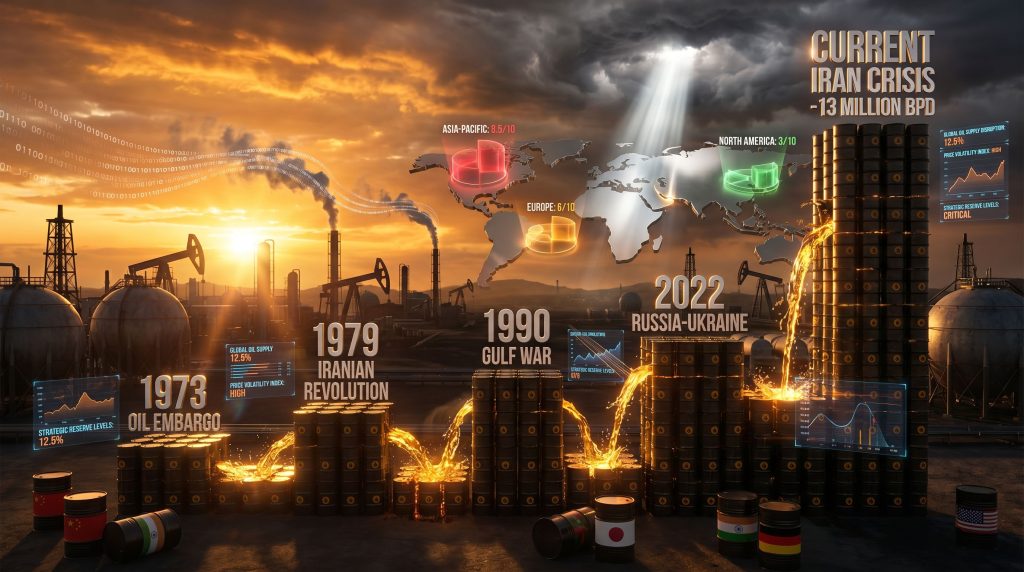
Historical energy shocks provide instructive comparisons, though none match the current multifaceted nature of disruption. The 1973 Arab Oil Embargo reduced global supplies by approximately 5 million barrels per day, while the 1979 Iranian Revolution temporarily removed 3.5 million barrels daily from international markets. The 1990 Gulf War disrupted 4.3 million barrels per day when Iraqi and Kuwaiti production ceased.
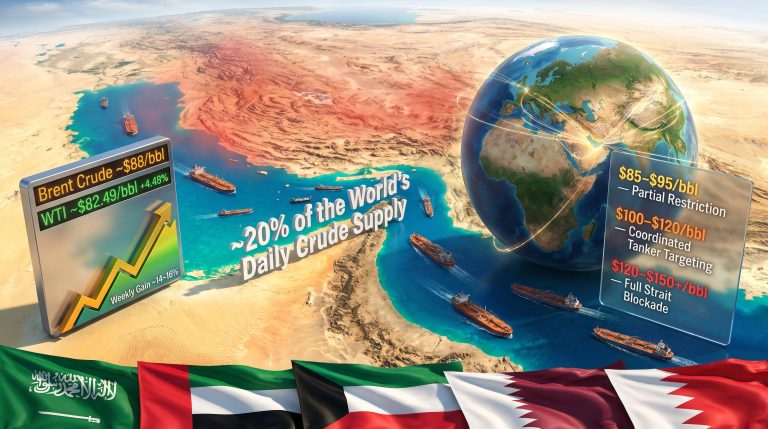
Current assessments suggest significantly larger volume impacts. Furthermore, the International Energy Agency has warned of unprecedented energy security challenges, with Strait of Hormuz disruptions potentially affecting transit volumes that typically handle 21% of global petroleum liquids and 20% of global LNG flows.
Geographic Concentration Risk Assessment
The Strait of Hormuz represents the world's most critical energy chokepoint, with daily oil transit volumes exceeding 21 million barrels under normal conditions. Recent reports confirm traffic has ground to a halt as military tensions escalate, forcing emergency rerouting through longer, more expensive corridors.
Alternative routing options carry substantial cost premiums and capacity constraints:
- Cape of Good Hope routing: Adds 2,700 nautical miles and 12-15 additional days transit time
- Suez Canal capacity: Limited to 5.5 million barrels per day maximum throughput
- Pipeline alternatives: Insufficient spare capacity to replace Hormuz volumes
Duration and Recovery Timeline Projections
Recovery patterns from previous energy crises suggest timelines ranging from six months to two years, depending on the underlying resolution of geopolitical tensions and infrastructure restoration requirements. However, current circumstances present unique complications that may extend recovery periods beyond historical precedents.
When big ASX news breaks, our subscribers know first
What Are the Immediate Economic Consequences of Energy Supply Disruption?
Inflation Transmission Mechanisms
Energy price increases transmit through economic systems via multiple interconnected pathways, creating cascading cost pressures across industrial sectors. Transportation costs represent the most immediate transmission channel, with shipping companies implementing fuel surcharges and logistics providers adjusting pricing structures to reflect elevated operating expenses.
Manufacturing sectors experience direct input cost escalation through several mechanisms:
- Petrochemical feedstock price increases affecting plastic, synthetic fibre, and chemical production
- Natural gas pricing impacts on fertiliser, aluminium, and steel manufacturing
- Electricity generation cost increases in gas-dependent power markets
- Transportation and distribution cost multipliers affecting all goods movement
Regional economic impacts vary significantly based on energy import dependency and alternative supply access. For instance, Canada's energy transition presents both challenges and opportunities amid these market disruptions.
Aviation Sector Stress Indicators
The aviation industry demonstrates immediate vulnerability to energy supply disruptions through route profitability calculations and capacity allocation decisions. European carriers are cancelling unprofitable routes to conserve fuel resources, while long-haul flight fares have surged as operators implement fuel surcharges.
Specific airline responses include:
- Lufthansa cancelling European summer routes to reduce fuel consumption
- Air Canada scrapping key U.S. routes amid elevated fuel costs
- Route optimisation strategies prioritising high-yield destinations
Fuel hedging strategies have failed to provide adequate protection, with many carriers facing substantial mark-to-market losses on derivative positions established when energy prices traded at lower levels.
Which Industries Face the Greatest Operational Disruption?
Manufacturing Supply Chain Reconfiguration
Manufacturing operations dependent on petrochemical inputs experience cascading disruptions as energy supply constraints affect raw material availability and pricing. The petrochemical sector, which utilises natural gas and petroleum derivatives as both feedstock and energy sources, faces particular vulnerability to supply interruptions.
Fertiliser production represents a critical vulnerability within the manufacturing complex. Energy-intensive ammonia production requires substantial natural gas inputs, with fertiliser costs soaring alongside energy price increases. This creates downstream impacts for agricultural productivity and food security, particularly as 60% of the Lower 48 United States currently experiences drought conditions according to NOAA data.
Key manufacturing disruption patterns include:
- Plastic polymer production constraints affecting packaging, automotive, and consumer goods
- Steel and aluminium production cost increases from elevated natural gas and electricity prices
- Chemical intermediate supply shortages disrupting pharmaceutical and specialty chemical manufacturing
- Just-in-time inventory model failures as supply chains extend lead times and increase safety stock requirements
Shipping and Logistics Restructuring
Maritime shipping faces fundamental route restructuring as traditional transit corridors become unavailable or prohibitively expensive. Container shipping operators must balance alternative routing cost premiums against schedule reliability and customer service commitments.
Insurance markets impose additional constraints through premium spikes for vessels transiting high-risk areas. Lloyd's of London and other marine insurers have substantially increased coverage costs for Middle Eastern transit routes, with some policies requiring additional war risk coverage that can double or triple standard premiums.
Port congestion cascades from route diversions as container volumes redirect to alternative terminals without proportional capacity increases. European and Asian ports experience elevated utilisation rates as shipping lines avoid traditional Middle Eastern hub connections.
How Are Energy Markets Structurally Adapting to Supply Constraints?
Emergency Reserve Deployment Strategies
Strategic petroleum reserve utilisation accelerates across major consuming nations as governments attempt to moderate price volatility and maintain economic stability. The International Energy Agency coordinates multilateral reserve releases while individual countries deploy national stockpiles to bridge supply gaps.
Current inventory trends confirm substantial drawdowns:
- Global oil inventories drift toward record lows according to industry tracking services
- US oil production decline complicates inventory replenishment strategies
- Commercial inventory drawdown patterns exceeding normal seasonal variations
Reserve refill strategies become complicated by elevated price environments, with governments facing difficult choices between immediate price relief and long-term energy security through adequate stockpile maintenance.
Alternative Supply Source Activation
Energy producing regions outside the Middle East experience surge demand for incremental production capacity. U.S. oil exports are set to hit record highs as global buyers seek alternative supply sources, while Canada's oil sands operations evaluate production acceleration possibilities within existing infrastructure constraints.
Japan demonstrates proactive supply diversification through requests to Saudi Arabia for increased oil supply and quadrupling domestic production targets through international expansion strategies. Moreover, OPEC production impact analyses suggest these bilateral supply arrangements represent structural shifts away from traditional multilateral energy market frameworks.
What Long-Term Energy Security Paradigm Shifts Are Emerging?
Infrastructure Resilience Investment Priorities
Long-term infrastructure investment strategies prioritise chokepoint vulnerability reduction through alternative route development and supply source diversification. Pipeline projects avoiding traditional transit corridors gain strategic importance, while LNG terminal capacity expansion provides supply flexibility for gas-importing regions.
Renewable energy deployment accelerates not primarily for climate considerations but as energy security insights reducing dependence on geopolitically volatile fossil fuel suppliers. European initiatives particularly emphasise rooftop solar installations which have tripled in order volume as gas prices surge, while the UK announces 10GW clean power initiatives specifically to break gas dependency in electricity generation.
Regional Energy Alliance Development
Military and economic coordination mechanisms emerge to protect energy infrastructure and maintain supply chain continuity. The 30-nation military coalition led by the UK and France to reopen the Strait of Hormuz represents unprecedented peacetime energy security cooperation among allied nations.
Bilateral energy partnerships deepen outside traditional OPEC frameworks, with consuming nations establishing strategic supplier relationships that prioritise reliability over pure cost optimisation. These arrangements often include technology sharing, infrastructure investment, and long-term purchase commitments that reshape global energy trade patterns.
How Are Different Economic Regions Responding to Energy Vulnerability?
Asia-Pacific Adaptation Strategies
Asian economies demonstrate varied adaptation approaches based on their specific energy import profiles and alternative supply access. India's manufacturing sector rebounds despite high energy costs, suggesting industrial resilience through operational efficiency improvements and input substitution strategies.
However, financial market stress indicators reveal underlying vulnerabilities. HSBC downgrades Indian equities as oil shock impacts deepen, while Pakistan pays record premiums for fuel imports as traditional supply arrangements become disrupted. These premium payments reflect both transportation cost increases and spot market procurement necessities when long-term contracts become unavailable.
China demonstrates strategic inventory management through crude oil sales as refineries reduce processing rates, suggesting deliberate stockpile optimisation during market disruption periods. Consequently, expert analysis of energy crisis impacts highlights the strategic importance of such inventory decisions.
European Energy Independence Acceleration
European responses emphasise structural independence from Middle Eastern energy supplies through domestic capacity expansion and alternative supplier relationships. Russian oil flows resume to Slovakia via the Druzhba pipeline system, indicating continued European reliance on non-Middle Eastern suppliers despite geopolitical tensions.
Norway demonstrates maximum production utilisation as spare output buffer disappears, with the country pumping near capacity to provide additional supply to European markets. This production surge assists regional energy security but reduces global spare capacity available for future disruptions.
The next major ASX story will hit our subscribers first
Investment and Market Structure Implications
Energy Transition Investment Reallocation
Investment capital flows redirect toward energy security infrastructure rather than purely climate-motivated renewable development. The $20 billion UK fund targeting clean energy in developing economies reflects strategic energy diplomacy designed to secure future supply relationships while supporting energy transition objectives.
Corporate strategy transformation emphasises supply chain regionalisation and vertical integration to reduce exposure to geopolitical energy supply disruptions. Energy-intensive industries evaluate production facility relocation to regions with more secure energy supply access, fundamentally altering global manufacturing location economics.
Financial Market Structural Changes
Energy commodity trading exhibits unprecedented volatility patterns as traditional price discovery mechanisms become distorted by supply uncertainty and geopolitical risk premiums. Traders placed $430 million bets around diplomatic developments, indicating how financial markets now incorporate geopolitical event timing into energy commodity positioning strategies.
Currency impacts particularly affect energy-importing nations as foreign exchange reserve adequacy becomes critical for maintaining energy import capabilities during elevated price periods. Countries like Brazil experience record trade surpluses from energy export revenues, creating stark divergence between energy exporters and importers in economic performance.
Furthermore, US–China trade impacts add complexity to energy security calculations as nations navigate overlapping geopolitical tensions whilst maintaining essential energy supply relationships.
The Iran War energy security threat continues evolving rapidly, with markets adapting through emergency measures whilst simultaneously restructuring for long-term resilience. However, the fundamental vulnerability of concentrated supply chokepoints remains a critical challenge requiring coordinated international responses and substantial infrastructure investment to mitigate future disruptions.
Disclaimer: This analysis is based on publicly available information and market observations. Energy market conditions remain highly volatile and subject to rapid change based on geopolitical developments. Investment decisions should consider multiple factors beyond the scenarios discussed in this analysis. The content does not constitute financial advice and readers should consult qualified professionals before making investment decisions.
Ready to Capitalise on Energy Market Volatility?
Discovery Alert's proprietary Discovery IQ model delivers real-time alerts on significant ASX mineral discoveries, helping investors identify opportunities in energy-critical commodities as markets navigate unprecedented supply disruptions. Begin your 14-day free trial today and position yourself ahead of market movements driven by global energy security concerns.