May 22, 2026
Global energy markets operate within a complex web of geopolitical pressures, where conflicts in strategic regions can fundamentally reshape pricing dynamics and supply chains across the world. The interconnected nature of modern energy infrastructure means that disruptions in one area cascade through international markets with remarkable speed and intensity, as seen with the current Iran war impact on oil prices.
Understanding Critical Energy Transit Corridors
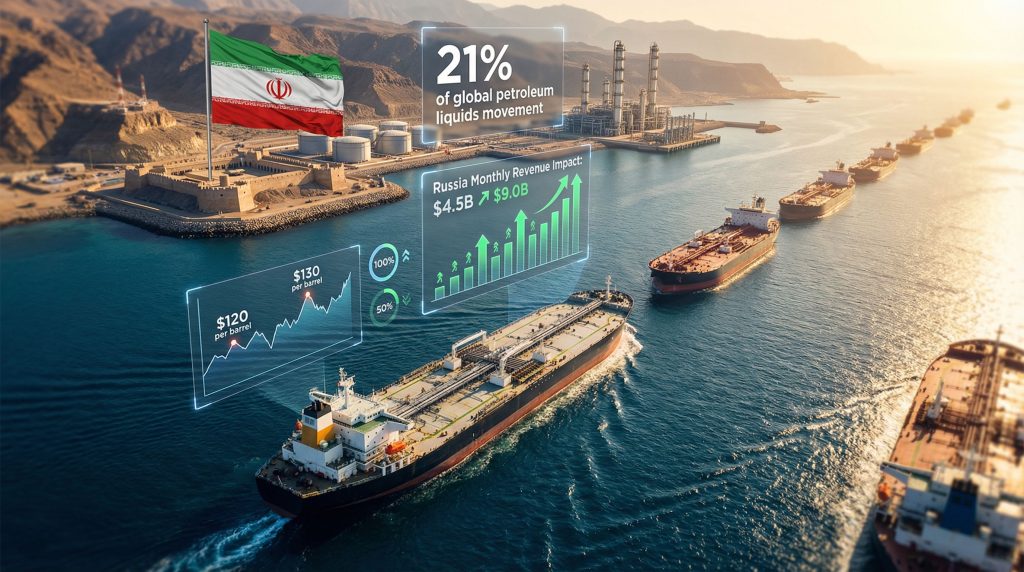
The world's energy security hinges on several narrow waterways that function as critical chokepoints for global petroleum flows. These maritime passages handle approximately one-fifth of global oil and liquefied natural gas movements, making them strategic vulnerabilities in the international energy system.
When regional conflicts threaten these vital shipping lanes, the immediate response involves dramatic rerouting of tanker traffic, leading to extended delivery schedules and increased transportation costs. Maritime insurance premiums escalate rapidly during conflict periods as underwriters price in elevated risk exposure for vessels transiting contested waters.
The physical infrastructure surrounding these chokepoints includes multiple loading terminals, refineries, and pipeline networks that become strategic targets during military conflicts. The concentration of energy infrastructure in geographically constrained areas amplifies the systemic risk to global energy supplies.
When big ASX news breaks, our subscribers know first
Market Response Mechanisms During Energy Crises
Energy markets demonstrate sophisticated response patterns when confronted with supply disruption risks. The psychological component of market behaviour often amplifies the physical supply constraints, creating price volatility that exceeds the actual reduction in available crude oil.
Risk Premium Integration
- Traders embed uncertainty calculations into futures pricing models
- Strategic reserve managers accelerate stockpiling programs
- Commercial buyers diversify sourcing relationships to reduce exposure
Supply Chain Adaptation Strategies
- Alternative transportation routes development
- Emergency production capacity activation
- Inventory management protocol adjustments
Recent conflict scenarios have demonstrated how quickly Brent crude futures can surge past $100 per barrel following major geopolitical incidents. For instance, the iran war impact on oil prices has shown remarkable persistence even during temporary ceasefire periods. The speed of price transmission reflects the highly liquid nature of energy commodity markets and the prevalence of algorithmic trading systems that respond instantaneously to news flows.
Revenue Multiplication for Energy Exporters
Non-affected energy producers experience substantial revenue increases during regional supply disruptions. The revenue multiplication effect stems from both higher commodity prices and increased demand for alternative supply sources.
Russia's mineral extraction tax data provides concrete evidence of this phenomenon. During recent Middle Eastern conflicts, the country's oil-related tax revenue demonstrated dramatic increases correlating directly with elevated crude prices.
Revenue Impact Analysis:
| Month | Mineral Extraction Tax (USD) | Price Per Barrel | Percentage Change |
|---|---|---|---|
| February 2026 | $3.8 billion | $44.59 | Baseline |
| March 2026 | $4.36 billion | $77.00 | +73% price increase |
| April 2026 (projected) | $9.0 billion | $100+ | +106% revenue increase |
The taxation mechanism reveals how production-based revenue systems amplify the benefits of crisis pricing for major exporters. Countries with significant spare capacity can capture additional market share while simultaneously benefiting from elevated pricing, particularly during periods when the US oil production decline creates additional supply gaps.
Commercial responses include accelerated contract negotiations, alternative pipeline development, and enhanced diplomatic engagement with new customer markets. Energy exporters often experience unprecedented demand from regions seeking to diversify away from conflict-affected suppliers.
Economic Sector Vulnerability Assessment
Energy price volatility creates cascading effects throughout the global economy, with certain sectors facing disproportionate exposure to input cost increases. The transmission mechanism operates through direct fuel costs, transportation expenses, and petrochemical feedstock pricing.
Transportation Industry Impact:
- Aviation Sector: Jet fuel represents 20-30% of airline operating costs, making carriers extremely sensitive to crude price movements
- Maritime Shipping: Container shipping rates incorporate fuel surcharges that adjust automatically with bunker fuel pricing
- Ground Transportation: Commercial trucking operations face immediate margin pressure from diesel price escalation
Manufacturing Sector Exposure:
- Petrochemical Industries: Plastic and chemical production relies on crude oil and natural gas as primary feedstock
- Steel and Aluminium: Energy-intensive smelting operations experience significant cost inflation during energy crises
- Agricultural Supply Chains: Fertiliser production and machinery operation costs increase substantially with energy price surges
The interconnected nature of modern supply chains means that energy price increases propagate through multiple stages of production. Furthermore, the natural gas forecast 2025 indicates additional pressures on manufacturing costs beyond traditional crude oil impacts.
Central Bank Policy Response Frameworks
Monetary authorities face complex challenges when energy-driven inflation pressures emerge during geopolitical crises. The policy response must balance inflation control objectives against economic growth considerations, particularly when energy price increases stem from supply disruptions rather than demand-driven pressures.
Policy Dilemma Components:
- Inflation Targeting Complications: Energy price volatility can distort core inflation measurements
- Growth vs. Stability Trade-offs: Aggressive rate increases risk inducing recession while maintaining accommodation enables inflation acceleration
- Currency Defence Strategies: Oil-importing nations may intervene in foreign exchange markets to limit import cost increases
"Central banks typically adopt a wait-and-see approach during the initial phases of energy crises, assessing whether price increases represent temporary supply shocks or indicate persistent inflationary trends that require monetary policy intervention."
Historical patterns suggest that sustained crude oil prices above $120-130 per barrel for extended periods significantly increase recession probability in major economies. This threshold reflects the point where energy costs begin constraining discretionary spending and business investment decisions.
Long-Term Structural Market Evolution
Energy crises catalyse fundamental changes in global energy infrastructure and policy frameworks. The immediate disruptions often accelerate longer-term strategic initiatives that might otherwise face political or economic obstacles.
Strategic Reserve Policy Modifications:
- Capacity Expansion Programs: Major economies increase emergency stockpile targets following crisis experiences
- Diversification Imperatives: Import dependency reduction through alternative supplier relationship development
- Infrastructure Redundancy: Alternative pipeline and shipping corridor construction projects
Geopolitical Realignment Consequences:
- Energy security considerations reshape diplomatic alliance structures
- Technology transfer dynamics shift as nations prioritise domestic production capabilities
- Trade route infrastructure development accelerates to reduce chokepoint vulnerabilities
The revenue windfalls experienced by alternative suppliers during crises provide capital for infrastructure expansion and production capacity development. However, understanding oil prices and trade wars dynamics reveals how quickly these benefits can shift based on broader international tensions.
The next major ASX story will hit our subscribers first
Financial Market Risk Pricing Mechanisms
Commodity futures markets demonstrate sophisticated mechanisms for pricing energy security risks during geopolitical tensions. The curve structure shifts from normal contango patterns toward steep backwardation as near-term supply concerns dominate pricing.
Options Market Volatility Indicators:
- Implied volatility increases reflect market uncertainty about future price movements
- Put-call parity relationships shift as hedging demand intensifies
- Cross-commodity correlations strengthen as energy price movements influence agricultural and metals markets
Equity Market Sector Rotation Patterns:
- Energy Stock Outperformance: Integrated oil companies and oilfield service providers benefit from higher margins and increased activity
- Consumer Discretionary Pressure: Airlines, retail chains, and automotive manufacturers face headwinds from elevated energy costs
- Utility Sector Mixed Impact: Natural gas utilities may benefit while renewable energy stocks gain long-term investment appeal
The speed of sector rotation reflects algorithmic trading systems and institutional portfolio rebalancing that occurs automatically based on energy price triggers. In addition, the oil price rally 2025 demonstrates how multiple factors can compound market movements during volatile periods.
Corporate Risk Management Evolution
Energy crises drive fundamental changes in corporate risk management strategies across multiple industries. Companies develop increasingly sophisticated hedging approaches and operational flexibility measures to manage energy price volatility.
Advanced Hedging Strategies:
- Multi-Period Forward Contracts: Airlines and transportation companies establish rolling hedge programs
- Operational Flexibility Development: Manufacturing facilities invest in fuel-switching capabilities
- Supply Chain Redundancy: Procurement teams establish relationships with suppliers across multiple geographic regions
Financial Risk Management Tools:
- Derivative instruments usage increases during volatile periods
- Credit facility structures incorporate energy price escalation clauses
- Insurance programs expand to cover business interruption from energy supply disruptions
Government policy responses often include coordinated strategic reserve releases, targeted industry subsidies, and accelerated diplomatic engagement to resolve underlying conflicts.
Market Psychology and Behavioural Dynamics
Energy markets exhibit distinct psychological patterns during geopolitical crises that often amplify fundamental supply and demand imbalances. Understanding these behavioural dynamics provides insight into price movement patterns and duration, particularly regarding the Iran war impact on oil prices.
Panic Buying Behaviour:
- Commercial buyers accelerate inventory accumulation beyond normal operating requirements
- Strategic petroleum reserve managers compete for available supply
- Speculative trading activity increases as momentum strategies activate
Information Processing Mechanisms:
- News algorithms trigger immediate trading responses to conflict-related headlines
- Market sentiment indicators show extreme readings during crisis peaks
- Technical analysis patterns become self-reinforcing as traders follow momentum signals
The interaction between fundamental supply disruptions and behavioural amplification effects creates price volatility that exceeds what pure supply-demand models would predict. However, examining petrol price recovery patterns provides insight into longer-term market normalisation processes.
Regional Economic Impact Variations
Different geographic regions experience varying degrees of impact from energy supply disruptions based on their import dependency, alternative supply access, and economic structure compositions.
Import-Dependent Economy Responses:
- East Asian Markets: High manufacturing concentration creates amplified sensitivity to energy cost increases
- European Union: Coordinated policy responses and strategic reserve sharing agreements
- Emerging Market Economies: Currency devaluation pressures compound energy import cost inflation
Energy Exporter Advantages:
- Revenue diversification opportunities through new customer relationships
- Infrastructure investment acceleration funded by windfall revenues
- Diplomatic influence enhancement through energy supply leverage
The asymmetric impact distribution creates opportunities for arbitrage and strategic positioning by multinational corporations and investment funds. Consequently, understanding global tariff impacts becomes crucial for comprehensive risk assessment.
Technology and Infrastructure Adaptation
Energy crises accelerate technological development and infrastructure adaptation in ways that permanently alter market structures. Innovation cycles compress as economic incentives align with strategic security objectives.
Production Technology Advancement:
- Enhanced oil recovery techniques become economically viable at elevated prices
- Renewable energy project economics improve relative to volatile fossil fuel alternatives
- Energy storage technology deployment accelerates to manage supply intermittency
Infrastructure Resilience Development:
- Pipeline network redundancy construction projects receive expedited approval
- Port and terminal capacity expansion in alternative geographic locations
- Transportation network diversification to reduce chokepoint dependencies
These technological and infrastructure changes often persist beyond the immediate crisis period, creating permanent structural shifts in global energy markets that influence long-term Iran war impact on oil prices assessments.
Disclaimer: This analysis contains forward-looking statements and market projections that are subject to significant uncertainty. Energy market volatility during geopolitical conflicts can exceed historical patterns, and past performance may not predict future results. Investors and market participants should conduct independent research and consider professional advice before making investment decisions based on energy market analysis.
Looking to Capitalise on Market Volatility From Energy Crises?
Discovery Alert's proprietary Discovery IQ model delivers real-time alerts on significant ASX mineral discoveries, instantly empowering subscribers to identify actionable opportunities ahead of broader market movements during volatile periods. Begin your 14-day free trial today at Discovery Alert and secure your market-leading advantage when energy sector dynamics create new investment landscapes.