June 22, 2026
The transformation of global iron ore mining hinges on sophisticated processing methodologies that separate premium concentrate products from traditional direct-shipping ore. Magnetite concentrate production represents a technological leap requiring specialized infrastructure, energy-intensive separation techniques, and complex transportation systems that fundamentally differ from conventional hematite extraction methods. Furthermore, understanding these iron ore price trends becomes essential for analyzing market dynamics.
Understanding these processing distinctions becomes crucial when analyzing how major producers achieve operational excellence while scaling production volumes. The contrast between wet concentrate magnetite processing and dry hematite operations creates different cost structures, margin profiles, and infrastructure requirements that directly impact quarterly performance metrics.
Strategic Asset Portfolio Optimization Drives Production Growth
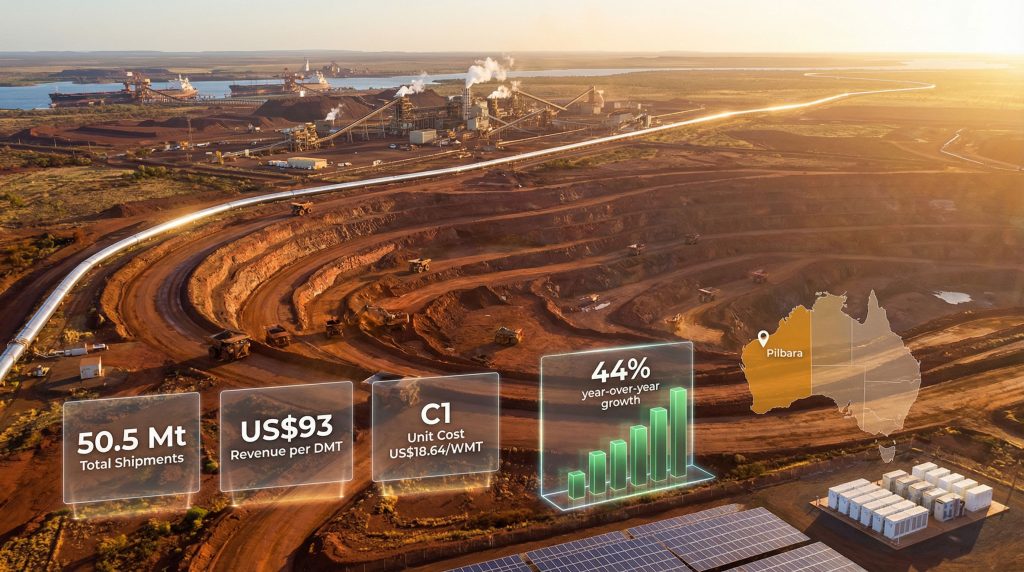
Fortescue second-quarter iron ore shipments rise demonstrates the effectiveness of balanced operational strategies across different ore types. The company achieved 50.5 million tonnes in total shipments during Q2 FY26, representing meaningful growth from the previous year's 49.4 million tonnes. This performance exceeded analyst consensus estimates of 50.3 million tonnes, indicating strong operational execution.
The composition of these shipments reveals strategic priorities in action. Hematite operations contributed 48.3 million tonnes, showing stability in established production assets, while the Iron Bridge magnetite facility delivered 2.2 million tonnes during the quarter. This 44% year-over-year growth from Iron Bridge contrasts sharply with the modest 0.8% increase in hematite shipments, highlighting management's focus on scaling higher-value magnetite concentrate production.
Magnetite Processing Infrastructure Investment
Iron Bridge's operational design incorporates advanced processing technologies specifically engineered for magnetite ore bodies. The facility utilizes a 135-kilometer specialized slurry pipeline system that transports wet concentrate directly to Port Hedland, eliminating traditional truck or rail logistics for this product stream.
Key infrastructure components include:
• Primary crushing and grinding circuits designed for magnetite ore hardness characteristics
• Magnetic separation systems that achieve higher iron content recovery rates
• Concentrate thickening and filtration systems for slurry preparation
• Pipeline monitoring and flow control technologies for continuous operation
This infrastructure investment represents significant capital commitment but enables weather-resilient, continuous product movement that traditional mining operations cannot achieve. The slurry pipeline technology provides operational advantages during seasonal weather patterns that typically impact conventional mining logistics. In addition, these developments align with broader iron ore demand insights across the industry.
When big ASX news breaks, our subscribers know first
Iron Bridge Capacity Expansion Timeline Analysis
The magnetite concentrate operation's trajectory toward full nameplate capacity represents a multi-year value creation pathway. Current quarterly production of 2.2 million tonnes suggests an annualised run rate of approximately 8.8 million tonnes, though the facility is designed to achieve significantly higher throughput levels by fiscal year 2028.
Production Ramp Characteristics
Magnetite processing facilities typically experience non-linear production ramp profiles due to operational complexity factors:
-
Equipment optimisation phases requiring fine-tuning of magnetic separation parameters
-
Process flow stabilisation as operators develop expertise with wet concentrate handling
-
Pipeline system optimisation to maximise throughput while maintaining product specifications
-
Quality control refinement to ensure consistent iron content and impurity levels
The 44% year-over-year growth rate achieved in Q2 FY26 indicates the ramp is progressing ahead of linear expansion assumptions, suggesting operational teams are successfully navigating typical magnetite processing challenges.
Financial Performance Metrics Reveal Operational Efficiency
Revenue realisation and cost structure analysis provides insight into portfolio optimisation effectiveness. Hematite operations achieved US$93 per dry metric tonne in revenue realisation during Q2 FY26, while maintaining competitive cost structures. Consequently, these results reflect the strength of australian iron leadership in global markets.
| Financial Metric | Q2 FY26 Performance |
|---|---|
| Total Shipments | 50.5 Mt |
| Hematite Revenue/DMT | US$93 |
| C1 Unit Cost (H1 FY26) | US$18.64/WMT |
| Iron Bridge Shipments | 2.2 Mt |
| YoY Growth Rate | 44% (Iron Bridge) |
Cost Structure Advantages
The US$18.64 per wet metric tonne C1 unit cost demonstrates competitive positioning within global iron ore cost curves. C1 costs encompass direct mining expenses, processing costs, transportation, and royalty obligations while excluding financing and capital expenditures.
This cost structure becomes particularly significant when combined with revenue realisation metrics. The differential between US$93 per DMT revenue and US$18.64 per WMT costs (acknowledging different measurement bases) suggests healthy operating margins that provide financial flexibility for continued capacity expansion investments.
Working Capital Optimisation During Ramp-Up
Magnetite concentrate production requires different working capital management approaches compared to direct-shipping hematite operations:
• Inventory management for wet concentrate with moisture content considerations
• Pipeline inventory representing product in transit through the slurry system
• Quality assurance reserves to ensure specification compliance
• Seasonal demand fluctuations affecting concentrate stockpile requirements
Annual Production Guidance Reflects Market Positioning
Fortescue's annual guidance range of 195-205 million tonnes for FY26 demonstrates confidence in operational execution capabilities. The Q2 FY26 quarterly run rate of 50.5 million tonnes annualises to approximately 202 million tonnes, positioning within the guidance midpoint. Moreover, detailed production cost analysis shows rising operational expenses alongside increased output.
Production Distribution Analysis
The guidance construction suggests Iron Bridge will contribute approximately 8-10 million tonnes annually, with remaining volumes from established hematite operations. This distribution reflects:
Hematite Operations Stability:
- Consistent quarterly production rates around 48-49 million tonnes
- Established logistics and processing infrastructure
- Predictable cost structures and margin profiles
Iron Bridge Growth Trajectory:
- Progressive capacity utilisation increases throughout FY26
- Ramp toward nameplate capacity achievement by FY28
- Premium product pricing potential for high-grade magnetite concentrate
Renewable Energy Integration Supports Operational Sustainability
Energy infrastructure investment becomes crucial for magnetite processing operations due to higher electricity intensity compared to hematite direct-shipping methods. Fortescue's deployment of a 250 MWh battery energy storage system represents strategic infrastructure for renewable energy integration. However, this also connects with broader mining industry innovation trends across the sector.
Battery Storage System Applications
Large-scale battery energy storage serves multiple operational functions:
• Load shifting capabilities storing renewable energy during peak generation periods
• Grid frequency stabilisation supporting consistent power delivery to processing equipment
• Renewable energy firming addressing solar and wind intermittency challenges
• Peak demand management reducing electricity costs during high-tariff periods
The 250 MWh capacity scale suggests integration with substantial renewable energy generation assets, likely supporting Iron Bridge's energy-intensive magnetite processing requirements.
Magnetite Processing Energy Requirements
Magnetite concentrate production involves energy-intensive processing stages:
-
Primary and secondary crushing requiring significant mechanical energy input
-
Ball mill grinding to achieve appropriate particle size for magnetic separation
-
Magnetic separation circuits utilising electromagnetic systems
-
Concentrate thickening and dewatering requiring pumping and filtration energy
These processing requirements create opportunities for renewable energy integration, particularly where consistent power delivery can optimise equipment utilisation rates. For instance, advances in sustainable iron production technologies are reshaping industry approaches.
Global Iron Ore Market Positioning Analysis
Fortescue maintains its position as the world's fourth-largest iron ore producer, competing within a concentrated global market dominated by integrated mining companies. The company's dual-product strategy of hematite and magnetite concentrate provides diversification within iron ore market segments.
Competitive Positioning Factors
Cost Leadership Advantages:
- Low-cost Pilbara region operations
- Integrated logistics and port infrastructure
- Operational scale economies
Product Differentiation Strategy:
- High-grade magnetite concentrate premium positioning
- Established hematite customer relationships
- Geographic proximity to Asian steel markets
Infrastructure Integration:
- Port Hedland capacity utilisation optimisation
- Rail and pipeline transportation systems
- Stockyard and blending capabilities
The next major ASX story will hit our subscribers first
Technology Integration in Modern Iron Ore Operations
Advanced processing technologies distinguish modern iron ore operations from traditional mining methods. Magnetite concentrate production requires sophisticated equipment systems that justify significant capital investment through premium product realisation.
Magnetic Separation Technology
Magnetite ore processing utilises magnetic properties to separate iron-bearing minerals from gangue materials:
• Low-intensity magnetic separators for primary concentrate recovery
• High-intensity systems for final product cleaning stages
• Wet separation processes producing slurry concentrate products
• Quality control systems ensuring consistent iron content specifications
These systems achieve higher iron recovery rates compared to conventional beneficiation methods, justifying the additional processing complexity and energy requirements.
Slurry Pipeline Transportation Innovation
The 135-kilometre pipeline system represents significant engineering achievement in mineral transportation. Slurry pipeline technology offers distinct advantages:
Operational Benefits:
- Weather-independent product movement
- Continuous flow compared to batch transportation
- Reduced labour requirements versus truck operations
- Lower environmental impact than conventional haulage
Technical Challenges:
- Pipeline wear management from abrasive slurry
- Pump station reliability and maintenance requirements
- Flow rate optimisation for different concentrate specifications
- Corrosion prevention in extended pipeline systems
Investment Implications and Future Outlook
The combination of stable hematite operations and expanding magnetite concentrate production creates a compelling investment narrative. Fortescue second-quarter iron ore shipments rise demonstrates execution capability across both operational segments.
Capital Allocation Priorities
Current performance suggests strategic capital deployment focusing on:
Iron Bridge Expansion:
- Continued ramp toward nameplate capacity
- Processing optimisation investments
- Infrastructure reliability improvements
Sustainability Integration:
- Renewable energy and battery storage deployment
- Operational decarbonisation initiatives
- ESG compliance infrastructure
Financial Flexibility:
- Maintaining strong balance sheet positions
- Shareholder return optimisation
- Strategic acquisition opportunities
Market Demand Considerations
Global steel industry trends support both hematite and magnetite concentrate demand:
• Asian steel production growth driving seaborne iron ore imports
• Premium concentrate demand from efficiency-focused steelmakers
• Environmental regulations favouring higher-grade feedstock materials
• Infrastructure investment cycles supporting sustained commodity demand
Disclaimer: This analysis contains forward-looking statements and projections based on current operational data. Actual results may vary due to commodity price fluctuations, operational challenges, regulatory changes, and market conditions. Investment decisions should consider comprehensive risk assessment and professional financial advice.
The transformation of iron ore mining through technology integration and operational optimisation continues evolving as producers adapt to changing market demands and sustainability requirements. Fortescue's balanced approach of maintaining established hematite production while scaling premium magnetite concentrate operations exemplifies strategic portfolio management in the modern mining industry.
Looking to Capitalise on ASX Mining Opportunities?
Discovery Alert's proprietary Discovery IQ model delivers instant notifications on significant mineral discoveries across iron ore producers and other commodities, empowering investors to identify actionable opportunities ahead of the broader market. Visit Discovery Alert's dedicated discoveries page to understand how major mineral discoveries can generate substantial returns, then begin your 30-day free trial to secure your market-leading advantage.