June 8, 2026
Physical Premiums as a Window Into Global Metal Market Stress
When Japan aluminium premiums Q3 contracts begin moving faster than the underlying commodity price itself, the signal carries weight well beyond that market's borders. Aluminium premium markets operate on exactly this principle, and what has unfolded across consecutive quarterly contract cycles in Japan provides one of the clearest real-time indicators of how severely global primary aluminium supply has tightened heading into the second half of 2026.
Understanding why Japan's quarterly aluminium premiums function as a regional pricing anchor, and why the trajectory from Q3 2025 through to current Q3 2026 opening offers represents something far more significant than a routine cyclical adjustment, requires stepping back from the headline numbers and examining the structural mechanics that make this market so influential.
When big ASX news breaks, our subscribers know first
How Japan's Quarterly Aluminium Premium Works as an Asia-Pacific Pricing Benchmark
Physical aluminium trade is priced in two components. The first is the London Metal Exchange cash price, which reflects global supply and demand dynamics and is effectively a commodity-level reference rate. The second is the physical premium, a per-tonne surcharge negotiated separately to account for freight, insurance, financing costs, and critically, the scarcity value of actual metal available for delivery in a specific location and time window.
Japan's quarterly premium, settled on a cost, insurance, and freight basis into Japanese ports, is not merely a domestic pricing mechanism. It has evolved into the dominant benchmark for aluminium procurement across Asia-Pacific, with pricing in South Korea, Thailand, and broader Southeast Asian markets calibrated either directly or indirectly against whatever Japanese buyers agree to pay each quarter.
Several structural factors reinforce this benchmark role:
- Japan imports virtually all of its primary aluminium requirements, with domestic smelting capacity having been largely shut down over the past two decades due to high electricity costs.
- Japanese trading houses and end-users are among the most sophisticated and well-capitalised buyers in the global aluminium market, meaning the premiums they settle carry credibility as true market-clearing prices.
- The quarterly cadence creates a transparent, recurring reference point that other Asian buyers and sellers can use to calibrate their own commercial terms.
- Settlement negotiations involve major global producers such as South32 and Rio Tinto, giving the process direct linkage to primary supply availability at the producer level.
The downstream industries driving Japan's import demand include automotive manufacturing, packaging, electrical components, and construction, all of which are aluminium-intensive and collectively underpin a stable, recurring import volume that makes the quarterly premium negotiation commercially meaningful at scale.
Mapping the Premium Trajectory: A Multi-Quarter Escalation With Few Historical Precedents
The scale of movement across recent contract cycles is difficult to contextualise without a structured comparison. The following table traces the premium trajectory from Q3 2025 through to the opening offers now tabled for Japan aluminium premiums Q3 contracts:
| Contract Quarter | Premium Level (USD/tonne CIF Japan) | Primary Driver |
|---|---|---|
| Q3 2025 | ~USD 108 | Normalised supply, soft demand environment |
| Q4 2025 | Sub-USD 100 (spot) | Inventory accumulation, demand weakness |
| Q1 2026 | Transitional | Early signs of supply tightening |
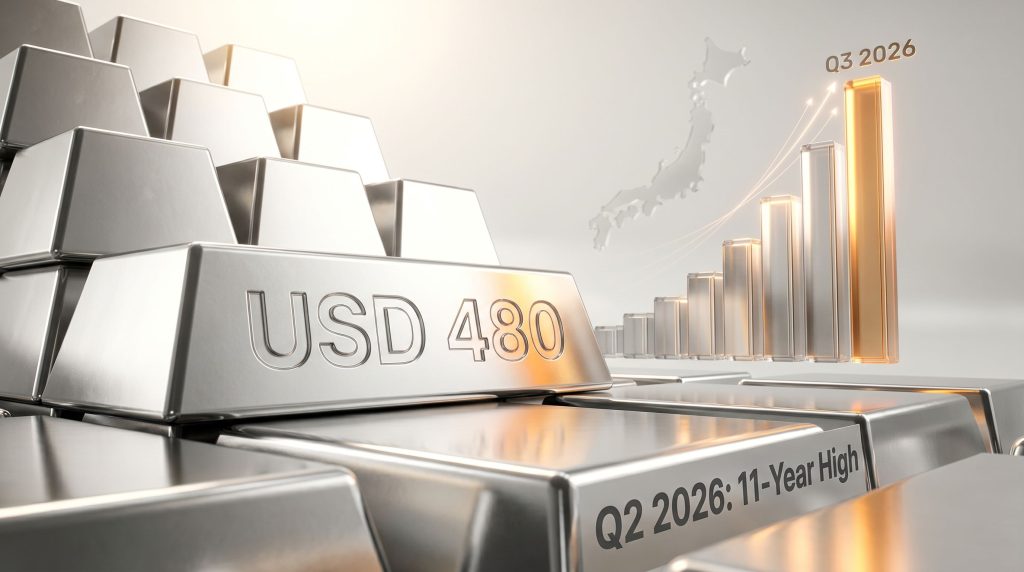
| Q2 2026 | USD 350-353 | Geopolitical disruption, 11-year high |
| Q3 2026 (Opening offers) | USD 460-480 | Continued supply tightness, producer leverage |
According to industry sources, the Q3 2025 premium of approximately USD 108 per tonne reflected sluggish demand and high stock levels — a baseline that makes the subsequent escalation all the more striking. The progression from approximately USD 108 per tonne in Q3 2025 to opening offers exceeding USD 480 per tonne in Q3 2026 represents a more than fourfold increase across four consecutive contract cycles. This is not the typical rhythm of a cyclical premium adjustment.
The Q2 2026 settlement of USD 350-353 per tonne was itself remarkable, having risen between 79 and 81 percent from the prior quarter to reach its highest level in over eleven years. The opening offers for Q3 2026 propose a further 36-37 percent increase above that already historically elevated baseline.
What Is Driving the Supply Tightness Behind the Q3 2026 Premium Surge
Geopolitical Disruption and Constrained Spot Availability
The Q2 2026 premium spike was closely linked to geopolitical disruptions affecting global aluminium availability, with supply routes and trade flows impacted in ways that reduced the volume of spot metal accessible to Asian buyers. Furthermore, heading into Q3 2026 negotiations, those conditions have not materially reversed, and producers are pricing their offers to reflect continued tightness in the physical market.
Low LME warehouse inventory levels compound this dynamic. When exchange-held stocks are thin, buyers cannot rely on the spot market as a ready alternative to contracted supply, which significantly shifts negotiating leverage toward producers. This structural feature of the physical premium market is often underappreciated: the premium is not simply a freight and financing surcharge but is also an embedded scarcity option that rises sharply when spot availability dries up.
What Does the Gap Between S32 and Rio Tinto Offers Reveal?
South32's opening ask of USD 480 per tonne and Rio Tinto's proposal of USD 460 per tonne for July-September 2026 shipments are separated by USD 20 per tonne. This spread is not unusual in quarterly negotiations and typically reflects differences in each producer's logistics position, contract book composition, and individual negotiating posture.
Critically, opening offers in Japan premium negotiations have historically settled below the initial producer ask. The gap between an opening offer and the eventual settlement reflects the iterative back-and-forth between producers seeking to maximise revenue and buyers attempting to limit cost exposure. However, when the broader market context supports elevated premiums, as it clearly does in mid-2026, the final settlement tends to land closer to the opening offer than buyers would prefer.
For context, the premium spikes seen during the 2011–2012 warehouse queue era, when LME aluminium stored in Detroit and other locations created severe delivery backlogs, drove premiums in major markets to levels that at the time seemed unsustainable. The current cycle differs in that the tightness is supply-side and geopolitically driven rather than warehouse-queue-specific, which some analysts view as potentially more durable. Notably, aluminium premiums are being supported in all key global regions, reinforcing the view that this is not an isolated Asian phenomenon.
Regional Pricing Spillover: How Japan's Benchmark Moves Other Asian Markets
Thailand: Firm Prices, Cautious Buying Behaviour
The transmission of Japan's premium escalation into other Asian markets is already visible. In Thailand, CIF aluminium ingot offers have moved to approximately USD 300-320 per tonne, with price firmness reflecting the broader regional supply environment. However, buyer behaviour in Thailand is notably defensive: purchasing activity is largely confined to immediate requirements, creating a market that is firm in price but thin in volume.
This pattern is consistent with buyers managing working capital by avoiding inventory pre-building in a high-premium environment.
South Korea: Higher Activity Supported by Tight Supply
South Korea presents a somewhat different picture, with transaction volumes running higher than in Thailand and market participants reporting increased trading activity. The South Korean market's greater sensitivity to Japanese benchmark movements reflects its heavier concentration of aluminium-intensive industrial manufacturing, including automotive components and electronics, where procurement cycles align more closely with Japan's quarterly contract rhythm.
Broader Southeast Asia: Structural Exposure Across ASEAN
Manufacturing hubs across Vietnam, Indonesia, and Malaysia face a more indirect but still meaningful exposure to Japanese benchmark premiums. As regional aluminium trade flows are re-priced upward, downstream fabricators in these markets face rising input costs that cannot always be fully passed through to end customers, particularly where they operate on thin-margin contract manufacturing terms.
Cost Implications for Downstream Industries Across the Supply Chain
Automotive and Transportation Sector
Japan, South Korea, and Thailand collectively represent some of the most aluminium-intensive vehicle manufacturing concentrations in Asia. For original equipment manufacturers and their Tier 1 suppliers, quarterly premium volatility of this magnitude creates meaningful input cost uncertainty.
A premium settlement at or near USD 480 per tonne, against a Q3 2025 baseline of approximately USD 108 per tonne, implies a per-tonne aluminium cost increase of roughly USD 372 in the physical premium component alone, before any movement in the LME cash price is considered. For a mid-size passenger vehicle containing approximately 150-200 kilograms of primary aluminium, this premium differential translates to an incremental material cost increase that is commercially significant, particularly for manufacturers without robust hedging programmes in place.
Packaging and Consumer Goods: Margin Pressure Building
Aluminium can sheet and foil producers are acutely exposed to physical premium movements because their products are high-volume, low-margin, and subject to intense pricing competition. In a sustained high-premium environment, these producers face a choice between absorbing margin compression or attempting to pass costs through to customers who may themselves operate under fixed-price supply contracts.
Construction Sector: Longer-Cycle Resilience but Fixed-Price Risk
Construction and infrastructure buyers generally have longer procurement cycles that provide some natural insulation from short-term premium spikes. However, projects operating under fixed-price contracts with aluminium-intensive specifications — including curtain wall systems, roofing, and structural components — carry meaningful exposure if their procurement timing coincides with a sustained high-premium environment.
The next major ASX story will hit our subscribers first
Contextualising Q3 2026 Within a Decade of Premium History
The Low-Premium Era: 2015 to 2020
Following the resolution of LME warehouse queue distortions in 2014–2015, Asian aluminium premiums entered an extended period of relative suppression. With spot market availability normalising and exchange inventories rising, physical premiums in Japan and across Asia declined steadily, reaching the low double-digit range by the mid-to-late 2010s.
This period conditioned many downstream buyers to treat low premiums as the norm — a mindset that has made the current escalation particularly jarring for procurement teams. In addition, the top aluminium mining companies that shaped supply during this era are now navigating a very different market reality.
The Post-Pandemic Recovery: 2021 to 2024
The pandemic era brought a gradual premium recovery as supply chain disruptions, energy cost shocks, and shifting trade patterns tightened physical metal availability. By Q3 2025, Japan's premium had recovered to approximately USD 108 per tonne, which at the time appeared consistent with a mid-cycle normalisation rather than the beginning of an extraordinary escalation.
Furthermore, the broader context of US tariffs on aluminium and steel during this period added further complexity to global trade flows, contributing to the supply-side pressures that began building from late 2025 onward.
Is 2026 a Structural Inflection Point?
The speed and magnitude of the Q2 and Q3 2026 premium moves have prompted genuine debate about whether the market is experiencing a cyclical spike that will eventually self-correct or a structural repricing reflecting more durable supply-demand imbalances. Several factors support the structural view:
- Global aluminium smelting capacity investment has been constrained by high energy costs, environmental regulatory pressure, and capital allocation caution.
- Geopolitical disruptions affecting key supply routes show little sign of near-term resolution.
- The energy intensity of primary aluminium production makes new greenfield smelting capacity economically challenging in many regions at current power prices.
Factors that could moderate premiums include demand destruction at elevated cost levels, strategic inventory releases, and any easing of the geopolitical conditions that have constrained spot availability.
The jump from roughly USD 108 per tonne in Q3 2025 to opening offers of USD 480 per tonne in Q3 2026 over just four contract cycles raises a question that commodity analysts are increasingly asking: whether the Asian aluminium premium market is undergoing a structural repricing event rather than a temporary cyclical disruption.
Investment and Market Implications of Elevated Asian Aluminium Premiums
Physical Premiums as a Leading Indicator of Supply Stress
Rising physical premiums often precede broader commodity price responses because they reflect real-time scarcity in the spot market before that scarcity is fully captured in exchange-traded pricing. For commodity market participants, sustained escalation of Japan aluminium premiums Q3 contracts functions as an early warning mechanism, signalling that physical supply conditions remain materially tighter than LME cash prices alone might suggest.
The Alcoa downgrade and its impact on aluminium markets earlier in 2025 was one of several signals that pointed toward the supply-side constraints now fully visible in Q3 2026 premium negotiations.
Revenue Implications for Major Producers With Asian Contract Exposure
For producers with significant Japanese and broader Asian aluminium contract books, premium escalation of this magnitude represents a direct revenue uplift that compounds on top of any LME price movement. South32 and Rio Tinto, both of which have tabled Q3 2026 offers well above the Q2 settlement, stand to benefit materially if negotiations conclude near their opening ask levels.
The premium component of their realised aluminium price has historically been somewhat overlooked by equity analysts relative to the LME price itself, but at USD 460-480 per tonne the premium now represents a financially material variable in full-year revenue modelling.
Risk Considerations for Aluminium-Intensive Manufacturers
For manufacturers with unhedged aluminium exposure, the current environment underscores the risk of treating physical premiums as a secondary or static cost input. Strategic hedging tools available in this market include:
- LME futures for the base price component
- Over-the-counter premium swaps for the physical premium component
- Long-term bilateral supply agreements with producers that lock in premium levels over extended periods
Notably, the parallel pressures visible in green steel pricing and market dynamics suggest that aluminium is not alone in experiencing structural cost pressures across base metal supply chains heading into the second half of the decade. Similarly, the global crude steel outlook for 2025 points to broader industrial metals tightening that contextualises the aluminium premium move within a wider commodities story.
Key Takeaways: Japan Q3 2026 Aluminium Premium Outlook
- Opening producer offers for Q3 2026 Japan contracts stand at USD 460-480 per tonne, representing a 36-37% increase above the Q2 2026 settlement of USD 350-353 per tonne.
- Q2 2026 itself reached an 11-year high, having surged 79-81% from the preceding quarter amid geopolitically driven supply disruption.
- The four-quarter trajectory from approximately USD 108 per tonne in Q3 2025 to current opening offers above USD 480 per tonne reflects an extraordinary, compressed escalation with few modern precedents.
- Regional spillover is confirmed in Thailand, where prices have firmed to USD 300-320 per tonne CIF, and in South Korea, where transaction volumes have increased alongside rising premiums.
- Final Q3 2026 settlement levels will be shaped by buyer resistance, inventory positioning, and whether supply conditions show any meaningful improvement before the July-September delivery window opens.
- The structural vs. cyclical debate is now central to how market participants are approaching medium-term aluminium procurement and hedging strategy.
Frequently Asked Questions: Japan Aluminium Premiums Q3 Contracts
What exactly is the Japan aluminium CIF premium and what does it include?
The Japan aluminium CIF premium is a per-tonne surcharge negotiated above the LME cash price for physical delivery of primary aluminium into Japanese ports. The premium incorporates ocean freight costs, marine insurance, trade financing charges, and a scarcity component that reflects how tightly physical metal is available in the spot market. When all these components tighten simultaneously, as they have in 2026, the resulting premium can move sharply above historical norms.
Why did Q2 2026 represent an 11-year high for Japan aluminium premiums?
The Q2 2026 settlement of USD 350-353 per tonne was driven by a convergence of geopolitical disruptions constraining global aluminium supply, reduced spot market liquidity that amplified producer negotiating leverage, and the compounding momentum of consecutive quarterly increases. The result was the highest settled premium in Japan since the warehouse queue distortion era of the early-to-mid 2010s.
What is the difference between South32's and Rio Tinto's Q3 2026 offers?
South32 has tabled an opening offer of USD 480 per tonne for July-September 2026 shipments, while Rio Tinto has proposed USD 460 per tonne. The USD 20 per tonne spread reflects differences in each company's logistics cost base, contract book positioning, and individual commercial strategy. In quarterly negotiations, it is common for multiple producers to present different opening asks before the market converges on a settled level.
How does Japan's quarterly premium influence aluminium pricing elsewhere in Asia?
Japan's quarterly settlement functions as a regional pricing reference because of the country's dominant position as Asia's largest primary aluminium importer and the credibility of its negotiation process. Spot and contract pricing across South Korea, Thailand, and Southeast Asia is typically calibrated against the Japanese benchmark, either directly through contractual linkages or indirectly through trader re-export flows and regional arbitrage activity.
Is it likely the Q3 2026 premium will settle below the USD 480 per tonne opening offer?
Historical negotiation patterns in Japan aluminium premium markets consistently show that final settlements land below initial producer asks, as buyers push back and the two sides find a mutually acceptable level. However, the extent of any discount from the opening offer depends heavily on the market conditions prevailing as negotiations conclude. With supply remaining tight and LME inventories low, buyer leverage is constrained, which may limit how far below the opening offer the final settlement ultimately falls.
Want to Track the Next Major Commodity Discovery Before the Market Does?
Discovery Alert's proprietary Discovery IQ model delivers real-time alerts on significant ASX mineral discoveries — cutting through complex commodity data to surface actionable opportunities the moment they are announced, whether in aluminium, base metals, or beyond. Explore Discovery Alert's discoveries page to see how historic mineral discoveries have generated substantial returns, and begin your 14-day free trial to position yourself ahead of the broader market.