July 18, 2026
Japan's ambitious venture into deep-sea rare earth extraction marks a pivotal moment in global resource security, as the nation seeks to break free from overwhelming dependency on Chinese mineral supplies. This groundbreaking Japan deep-sea rare earth discovery at the Minami Torishima site could fundamentally reshape international supply chains while addressing critical vulnerabilities in technology manufacturing sectors.
The convergence of deep-ocean drilling technology with resource security imperatives creates new possibilities for nations seeking supply chain independence. As manufacturing sectors become more sophisticated and electronic components more essential to economic activity, control over critical mineral inputs emerges as a defining factor in 21st-century competitive advantage.
Understanding Japan's Strategic Resource Independence Initiative
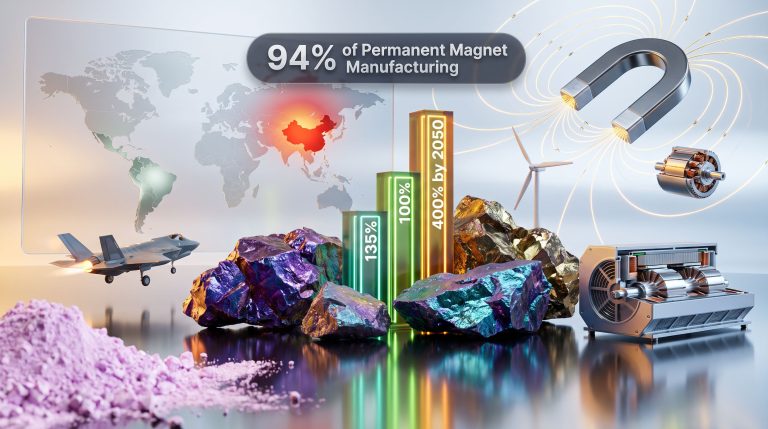
Japan's position in global rare earth markets reflects broader vulnerabilities shared by advanced economies dependent on concentrated supply chains. The nation imports approximately 70% of its rare earth elements from China, according to reporting by the Yomiuri Shimbun newspaper, creating significant exposure to supply disruptions during diplomatic tensions or trade disputes.
This dependency becomes particularly problematic when considering China's demonstrated willingness to weaponise mineral exports. Recent tensions escalated when Japanese Prime Minister Sanae Takaichi suggested Tokyo could respond militarily should China attack Taiwan, prompting Beijing to block exports of dual-use items with potential military applications.
Such incidents highlight the intersection between resource security and broader geopolitical stability. Furthermore, the deep‑sea mining controversy surrounding environmental impacts adds complexity to international resource extraction discussions.
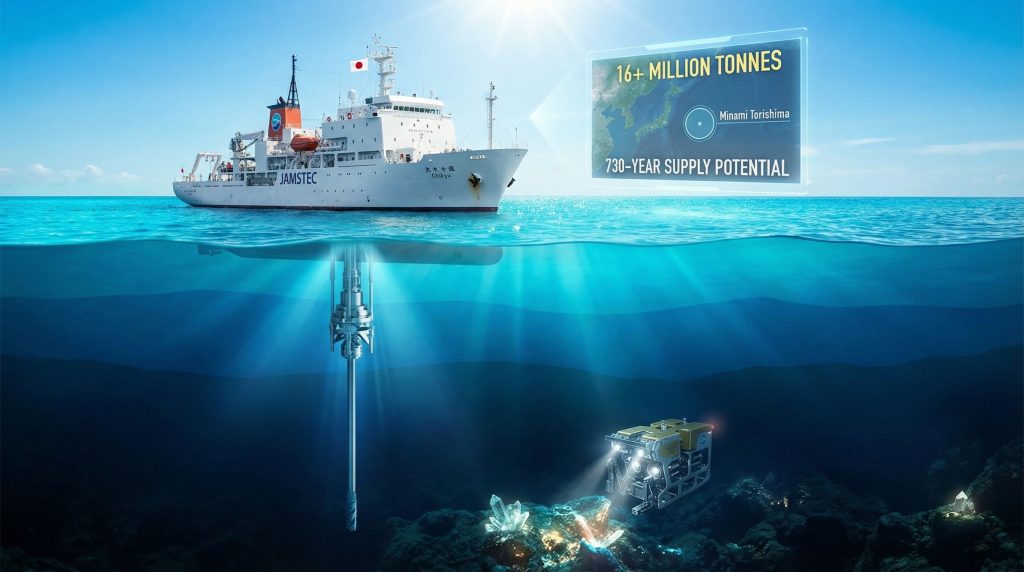
The Minami Torishima resource basin represents Japan's most promising pathway toward supply diversification. Located within Japan's exclusive economic zone, the deposit contains over 16 million tonnes of rare earth elements, positioning it as the third-largest rare earth reserve globally according to Nikkei business daily reporting.
This geographic advantage provides Japan with sovereign control over extraction rights and regulatory frameworks, eliminating dependency on foreign jurisdictions. Moreover, the development directly addresses critical minerals energy security concerns that affect multiple nations worldwide.
Why Deep-Sea Mining Represents a Geopolitical Game-Changer
Strategic mineral independence extends beyond simple economic calculations to encompass national security considerations. Japan's advanced manufacturing sectors, including automotive, electronics, and renewable energy equipment production, require consistent access to rare earth elements for maintaining competitive positioning in global markets.
The significance of Japan's Japan deep-sea rare earth discovery becomes apparent when examining supply chain concentration risks:
- Electric vehicle manufacturing depends on rare earth permanent magnets for motor efficiency
- Wind turbine generators require dysprosium for high-temperature magnet performance
- Defence technology systems utilise yttrium-based laser components
- Electronics production relies on multiple rare earth elements for display and component manufacturing
China's market dominance extends beyond raw material extraction to encompass processing and refining capabilities. According to the U.S. Geological Survey Mineral Commodity Summaries 2025, China continues to control the majority of global rare earth production and refining operations worldwide.
This integrated control creates multiple vulnerability points across supply chains. Historical precedent demonstrates China's strategic use of rare earth export controls during the 2010 maritime territorial dispute between Japan and China, when Beijing imposed rare earth export quotas affecting Japanese manufacturers.
The October 28, 2025 bilateral agreement represents coordinated response to Chinese supply chain dominance. Trump's critical minerals order reflects shared assessment of China as an unreliable strategic partner for essential technology inputs, whilst broader US‑China trade impacts continue shaping international commerce patterns.
The Minami Torishima Resource Basin: A Comprehensive Assessment
Japan's deep-sea mining initiative centres on the Minami Torishima deposit, a remote Pacific Ocean location that challenges conventional extraction methodologies. The site's extreme depth of 6,000 metres creates technical obstacles requiring specialised equipment and operational procedures unprecedented in commercial mining operations.
Geographic positioning within Japan's exclusive economic zone provides critical advantages over alternative rare earth sources. Unlike land-based deposits that may require international partnerships or complex mining rights negotiations, the Minami Torishima basin falls under Japanese sovereign jurisdiction.
The deposit's estimated 16+ million tonne capacity offers substantial strategic value when compared to global demand patterns. For context, this reserve size could potentially supply current global rare earth consumption for decades, fundamentally altering supply-demand dynamics and pricing structures across international markets.
Comparative analysis reveals the strategic significance of Japan's discovery:
| Global Rare Earth Reserves | Estimated Capacity (Tonnes) | Geographic Control | Processing Capability |
|---|---|---|---|
| China (Various Deposits) | 44 million | Chinese Sovereign | Integrated Processing |
| Mountain Pass (USA) | 1.4 million | US Sovereign | Limited Processing |
| Minami Torishima (Japan) | 16+ million | Japanese Sovereign | Under Development |
The technical challenges of deep-sea extraction at 6,000-metre depths require innovative approaches to sediment recovery and processing. Pressure conditions at this depth equal approximately 600 times atmospheric pressure at sea level, demanding specialised equipment capable of withstanding extreme environmental stress.
When big ASX news breaks, our subscribers know first
How Does 6,000-Meter Deep-Sea Extraction Technology Work?
Deep-ocean mineral extraction represents one of the most technically demanding applications of marine engineering, requiring integration of advanced drilling systems with extreme-environment operational capabilities. Japan's successful sediment recovery from 6,000-metre depths demonstrates technological feasibility for commercial-scale operations.
The Japan Agency for Marine-Earth Science and Technology (JAMSTEC) operates at the forefront of deep-sea research capabilities, utilising specialised vessels designed specifically for abyssal zone scientific missions. The technical achievement of rare earth sediment recovery from such depths establishes Japan as a leader in extreme-environment resource extraction methodologies.
JAMSTEC's Chikyu Vessel: Engineering Breakthrough Analysis
The Chikyu deep-sea drilling vessel represents the pinnacle of marine drilling technology, incorporating systems designed to operate effectively in the planet's most challenging oceanic environments. This specialised research vessel features dynamic positioning systems that maintain precise location over target drilling sites despite powerful ocean currents.
Key technical specifications enable the Chikyu's unprecedented operational capabilities:
- Pressure-resistant drilling equipment rated for extreme hydrostatic pressure environments
- Riserless mud recovery systems for controlled sediment collection and preservation
- Advanced core preservation technology maintaining sample integrity during retrieval
- Real-time monitoring systems providing continuous operational status assessment
The vessel's drilling methodology employs controlled procedures specifically adapted for deep-sea sediment recovery. Unlike terrestrial mining operations that can rely on gravity-assisted extraction, deep-ocean drilling must overcome massive hydrostatic pressure while preventing contamination of retrieved samples.
Equipment resilience requirements for 6,000-metre depth operations exceed typical marine engineering standards. All systems must withstand corrosive saltwater environments while maintaining operational precision under crushing pressure equivalent to supporting the weight of a 60-story building on every square centimetre of surface area.
First-of-Its-Kind Operational Parameters
Japan's characterisation of this mission as the world's first attempt to tap deep-sea rare earths at such depths reflects the unprecedented nature of the technical achievement. Previous deep-sea drilling operations focused primarily on scientific research rather than resource extraction, requiring adaptation of existing technologies for mineral recovery applications.
The sediment retrieval mechanism operates through specialised core sampling procedures designed to preserve rare earth element concentrations throughout the recovery process. Retrieved samples undergo immediate preservation protocols to prevent chemical degradation or contamination that could compromise analytical accuracy.
Processing methodology for deep-sea rare earth sediments differs significantly from traditional land-based mining industry innovation trends:
- Sample preservation during high-pressure retrieval operations
- Rapid decompression management preventing sample degradation
- Contamination prevention through specialised handling protocols
- Chemical composition analysis using advanced laboratory techniques
Laboratory analysis of retrieved sediments employs multiple analytical techniques to quantify rare earth element concentrations accurately. X-ray fluorescence spectroscopy provides initial elemental composition assessment, while inductively coupled plasma mass spectrometry enables precise quantification of individual rare earth elements.
Government spokesman Kei Sato indicated that recovered samples were being analysed for rare earth content quantification, representing the critical next phase in assessing commercial viability of the deposit. These analytical results will determine whether sediment concentrations justify the substantial infrastructure investment required for commercial-scale extraction operations.
Which Rare Earth Elements Drive Japan's Mining Investment Strategy?
Japan's deep-sea mining investment strategy targets specific rare earth elements that offer maximum strategic value through supply security improvements and technology sector support. The 17 rare earth elements, characterised as metals difficult to extract from the Earth's crust, serve critical roles in modern technology applications ranging from consumer electronics to advanced defence systems.
Strategic element prioritisation reflects Japan's assessment of supply chain vulnerabilities and technological dependencies. Heavy rare earth elements, including dysprosium and yttrium, represent particular strategic priorities due to limited alternative supply sources and critical applications in sectors essential to Japan's economic competitiveness.
Critical Mineral Portfolio Assessment
The Minami Torishima deposit's value proposition extends beyond simple tonnage capacity to encompass element diversity and quality characteristics. Early analysis suggests the deposit contains significant concentrations of strategically important elements, though comprehensive quantification awaits completion of sediment analysis from JAMSTEC's recent recovery mission.
| Element | Estimated Supply Duration | Primary Applications | Strategic Classification |
|---|---|---|---|
| Dysprosium | 730-year supply potential | EV motor magnets, wind turbine generators | Critical/High Priority |
| Yttrium | 780-year supply capacity | Laser technology, LED phosphors, defence systems | Critical/Defence-Related |
| Neodymium | Under analysis | Permanent magnets for motors/generators | Critical/Industrial |
Note: Supply duration estimates based on current global demand patterns and require verification through comprehensive deposit analysis.
Dysprosium represents perhaps the most strategically valuable element within the deposit due to its essential role in high-temperature permanent magnet applications. This element enhances magnet coercivity, enabling efficient operation at elevated temperatures critical for electric vehicle motors and wind turbine generators.
Current global demand for dysprosium reflects rapid expansion in both EV markets and renewable energy deployment. The automotive industry's transition toward electrification creates substantial dysprosium demand growth, with modern electric vehicle motors requiring approximately 1-2 kilograms of rare earth permanent magnets per vehicle.
Yttrium applications span both civilian and defence sectors, creating dual strategic value for Japanese supply security objectives. Yttrium oxide enables high-power laser systems used in military targeting and communication applications, while yttrium aluminium garnet crystals support industrial laser cutting and medical device manufacturing.
Supply Chain Diversification Impact Modelling
Japan's rare earth supply diversification strategy aims to reduce dependency vulnerabilities while maintaining cost competitiveness in global manufacturing markets. Alternative supply sources enable stronger negotiating positions with existing suppliers whilst providing operational continuity during supply disruptions.
Scenario analysis reveals multiple pathways for reduced Chinese dependency:
- Immediate impact: Alternative supply source reduces negotiating leverage imbalances
- Medium-term effects: Production cost stabilisation through supply competition
- Long-term outcomes: Technology sector resilience improvements and strategic autonomy
Manufacturing cost implications vary significantly across industry sectors depending on rare earth content and processing requirements. Electronics manufacturing, which typically requires smaller quantities of high-purity rare earth elements, may see limited direct cost impact.
However, automotive and renewable energy sectors using larger quantities of permanent magnet materials could experience more substantial cost and supply security benefits. The renewable energy sector represents a particularly important beneficiary of Japanese rare earth supply diversification.
What Are the Economic Security Implications for Japan-China Relations?
Economic security considerations increasingly shape bilateral relationships between major economies as supply chain vulnerabilities become tools of diplomatic leverage. Japan's Japan deep-sea rare earth discovery fundamentally alters the strategic balance in Japan-China economic relations by reducing Tokyo's dependency on Beijing for critical technology inputs.
Recent diplomatic tensions between Japan and China illustrate the intersection of resource security with broader geopolitical competition. China's response to Japanese statements regarding Taiwan defence commitments included blocking exports of dual-use items with potential military applications, demonstrating Beijing's willingness to weaponise trade relationships.
Trade Tension Response Mechanisms
China's export control strategy extends beyond rare earth elements to encompass dual-use technologies and intermediate products essential for advanced manufacturing. These restrictions target goods with both civilian and military applications, creating cascading effects throughout technology supply chains and defence manufacturing sectors.
Japanese vulnerability to Chinese export restrictions reflects broader dependency patterns across East Asian economies. The concentration of rare earth processing capabilities in China creates systemic risks that extend beyond bilateral trade relationships to encompass regional supply chain stability and industrial competitiveness.
Historical analysis reveals China's systematic use of export restrictions as diplomatic tools:
- 2010 incident: Rare earth export quotas during territorial disputes with Japan
- Recent tensions: Dual-use item restrictions following Taiwan-related statements
- Ongoing concerns: Processing capacity concentration creating leverage opportunities
Japan's deep-sea mining capability development directly addresses these vulnerability patterns by creating alternative supply sources under Japanese sovereign control. This strategic positioning enables Tokyo to negotiate from strengthened positions while reducing susceptibility to economic coercion tactics.
US-Japan Critical Minerals Partnership Framework
The bilateral agreement signed between President Trump and Prime Minister Takaichi on October 28, 2025 represents coordinated response to Chinese supply chain dominance across critical mineral sectors. This partnership framework prioritises supply chain security as a mutual strategic objective whilst facilitating technology transfer and investment coordination.
Strategic alignment between Washington and Tokyo reflects shared assessment of China's role as an unreliable partner for essential technology inputs. Both nations recognise the national security implications of dependency on Chinese-controlled supply chains for defence systems, advanced manufacturing, and critical infrastructure applications.
The partnership framework encompasses multiple dimensions of bilateral cooperation:
- Technology sharing for advanced extraction and processing methods
- Investment coordination to avoid duplicative research and development efforts
- Market access agreements ensuring mutual supply security during disruptions
- Joint research initiatives addressing common technical challenges
This collaboration model offers potential expansion to include additional allied nations facing similar supply chain vulnerabilities. Australia, South Korea, and European Union member states share comparable dependencies on Chinese rare earth processing capabilities, creating opportunities for multilateral supply chain diversification initiatives.
How Will Deep-Sea Mining Transform Global Rare Earth Markets?
Deep-sea mining technology represents a paradigm shift in global mineral extraction capabilities, potentially reshaping market dynamics across multiple commodity sectors. Japan's successful demonstration of 6,000-metre depth rare earth recovery establishes technological precedent for accessing previously inaccessible mineral resources worldwide.
Market transformation occurs through multiple mechanisms as new supply sources challenge existing pricing structures and supplier relationships. Traditional rare earth markets, dominated by land-based extraction and Chinese processing capabilities, must adapt to competition from alternative sources with different cost structures and operational characteristics.
Market Disruption Scenario Modelling
New supply source introduction typically creates price volatility as markets adjust to altered supply-demand dynamics. Japan's deep-sea rare earth production, once commercially operational, could significantly impact pricing for specific elements where Japan achieves substantial market share.
Dysprosium markets face particular disruption potential given Japan's estimated 730-year supply capacity from the Minami Torishima deposit. Current global dysprosium consumption patterns could shift dramatically if Japanese production achieves cost competitiveness with existing Chinese sources.
Price volatility predictions suggest initial market uncertainty followed by stabilisation at new equilibrium levels:
- Phase 1: Market uncertainty and price fluctuation during production ramp-up
- Phase 2: Competition-driven price discovery and supplier relationship adjustments
- Phase 3: New equilibrium establishment with diversified supply base
- Phase 4: Long-term stability through competitive market structure
Chinese market dominance erosion timeline depends on Japanese production scaling success and cost competitiveness achievement. While China maintains substantial advantages through established processing infrastructure and economies of scale, alternative supply sources reduce Beijing's unilateral pricing power.
Investment flow redirection patterns emerge as manufacturers and technology companies reassess supply chain strategies. Companies previously dependent on Chinese suppliers may diversify sourcing arrangements or invest in alternative supply chain development to reduce concentration risks.
Industry Adoption Readiness Assessment
Electric vehicle manufacturers represent the most immediate beneficiaries of diversified rare earth supply chains due to substantial permanent magnet requirements for motor efficiency. Major automotive companies including Toyota, Honda, and international manufacturers operating in Japanese markets could integrate Japanese-sourced rare earth elements into production processes.
Supply security improvements enable more aggressive EV deployment strategies by reducing input material risk exposure. Automotive manufacturers can commit to larger production volumes when confident about rare earth supply consistency and pricing stability.
Renewable energy sector adoption patterns reflect similar supply security priorities. Wind turbine manufacturers require guaranteed dysprosium access for permanent magnet generator production, whilst solar panel manufacturers depend on various rare earth elements for electronic components and power conversion systems.
Defence industry strategic material access represents a critical adoption area given national security implications of supply chain reliability. Japanese defence contractors and international partners require assured access to yttrium and other rare earth elements for advanced weapons systems, communication equipment, and precision manufacturing applications.
What Environmental and Regulatory Challenges Must Be Addressed?
Deep-sea mining operations present unique environmental challenges requiring comprehensive impact assessment and mitigation strategies. Unlike terrestrial mining activities with established regulatory frameworks, deep-ocean mineral extraction operates in ecosystems that remain poorly understood and potentially highly sensitive to industrial disruption.
Marine biodiversity concerns centre on potential impacts to deep-sea ecosystems that support unique species adapted to extreme pressure and low-light conditions. These environments often feature slow growth rates and specialised ecological relationships that could face significant disruption from sediment extraction activities.
According to Japan's first deep-sea rare earth mining expedition, environmental monitoring represents a critical component of operational planning. Furthermore, Japan's rare earth discovery in deep-sea sediments highlights the unprecedented nature of these operations.
Deep-Sea Ecosystem Impact Evaluation
Environmental risk assessment frameworks for deep-sea mining must address multiple impact categories across different temporal and spatial scales. Immediate effects include sediment plume generation during extraction operations, whilst long-term consequences could encompass habitat modification and species population changes.
Sediment extraction at 6,000-metre depths creates disturbance patterns unlike any terrestrial mining operations. Sediment plumes generated during extraction could spread across substantial ocean areas, potentially affecting marine life hundreds of kilometres from extraction sites.
Critical environmental considerations include:
- Benthic habitat disruption through direct sediment removal
- Water column contamination via suspended sediment particles
- Marine life displacement during operational periods
- Ecosystem recovery timelines following extraction completion
Deep-sea ecosystems often feature extremely slow biological processes due to cold temperatures, high pressure, and limited nutrient availability. Recovery from industrial disturbance could require decades or centuries, making environmental impact mitigation particularly important for sustainable operations.
International maritime law considerations add complexity to regulatory compliance requirements. Operations within Japan's exclusive economic zone fall under Japanese jurisdiction, but environmental impacts could extend beyond national boundaries into international waters subject to different regulatory frameworks.
Sustainable Extraction Protocol Development
Environmental monitoring systems for deep-sea mining require advanced technology capable of operating in extreme conditions whilst providing real-time assessment of ecological impacts. Monitoring protocols must track both immediate operational effects and long-term ecosystem changes across multiple biological and chemical parameters.
Restoration and mitigation strategies present significant technical challenges given the inaccessibility and extreme conditions of deep-sea environments. Traditional land-based restoration techniques cannot be applied to 6,000-metre depth environments, requiring development of novel approaches to ecosystem recovery support.
Regulatory framework development for deep-sea mining must balance economic development objectives with environmental protection requirements. Japan's pioneering role in deep-sea rare earth extraction creates opportunities to establish best practices for sustainable marine mining operations.
Long-term ecological impact modelling requires extensive baseline data collection to understand natural ecosystem dynamics before industrial activities commence. Current scientific knowledge of deep-sea ecosystems remains limited, necessitating comprehensive research programmes to support informed environmental management decisions.
The next major ASX story will hit our subscribers first
When Will Commercial-Scale Deep-Sea Rare Earth Production Begin?
Commercial deep-sea mining timeline development depends on successful resolution of multiple technical, economic, and regulatory challenges currently under evaluation through Japan's ongoing testing and analysis programmes. The transition from successful sediment recovery to full-scale commercial operations requires substantial infrastructure investment and operational scaling.
Japan's announcement of full-scale mining trials scheduled for February 2027 represents the next critical milestone in commercial development timelines. These trials will assess operational feasibility, cost structures, and production capacity potential under realistic commercial conditions rather than limited research missions.
2027 Full-Scale Trial Timeline Analysis
The progression from current testing phases to 2027 full-scale trials requires completion of multiple intermediate milestones including sediment analysis, equipment scaling, and regulatory approval processes. Current JAMSTEC sediment samples undergo comprehensive analysis to determine rare earth concentrations and extraction feasibility.
Investment requirements for commercial operations extend far beyond research vessel capabilities to encompass dedicated mining infrastructure, processing facilities, and transportation systems. Cost projections for commercial-scale deep-sea mining typically exceed billions of dollars for full operational capability development.
Project milestone progression includes critical decision points:
- Sediment analysis completion (2026) – Determining commercial viability
- Equipment development (2026-2027) – Scaling from research to commercial systems
- Full-scale trials (February 2027) – Operational feasibility demonstration
- Commercial decision (2027-2028) – Final investment approval
- Infrastructure development (2028-2030) – Processing and transportation systems
- Commercial production (Early 2030s) – Full-scale operations
Production capacity scaling scenarios depend on successful resolution of technical challenges identified during trial operations. Deep-sea mining presents unique operational complexities that may require multiple trial cycles before achieving reliable commercial production levels.
Market Entry Strategy Implications
Japanese entry into global rare earth markets will require competitive positioning against established suppliers with decades of operational experience and optimised cost structures. China's integrated supply chain advantages, including processing infrastructure and established customer relationships, present significant competitive challenges for new market entrants.
Technology licensing potential represents an important revenue opportunity for Japan's deep-sea mining innovations. Other nations with suitable offshore mineral deposits could benefit from Japanese technology transfer, creating additional revenue streams beyond direct rare earth sales.
Competitive advantages for Japanese deep-sea mining include:
- Supply chain security appeals to manufacturers seeking diversified sourcing
- Sovereign control eliminating geopolitical supply disruption risks
- Advanced technology potentially enabling superior product quality
- Strategic partnerships with allied nations seeking alternative suppliers
Global rare earth supply chain restructuring timeline extends beyond Japanese production commencement to encompass broader market adaptation and competitive response. Chinese suppliers may respond through pricing strategies, technology improvements, or market access restrictions designed to maintain market position.
International adoption of Japanese rare earth sources will require establishment of processing capabilities, quality certification systems, and logistics infrastructure supporting global distribution. These supporting systems represent substantial additional investment requirements beyond primary extraction operations.
Investment and Strategic Outlook for Deep-Sea Mining
Deep-sea mining represents an emerging investment sector with potential for substantial returns alongside significant risk exposure across multiple operational and market dimensions. Japan's pioneering role in deep-sea rare earth extraction creates investment opportunities whilst establishing technology leadership in marine resource development.
Capital requirements for commercial deep-sea mining operations exceed traditional mining investment scales due to specialised equipment needs, extreme operating conditions, and limited operational precedent for cost estimation. Industry analysts estimate total investment requirements could reach several billion dollars for full commercial capability development.
Capital Allocation Trends in Marine Resource Extraction
Japan's investment commitment since 2018 totals approximately $250 million across research, development, and operational testing programmes according to government spending disclosures. This investment level reflects serious commitment to deep-sea mining viability assessment whilst remaining modest compared to potential commercial operation requirements.
Return on investment projections for deep-sea mining depend heavily on successfully achieving cost competitiveness with existing rare earth suppliers. Higher operational costs due to extreme environment requirements must be offset through premium pricing, supply security value, or operational efficiency advantages.
Venture capital interest in marine mining technologies has increased substantially as traditional land-based mineral deposits face depletion concerns and environmental restrictions. Technology companies developing deep-sea extraction, processing, and monitoring systems represent potential investment opportunities across the supply chain.
Risk-adjusted return calculations must account for substantial operational uncertainties including:
- Technical feasibility at commercial scales
- Environmental regulatory compliance costs
- Market acceptance of deep-sea sourced materials
- Competitive response from established suppliers
Geopolitical Risk Mitigation Through Resource Diversification
Strategic autonomy achievement through domestic rare earth production offers substantial value beyond direct economic returns. Supply chain independence reduces vulnerability to foreign supplier coercion whilst enhancing negotiating leverage in international trade relationships.
National security enhancement through supply chain control justifies substantial government investment in deep-sea mining capabilities even if direct economic returns remain modest. Defence applications of rare earth elements create strategic value calculations extending beyond commercial market considerations.
Technology export potential for allied nations facing similar supply chain vulnerabilities represents an additional value creation opportunity. Countries including Australia, South Korea, and European Union members could benefit from Japanese deep-sea mining technology transfer, creating multilateral partnership opportunities.
International collaboration frameworks enable cost sharing and risk distribution across multiple nations with shared strategic interests. Cooperative development approaches could accelerate technology advancement whilst reducing individual nation investment requirements.
In conclusion, Japan's Japan deep-sea rare earth discovery represents a watershed moment in global resource security strategy. The successful transition from research to commercial operations could fundamentally reshape international supply chains whilst providing a template for sustainable deep-sea mining practices worldwide.
Disclaimer: This analysis includes forward-looking statements and speculative assessments based on current information and industry trends. Deep-sea mining remains an emerging technology with substantial operational and financial uncertainties. Investment decisions should consider comprehensive risk assessment and professional financial guidance.
Looking for Investment Opportunities in Resource Independence?
Japan's pioneering deep-sea rare earth extraction programme demonstrates how nations are securing strategic mineral independence, creating substantial opportunities for investors seeking exposure to critical resource developments. Discovery Alert's proprietary Discovery IQ model delivers real-time alerts on significant ASX mineral discoveries, instantly empowering subscribers to identify actionable opportunities ahead of the broader market and begin their 14-day free trial today to position themselves at the forefront of emerging resource sector developments.