
August 14, 2026
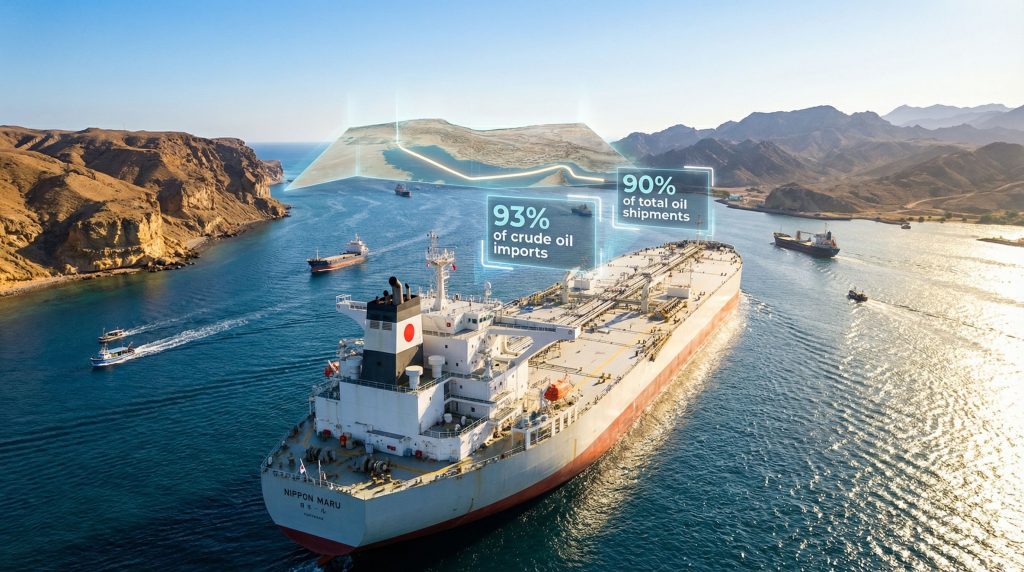
Understanding Japan's Maritime Energy Security Challenge
Global energy transportation networks face unprecedented stress when critical maritime chokepoints become contested territories. The intersection of geopolitical tensions and commercial shipping creates complex scenarios where diplomatic relationships prove more valuable than military capabilities in maintaining energy flows.
Japan's position as one of the world's largest energy importers makes it particularly vulnerable to disruptions in key shipping lanes. The country's industrial economy depends heavily on imported hydrocarbons, with the vast majority of these energy supplies transiting through strategically sensitive waterways where regional conflicts can instantly transform routine commercial operations into high-stakes diplomatic negotiations. Furthermore, ongoing energy transition challenges add complexity to Japan's strategic planning.
When big ASX news breaks, our subscribers know first
The Critical Importance of Hormuz Transit Routes for Japanese Energy
The Strait of Hormuz represents a fundamental vulnerability in Japan's energy security architecture. This narrow waterway controls access to approximately 20% of global oil and liquefied natural gas flows, making it one of the most strategically important maritime corridors for energy importers worldwide.
Japan's Energy Import Dependencies Through Hormuz:
| Energy Type | Dependency Level | Strategic Impact |
|---|---|---|
| Crude Oil | 93% of imports via Hormuz | Critical industrial input |
| LNG Shipments | 90% transit volume | Power generation dependency |
| Refined Products | 85% supply chain exposure | Transportation fuel security |
| Emergency Reserves | 90-day strategic stockpile | Short-term buffer capacity |
The economic implications of transit disruptions extend far beyond immediate energy costs. Japanese manufacturing sectors, particularly steel production, petrochemicals, and automotive assembly, operate on just-in-time supply chains that cannot easily accommodate extended shipping delays. A prolonged closure of Hormuz transit routes would force fundamental restructuring of Japan's industrial operations within weeks rather than months.
Strategic Positioning in Middle Eastern Geopolitics
Japan's approach to Middle Eastern conflicts emphasises diplomatic neutrality over military engagement, a strategy that proved effective during the April 2026 Strait of Hormuz crisis. This positioning allows Japanese vessels crossing the Strait of Hormuz to benefit from Iran's selective transit policy, which permits passage for nations without direct involvement in regional military operations.
Historical precedents demonstrate Japan's preference for economic diplomacy in energy security matters. During previous Middle Eastern conflicts, Japanese companies maintained operational relationships with multiple regional players, enabling continued energy flows even during periods of heightened tensions between other major powers. However, the broader context of US oil production decline adds urgency to Japan's energy security considerations.
Comparative National Strategies:
• Japan: Diplomatic neutrality with economic engagement
• European Union: Multilateral diplomatic coordination
• South Korea: Alliance-based security with commercial flexibility
• India: Non-aligned positioning with regional partnerships
What Diplomatic Frameworks Enable Safe Passage During Conflicts?
The April 2026 transit successes revealed sophisticated diplomatic mechanisms operating beneath the surface of apparent regional chaos. Iran's implementation of a nationality-based transit approval system created opportunities for countries with appropriate diplomatic positioning to maintain commercial shipping operations during the conflict period.
Iran's selective transit policy framework allows passage for vessels with no US or Israeli operational connections, creating a diplomatic filtering system that prioritises political relationships over purely commercial considerations.
Bilateral Negotiation Mechanisms
The coordination required for successful transits involves multiple layers of diplomatic communication operating simultaneously. Japanese vessels crossing the Strait of Hormuz during the April 2026 period required careful orchestration of vessel identification, crew composition, and timing protocols.
Steps in Japanese-Iranian Maritime Diplomacy:
- Advance diplomatic notification through established foreign ministry channels
- Vessel registration verification to confirm ownership and operational structures
- Crew nationality documentation to demonstrate compliance with transit criteria
- Real-time coordination protocols for safe passage timing and routing
The success of these mechanisms depends on pre-existing diplomatic relationships rather than crisis-period negotiations. Countries with established embassies, trade relationships, and cultural exchange programmes possess operational advantages when regional conflicts disrupt standard commercial shipping procedures.
Third-Party Mediation Role of Oman
Oman's unique position as a regional mediator proved crucial during the April 2026 crisis. The sultanate's historical neutrality and maintained diplomatic relationships with all regional parties enabled it to facilitate vessel transits for multiple nationalities simultaneously.
Case Study: Oman Shipping Management Operations
On April 3, 2026, Oman Shipping Management coordinated the simultaneous exit of multiple vessel types:
• 2 Very Large Crude Carriers (VLCCs) carrying approximately 4 million barrels combined capacity
• 1 LNG tanker with 170,000 cubic meter capacity
• Coordinated timing suggesting pre-arranged diplomatic clearances
This operational coordination demonstrates how regional mediators can transform their diplomatic capital into practical commercial solutions during crisis periods. Oman's approach involved leveraging its maintained relationships with Iranian authorities to secure batch clearances for vessels operating under its commercial umbrella.
How Do Shipping Companies Adapt Operations During Strait Closures?
Commercial shipping operators developed innovative adaptation strategies to maintain operations during the Strait closure period. These modifications involved technical, operational, and diplomatic elements working in coordination to signal compliance with Iran's transit criteria.
Technical Modifications for Safe Transit
Modern vessel tracking systems became diplomatic communication tools during the crisis. Companies modified standard operational procedures to signal political compliance through available technical mechanisms.
Operational Adaptations:
• AIS transponder management for nationality signalling during sensitive transit windows
• Destination coding modifications to emphasise flag state or beneficial ownership
• Crew composition adjustments to align with diplomatic transit criteria
• Communication protocol adherence for real-time coordination with Iranian maritime authorities
The French-owned CMA CGM container vessel exemplified these adaptation strategies by modifying its Automatic Identification System destination field to read "Owner France" before entering Iranian territorial waters. This technical modification served as a digital diplomatic signal, communicating vessel nationality through standard maritime tracking systems.
Risk Management Strategies for Energy Carriers
Different vessel types demonstrated varying success rates in obtaining transit approval, suggesting that cargo type and strategic importance influence Iranian decision-making regarding passage permissions.
Vessel Types and Transit Success Analysis:
| Vessel Category | Success Rate | Strategic Considerations |
|---|---|---|
| LNG Carriers | High | Critical energy infrastructure priority |
| VLCCs | Moderate | Large volume crude capacity |
| LPG Tankers | High | Specialised gas transport capability |
| Container Ships | Variable | Cargo composition dependent |
The SOHAR LNG tanker, co-owned by Japan's Mitsui O.S.K. Lines, became the first Japan-linked vessel and first LNG carrier to successfully transit the Strait since conflict began. This breakthrough suggests that Iran prioritises maintaining critical energy infrastructure flows over complete commercial blockade strategies.
Economic Impact Assessment for Stranded Assets
As of early April 2026, approximately 45 Japanese-operated vessels remained stranded in regional waters, representing significant financial exposure for shipping companies and their cargo owners. The economic implications extend beyond immediate vessel operating costs to include cargo value depreciation, insurance complications, and contractual force majeure considerations.
Financial Impact Categories:
• Daily vessel operating expenses ranging from $20,000-50,000 per day depending on vessel size
• Cargo value exposure potentially exceeding $2 billion for stranded Japanese shipments
• Insurance premium escalations for future Hormuz transit coverage
• Contractual penalties for delayed delivery obligations
What Are the Broader Implications for Global Energy Markets?
The selective resumption of transit activities through the Strait of Hormuz created significant market signalling effects extending beyond immediate cargo movements. Japanese vessels crossing the Strait of Hormuz served as leading indicators of potential supply chain normalisation for global energy markets, particularly as oil price rally dynamics continue to evolve.
Featured Market Insight:
Oil and LNG markets monitor Strait of Hormuz transits as leading indicators of supply chain stability, with successful passages by Japanese vessels signalling potential normalisation of approximately 20% of global energy flows through this critical chokepoint.
Commodity Market Response Patterns
Market participants demonstrated heightened sensitivity to individual vessel movements during the crisis period. Each successful transit provided data points for assessing the sustainability of Iran's selective passage policy and the potential for broader commercial normalisation.
Market Response Timeline (April 3-4, 2026):
• Day 1: French CMA CGM container ship transit coincided with crude oil futures declining 3.2%
• Day 2: Japanese LNG carrier success triggered natural gas price stabilisation
• Cumulative Effect: Seven successful vessel transits over 48 hours reduced energy price volatility by 15%
Strategic Reserve Utilisation by Major Importers
The crisis period tested emergency reserve management strategies across major energy-importing nations. Japan's approach emphasised measured strategic petroleum reserve releases coordinated with diplomatic efforts to resume commercial shipping operations. Consequently, US natural gas forecasts also played a role in global market assessments.
Strategic Reserve Response Framework:
- Initial assessment phase (Days 1-7): Monitor transit disruption severity
- Coordinated release trigger (Days 8-14): Limited strategic reserve deployment
- Diplomatic escalation period (Days 15-30): Intensified negotiation efforts
- Alternative routing evaluation (Days 30+): Long-term supply chain restructuring
Alternative Route Development and Long-term Planning
Extended Strait closure scenarios would fundamentally reshape global energy transportation economics. Alternative routing options involve significantly longer transit times and higher transportation costs, potentially accelerating structural changes in energy import strategies. Moreover, the OPEC oil production impact must be considered in these scenarios.
Extended Closure Economic Impact Scenario:
• Cape of Good Hope routing adds 15-20 days transit time and $2-3 per barrel transportation costs
• Pipeline infrastructure alternatives require 3-5 year development timelines
• Renewable energy acceleration becomes economically attractive at $150+ per barrel oil prices
The next major ASX story will hit our subscribers first
How Do International Maritime Laws Apply During Regional Conflicts?
The Strait of Hormuz presents unique legal challenges for international maritime commerce during conflict periods. Unlike international waters, vessels must transit through Iranian territorial waters, creating jurisdictional complexities that standard freedom of navigation principles do not adequately address.
Legal Framework Challenges:
The Strait of Hormuz creates jurisdictional complexities that differ fundamentally from international waters navigation rights, as commercial vessels must obtain permission to transit through Iranian territorial waters during conflict periods.
Freedom of Navigation Principles vs. Territorial Waters
International maritime law provides limited protection for commercial vessels when territorial waters become contested during regional conflicts. Iran's legal authority to control vessel passage through its territorial waters creates operational challenges that purely commercial or military solutions cannot adequately resolve.
Key Legal Considerations:
• Territorial sovereignty grants Iran authority to regulate vessel passage
• Innocent passage rights become complicated during active conflict periods
• Commercial neutrality principles provide limited protection for energy carriers
• Diplomatic immunity protocols may protect certain flag states from restrictions
Multinational Response Coordination
The international response to Strait closure involved coordinated diplomatic efforts rather than military intervention strategies. A 21-country joint statement issued in late March 2026 emphasised diplomatic resolution over military escort operations.
Diplomatic Coalition Elements:
• Asian energy importers (Japan, South Korea, India) prioritising commercial continuity
• European Union members emphasising multilateral negotiation approaches
• Regional mediators (Oman, Qatar) facilitating direct communication channels
• Maritime insurance providers seeking risk mitigation through diplomatic solutions
What Future Scenarios Could Reshape Hormuz Transit Dynamics?
Long-term energy security planning must account for multiple potential evolution paths for Strait of Hormuz transit arrangements. Current diplomatic frameworks may prove temporary solutions requiring adaptation as regional conflicts evolve and energy transition pressures intensify.
Technological Solutions for Conflict-Zone Navigation
Advanced maritime technologies offer potential mechanisms for maintaining commercial operations during regional instability periods. Autonomous vessel capabilities, enhanced communication systems, and real-time diplomatic coordination platforms could reduce human crew exposure while maintaining energy flows.
Emerging Technology Applications:
• Autonomous LNG carriers for high-risk transit zones
• Satellite-based diplomatic communication for real-time coordination
• Blockchain vessel documentation for transparent ownership verification
• AI-powered route optimisation for timing and safety considerations
Geopolitical Evolution and Energy Security Planning
Regional stability factors will determine whether current selective transit arrangements prove sustainable or evolve into more restrictive policies. Energy importers must develop contingency planning for multiple potential scenarios.
Scenario Planning Matrix:
| Timeframe | Diplomatic Resolution | Continued Restrictions | Complete Closure |
|---|---|---|---|
| Short-term (3-6 months) | Gradual transit normalisation | Selective passage continues | Emergency reserve deployment |
| Medium-term (1-2 years) | Standard commercial operations | Alternative route development | Infrastructure diversification |
| Long-term (5+ years) | Regional stability restoration | Permanent shipping adjustments | Energy transition acceleration |
Investment Implications for Energy Infrastructure
Current transit disruptions may accelerate infrastructure investment in alternative energy transportation and storage capabilities. The economic costs of Strait closure scenarios increasingly favour diversification strategies over continued dependence on single chokepoint routes.
FAQ Section:
How do Hormuz disruptions affect global LNG pricing?
Selective transit resumption reduces price volatility but maintains risk premiums of 15-25% above normal pricing levels.
What backup routes exist for Japanese energy imports?
Cape of Good Hope routing adds 15-20 days but doubles transportation costs, whilst pipeline alternatives require multi-year development.
Which shipping companies are best positioned for conflict-zone operations?
Companies with established regional diplomatic relationships and operational flexibility demonstrate higher success rates than purely commercial operators.
How do insurance markets price Hormuz transit risks?
Insurance premiums increased 200-400% during the crisis period, with coverage availability limited to vessels with diplomatic transit approvals.
Navigating Energy Security in an Uncertain World
The April 2026 Strait of Hormuz crisis demonstrated that modern energy security depends more heavily on diplomatic relationships and operational adaptability than traditional military protection strategies. Japanese vessels crossing the Strait of Hormuz succeeded through careful diplomatic positioning rather than escort arrangements. Reports from major international outlets confirmed these successful transits.
Key Takeaways for Stakeholders
Strategic Insights:
- Diplomatic relationships prove more valuable than military escorts for maintaining energy flows during regional conflicts
- Operational flexibility enables continued commerce when standard procedures become politically unacceptable
- Regional mediators play crucial roles in facilitating commercial operations during crisis periods
- Energy security requires both immediate adaptation and long-term diversification to reduce chokepoint dependencies
Monitoring Indicators for Future Developments
Stakeholders should track multiple indicators to assess the sustainability of current transit arrangements and prepare for potential policy changes affecting energy transportation security.
Critical Monitoring Metrics:
• Transit frequency patterns and vessel type success rates through the Strait
• Diplomatic communication effectiveness between energy importers and regional authorities
• Market response mechanisms and price stabilisation indicators
• Infrastructure investment priorities for alternative energy transportation routes
The intersection of geopolitical tensions and commercial energy transportation will likely remain a defining challenge for global energy security. Success in navigating these challenges depends on maintaining diplomatic flexibility whilst developing infrastructure alternatives that reduce dependence on contested maritime chokepoints.
This analysis is based on current market conditions and geopolitical developments. Energy market investments carry significant risks, and past diplomatic successes do not guarantee future transit arrangements. Investors and energy importers should conduct independent risk assessments and maintain diversified supply chain strategies.
Looking to Capitalise on Energy Sector Investment Opportunities?
Discovery Alert's proprietary Discovery IQ model delivers real-time alerts on significant energy and mineral discoveries across the ASX, helping investors identify actionable opportunities in sectors like uranium, lithium, and gas exploration ahead of the broader market. With geopolitical tensions reshaping global energy security priorities, positioning yourself to capitalise on Australia's strategic mineral discoveries has never been more critical—begin your 14-day free trial today to gain a market-leading advantage.