June 30, 2026
The global nickel supply landscape has reached a critical inflection point, with traditional production centers facing mounting pressure from geopolitical tensions and environmental regulations. As battery manufacturers scramble to secure sustainable feedstock for the electric vehicle revolution, the emergence of new supply corridors becomes increasingly vital to Western energy transition security. Against this backdrop, Lifezone secures exclusivity over Musongati nickel project in Burundi represents more than just another mining development – it signals a fundamental shift in how critical minerals supply chains are being restructured to support the global energy transition.
Strategic Positioning in the East African Nickel Belt
The East African region has emerged as a focal point for Western nations seeking to diversify their critical minerals supply chains away from traditional sources. This strategic shift reflects growing recognition that geological advantages, combined with infrastructure synergies, could position the region as a competitive alternative to established laterite producers in Southeast Asia.
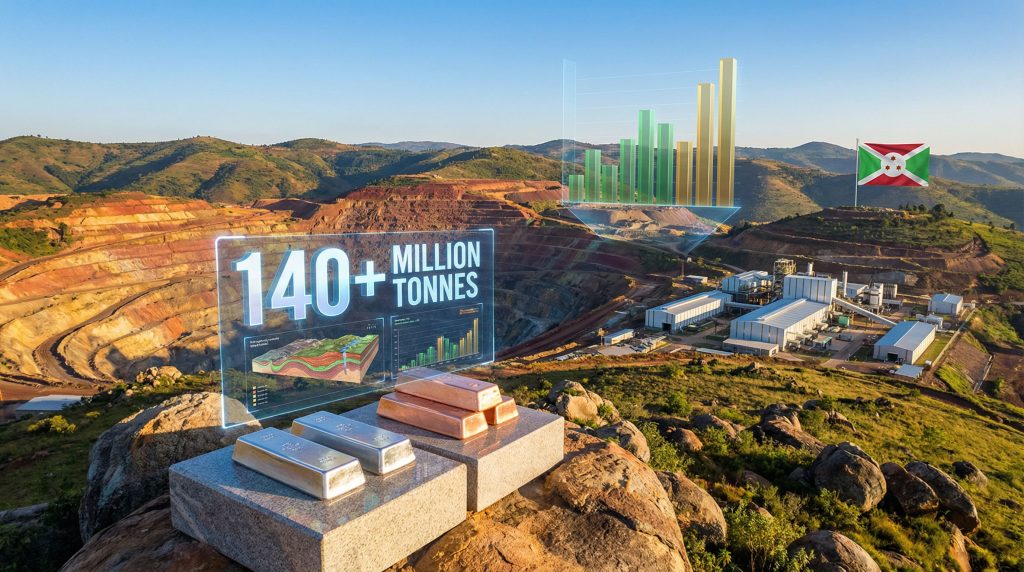
Lifezone Metals has secured a 14-month exclusivity agreement with Burundi's government to evaluate the Musongati nickel project, representing one of the country's largest known nickel deposits. The project encompasses a resource base exceeding 140 million tonnes, positioned approximately 200 kilometers southwest of Lifezone's flagship Tamarack nickel-copper project operations.
The exclusivity framework provides Lifezone with comprehensive evaluation rights, including the deployment of geological and technical resources toward developing exploration and economic assessment programs. An initial 30-day scoping study will utilise historical exploration data to accelerate the resource evaluation process.
Regional Infrastructure Synergies
The proximity between Musongati and Kabanga creates potential for significant operational efficiencies through shared infrastructure development. This regional approach to resource development could yield substantial capital cost advantages compared to standalone facility construction.
Key infrastructure considerations include:
• Transportation networks linking both deposits to export corridors
• Processing facility optimisation through economies of scale
• Power and water resource sharing between operations
• Skills development programmes benefiting both projects
• Regulatory coordination across the Tanzania-Burundi border
The strategic importance of this regional consolidation extends beyond operational efficiency to encompass geopolitical supply chain diversification objectives. Furthermore, understanding nickel importance & uses becomes crucial when evaluating the broader implications of this development. By creating an integrated East African nickel hub, the initiative addresses Western nations' concerns about over-reliance on Chinese-controlled processing facilities and Southeast Asian production dominance.
When big ASX news breaks, our subscribers know first
Resource Scale and Global Competitiveness Analysis
The Musongati deposit's 140+ million tonne resource base positions it among the world's significant laterite deposits, though specific grade characteristics and metallurgical properties require further technical evaluation through the ongoing scoping study process.
Global Laterite Deposit Comparison:
| Deposit | Resource (Mt) | Location | Status |
|---|---|---|---|
| Musongati | 140+ | Burundi | Evaluation |
| Goro | 60 | New Caledonia | Operating |
| Ravensthorpe | 39 | Australia | Operating |
| Weda Bay | 780 | Indonesia | Operating |
| Pomalaa | 166 | Indonesia | Operating |
The scale advantage becomes apparent when considering that many established laterite operations work with significantly smaller resource bases. However, successful development depends heavily on metallurgical characteristics, processing complexity, and infrastructure costs rather than tonnage alone.
Multi-Metal Recovery Potential
Historical studies indicate potential for recovering multiple valuable by-products from the Musongati deposit, including copper, cobalt, gold, platinum group metals, and scandium. This diversified metal profile could significantly enhance project economics compared to single-product operations.
By-product Revenue Streams:
• Copper recovery from laterite processing circuits
• Cobalt extraction for battery supply chains
• Platinum group metals from geological formations
• Gold recovery through integrated processing
• Scandium production for aerospace applications
The scandium opportunity deserves particular attention, as this rare earth element commands premium prices in aerospace and advanced materials applications. Few laterite operations successfully recover scandium commercially, presenting a potential competitive advantage for integrated processing facilities.
Development Pathway Scenarios
Three distinct development pathways emerge for the Musongati project, each carrying different risk profiles, capital requirements, and market positioning strategies.
Integrated Regional Hub Development
This scenario envisions combining Musongati and Kabanga resources into a single, large-scale metallurgical complex capable of processing ore from both deposits. The integrated approach maximises economies of scale while creating operational flexibility through dual-feed capability.
Development Timeline: 5-7 years from commitment to production
Capital Investment: Estimated $2-3 billion for integrated facility
Processing Strategy: Combined sulfide-laterite processing technology
Market Impact: Potential 15-20% increase in Western-aligned nickel supply
The integrated hub model offers several compelling advantages:
• Cost optimisation through shared infrastructure
• Technical synergies between sulfide and laterite processing
• Risk diversification across multiple ore bodies
• Operational flexibility during maintenance or geological challenges
• Enhanced financing appeal through scale and diversification
Standalone Laterite Operation
A dedicated Musongati facility would prioritise speed-to-market over scale optimisation, utilising proven High Pressure Acid Leach (HPAL) technology to process laterite ore independently of other regional projects.
Development Timeline: 3-5 years accelerated pathway
Capital Investment: $1-1.5 billion dedicated facility
Processing Technology: Conventional HPAL with by-product recovery
Market Positioning: Direct competition with Indonesian and Philippine producers
This approach offers distinct benefits for specific market conditions:
• Faster time-to-market compared to integrated development
• Lower initial capital requirements
• Proven technology with established operating parameters
• Independent operation reducing project interdependencies
• Focused management attention on single-asset optimisation
Strategic Partnership Model
Joint venture development with automotive manufacturers or battery producers could provide secured offtake agreements while sharing capital risk and ensuring product specifications align with end-user requirements.
Partnership Timeline: 2-4 years for joint venture structuring
Capital Structure: Shared investment with strategic partners
Processing Focus: Customised specifications for specific applications
Market Access: Secured long-term supply agreements
FORGE Initiative and Critical Minerals Strategy
The Musongati exclusivity agreement was formalised during a ceremony at the US Department of State, highlighting its strategic significance within broader Western critical minerals strategy initiatives. The Forum on Resource Geostrategic Engagement (FORGE), launched in February 2026 to replace the Mineral Security Partnership, represents a coordinated approach to strengthening critical minerals supply chains.
Lifezone secures exclusivity over Musongati nickel project in Burundi represents a key milestone within FORGE's multilateral framework, which involves the United States, partner nations, and institutions including the European Commission in coordinated engagement to reduce dependency on Chinese-controlled processing and Southeast Asian supply dominance.
Technology Transfer and Digital Innovation
A parallel development involves KoBold Metals signing a separate memorandum of understanding with Burundi to support digitisation of the country's geological data using artificial intelligence and advanced data analysis techniques.
KoBold Partnership Elements:
• AI-driven exploration accelerating resource definition
• Geological database digitisation and modernisation
• Advanced data analysis improving exploration efficiency
• Technology transfer building local technical capabilities
• Digital transformation of national mineral resources management
This technological cooperation demonstrates how modern exploration techniques can accelerate traditional geological assessment processes, potentially reducing the time and cost required for comprehensive resource evaluation.
Western Market Positioning Strategy
As a NYSE-listed entity, Lifezone maintains structural advantages for accessing institutional capital markets and meeting Environmental, Social, and Governance (ESG) requirements increasingly demanded by Western investors and end-users.
Strategic Advantages:
• Regulatory alignment with Western compliance frameworks
• ESG compliance meeting institutional investor requirements
• Capital market access through established US listing
• Government relations supporting permitting and development processes
• Supply chain integration with Western battery manufacturers
Infrastructure Development Challenges
Successful development of the Musongati project requires addressing significant infrastructure constraints affecting both transportation and processing facility operations.
Transportation and Logistics Network
The landlocked location of both Musongati and Kabanga creates complex logistics challenges requiring coordinated infrastructure development across multiple jurisdictions.
Transportation Considerations:
• Railway connections linking deposits to port facilities
• Cross-border coordination between Tanzania and Burundi
• Port capacity adequacy for concentrate or refined product export
• Customs procedures affecting international ore movement
• Security arrangements for high-value mineral transport
Regional railway development initiatives, potentially involving Chinese infrastructure investment, could significantly impact project economics through reduced transportation costs. However, geopolitical considerations may influence the selection of infrastructure partners and financing sources.
Processing Location Strategy
The decision between in-country processing versus concentrate export carries profound implications for project economics, local value addition, and downstream market access.
Processing Location Analysis:
| Option | Capital Cost | Operating Cost | Revenue Capture | Political Risk |
|---|---|---|---|---|
| In-Country Processing | High | Variable | Maximum | Medium |
| Regional Hub | Medium | Optimised | High | Medium |
| Export Concentrate | Low | Low | Reduced | Low |
In-country processing maximises local value addition and government revenue sharing but requires substantial technical expertise, reliable power supply, and specialised equipment maintenance capabilities.
Power and Water Infrastructure
HPAL processing technology demands significant electrical power and process water, requiring careful evaluation of regional resource availability and development costs.
Resource Requirements:
• Hydroelectric potential assessment in regional river systems
• Grid connection capacity and reliability analysis
• Water sourcing from rivers, groundwater, or purpose-built reservoirs
• Environmental impact mitigation for water and power consumption
• Alternative energy integration including solar or wind supplementation
The East African region's hydroelectric potential could provide competitive power costs compared to other laterite processing locations, though infrastructure development timelines must align with project schedules.
Market Dynamics and Economic Drivers
Long-term nickel market fundamentals continue supporting new supply development, driven primarily by electric vehicle battery demand growth and industrial applications expansion.
Battery Industry Demand Trajectory
Electric vehicle adoption rates across major automotive markets create unprecedented demand for Class I nickel suitable for battery cathode production. This premium market segment commands price premiums over stainless steel applications.
Demand Growth Factors:
• EV penetration rates exceeding 30% in major markets by 2030
• Battery chemistry evolution requiring higher nickel content
• Energy storage deployment supporting renewable energy integration
• Industrial electrification creating additional nickel consumption
• Supply chain localisation driving regional production preference
The shift toward higher energy density battery chemistries increases nickel intensity per vehicle, amplifying demand growth beyond simple EV adoption rates.
Competitive Landscape Assessment
However, Indonesian nickel challenges continue reshaping global supply dynamics, with new integrated facilities combining mining and downstream processing. Nevertheless, regulatory uncertainties and environmental concerns create opportunities for alternative suppliers.
Competitive Positioning Factors:
• Indonesian export policies affecting global concentrate availability
• Philippine mining regulations impacting production stability
• Australian project development timelines and cost structures
• Environmental standards increasingly favouring compliant operations
• Geopolitical considerations driving supply chain diversification
Western battery manufacturers increasingly prioritise supply security and ESG compliance over lowest-cost sourcing, creating market premiums for appropriately positioned suppliers.
The next major ASX story will hit our subscribers first
Risk Assessment and Mitigation Framework
Comprehensive risk evaluation encompasses political, technical, financial, and market factors that could impact project development success.
Political and Regulatory Risk Analysis
Operating across multiple African jurisdictions creates complex regulatory compliance requirements and exposes projects to political stability considerations.
Risk Mitigation Strategies:
• Government partnerships reducing regulatory uncertainty
• International oversight through FORGE framework participation
• Insurance arrangements covering political and war risks
• Legal structures optimising dispute resolution mechanisms
• Stakeholder engagement building community and government support
The involvement of the US Department of State in agreement formalisation demonstrates high-level government backing that could provide additional political risk mitigation.
Technical and Operational Challenges
Laterite processing complexity requires specialised metallurgical expertise and presents environmental management challenges that must be addressed through comprehensive planning.
Technical Risk Factors:
• Metallurgical recovery rates varying with ore characteristics
• Environmental permitting requirements for acid processing
• Skilled workforce availability in remote locations
• Equipment reliability in challenging operational environments
• Process optimisation achieving design recovery and production rates
Modern HPAL technology has achieved commercial success at multiple operations globally, though each deposit presents unique metallurgical challenges requiring site-specific solutions.
Financial and Market Risk Management
Capital-intensive laterite projects face significant exposure to commodity price volatility, currency fluctuation, and financing market conditions.
Financial Risk Mitigation:
• Offtake agreements securing revenue predictability
• Currency hedging strategies protecting against exchange rate volatility
• Staged development reducing initial capital requirements
• Multiple financing sources diversifying funding risk
• Insurance coverage protecting against operational disruption
The NYSE listing provides access to deeper capital markets and more sophisticated financial instruments compared to smaller exchange listings.
Strategic Value Creation Opportunities
Successful development of the Musongati project could position Lifezone as a leading Western-aligned nickel supplier while creating multiple value creation pathways.
Portfolio Diversification Benefits
Combining sulfide resources from existing operations with laterite deposits at Musongati creates operational flexibility and reduces geological risk through resource type diversification.
Diversification Advantages:
• Resource type spreading risk across sulfide and laterite geology
• Geographic distribution reducing single-location dependency
• Production timing flexibility through multiple development options
• Market positioning serving different customer segments
• Technical expertise development across processing technologies
This diversified resource base provides operational flexibility rarely available to single-asset nickel developers.
Regional Consolidation Leadership
Early establishment of integrated East African operations could create barriers to entry for subsequent competitors while building first-mover advantages in infrastructure and government relations.
Strategic Positioning Benefits:
• Infrastructure control over critical transportation and processing assets
• Government relationships supporting future expansion opportunities
• Technical expertise accumulation in regional operating conditions
• Workforce development creating skilled labour availability
• Supply chain integration with downstream customers and suppliers
In conclusion, as Lifezone secures exclusivity over Musongati nickel project in Burundi, this development represents a strategic milestone in Western efforts to diversify critical minerals supply chains. Furthermore, the project's success could establish a new paradigm for African mineral development, combining technological innovation with regional infrastructure synergies to create competitive advantages in the global nickel market.
What Does This Mean for Global Nickel Supply?
The Musongati project exclusivity agreement signals a broader trend toward Western-aligned supply chain development in critical minerals. Moreover, successful implementation could reduce dependency on traditional suppliers while supporting the growing battery manufacturing industry's need for reliable, ESG-compliant feedstock sources.
The strategic implications extend beyond simple resource development to encompass geopolitical supply security considerations that increasingly influence investment decisions in the critical minerals sector. As reported by Mining Weekly, this development represents a significant step forward in Western critical minerals strategy implementation across the East African region.
This analysis is based on publicly available information and should not be considered investment advice. Mining projects carry significant risks including commodity price volatility, regulatory changes, and technical challenges. Potential investors should conduct independent due diligence and consult qualified advisors before making investment decisions.
Ready to Capitalise on the Next Major Nickel Discovery?
Discovery Alert's proprietary Discovery IQ model delivers instant notifications when significant ASX mineral discoveries are announced, empowering subscribers to identify actionable opportunities ahead of the broader market. Explore how historic mineral discoveries have generated substantial returns and begin your 14-day free trial today to position yourself strategically in the evolving critical minerals landscape.