July 21, 2026
The convergence of renewable energy infrastructure and critical mineral extraction represents one of the most significant technological developments in resource recovery methods. Modern geothermal power facilities contain substantial dissolved lithium concentrations within their operational brine systems, creating opportunities for dual-purpose resource utilization that extends far beyond traditional electricity generation capabilities.
This technological intersection addresses fundamental supply chain vulnerabilities while leveraging existing infrastructure investments, positioning lithium extraction from geothermal brines as a strategic pathway for meeting escalating battery material demand across global markets. Furthermore, these developments align with broader mining industry innovation trends that emphasise sustainable resource recovery methods.
What Is Geothermal Lithium Extraction and Why Does It Matter?
The Science Behind Geothermal Brine Lithium Recovery
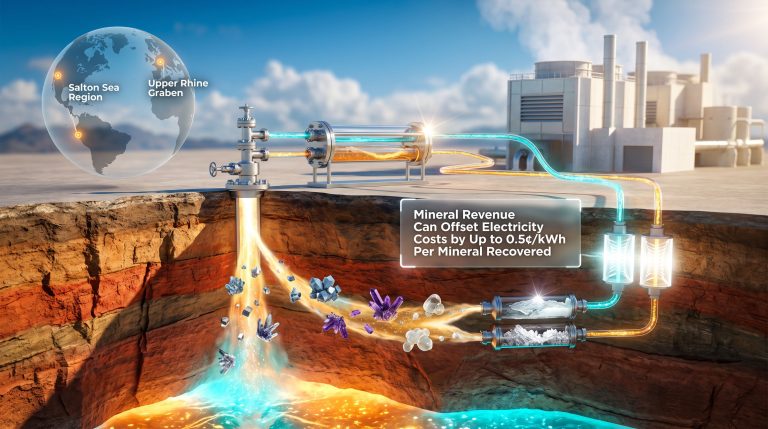
Geothermal brines represent naturally occurring underground water systems that accumulate dissolved minerals through prolonged contact with heated rock formations. These subsurface reservoirs develop lithium concentrations through complex hydrogeochemical processes occurring over geological timeframes.
The scientific foundation of lithium extraction from geothermal brines centres on selective separation techniques that target lithium ions among numerous competing dissolved elements. Temperature and pressure conditions within geothermal systems create ideal environments for lithium mobilisation, with optimal extraction occurring when brines maintain temperatures exceeding 100°C while circulating through power generation infrastructure.
Lithium naturally concentrates in these systems due to specific geological conditions that promote leaching from surrounding rock formations. The process requires understanding complex brine chemistry interactions, including sodium chloride concentrations, pH variations, and the presence of interfering ions such as magnesium, calcium, and boron.
Environmental and Economic Advantages Over Traditional Mining
Geothermal lithium extraction offers substantial environmental advantages compared to conventional mining approaches. Traditional hard rock lithium mining requires extensive land disturbance, significant water consumption, and lengthy processing periods that can span multiple years from extraction to battery-grade production.
The environmental comparison reveals compelling differences:
- Water Usage Efficiency: Geothermal extraction utilises existing brine circulation systems rather than requiring new water sources
- Land Footprint: No additional mining operations or evaporation pond development needed
- Carbon Intensity: Integration with renewable geothermal power generation reduces overall carbon footprint
- Processing Timeline: Direct extraction methods eliminate 18-24 month evaporation periods
- Ecosystem Impact: Minimal surface disruption compared to open-pit mining operations
Economic advantages emerge from infrastructure synergies and accelerated production timelines. Geothermal facilities already possess brine handling systems, power generation capabilities, and injection well networks that support lithium extraction operations without requiring separate capital investments for basic infrastructure development. Consequently, this approach offers significant potential for renewable energy mining solutions integration.
When big ASX news breaks, our subscribers know first
Which Direct Lithium Extraction Technologies Are Most Effective?
Ion Exchange and Adsorption Systems
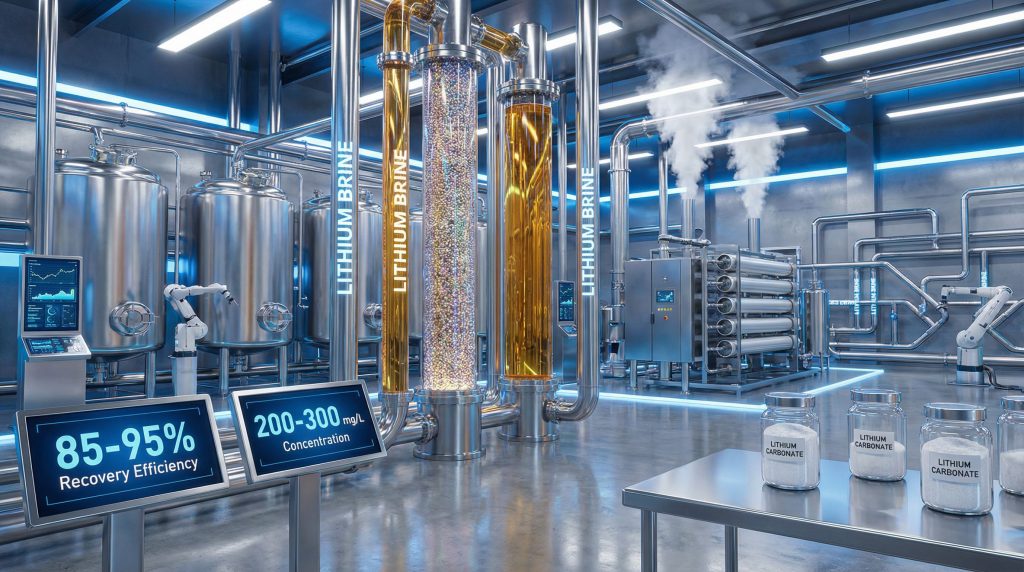
Ion exchange technology represents the most commercially advanced approach for lithium extraction from geothermal brines. The system employs engineered beads specifically designed to selectively capture lithium ions while allowing other dissolved minerals to pass through the separation process.
The engineered bead technology functions through selective binding mechanisms that preferentially attract lithium over competing ions. Recovery efficiency rates for advanced ion exchange systems typically achieve 85-95% lithium extraction capabilities under optimal operating conditions, representing significant improvements over traditional evaporation methods.
Processing timeframes demonstrate substantial advantages, with ion exchange systems capable of achieving lithium separation within hours to days rather than the 18-24 months required for solar evaporation pond methods. This acceleration enables responsive production scheduling and reduced inventory carrying costs for battery manufacturers.
The Dieng geothermal facility in Java, Indonesia, serves as a demonstration site for ion exchange technology deployment, where a 55-megawatt power plant provides the operational foundation for lithium recovery testing. This pilot project represents approximately one decade of technology development within the United States before international commercial application.
Membrane-Based Separation Technologies
Electrodialysis processes represent an alternative approach for lithium extraction from geothermal brines, utilising selective membrane systems that separate ions based on size and electrical charge characteristics. These systems perform optimally within specific pH ranges, typically requiring acidic conditions between 2.0-4.0 to achieve maximum separation efficiency.
Nano-filtration applications address high-impurity brine treatment challenges by removing interfering elements before lithium-specific extraction processes. These membrane technologies face durability challenges in high-temperature environments exceeding 100°C, requiring specialised materials and maintenance protocols to ensure operational longevity.
Membrane-based systems offer advantages in handling complex brine chemistry but require more intensive pretreatment and maintenance compared to ion exchange approaches. The technology proves particularly effective for geothermal sources with elevated silica content or high total dissolved solid concentrations. In addition, these systems integrate well with direct lithium extraction boost initiatives.
Chemical Sieve and Molecular Recognition Systems
Lithium aluminium layered double hydroxide (LADHH) sorbents provide highly selective lithium capture through molecular recognition mechanisms. These materials demonstrate exceptional selectivity for lithium ions even in brines containing high concentrations of competing alkali metals.
Imprinted polymer resin selectivity represents advanced material science applications where synthetic polymers are engineered with specific binding sites that match lithium ion characteristics. These materials require real-time brine analysis for process optimisation and performance monitoring.
Chemical sieve technologies typically require more complex regeneration processes compared to ion exchange systems but offer superior selectivity in challenging brine chemistry environments. The approach proves particularly valuable for geothermal sources with elevated magnesium or calcium concentrations that interfere with other extraction methods.
What Are the Key Technical Challenges in Geothermal Lithium Processing?
Brine Chemistry Complexity Management
Silica precipitation represents one of the most significant technical challenges in geothermal lithium processing. As brines cool during extraction processes, dissolved silica can form solid deposits that block equipment and reduce processing efficiency. Prevention strategies require careful temperature management and chemical additives that maintain silica in solution.
Magnesium and boron interference presents ongoing challenges for selective lithium extraction. These elements compete for binding sites on sorbent materials and can significantly reduce lithium recovery efficiency if not properly managed through pretreatment or selective separation techniques. However, advanced geothermal lithium extraction methods are addressing these challenges.
Corrosion resistance requirements for processing equipment become critical in high-temperature, high-salinity brine environments. Materials selection must balance cost considerations with operational longevity, often requiring specialised alloys or protective coatings that can withstand prolonged exposure to aggressive chemical conditions.
The complexity of brine management extends beyond lithium extraction to encompass reservoir pressure maintenance and power generation continuity. Successful operations must balance extraction efficiency with geothermal system sustainability over multi-decade operational periods.
Heat Management and Energy Integration
Thermal cycling impacts on extraction efficiency represent ongoing operational challenges as temperature fluctuations affect sorbent performance and equipment durability. Heat exchanger design for continuous processing requires sophisticated engineering to maintain optimal extraction temperatures while preserving energy efficiency.
Energy balance optimisation between power generation and lithium recovery becomes critical for project economics. Operations must demonstrate that lithium extraction enhances rather than compromises overall facility profitability, requiring careful integration of extraction systems with existing power generation infrastructure.
The integration challenge at facilities like Dieng requires maintaining 55 megawatts of continuous power generation while implementing lithium extraction processes. This dual-purpose operation demands sophisticated process control and monitoring systems to ensure neither function compromises the other.
Sorbent Lifecycle and Regeneration
Material durability under high-temperature cycling conditions determines long-term operational economics for lithium extraction facilities. Sorbent materials must maintain selectivity and capacity through hundreds or thousands of regeneration cycles while exposed to aggressive brine chemistry.
Regeneration frequency and cost implications directly impact project profitability, with optimal systems requiring minimal regeneration while maintaining high lithium recovery rates. Quality degradation patterns over operational cycles must be carefully monitored and predicted to enable effective maintenance scheduling.
The regeneration process typically requires acid washing and thermal treatment, creating waste streams that must be managed according to environmental regulations. Effective regeneration systems minimise chemical consumption while maximising sorbent lifespan and performance consistency. Furthermore, research from the National Renewable Energy Laboratory provides comprehensive guidance on optimal regeneration protocols.
Where Are the Most Promising Geothermal Lithium Projects Located?
Global Resource Distribution Analysis
| Region | Lithium Concentration | Operational Status | Key Advantages |
|---|---|---|---|
| Salton Sea, California | 200-300 mg/L | Pilot/Commercial | Existing geothermal infrastructure |
| Wairakei, New Zealand | 15-20 mg/L | Research phase | Proven DLE testing |
| Java, Indonesia | Variable | Pilot development | Strategic location for Asian markets |
| Rhine Valley, Germany | 150-200 mg/L | Early development | European supply chain integration |
Indonesia's geothermal resources are positioned strategically for meeting Asian lithium demand, with the country's extensive geothermal development providing multiple potential sites for lithium extraction integration. The geographic distribution represents important supply chain diversification opportunities for battery manufacturers seeking alternatives to traditional lithium sources.
The Dieng facility in Java demonstrates the potential for geothermal lithium extraction in volcanic regions with active geothermal systems. Indonesia's geological characteristics create favourable conditions for both geothermal energy generation and lithium concentration in subsurface brines. Moreover, these developments complement Argentina lithium brine insights in the global supply chain context.
Infrastructure Requirements and Site Selection Criteria
Minimum lithium concentration thresholds for economic viability typically require brines exceeding 100-150 mg/L lithium content, though specific thresholds depend on processing technology and local economic conditions. Sites with existing geothermal power infrastructure offer significant advantages through shared operational systems and reduced capital requirements.
Geothermal power plant integration compatibility requires careful assessment of brine flow rates, temperature profiles, and injection well capacity to ensure lithium extraction does not compromise power generation efficiency. Transportation and logistics considerations become particularly important for remote geothermal locations requiring connection to battery manufacturing supply chains.
Successful site selection must evaluate long-term reservoir sustainability, ensuring that lithium extraction maintains geothermal resource productivity over multi-decade operational periods. This requires comprehensive hydrogeological assessment and ongoing reservoir monitoring capabilities.
How Do Economics and Scalability Factor Into Commercial Viability?
Cost Structure Analysis
Capital expenditure breakdown for geothermal lithium extraction encompasses equipment procurement, infrastructure integration, and technology deployment costs. Equipment requirements include ion exchange systems, brine handling modifications, and product purification facilities, with total capital costs varying significantly based on facility scale and technological approach.
Operating cost comparisons with conventional lithium production methods reveal potential advantages through shared infrastructure utilisation and accelerated production timelines. Geothermal extraction eliminates land acquisition costs for evaporation ponds and reduces water procurement expenses through brine recycling systems.
Sorbent replacement and maintenance cost projections represent ongoing operational expenses that significantly impact project economics. Advanced sorbent materials may require replacement every 2-3 years depending on operational conditions and regeneration effectiveness, creating predictable maintenance schedules and budget requirements. Consequently, these requirements align with battery-grade lithium refinery specifications.
Production Scale Optimisation
Throughput capacity limitations of current direct lithium extraction technologies restrict initial production scales to levels suitable for pilot and demonstration projects rather than full commercial battery supply requirements. Modular system design enables incremental capacity expansion as technology matures and market demand increases.
Integration with existing geothermal power operations requires careful capacity balancing to ensure lithium production complements rather than competes with electricity generation. The most successful projects demonstrate positive synergies where lithium extraction enhances overall facility economics while maintaining power generation performance.
Scaling considerations must address both technical limitations and market absorption capacity, with initial projects serving as proof-of-concept demonstrations that attract subsequent commercial investment and technology deployment.
Market Timing and Supply Chain Integration
Battery-grade lithium carbonate and hydroxide production specifications require achieving 99.5% purity levels suitable for automotive and energy storage applications. Quality control requirements demand sophisticated analytical capabilities and process control systems to maintain consistent product specifications.
Strategic positioning within global lithium supply chains offers opportunities for supply security and geographic diversification. Projects like the USTDA-funded Dieng pilot demonstrate potential pathways for connecting geothermal lithium production with U.S. lithium buyers, creating strategic supply relationships that reduce dependence on traditional lithium sources.
The timing advantage of geothermal extraction aligns with accelerating battery demand growth and increasing emphasis on supply chain resilience. Successful projects position themselves to capture premium pricing for domestically produced or strategically sourced lithium materials.
What Does the Future Hold for Geothermal Lithium Extraction?
Technology Development Roadmap
Next-generation sorbent materials in development focus on improving selectivity, durability, and regeneration efficiency. Research priorities include nanostructured materials, hybrid organic-inorganic sorbents, and self-regenerating systems that reduce operational complexity and maintenance requirements.
Automation and artificial intelligence integration offer opportunities for process optimisation and predictive maintenance. Advanced control systems can optimise extraction parameters in real-time based on brine chemistry variations and equipment performance data, maximising lithium recovery while minimising operational costs.
Hybrid extraction methods combining multiple direct lithium extraction approaches may offer superior performance compared to single-technology systems. These integrated approaches could address specific brine chemistry challenges while optimising overall extraction efficiency and operational flexibility.
Regulatory and Policy Landscape
Environmental permitting advantages for geothermal-integrated projects stem from their utilisation of existing infrastructure and renewable energy integration. Regulatory frameworks increasingly recognise the environmental benefits of extracting lithium from geothermal brines compared to traditional mining operations.
The USTDA support for the Dieng pilot project exemplifies targeted approaches for deploying domestic extraction technologies internationally while building strategic supply chain relationships. This approach offers pathways to diversify lithium supply chains that currently face heavy Chinese influence in processing and refining capacity.
International cooperation frameworks for technology deployment create opportunities for sharing advanced extraction technologies while building strategic mineral supply relationships. These frameworks support critical mineral security objectives while advancing responsible resource development practices.
Industry Growth Projections and Investment Outlook
Pilot project success metrics focus on demonstrating technical feasibility, economic viability, and operational integration with existing geothermal facilities. Commercial scaling timelines depend on achieving consistent lithium recovery rates while maintaining power generation performance and environmental compliance.
Venture capital and strategic investment trends show increasing interest in direct lithium extraction technologies as battery demand accelerates and supply chain security concerns intensify. The approximately one decade of technology development preceding commercial deployment suggests substantial private investment in research and development capabilities.
Partnership models between geothermal operators and lithium producers offer risk-sharing approaches that leverage existing infrastructure while accessing specialised extraction expertise. These partnerships enable technology deployment without requiring geothermal operators to develop independent lithium marketing and sales capabilities.
The next major ASX story will hit our subscribers first
Frequently Asked Questions About Geothermal Lithium Extraction
Is Geothermal Lithium Extraction Commercially Viable Today?
Current pilot project economics suggest potential commercial viability for lithium extraction from geothermal brines under favourable conditions, though widespread deployment requires continued technology development and cost reduction. Break-even analysis depends heavily on lithium pricing, extraction efficiency, and integration costs with existing geothermal operations.
Technology readiness levels vary significantly across different extraction methods, with ion exchange systems demonstrating the highest commercial maturity. The decade-long development timeline for technologies like those being deployed at Dieng suggests substantial private investment and technical validation preceding commercial application.
Commercial deployment timelines likely extend 3-5 years for initial projects, with broader industry adoption requiring successful demonstration of economic and technical performance at pilot facilities. Market conditions, regulatory support, and technology advancement rates will significantly influence scaling timelines.
How Does Extraction Impact Geothermal Power Generation?
Brine reinjection requirements remain critical for geothermal reservoir pressure maintenance, with lithium extraction systems designed to maintain existing injection protocols. Successful integration requires ensuring that extraction processes do not compromise reservoir sustainability or power generation capacity.
Power output effects from lithium extraction integration depend on system design and operational optimisation. Well-designed systems may actually enhance overall facility economics through dual revenue streams while maintaining electrical output performance.
Operational synergies emerge when lithium extraction utilises waste heat or brine handling infrastructure, creating efficiency improvements that benefit both power generation and mineral recovery operations. Potential conflicts arise primarily from competing demands for brine residence time and temperature management.
What Are the Environmental Benefits and Risks?
Lifecycle assessment comparisons with traditional mining demonstrate substantial environmental advantages for geothermal lithium extraction, including reduced water consumption, eliminated surface disturbance, and integration with renewable energy generation. The approach leverages existing infrastructure while producing battery materials essential for clean energy storage.
Potential impacts on geothermal reservoir sustainability require ongoing monitoring and adaptive management approaches. Long-term extraction operations must demonstrate that lithium recovery maintains reservoir productivity and does not compromise renewable energy generation capacity.
Waste stream management focuses primarily on sorbent regeneration chemicals and concentrated brine disposal. Environmental risk management requires treating these materials according to industrial waste regulations while minimising chemical consumption through efficient regeneration processes.
Key Takeaways for Industry Stakeholders
Investment Decision Framework
Risk assessment criteria for geothermal lithium projects should evaluate technology maturity, resource quality, integration complexity, and market access capabilities. Successful projects demonstrate strong technical fundamentals, experienced operational teams, and clear pathways to commercial scaling.
Technology selection guidelines depend heavily on specific brine characteristics, including lithium concentration, interfering element levels, and temperature profiles. Ion exchange systems offer proven performance for most applications, while membrane-based approaches may suit high-impurity or challenging chemistry conditions.
Partnership evaluation metrics should assess complementary capabilities, shared risk tolerance, and aligned commercial objectives. Successful partnerships leverage geothermal operators' infrastructure expertise with lithium extraction specialists' technological capabilities and market access.
Strategic Implications for the Lithium Market
Supply diversification benefits for battery manufacturers include reduced geographic concentration risk and potential cost advantages from integrated renewable energy production. Geothermal lithium extraction offers strategic alternatives to traditional supply sources while supporting clean energy infrastructure development.
Geographic distribution of future production capacity may shift toward regions with active geothermal resources, creating new supply chain dynamics and transportation patterns. This redistribution could benefit regions with extensive geothermal development like Indonesia, western United States, and parts of Europe.
Timeline expectations for meaningful market impact suggest initial commercial production within 5-7 years, with broader industry influence emerging over the following decade as technology scales and additional facilities come online. Price effects will depend on production volumes relative to overall lithium market growth and competing supply source development.
This analysis is provided for informational purposes only and does not constitute investment advice. Lithium extraction technologies involve technical and commercial risks that potential investors should carefully evaluate. Market conditions, regulatory changes, and technological developments may significantly impact project outcomes and investment returns.
Ready to Capitalise on the Next Lithium Discovery?
Discovery Alert's proprietary Discovery IQ model delivers instant notifications on significant ASX mineral discoveries, including breakthrough lithium extraction developments that could reshape the battery materials market. Explore Discovery Alert's dedicated discoveries page to understand how major mineral discoveries have generated substantial returns for early investors, then begin your 14-day free trial to position yourself ahead of market-moving announcements.