July 11, 2026
Understanding the Global Lithium Production Framework
The lithium market stands at a pivotal transformation point as production methodologies, geographic advantages, and technological innovations reshape the competitive landscape. Multiple extraction technologies compete for dominance while regional powerhouses leverage distinct geological and operational advantages to capture growing battery demand across electric vehicle and energy storage sectors.
Understanding production drivers requires examining the intersection of geological resources, technological capabilities, and market positioning strategies that define global lithium output forecast trajectories through 2030.
Production Methodology Performance Analysis
Brine evaporation techniques demonstrate superior resource efficiency compared to traditional hard-rock extraction methods across multiple operational metrics. Chilean operations in the Atacama region utilize evaporation processes requiring reduced water consumption, chemical inputs, and energy requirements relative to Australian spodumene mining operations.
This operational advantage creates sustainable cost structures that position South American producers favorably during market volatility periods. The Atacama salt flat contains the world's largest lithium brine reserves, providing long-term resource security unavailable to hard-rock operations dependent on finite ore bodies.
Furthermore, these argentine lithium brine insights reveal similar advantages across neighbouring operations in the region.
Geographic Distribution and Strategic Positioning
Regional lithium output forecast patterns reflect fundamental differences in extraction methodologies, resource quality, and operational scalability. Australian hard-rock operations face increasing pressure from low-cost brine producers as the industry emerges from recent oversupply conditions.
However, australian lithium innovations continue advancing processing technologies to maintain competitive positioning.
Key Regional Production Characteristics:
• Chilean brine operations: Lower operational costs, reduced environmental impact
• Australian spodumene mining: Higher processing complexity, transportation dependencies
• Chinese lepidolite processing: Advanced technological capabilities, domestic market integration
• Emerging African projects: Early development stages, infrastructure requirements
Technology Integration Impact Assessment
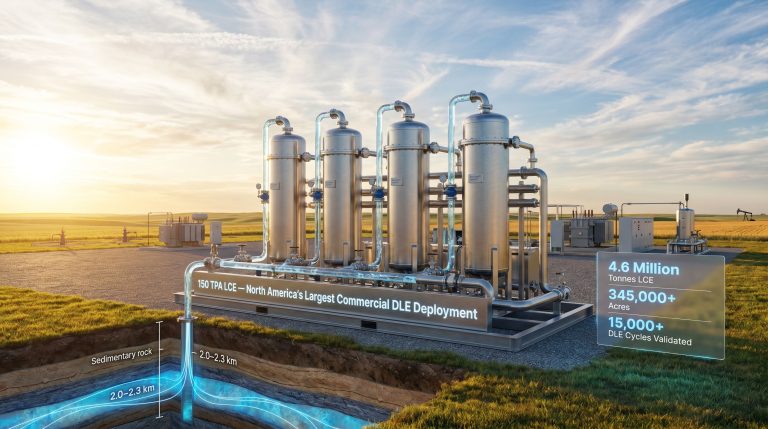
Direct lithium extraction (DLE) technology represents the next evolution in brine processing capabilities. Current deployment focuses on regulatory approval pathways rather than immediate commercial implementation, with Chilean operators preparing submissions for advanced extraction techniques.
DLE deployment could significantly enhance production capacity from existing brine assets without requiring proportional increases in evaporation pond infrastructure. However, technology readiness levels vary across different brine chemistry compositions and operational environments.
In addition, battery-grade lithium refinery developments demonstrate the importance of downstream processing capabilities in regional supply chain development.
When big ASX news breaks, our subscribers know first
Regional Production Architecture Analysis
South American Brine Operations Leadership
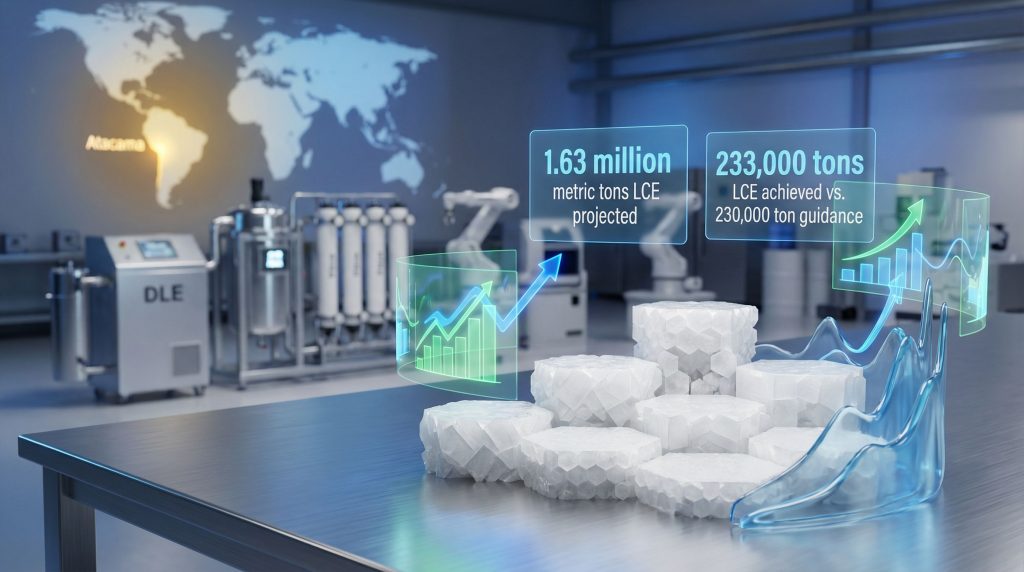
The Atacama Desert operation achieved 233,000 metric tons of lithium carbonate equivalent production in 2025, exceeding previous guidance projections of approximately 230,000 tons. This performance demonstrates operational consistency and capacity optimization across brine evaporation processes.
Production expansion targets indicate gradual increases toward 300,000 tons annually before 2030, representing approximately 30% growth from current output levels. This expansion strategy reflects confidence in sustained battery demand growth and competitive positioning advantages.
| Production Metric | 2025 Actual | Target Timeline | Growth Rate |
|---|---|---|---|
| LCE Output | 233,000 tons | 300,000 tons by 2030 | +30% total |
| Water Efficiency | Enhanced evaporation | DLE integration pending | Variable improvement |
| Cost Structure | Lower than hard-rock | Maintained advantage | Competitive positioning |
Operational Partnership Models
State ownership through Codelco provides controlling interest in lithium assets while private sector expertise manages daily operations. This partnership structure separates strategic resource control from operational management, enabling specialised capabilities while maintaining national resource oversight.
The arrangement demonstrates viable models for critical mineral resource development in regions where state involvement balances private sector efficiency with national resource security considerations. According to recent market analysis, these partnerships continue delivering stronger than expected results.
Technology Enhancement Initiatives
Advanced brine processing techniques under regulatory review could further increase production capacity from existing infrastructure. Direct lithium extraction proposals await approval for implementation as supplementary capacity enhancement rather than primary production replacement.
Regulatory Approval Status:
• DLE technology submissions: Preparation phase for regulatory review
• Environmental impact assessments: Reduced resource intensity compared to alternatives
• Production capacity enhancements: Potential output increases beyond current expansion plans
Market Dynamics and Production Balance
Industry Emergence from Oversupply Conditions
Recent market conditions indicate transition from global lithium surplus toward more balanced supply-demand fundamentals. Double-digit consumption growth projections support production expansion strategies across major producing regions.
Battery storage applications add demand layers beyond electric vehicle requirements, creating multiple growth drivers for lithium consumption through the remainder of the decade. Large-scale energy storage deployment accelerates lithium demand across utility and commercial applications.
Consequently, data-driven mining operations become increasingly important for optimising production efficiency and meeting demand forecasts.
Competitive Positioning Strategies
Low-cost production capabilities enable market share expansion during price volatility periods. Higher-cost operations face increasing pressure as efficient producers scale capacity to meet growing demand requirements.
Competitive Advantage Factors:
• Resource quality: Brine concentration levels and processing efficiency
• Operational costs: Energy, water, and chemical input requirements
• Geographic positioning: Transportation costs and infrastructure access
• Technology integration: Advanced extraction and processing capabilities
• Regulatory environment: Permitting timelines and operational stability
Production Cost Curve Evolution
The global lithium cost curve continues reshaping as technological improvements reduce production costs for efficient operators while higher-cost producers face margin compression. Brine operations demonstrate sustainable advantages through resource efficiency and processing optimisation.
Australian hard-rock operations require continuous productivity improvements to maintain competitive positioning against South American brine producers. Processing facility optimisation and transportation efficiency become critical success factors for maintaining market share.
Technology Revolution in Extraction Methods
Direct Lithium Extraction Development
DLE technology advancement focuses on enhancing production capacity from existing brine resources rather than replacing traditional evaporation methods. Regulatory approval processes determine implementation timelines across different jurisdictions and operational environments.
Current DLE proposals target supplementary capacity increases to support production expansion goals whilst maintaining operational continuity through proven evaporation techniques. Technology integration requires balancing innovation adoption with operational risk management.
Processing Innovation Pathways
Advanced brine processing techniques continue evolving to maximise lithium recovery rates whilst minimising environmental impact. Water usage optimisation, chemical input reduction, and energy efficiency improvements drive technological development priorities.
Technology Development Focus Areas:
• Enhanced evaporation efficiency: Reduced processing timelines and resource requirements
• DLE integration: Supplementary capacity enhancement for existing operations
• Chemical optimisation: Reduced reagent consumption and waste generation
• Energy efficiency: Lower power requirements for processing operations
Investment Implications and Strategic Positioning
Capital Allocation Priorities
Production expansion investments target capacity increases from proven reserves rather than speculative exploration activities. Low-cost operations receive priority for capacity enhancement whilst higher-cost projects face increased scrutiny.
Strategic resource control becomes increasingly important as demand growth accelerates and supply diversification requirements increase across battery supply chains. Partnership models enable capital efficiency whilst maintaining operational flexibility.
Moreover, the broader mining industry evolution demonstrates how traditional extraction methods adapt to modern efficiency requirements.
Regulatory Risk Management
Antitrust approval processes create timeline uncertainty for major partnership developments. Chilean and Chinese regulatory coordination requirements add complexity to international partnership structures involving state-owned entities.
Key Regulatory Considerations:
• Environmental permitting: Processing expansion and technology integration approvals
• Antitrust review: International partnership structure compliance
• Resource ownership: State involvement in strategic mineral development
• Technology deployment: DLE and advanced processing technique approvals
Market Psychology and Demand Fundamentals
Investor confidence in lithium demand sustainability supports production expansion strategies despite recent oversupply conditions. Battery technology advancement and electric vehicle adoption rates drive long-term demand projections across multiple application sectors.
Investment Disclaimer: Lithium market forecasts involve significant uncertainty regarding demand growth rates, technology adoption, and competitive dynamics. Production expansion investments carry risks related to commodity price volatility, regulatory changes, and technology deployment timelines.
Current lithium pricing forecasts suggest continued volatility as supply and demand fundamentals rebalance.
Strategic Resource Development Models
State-private partnerships demonstrate viable structures for critical mineral development whilst balancing national resource control with operational efficiency requirements. These models may influence future resource development strategies across strategic mineral sectors.
Future Production Landscape Architecture
Capacity Expansion Timeline Management
Production increases follow gradual scaling strategies rather than aggressive capacity additions that could destabilise market balance. Expansion timelines align with demand growth projections whilst maintaining operational flexibility for market condition changes.
Production Scaling Considerations:
• Market demand sustainability: Electric vehicle adoption and energy storage deployment rates
• Technology integration: DLE and advanced processing deployment success
• Competitive positioning: Cost curve evolution and market share dynamics
• Infrastructure requirements: Processing facilities and transportation capacity
• Regulatory stability: Permitting and approval process predictability
Lithium Output Forecast Validation Framework
Long-term lithium output forecast accuracy depends on multiple variables including technology deployment success, demand growth sustainability, and competitive dynamics across producing regions. Production forecasting requires continuous adjustment based on market condition evolution and technology advancement.
Critical Success Factors for Production Forecasting:
• Resource base sustainability: Reserve quality and extraction longevity
• Technology deployment: Innovation adoption and operational integration
• Market demand patterns: Application sector growth and substitution risks
• Regulatory environment: Policy stability and approval process efficiency
• Competitive dynamics: Cost curve evolution and market share distribution
The next major ASX story will hit our subscribers first
Strategic Outlook for Global Production Balance
The lithium production landscape through 2030 presents opportunities for efficient operators with proven resources and technological capabilities. Market rebalancing from oversupply conditions creates favourable conditions for capacity expansion among low-cost producers whilst challenging higher-cost operations.
Technology integration, particularly direct lithium extraction deployment, could accelerate production capacity increases from existing assets without proportional infrastructure investments. However, regulatory approval timelines and technology performance validation remain critical factors determining implementation success.
Successful navigation of this evolving market requires operational excellence, strategic resource positioning, and technology adoption that delivers sustainable competitive advantages whilst meeting increasingly stringent environmental and social governance requirements across the global lithium supply chain.
Key Market Monitoring Indicators:
• Production capacity utilisation rates across major producing regions
• Technology deployment success and operational performance metrics
• Regulatory approval timelines and policy development trends
• Demand growth sustainability across electric vehicle and energy storage sectors
• Competitive positioning evolution and market share dynamics
The lithium output forecast landscape continues evolving as production technologies advance, demand patterns shift, and competitive dynamics reshape industry structure through the remainder of this decade.
Looking to Capitalise on Battery Metal Investment Opportunities?
Discovery Alert's proprietary Discovery IQ model delivers real-time alerts on significant ASX mineral discoveries, including critical battery metals like lithium, enabling subscribers to identify actionable opportunities ahead of the broader market. Discover why historic mineral discoveries can generate substantial returns by exploring Discovery Alert's dedicated discoveries page and begin your 14-day free trial today to position yourself ahead of the market.