June 21, 2026
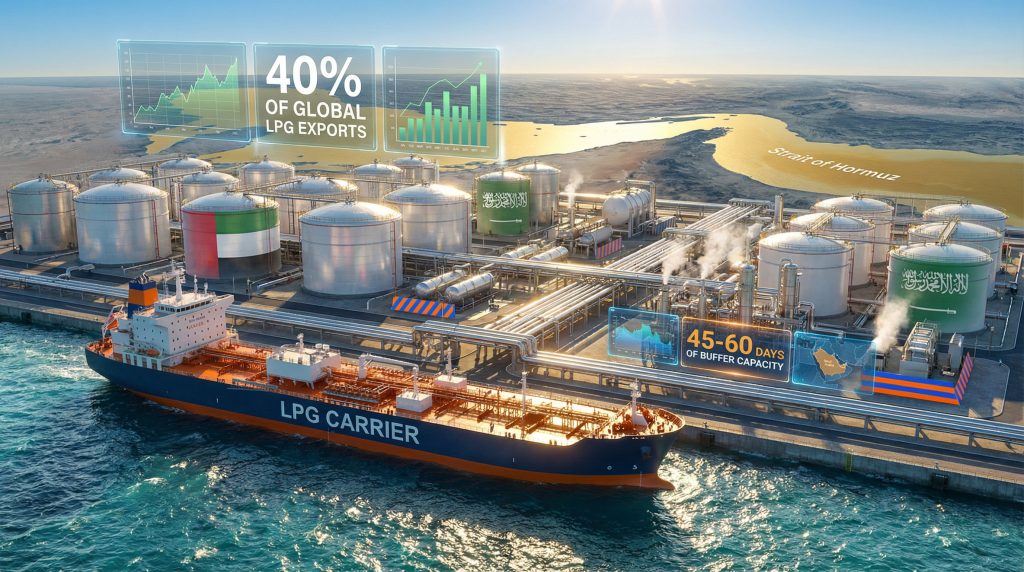
LPG market scenario Gulf war disruption outlook analysis reveals critical vulnerabilities as energy supply chains face mounting geopolitical pressures. Understanding these disruption patterns becomes essential for industrial consumers who depend on reliable LPG feedstock supplies for petrochemical production. The interconnected nature of modern energy distribution means localised disruptions can cascade globally, reshaping pricing dynamics and forcing rapid strategic adaptations throughout the industry. Furthermore, natural gas trends indicate broader energy market instability that compounds these vulnerabilities.
Critical Infrastructure Dependencies Shape LPG Market Resilience
The architecture of global LPG distribution relies heavily on several critical chokepoints that concentrate risk within the supply chain. Maritime transportation routes, particularly narrow waterways and strategic canals, represent the most vulnerable elements of this infrastructure network.
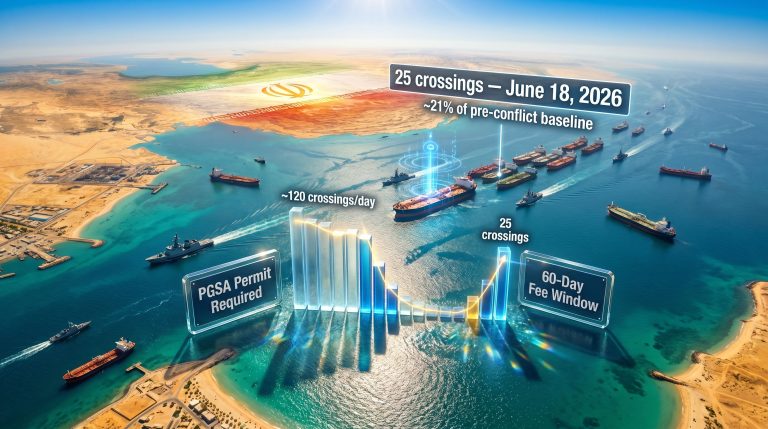
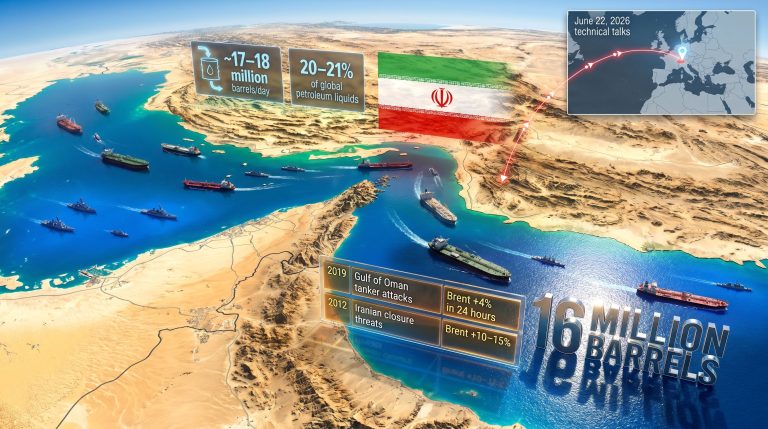
The Strait of Hormuz stands as perhaps the most critical single point of failure in global LPG logistics, with approximately 21% of globally traded petroleum products transiting through this narrow 21-mile waterway. However, for LPG specifically, this concentration reaches even higher levels due to geographic clustering of major production facilities in the Persian Gulf region.
Alternative routing capabilities through the Suez Canal and around the Cape of Good Hope provide backup options, but these alternatives carry significant economic penalties. Cape of Good Hope routing adds 10-14 additional days to vessel journeys, substantially increasing transportation costs and reducing fleet efficiency. During the 2022 Russia-Ukraine conflict, this routing became increasingly utilised as European importers diversified away from traditional supply sources.
Strategic reserve deployment protocols vary significantly between nations, with most countries maintaining crude oil stockpiles rather than dedicated LPG reserves. The International Energy Agency's Emergency Response System coordinates member country actions when supply disruptions exceed a 7% global reduction threshold, but these mechanisms primarily focus on crude oil rather than LPG market stabilisation.
Regional supply chain resilience varies dramatically based on geographic and political factors:
- Middle East concentration risks: Saudi Arabia, UAE, and Qatar combined represent approximately 48-52% of global LPG exports
- US shale backup capacity: Permian Basin and Eagle Ford formations provide scalable production that can partially offset Middle Eastern supply disruptions
- European import vulnerabilities: Most European nations source 70-80% of LPG via maritime imports, creating significant exposure to shipping disruptions
- Asia-Pacific demand pressures: China and India's industrial consumption growth amplifies competition for limited spot cargo availability during supply stress periods
When big ASX news breaks, our subscribers know first
Market Response Mechanisms During Supply Shock Periods
When major LPG supply disruptions occur, markets typically experience response patterns that unfold across predictable timeframes. In addition, the magnitude of these responses varies based on disruption severity and duration expectations. Oil price crash insights demonstrate how geopolitical factors can amplify market volatility beyond historical precedents.
Immediate market reactions (Days 1-30) centre on price discovery mechanisms as traders attempt to assess disruption scope and duration. Historical precedent suggests that LPG price volatility exceeds crude oil volatility during these periods due to smaller market size and lower liquidity. During the 1990-1991 Gulf War, crude oil prices increased approximately 180-200%, with LPG following proportional patterns due to its petrochemical derivative relationship.
Global LPG working inventory provides varying buffer capacity depending on seasonal patterns and regional storage utilisation. Commercial and strategic reserves typically offer 30-75 days of supply coverage, though this range depends heavily on:
- Seasonal demand variations: Winter heating requirements reduce effective buffer periods
- Regional storage distribution: European salt cavern facilities in Germany exceed 2.5 million m³ capacity, while Asian storage remains more limited
- Commercial versus strategic classification: Most LPG reserves are commercially operated rather than government-controlled strategic stockpiles
Contract force majeure provisions become critical during extended disruptions. Standard LPG trading contracts include International Chamber of Commerce-compliant force majeure clauses requiring 24-48 hour notification with supporting documentation. These provisions typically allow 30-90 day suspension periods before contracts face potential termination.
What Drives Spot Market Premium Expansion?
Spot market dynamics during disruptions create significant premiums over contract settlement prices. Spot premiums typically expand from normal ranges of 5-15% to crisis levels of 20-50% above underlying contract rates during peak stress periods. However, these market dynamics interact with broader energy trends, particularly when considering OPEC production impact on overall hydrocarbon supply chains.
Mid-term adaptation strategies (Days 31-60) involve more complex supply chain reconfigurations as market participants exhaust immediate inventory options. Alternative supply source activation becomes crucial, with Norway, Algeria, and Russia historically increasing emergency production when Middle Eastern supplies face disruption.
Demand destruction mechanisms activate at different price thresholds for various market segments:
| Market Segment | Switch Threshold | Alternative Options | Adaptation Timeline |
|---|---|---|---|
| PDH Plants | $750-850/mt | Naphtha-based processing | 2-4 weeks |
| Industrial Heating | $700-800/mt | Distillate/heating oil | 1-2 weeks |
| Residential Heating | $900-1000/mt | Limited alternatives | Extended periods |
| Gasoline Blending | Variable | Reduced butane content | 3-7 days |
Transportation fleet reallocation follows economic optimisation principles, with Very Large Gas Carrier (VLGC) operators comparing earnings potential across disrupted versus alternative routes. The global VLGC fleet exceeds 150 million m³ capacity as of 2024, with time-charter rates ranging from $50,000-$120,000 per day under normal conditions but capable of spiking 300-400% during major supply disruptions.
Component-Specific Supply Vulnerability Analysis
Different LPG components face varying degrees of supply stress during disruption scenarios. Furthermore, propane generally experiences greater vulnerability than butane due to distinct end-use applications and substitution possibilities.
Propane supply vulnerabilities stem primarily from its critical role in petrochemical feedstock applications. Propane dehydrogenation (PDH) plants consume approximately 65% of global propane production, converting feedstock into propylene through catalytic dehydrogenation at 600-700°C operating temperatures. These industrial applications face limited short-term substitution options, creating inelastic demand during supply disruptions.
PDH plant economics depend heavily on propane-propylene spread margins. When propane feedstock costs exceed $750-850/mt (depending on propylene market prices), operating margins compress significantly. Consequently, this can trigger temporary plant shutdowns for maintenance or seasonal operation adjustments. However, these shutdowns require several weeks to implement safely, meaning short-term supply disruptions cannot be quickly addressed through demand reduction.
Heating demand seasonality amplifies propane supply shortage impacts during winter months when residential and commercial heating requirements peak. Unlike industrial applications, heating demand proves relatively price-inelastic in the short term, particularly in regions with limited alternative energy infrastructure.
How Does Butane Market Resilience Compare?
Butane market resilience factors provide greater flexibility during supply stress periods. Gasoline blending applications allow refineries to reduce butane content during shortages without major operational modifications, typically requiring only 3-7 days for implementation. This flexibility provides a demand buffer that propane markets lack.
Lower industrial dependency means butane faces more diverse end-use applications, spreading demand across multiple sectors rather than concentrating in specific industrial processes. Regional production distribution also favours butane, as refinery-based production provides more geographic diversity compared to propane's concentration in natural gas processing facilities.
Emergency Response Protocol Activation
Government intervention mechanisms during LPG supply crises typically follow established energy security frameworks, though these protocols were primarily designed for crude oil rather than refined product markets. Moreover, trade war oil effects demonstrate how international tensions can complicate emergency response coordination.
Strategic reserve releases represent the most direct intervention tool, but LPG-specific reserves remain limited globally. Most strategic petroleum reserves focus on crude oil stockpiles, requiring emergency refinery processing to generate LPG products. The U.S. Strategic Petroleum Reserve reaches 714 million barrels capacity but contains minimal LPG components, while European nations maintain varying emergency stock levels primarily focused on crude oil and gasoline.
Import tariff suspensions provide governments with rapid policy tools to encourage alternative supply sourcing. Temporary duty elimination on LPG imports can improve economic viability for suppliers from non-traditional sources, though implementation typically requires several weeks for regulatory processing.
Export restriction implementations by producer countries create additional market complications during crisis periods. When domestic supply security becomes threatened, major LPG producers may implement export limitations to prioritise domestic market stability, further tightening global supply availability.
Industry coordination frameworks become critical during extended disruptions. Major trading companies typically maintain informal supply sharing agreements that activate during extreme market stress, coordinating cargo allocations to prevent complete market breakdowns in specific regions.
Production ramp-up protocols allow upstream operators to maximise output from alternative production facilities, though these adjustments require significant lead times. Natural gas processing plants can increase LPG extraction rates, but these modifications may impact overall plant efficiency and require careful technical management.
Regional Market Adaptation Strategies
Asia-Pacific markets demonstrate sophisticated response mechanisms during LPG supply disruptions, reflecting the region's high import dependency and industrial concentration. Additionally, these markets show how oil price movements influence regional adaptation strategies.
China's PDH plant network provides demand flexibility through coordinated temporary shutdowns during supply stress periods. Implementation typically requires 7-14 days for safe operational transitions, but these shutdowns can significantly reduce regional demand pressure. Chinese strategic reserve deployment offers 3-5 day supply coverage, though this provides limited duration assistance during extended disruptions.
South Korea's response capabilities include both strategic reserve utilisation and industrial demand management. LNG-to-LPG conversion technologies provide moderate supply replacement options, though implementation requires 30-45 days for facility modifications and regulatory approvals.
What Makes India's Response Strategy Unique?
India's import source diversification strategies focus on developing supplier relationships beyond traditional Middle Eastern sources, though alternative supplies typically carry significant cost premiums during crisis periods. Implementation timelines for new supply arrangements range from 15-30 days depending on contract negotiations and logistics coordination. Furthermore, recent analysis shows that Strait of Hormuz disruption could significantly impact India's LPG supplies, making diversification strategies increasingly critical.
European market adjustments leverage the continent's sophisticated storage infrastructure and inter-regional distribution networks. Underground storage facilities in Germany and the Netherlands provide accelerated withdrawal capabilities through established cavern operations.
Inter-regional pipeline capacity maximisation through hubs like Baumgarten enables rapid redistribution of available supplies across European markets. These systems typically achieve full capacity utilisation within 48-72 hours of activation.
Industrial demand curtailment programs combine voluntary and mandatory consumption reductions, with voluntary programs typically achieving 15-25% demand reduction while mandatory restrictions can reach 40-50% for non-essential applications.
Alternative energy source transitions provide temporary substitution options, though these carry environmental and economic costs. Coal and oil product substitutions require existing compatible infrastructure and may face regulatory restrictions in some jurisdictions.
Structural Changes From Major Supply Disruptions
Each significant LPG market disruption creates permanent alterations in global supply chain configurations and risk management approaches. Consequently, these changes drive long-term infrastructure and market structure evolution that reshape industry dynamics permanently.
Infrastructure investment acceleration typically follows major disruption events as governments and industry participants recognise critical vulnerability points. Strategic storage expansion becomes a priority, with government-mandated reserve capacity increases common in import-dependent regions following supply crises.
Supply route diversification drives new pipeline and terminal construction projects, though these developments require multi-year implementation timelines. Production base geographical spreading involves investment shifts toward politically stable regions, even when production costs may be higher than traditional sources.
Emergency response capability enhancement focuses on rapid deployment logistics improvements, including pre-positioned equipment, streamlined regulatory approvals, and enhanced inter-agency coordination protocols.
Market structure evolution encompasses fundamental changes in how LPG markets operate and manage risk. Contract term modifications strengthen force majeure clause language and extend duration provisions to provide greater flexibility during extraordinary circumstances.
Price mechanism adjustments may include volatility dampening instruments and circuit breaker systems designed to prevent extreme price movements that could destabilise industrial operations or create consumer hardship.
How Do Supplier Relationships Evolve Post-Crisis?
Supplier relationship restructuring emphasises multi-source procurement strategies, with major consumers avoiding over-dependence on single geographic regions or political entities. These diversification strategies typically increase procurement costs during normal periods but provide insurance against supply disruptions. For instance, global energy market analysis reveals that conflict-driven disruptions can reshape oil flow patterns across multiple hydrocarbon sectors.
Regional cooperation framework development creates bilateral and multilateral supply security agreements, establishing mutual assistance protocols and coordinated emergency response procedures between allied nations.
The next major ASX story will hit our subscribers first
Investment Opportunities in Disruption-Prone Markets
LPG market scenario Gulf war disruption outlook creates distinct investment opportunities across multiple timeframes and risk profiles, though these opportunities require sophisticated market timing and risk management capabilities.
Short-term trading advantages emerge from market inefficiencies and price dislocations during crisis periods. Inventory speculation strategies involve strategic stockpiling during normal market conditions, though these approaches require significant capital commitment and storage facility access.
Transportation asset utilisation opportunities focus on VLGC and smaller vessel charter rate optimisation. During disruptions, vessel charter rates can increase 200-400% above normal levels, creating substantial returns for shipowners with available capacity.
Regional arbitrage exploitation captures price differentials between disconnected markets. When traditional supply routes face disruption, regional price spreads can widen to unprecedented levels, creating profit opportunities for traders capable of securing alternative transportation and storage arrangements.
Derivative instrument positioning enables volatility-based trading strategies, though LPG derivative markets remain less liquid than crude oil markets, potentially limiting position sizes and creating execution challenges.
Long-term strategic positioning involves investments in previously uneconomic production areas that become viable during supply constraint periods. These investments typically require multi-year development timelines but can provide substantial returns during subsequent disruption cycles.
Technology advancement acceleration creates opportunities in enhanced extraction and processing efficiency improvements. Crisis periods often drive increased investment in technologies that reduce dependence on vulnerable supply sources or improve operational flexibility.
Scenario Planning Model Limitations and Accuracy Assessment
Historical precedent analysis reveals both the utility and limitations of current LPG market disruption scenario models. However, accuracy varies significantly based on disruption type and duration, with geopolitical events proving particularly challenging to predict.
The 2022 Russia-Ukraine conflict demonstrated that European LPG market restructuring could occur within 6 months, faster than many scenario models predicted. However, this restructuring carried permanent cost increases and supply security reductions that continue affecting market dynamics.
COVID-19 demand shock lessons highlighted the greater volatility of industrial LPG consumption compared to residential demand. Industrial petrochemical consumption proved more responsive to economic disruptions than residential heating demand, contrary to some scenario planning assumptions about demand stability.
Scenario planning limitations include fundamental challenges in predicting human behaviour changes during crisis periods. Demand elasticity assumptions often prove incorrect when consumers and industrial users face supply constraints, as substitution options may be more limited or more readily available than anticipated.
Alternative supply response speeds frequently differ from model predictions, with production ramp-up timelines often overestimated. Technical constraints, regulatory requirements, and safety protocols may extend response periods beyond theoretical capabilities.
What Factors Complicate Geopolitical Risk Modelling?
Geopolitical escalation variables present particular modelling challenges, as secondary conflict effects create cascading disruptions beyond the initial supply impact. These secondary effects may include additional countries implementing export restrictions, transportation insurance complications, or financial system disruptions affecting commodity trading.
Technology disruption factors increasingly alter supply equations through new extraction methods, processing improvements, and alternative energy substitutions. Scenario models based on historical technology capabilities may quickly become obsolete as technological advancement accelerates.
Effective Risk Management Strategy Implementation
Corporate hedging approaches must balance cost management with supply security, requiring sophisticated analysis of risk tolerance and operational requirements. Furthermore, the LPG market scenario Gulf war disruption outlook demands comprehensive risk mitigation strategies that address both immediate and long-term vulnerabilities.
Multi-month forward purchasing strategies typically involve 3-6 month supply security through contract coverage, though extended forward positions may create opportunity costs during favourable market periods. Geographic supplier diversification requires minimum three different source regions to provide meaningful risk reduction, though this diversification typically increases procurement costs by 5-15% during normal market conditions.
Alternative feedstock preparation involves developing technical capabilities for substitute material utilisation. PDH plants may invest in naphtha processing capabilities, while heating applications might maintain dual-fuel burner systems. These preparations require capital investment but provide crucial flexibility during supply disruptions.
Financial instrument hedging through options and swaps provides price volatility protection, though LPG derivative markets offer less liquidity than crude oil markets. Price hedging strategies must consider basis risk between hedging instruments and actual procurement requirements.
National security considerations emphasise strategic reserve sizing and critical infrastructure protection. Energy security experts recommend 90-day consumption coverage as minimum strategic reserve levels, though few countries currently maintain LPG-specific reserves at these levels.
Physical and cyber security enhancement protects critical infrastructure from both natural disasters and intentional disruption. These security investments become increasingly important as energy infrastructure faces growing cyber threat sophistication.
International cooperation agreements establish mutual assistance frameworks during emergencies, creating formal mechanisms for supply sharing and coordinated response. These agreements typically require years to negotiate but provide crucial support during major disruption events.
Domestic production incentivisation through policy support can reduce import dependency over time, though these policies must balance energy security benefits against economic costs and environmental considerations.
The complexity of modern LPG supply chains creates both vulnerability and resilience, depending on the sophistication of risk management approaches. Market participants who invest in comprehensive risk management capabilities position themselves advantageously for inevitable future supply disruptions while maintaining competitive operations during stable periods.
Understanding these risk dynamics becomes increasingly critical as global LPG demand continues growing, particularly in Asia-Pacific markets where industrial consumption expansion outpaces supply infrastructure development. The lessons learned from historical disruptions provide valuable guidance, though future scenarios may present novel challenges requiring adaptive response strategies.
This analysis is provided for educational purposes and should not be considered as financial or investment advice. Energy market investments carry significant risks, and readers should consult qualified professionals before making investment decisions. Market scenarios discussed represent analytical projections rather than guaranteed outcomes.
Ready to Capitalise on Energy Market Disruptions?
Discovery Alert's proprietary Discovery IQ model delivers instant notifications on significant ASX mineral discoveries, helping investors identify actionable opportunities across energy and commodity sectors before broader market recognition occurs. Explore how major discoveries can generate substantial returns and begin your 14-day free trial today to position yourself ahead of volatile market conditions.