June 15, 2026
Strategic Calculations Behind Maritime Energy Control
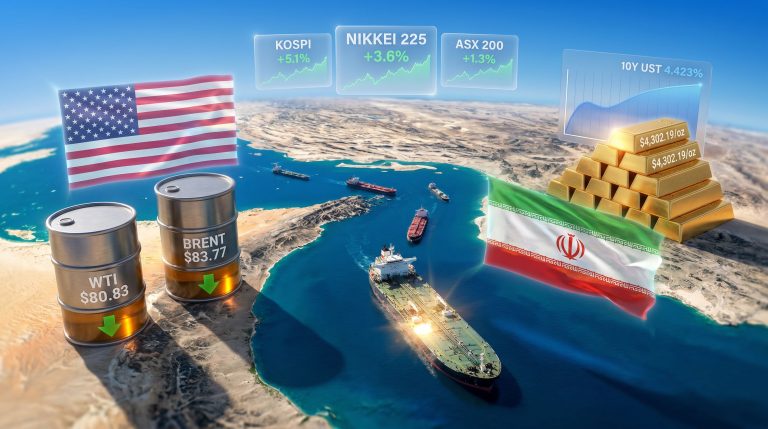
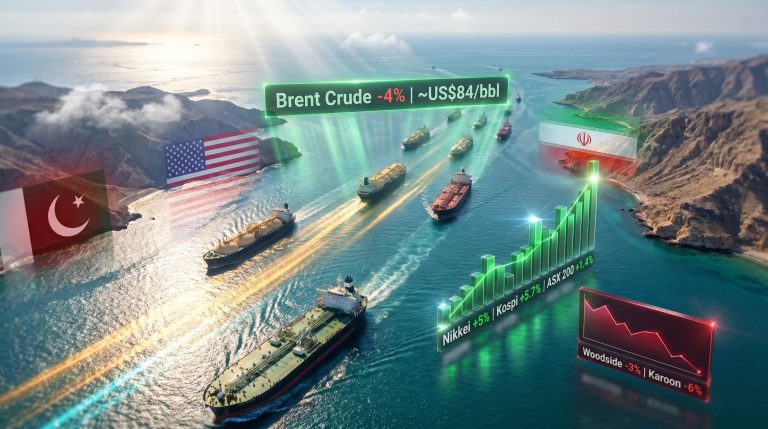
The Trump blockade Strait of Hormuz scenario represents unprecedented uncertainty for global energy markets as geopolitical tensions reshape strategic calculations around critical supply chokepoints. The convergence of naval positioning, economic warfare, and supply chain vulnerabilities creates a complex web of interdependencies that traditional risk models struggle to capture. Understanding these dynamics requires examining not just immediate tactical moves, but the broader strategic frameworks that govern energy security in an increasingly multipolar world.
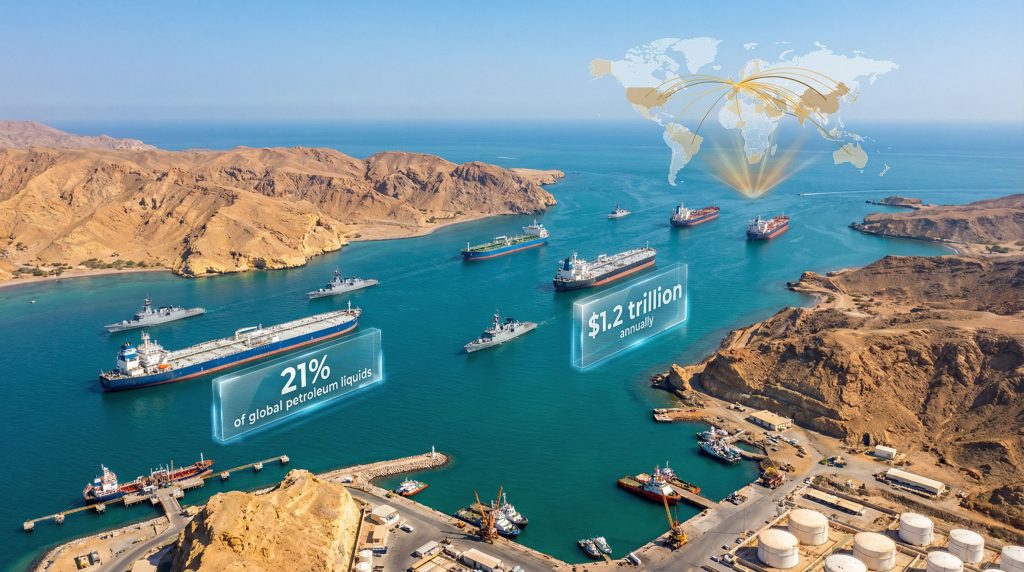
The world's most critical energy transit corridor processes approximately one-fifth of global petroleum flows, representing over $1 trillion in annual economic value. This narrow waterway, barely 34 kilometres at its narrowest point, creates a natural bottleneck where geopolitical leverage can be applied with devastating effect across global markets.
Geographic constraints fundamentally limit alternative routing options for energy exports from the Persian Gulf region. Ships seeking to bypass this corridor must navigate around the entire Arabian Peninsula, adding approximately 3,500 nautical miles to their journey and increasing transportation costs by an estimated 50-70% depending on vessel size and fuel prices.
Physical Infrastructure Vulnerabilities
The narrow shipping lanes create multiple vulnerability points where relatively small military assets can achieve disproportionate strategic impact. Water depths averaging 60-90 metres allow for effective mine deployment, while the presence of numerous small islands provides natural positions for anti-ship missile systems and surveillance equipment.
Current shipping traffic patterns show approximately 80-100 tankers transiting the strait daily, carrying crude oil, refined products, and liquefied natural gas. Any significant reduction in this flow immediately ripples through global energy markets, as storage facilities worldwide maintain relatively lean inventories compared to consumption rates.
Naval Operational Requirements
Effective naval control requires substantial force deployment across multiple domains. Surface vessels must maintain continuous presence while coordinating with air assets for surveillance and threat detection. Furthermore, mine-sweeping capabilities become critical as previous conflicts in the region demonstrated the effectiveness of naval mines in disrupting shipping operations.
Historical precedents from the 1980s Iran-Iraq conflict show that escort operations can maintain some level of commercial traffic, but at significantly reduced volumes and increased insurance costs that ultimately impact oil price dynamics.
When big ASX news breaks, our subscribers know first
Economic Impact Modelling Across Different Scenarios
Energy market responses to supply disruptions follow predictable patterns, though the magnitude varies significantly based on duration, seasonal factors, and available alternative supplies. Market psychology often amplifies physical supply constraints, creating price volatility that exceeds fundamental supply-demand imbalances.
Immediate Market Response Patterns
Short-term disruptions typically generate price spikes of 15-30% within the first week as traders factor in risk premiums and potential escalation scenarios. Historical analysis of similar events shows that markets tend to overreact initially, then stabilise as alternative supply sources activate and strategic reserves are deployed.
Energy Price Impact Scenarios
| Disruption Duration | Oil Price Change | Gas Price Impact | Regional Variation |
|---|---|---|---|
| 1-7 days | +20-35% | +15-25% | Asia +40%, Europe +25% |
| 2-4 weeks | +50-80% | +40-65% | Asia +90%, Europe +55% |
| 2-3 months | +100-150% | +80-120% | Asia +180%, Europe +100% |
Strategic Reserve Deployment Capabilities
Global strategic petroleum reserves currently hold approximately 1.5 billion barrels across major consuming nations. The United States maintains the largest reserves at roughly 700 million barrels, followed by China's estimated 500 million barrels, though Chinese reserve data remains largely opaque.
Release mechanisms typically allow for 1-4 million barrels per day depending on infrastructure capacity and political coordination. International Energy Agency protocols enable coordinated releases, though effectiveness depends on member nation cooperation and domestic political considerations.
Reserve depletion timelines vary significantly based on consumption patterns and alternative supply activation. Under complete supply cutoff scenarios, existing reserves could theoretically supply global markets for 60-90 days, though practical deployment challenges and uneven distribution create significant regional variations.
Regional Vulnerability Assessment and Dependencies
Asian economies face disproportionate exposure to Persian Gulf supply disruptions due to geographic proximity and established trade relationships. Import dependency ratios exceed 80% for several major economies, creating systemic vulnerabilities that extend beyond energy sectors into manufacturing and transportation.
Asian Market Dependencies
China imports approximately 45% of its crude oil requirements through the strait, representing nearly 4 million barrels per day. This dependency has driven significant investment in alternative supply routes, including pipeline projects from Russia and Central Asia, though current capacity remains insufficient to fully offset potential losses.
Japan's energy security framework relies heavily on Persian Gulf imports, with approximately 85% of crude oil and 30% of natural gas originating from the region. Limited domestic storage capacity and island geography create particular vulnerabilities that Japan has attempted to address through strategic partnerships and diversified supply agreements.
Critical Asian Import Dependencies
- China: 4.2 million barrels/day (42% of total imports)
- Japan: 2.8 million barrels/day (85% of total imports)
- South Korea: 2.1 million barrels/day (78% of total imports)
- India: 1.9 million barrels/day (65% of total imports)
European Alternative Supply Capacity
European markets maintain greater supply diversification through multiple pipeline networks and LNG terminals. Russian supply relationships, though politically complicated, provide alternative sources that could partially offset Middle Eastern disruptions, assuming political tensions don't simultaneously affect those supplies.
However, North Sea production continues to provide baseline domestic supply for several European nations, while North African pipeline capacity offers additional alternatives. Consequently, total alternative capacity remains insufficient to completely replace Persian Gulf imports without significant demand reduction or price-driven efficiency improvements.
Military Escalation Pathways and Response Scenarios
Naval operations in confined waters carry inherent escalation risks that extend beyond immediate participants. The presence of multiple national forces in close proximity, combined with civilian shipping traffic, creates numerous potential flashpoints where miscalculation or accidents could trigger broader conflicts.
Force Deployment Requirements
Effective blockade enforcement requires substantial naval assets across multiple mission areas. Surface combatants provide visible deterrent effect while submarines offer persistent threat capabilities. In addition, air assets become crucial for surveillance, reconnaissance, and rapid response to emerging threats.
Mine countermeasures operations demand specialised vessels and personnel, as underwater explosive devices can remain effective for extended periods. Historical clearance operations suggest that comprehensive demining efforts require weeks or months depending on affected area size and mine density.
Asymmetric Response Capabilities
Regional powers maintain significant asymmetric warfare capabilities that could complicate conventional naval operations. Shore-based anti-ship missile systems, small boat swarms, and submarine assets create multi-layered defensive capabilities that challenge traditional naval supremacy assumptions.
Furthermore, proxy force activation represents another escalation pathway, where regional conflicts expand through allied or supported groups operating across multiple geographic areas. This approach allows for plausible deniability while applying pressure across extended operational areas, particularly given OPEC oil production considerations.
Chinese Strategic Response Options and Implications
China's response to energy supply disruption would likely involve multiple complementary strategies aimed at minimising economic impact while potentially applying counter-pressure in other domains. Energy security concerns drive much of China's broader strategic planning, making supply disruptions a national security priority.
Alternative Supply Activation
Overland pipeline capacity from Russia and Central Asia provides some offset capability, though current infrastructure limits total replacement potential. The Eastern Siberia-Pacific Oil Pipeline currently delivers approximately 600,000 barrels per day, with expansion possibilities dependent on both political relationships and infrastructure investment.
Central Asian supply routes through Kazakhstan and other regional producers offer additional alternatives, though transportation infrastructure requires further development to handle significantly increased volumes. These routes also face their own geopolitical complexities that could affect reliability.
Economic Counter-Pressure Mechanisms
China's dominance in critical mineral processing creates potential retaliation options that could affect global technology supply chains. Rare earth element production, lithium processing, and other strategic materials represent leverage points where export restrictions could create significant economic pressure.
China's Strategic Resource Control
| Material | Global Market Share | Strategic Importance |
|---|---|---|
| Rare Earth Processing | 85-90% | Electronics, Defence Systems |
| Lithium Processing | 60-65% | Battery Technology |
| Graphite Processing | 70-75% | Battery Anodes |
| Solar Panel Production | 75-80% | Renewable Energy |
Manufacturing supply chain disruption represents another potential response mechanism, particularly in electronics and consumer goods sectors where Chinese production dominates global markets. However, such responses would also damage Chinese economic interests, creating complex cost-benefit calculations related to the US-China trade impact.
Long-Term Geopolitical Realignment Scenarios
Extended energy supply disruptions historically accelerate structural changes in global energy systems and geopolitical alignments. Current tensions may catalyse long-term shifts toward energy independence, supply diversification, and technological alternatives that reshape global power dynamics.
Energy Infrastructure Investment Acceleration
Pipeline development projects that bypass traditional chokepoints could receive accelerated funding and regulatory approval under crisis conditions. The India-Middle East-Europe Economic Corridor, though currently in planning stages, represents the type of infrastructure project that geopolitical tensions could fast-track.
LNG terminal construction and renewable energy deployment often accelerate during energy security crises as governments prioritise supply diversification over cost optimisation. Historical precedents suggest that crisis-driven infrastructure investments often exceed economically optimal levels but provide long-term strategic benefits.
Alliance Structure Modifications
Energy security concerns frequently drive alliance formation and modification, as shared vulnerabilities create common interests that transcend traditional diplomatic relationships. NATO's energy security provisions could face testing under sustained supply pressure, particularly if member nations experience differential impact levels.
Moreover, BRICS+ coordination on alternative payment systems and energy trading arrangements may accelerate under pressure from Western-controlled financial systems. Development of parallel institutions often accelerates during periods of heightened geopolitical tension.
The next major ASX story will hit our subscribers first
Investment Opportunities Across Affected Sectors
Energy supply disruptions create both immediate trading opportunities and longer-term structural investment themes. Understanding which sectors benefit from sustained tensions requires analysing both direct effects and secondary consequences across global markets.
Energy Infrastructure and Technology
Pipeline construction companies, LNG facility developers, and renewable energy equipment manufacturers typically benefit from energy security concerns. Government funding for strategic infrastructure projects often increases during geopolitical crises, creating sustained demand for specialised contractors and equipment suppliers.
Energy storage technology becomes particularly valuable as grid stability concerns increase alongside supply uncertainties. Battery storage, pumped hydro, and other grid-scale storage solutions receive enhanced investor attention during periods of energy volatility, particularly given the green transition strategy.
Defence and Security Technology
Naval shipbuilding and maritime security systems experience increased demand during prolonged maritime tensions. Surveillance technology, satellite monitoring systems, and communication equipment become strategic priorities for governments concerned about maritime chokepoint security.
Cybersecurity infrastructure investment accelerates as physical tensions often correlate with increased digital warfare activities. Critical infrastructure protection becomes a national security priority, driving government and private sector investment in defensive capabilities.
Historical Precedent Analysis for Risk Assessment
Previous energy supply disruptions provide valuable insights into likely market responses and resolution timelines. However, current global energy systems differ significantly from historical precedents due to increased interconnectedness, larger scale consumption, and different geopolitical alignments.
Lessons from Previous Conflicts
The 1980s Tanker War demonstrated that commercial shipping can continue operating under military protection, though at significantly reduced volumes and increased costs. Insurance rates increased by 300-500% during peak tensions, while actual shipping volumes declined by approximately 40% despite escort operations.
Recovery patterns from historical disruptions suggest that markets typically require 6-18 months to fully normalise after conflict resolution, depending on infrastructure damage and ongoing political relationships. Price volatility often persists well beyond physical supply restoration as market psychology adjusts to new risk perceptions.
Comparison with Other Chokepoint Disruptions
The 2021 Suez Canal blockage, though brief, demonstrated how quickly global supply chains react to chokepoint disruptions. Within days, shipping rates increased globally as vessels rerouted around Africa, creating temporary shortages and price spikes across multiple commodity categories.
Panama Canal capacity constraints during drought conditions have shown how reduced throughput affects global shipping patterns and costs. These precedents suggest that even partial disruptions create disproportionate market effects due to just-in-time supply chain vulnerabilities affecting energy export challenges.
De-escalation Mechanisms and Resolution Pathways
Historical conflict resolution in maritime chokepoint disputes typically involves complex diplomatic negotiations combined with economic incentives that address underlying security concerns. Success rates vary significantly based on broader geopolitical contexts and domestic political pressures.
Diplomatic Resolution Frameworks
Third-party mediation becomes crucial when direct negotiations prove insufficient, though mediator credibility and neutrality often face challenges in highly polarised conflicts. International organisations, regional powers, and economic stakeholders may all play roles in facilitating dialogue.
Economic incentive structures that address underlying security concerns offer more durable solutions than purely military resolutions. Arrangements that provide security guarantees, economic benefits, and face-saving mechanisms for all parties typically prove more sustainable over time.
Economic Pressure Relief Mechanisms
Strategic reserve coordination among major consuming nations can provide temporary relief while diplomatic solutions develop. International Energy Agency protocols enable rapid response coordination, though effectiveness depends on member nation cooperation and domestic political support.
Technology-based solutions for energy security enhancement may offer longer-term alternatives that reduce chokepoint dependencies. Investment in alternative supply routes, renewable energy capacity, and energy storage systems can gradually reduce vulnerability over time.
What are the Immediate Risk Assessment Implications?
Understanding potential escalation scenarios and their economic implications enables more informed decision-making across investment, policy, and operational domains. Risk assessment must consider both direct effects and cascading consequences across interconnected global systems.
Duration and Sustainability Analysis
Logistical sustainability for naval operations varies significantly based on operational scope and support infrastructure. Extended deployments require substantial supply chains and maintenance capabilities that become increasingly challenging to sustain over time.
Economic pressure points that force conflict resolution typically emerge within weeks or months as price impacts affect domestic political stability across multiple nations. Energy-intensive industries, transportation costs, and consumer prices create political pressure for resolution when considering any Trump blockade Strait of Hormuz implementation.
Global Economic Impact Modelling
GDP impact projections suggest that complete supply cutoff could reduce global economic growth by 2-4 percentage points annually, with developing economies facing disproportionate impacts due to limited strategic reserves and alternative supply access.
Financial market stability implications extend beyond energy sectors as currency volatility, inflation concerns, and trade disruption affect global capital flows. Central bank coordination becomes crucial for maintaining monetary stability during extended supply crises, as evidenced by analysis of potential blockade impacts.
Summary Risk Assessment Matrix
| Risk Factor | Probability Level | Economic Impact | Mitigation Effectiveness |
|---|---|---|---|
| Short-term Supply Disruption | High | Moderate | Good (Strategic Reserves) |
| Extended Blockade Operations | Medium | Severe | Limited (Infrastructure Constraints) |
| Regional Conflict Expansion | Medium | Critical | Variable (Diplomatic Channels) |
| Global Recession Trigger | Medium | Severe | Moderate (Policy Coordination) |
| Permanent Geopolitical Shift | High | Major | Long-term (Structural Adaptation) |
The intersection of energy security, naval strategy, and economic warfare creates unprecedented challenges for global markets and policymakers. Understanding these dynamics requires continuous monitoring of multiple variables while preparing for scenarios that may evolve rapidly beyond initial assessments. Consequently, the potential for a Trump blockade Strait of Hormuz scenario demands careful consideration of both immediate tactical responses and longer-term strategic adaptations across global energy systems.
Looking for Strategic Investment Opportunities During Geopolitical Energy Crises?
Discovery Alert's proprietary Discovery IQ model delivers real-time alerts on significant ASX mineral discoveries, instantly empowering subscribers to identify actionable opportunities that often emerge during periods of global market uncertainty. With energy security concerns driving increased investment in critical minerals and alternative supply chains, Discovery Alert's discoveries page showcases historic examples of how major mineral discoveries can generate substantial returns when traditional energy markets face disruption.