May 20, 2026
The global shipping industry operates within an intricate web of financial risk management that has remained largely unchanged for centuries. Traditional maritime insurance structures, dominated by London-based Protection and Indemnity clubs, create strategic vulnerabilities for trade-dependent nations during periods of geopolitical uncertainty. Furthermore, when commercial insurers withdraw coverage or impose restrictive terms due to political risks, entire national economies can face disruption to their maritime trade flows, affecting us tariffs impacts.
Understanding Maritime Insurance Sovereignty in the Modern Era
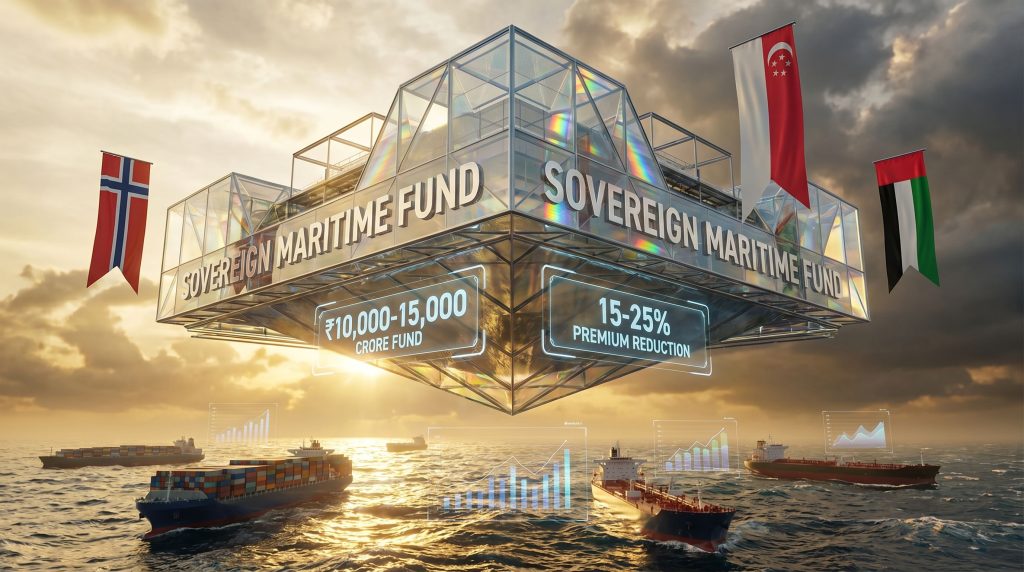
The concept of a sovereign maritime fund represents a fundamental shift toward national self-reliance in marine insurance infrastructure. These state-backed insurance mechanisms provide coverage for hull and machinery damage, cargo protection, third-party liability, and war risks through domestic underwriting capacity rather than relying solely on international commercial arrangements.
India's recent establishment of the Bharat Maritime Insurance Pool (BMI) with a ₹12,980 crore sovereign guarantee exemplifies this strategic approach. The initiative addresses a critical dependency gap where Indian vessels currently rely heavily on global P&I clubs for essential coverage including oil spill liability, cargo damage claims, crew injury compensation, and collision risks.
The Strategic Insurance Coverage Gap
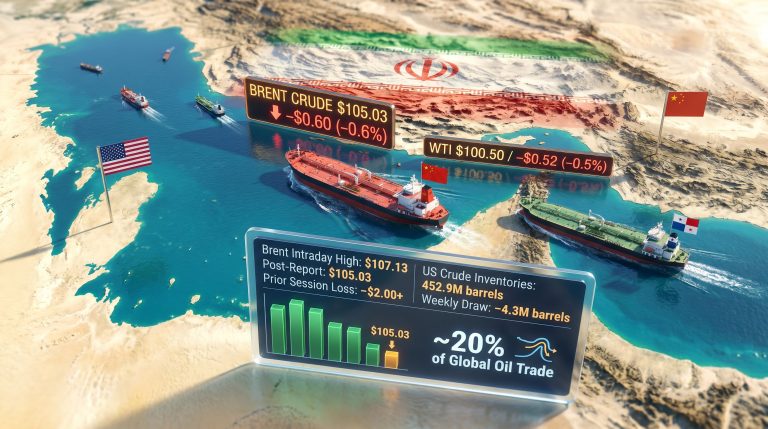
Modern maritime trade faces escalating insurance challenges as geopolitical tensions create coverage uncertainty in critical shipping corridors. The Persian Gulf region demonstrates these vulnerabilities acutely, where Iranian authorities have implemented transit restrictions affecting major energy transport routes.
Recent operational disruptions illustrate the insurance gap's practical impact. During April 2026, multiple Indian-flagged vessels including the Sanmar Herald, Desh Garima, Desh Vaibhav, and Desh Vibhor experienced operational paralysis when attempting transit through the Strait of Hormuz. These vessels, collectively carrying millions of barrels of crude oil, were forced to alter course or halt operations due to uncertainty regarding both transit permissions and insurance coverage validity.
The commercial implications extend beyond individual voyage delays. When traditional insurers face elevated political risk exposure, premium costs can increase dramatically or coverage may be withdrawn entirely from high-risk routes. However, this creates a strategic vulnerability where trade-dependent nations lose control over their maritime commerce insurance arrangements precisely when trade war impacts are most uncertain.
When big ASX news breaks, our subscribers know first
Strengthening National Trade Security Through Risk Transfer Innovation
A sovereign maritime fund fundamentally restructures how nations manage shipping-related financial risks. Rather than depending on commercial insurers who may withdraw coverage during political crises, state-backed pools provide continuous insurance availability aligned with national strategic interests.
Bifurcated Risk Management Architecture
The BMI pool establishes a sophisticated risk transfer mechanism combining direct underwriting capacity with sovereign guarantee backing. Member insurers maintain ₹950 crore in combined underwriting capacity for routine claims processing, while the ₹12,980 crore government guarantee provides backstop coverage for catastrophic losses exceeding normal operational limits.
This structure creates several strategic advantages:
- Continuous coverage availability during international sanctions or political disruptions
- Reduced dependency on London-based P&I club decision-making processes
- Domestic expertise development in marine underwriting and claims management
- Regulatory alignment with national shipping conditions and legal frameworks
The governance framework includes a dedicated oversight body responsible for pool operations, ensuring institutional accountability while maintaining operational independence from direct government administration.
Building Indigenous Maritime Insurance Capacity
Beyond immediate coverage provision, sovereign maritime fund initiatives serve as infrastructure for developing domestic marine insurance expertise. The BMI initiative explicitly aims to build Indian capabilities in specialised areas including marine underwriting, complex claims management, and maritime legal processes.
This capacity-building addresses a fundamental strategic gap. International P&I clubs operate according to standardised global terms that may not align with specific national regulatory requirements or regional shipping conditions. Moreover, domestic expertise allows for insurance product customisation that better serves national fleet operators and trade patterns.
The technical infrastructure development includes:
- Specialised underwriting systems for marine risk assessment
- Claims processing capabilities for complex maritime incidents
- Legal expertise in admiralty law and international maritime regulations
- Reinsurance arrangements to distribute catastrophic risk exposure
Economic Resilience and Trade Route Protection Benefits
Sovereign maritime funds deliver measurable economic benefits through improved trade continuity assurance and reduced vulnerability to external insurance market disruptions. Consequently, the financial framework creates predictable coverage availability that supports long-term maritime trade planning.
Quantified Economic Impact Framework
| Metric | Traditional P&I Coverage | Sovereign Fund Model |
|---|---|---|
| Coverage Continuity | Subject to commercial withdrawal | State-guaranteed availability |
| Premium Volatility | High during geopolitical tension | Stabilised through sovereign backing |
| Claims Processing | International arbitration | Domestic legal framework |
| Sanctions Resilience | Limited protection | Full operational continuity |
The economic resilience framework operates through multiple mechanisms. During the recent Strait of Hormuz disruptions, traditional insurance arrangements created operational uncertainty that forced vessel operators to make routing decisions with incomplete coverage information. In addition, tariffs market risk considerations further complicate these decisions.
Critical Shipping Corridor Security
Trade route protection represents a core strategic benefit of sovereign maritime insurance. High-risk corridors including the Persian Gulf, Red Sea regions, and other geopolitically sensitive waters require specialised insurance arrangements that account for rapidly changing threat environments.
The war risk insurance component within sovereign funds specifically addresses these challenges. While commercial insurers may impose geographic exclusions or require additional premium payments for high-risk route transit, state-backed pools can maintain consistent coverage terms aligned with national trade priorities.
Key advantages include:
- Route flexibility without insurance coverage gaps
- Predictable premium structures for trade planning purposes
- Rapid claim settlement through domestic legal processes
- Political risk mitigation through government backing
Global Implementation Patterns and Regional Cooperation
The emergence of sovereign maritime insurance reflects broader trends toward economic nationalism and strategic autonomy in critical infrastructure sectors. Multiple nations are exploring similar approaches to reduce dependency on traditional international insurance markets, particularly given concerns about global recession risks.
Comparative National Approaches
While comprehensive data on all sovereign maritime insurance implementations requires further verification, several patterns emerge from available public information:
Norway's Maritime Insurance Framework:
- Long-established state involvement in shipping industry support
- Integration with national oil and gas sector insurance requirements
- Emphasis on Arctic shipping route coverage
Singapore's Risk Pooling Mechanisms:
- Focus on Asian trade route insurance coordination
- Integration with port authority risk management
- Emphasis on maritime technology and digitalisation
UAE's Sovereign Shipping Guarantees:
- Strategic focus on Middle Eastern shipping corridor security
- Integration with national logistics and trade hub development
- Emphasis on energy sector maritime transport
Regional Maritime Security Coordination
Regional cooperation in maritime insurance represents an emerging trend that could complement national sovereign fund development. For instance, potential coordination mechanisms include:
- Reciprocal coverage agreements between allied nations
- Shared risk assessment databases for common shipping routes
- Joint reinsurance arrangements for catastrophic loss distribution
- Coordinated response protocols during regional maritime crises
Addressing Modern Maritime Risk Categories
Contemporary shipping faces risk categories that traditional insurance frameworks struggle to address comprehensively. Therefore, sovereign maritime funds can potentially develop specialised coverage approaches for emerging threat types.
Cybersecurity and Digital Infrastructure Threats
Modern vessels rely heavily on digital navigation, communication, and cargo management systems that create new vulnerability categories. Cyber attacks on shipping infrastructure can cause operational disruptions, cargo losses, and safety incidents that traditional marine insurance may not adequately cover.
Potential sovereign fund advantages:
- Rapid coverage evolution to address new cyber threat types
- Integration with national cybersecurity frameworks
- Coordinated incident response with government security agencies
- Specialised expertise development in maritime cyber risk assessment
Environmental Liability and Climate Adaptation
Climate change creates new categories of maritime risk including extreme weather events, changing ice conditions, and evolving environmental liability regimes. Consequently, sovereign funds can potentially develop coverage approaches that align with national environmental policies and climate adaptation strategies.
Coverage areas include:
- Enhanced environmental liability protection for oil spill and pollution incidents
- Climate adaptation support for changing shipping route conditions
- Green technology incentives through insurance premium structures
- Carbon liability coverage as emissions regulations evolve
Implementation Challenges and Technical Requirements
Establishing effective sovereign maritime insurance requires substantial technical infrastructure development and regulatory framework creation. Furthermore, the complexity of marine insurance demands specialised expertise that many nations currently lack, particularly when considering energy export challenges.
Technical Infrastructure Development Needs
Essential capabilities include:
- Marine surveying and risk assessment expertise for hull and machinery evaluation
- Claims investigation capabilities for complex maritime incidents
- Legal expertise in admiralty law and international maritime conventions
- Actuarial capabilities for marine risk pricing and reserve management
- Reinsurance relationships for catastrophic loss distribution
The BMI pool addresses these requirements through member insurer coordination, leveraging existing commercial expertise while building domestic capabilities over time.
International Coordination Complexities
| Challenge Area | Complexity Level | Potential Solutions |
|---|---|---|
| Flag vs. Port State Jurisdiction | High | Bilateral recognition agreements |
| International Maritime Law Compliance | Medium | IMO coordination frameworks |
| Cross-Border Claim Settlement | High | Regional arbitration mechanisms |
| Reinsurance Market Access | Medium | Government-to-government agreements |
Cross-border recognition of sovereign maritime insurance presents significant regulatory challenges. International maritime law operates through complex jurisdictional frameworks where flag state, port state, and coastal state regulations can conflict.
Critical coordination areas:
- Mutual recognition agreements between sovereign fund operators
- Standardised coverage definitions to ensure international acceptance
- Dispute resolution mechanisms for cross-border claims
- Regulatory harmonisation with International Maritime Organization standards
The next major ASX story will hit our subscribers first
Market Structure Impact and Competitive Dynamics
The emergence of sovereign maritime insurance funds will likely reshape global shipping insurance markets by introducing new competitive pressures and alternative coverage sources. However, this transformation must be understood within the broader context of evolving trade relationships and regulatory frameworks.
Disruption to Traditional P&I Club Dominance
London-based P&I clubs have maintained dominant market positions for over a century through mutual insurance structures and specialised maritime expertise. Sovereign funds present the first significant structural challenge to this arrangement by offering state-backed alternatives.
Potential market impacts:
- Competitive pressure on traditional premium pricing structures
- Coverage innovation as clubs respond to sovereign fund competition
- Regional market fragmentation as nations develop domestic alternatives
- Specialisation shifts toward higher-value commercial vessels and complex risks
Investment and Fleet Development Incentives
Sovereign maritime insurance can create strategic incentives for domestic shipping industry development through preferential coverage terms for national flag vessels.
Development mechanisms include:
- Flag state registration incentives through improved insurance terms
- Domestic shipbuilding support via new vessel coverage preferences
- Port competitiveness enhancement through integrated insurance and logistics services
- Maritime technology development through coverage innovation requirements
Future Technology Integration and Innovation Opportunities
A sovereign maritime fund possesses strategic advantages for integrating emerging technologies into insurance operations due to their alignment with national digital infrastructure development priorities.
Blockchain and Distributed Ledger Applications
Potential technology integration includes:
- Automated claims processing through smart contract mechanisms
- Real-time risk monitoring via IoT sensor integration on vessels
- Transparent premium calculation through algorithmic pricing models
- Cross-border settlement efficiency using distributed ledger systems
Satellite Monitoring and AI-Driven Risk Assessment
Government backing enables sovereign funds to access national satellite infrastructure and artificial intelligence capabilities for enhanced risk management. Furthermore, India's maritime fund initiative demonstrates the potential for technological integration in maritime insurance.
Advanced capabilities:
- Real-time vessel tracking for route optimisation and safety monitoring
- Weather pattern analysis for dynamic risk pricing adjustments
- Predictive maintenance algorithms for hull and machinery coverage
- Automated incident detection for rapid emergency response
Strategic Scenario Analysis: Red Sea Crisis Response Framework
Consider a hypothetical scenario where traditional commercial insurers withdraw coverage from Red Sea shipping routes due to escalating regional conflicts. Sovereign maritime funds would provide critical continuity mechanisms unavailable through commercial arrangements.
Crisis Response Capabilities:
- Maintained coverage availability regardless of commercial insurer decisions
- Alternative route cost mitigation through flexible coverage terms
- Fleet redeployment support via domestic regulatory coordination
- Trade continuity assurance aligned with national economic priorities
The sovereign fund advantage becomes particularly evident during extended crisis periods when commercial insurers face mounting pressure to minimise risk exposure. In addition, state-backed pools can maintain operational coverage while commercial markets retreat.
Understanding Sovereign Maritime Insurance Through Practical Questions
How do sovereign maritime funds differ from commercial insurance arrangements?
Sovereign maritime funds operate with state guarantee backing rather than commercial mutual insurance structures. This fundamental difference provides political risk protection capabilities that commercial insurers cannot match, particularly during sanctions or geopolitical disruptions affecting international insurance markets.
What vessel types benefit most from sovereign coverage?
Priority vessel categories include:
- Bulk carriers operating through geopolitically sensitive regions
- Tankers navigating sanctions-affected waters or high-risk corridors
- Container ships serving strategic trade routes critical to national commerce
- Specialised vessels supporting national resource extraction or infrastructure projects
Can sovereign maritime funds operate internationally?
International operation requires careful coordination with existing maritime law frameworks and bilateral recognition agreements. Sovereign funds can potentially develop reciprocal coverage arrangements with allied nations and coordinate through international maritime organisations for cross-border claim settlement.
Maritime Insurance as National Security Infrastructure
A sovereign maritime fund represents more than financial risk management tools; they constitute critical national security infrastructure that ensures trade continuity during periods of international tension. However, comprehensive sovereign maritime coverage requires careful planning and implementation.
Strategic Value Assessment Framework
Core strategic benefits:
- Trade continuity assurance during commercial insurer withdrawal
- Economic sovereignty enhancement through reduced foreign dependency
- Regional influence projection via insurance cooperation mechanisms
- Crisis resilience building for extended geopolitical disruptions
The BMI pool's ₹12,980 crore sovereign guarantee demonstrates India's commitment to building maritime insurance sovereignty as essential economic infrastructure. This investment reflects recognition that maritime trade security requires domestic insurance capabilities aligned with national strategic interests rather than commercial market dynamics.
Implementation Roadmap Considerations
Successful sovereign maritime insurance implementation requires phased development approaches that balance immediate coverage needs with long-term capability building objectives.
Strategic implementation phases:
- Initial pool establishment with basic coverage for national flag vessels
- Expertise development through domestic underwriting capacity expansion
- Technology integration for enhanced risk management and claims processing
- Regional cooperation through bilateral and multilateral insurance agreements
- Innovation leadership in emerging maritime risk categories and coverage types
The evolution of a sovereign maritime fund reflects broader trends toward economic nationalism and strategic autonomy in critical infrastructure sectors. As geopolitical tensions continue reshaping global trade patterns, nations increasingly recognise that maritime insurance sovereignty provides essential protection for economic security and trade continuity during uncertain times.
Disclaimer: This article contains analysis of policy developments and market trends that may involve speculation about future outcomes. Maritime insurance is subject to complex international regulations and commercial arrangements that can change rapidly based on geopolitical developments. Readers should consult qualified maritime insurance professionals and current government sources for specific coverage decisions and regulatory compliance requirements.
Want to Capitalise on Maritime Infrastructure and Sovereign Investment Trends?
Discovery Alert's proprietary Discovery IQ model delivers real-time alerts on significant ASX mineral discoveries and resource sector developments, instantly empowering subscribers to identify actionable opportunities ahead of the broader market when infrastructure and sovereignty initiatives create new demand for strategic materials. Begin your 14-day free trial today and secure your market-leading advantage through Discovery Alert's comprehensive service.