May 17, 2026

Understanding Market Dynamics in the Resources Sector
The resources sector continues to experience significant volatility as global economic conditions shift and demand patterns evolve. Market participants are increasingly focused on understanding key indicators that drive commodity prices and investment opportunities. Furthermore, the interconnected nature of global markets means that developments in one region can have far-reaching implications across multiple sectors.
Investment decisions in this space require careful analysis of both fundamental and technical factors. Moreover, geopolitical tensions and trade policies continue to influence market sentiment and pricing mechanisms across various commodity classes.
When big ASX news breaks, our subscribers know first
How Are Commodity Markets Responding to Global Economic Changes?
The current economic landscape presents both challenges and opportunities for commodity investors. Iron ore price trends remain particularly sensitive to Chinese infrastructure spending and global steel demand. Additionally, central bank policies across major economies are creating ripple effects throughout commodity markets.
Supply chain disruptions continue to impact pricing mechanisms, whilst demand from emerging markets shows signs of resilience. However, inflation concerns in developed economies are creating uncertainty about future consumption patterns. Consequently, investors are adopting more cautious approaches to portfolio allocation within the resources sector.
The Role of Precious Metals in Portfolio Diversification
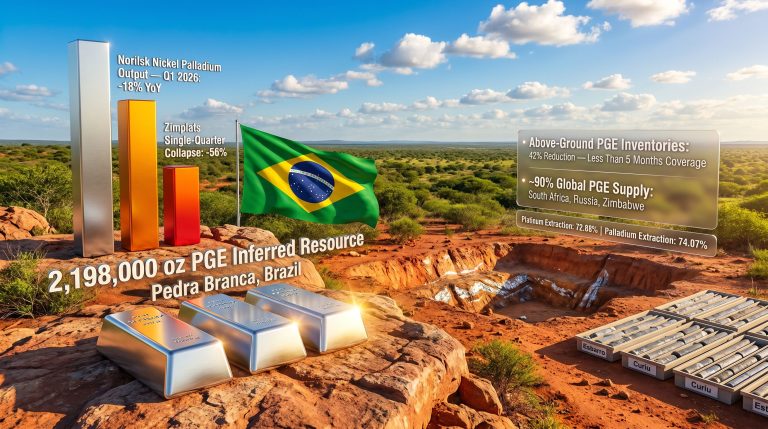
Precious metals have traditionally served as safe-haven assets during periods of economic uncertainty. The recent gold market surge reflects growing investor appetite for assets that can preserve value during inflationary periods. Furthermore, institutional investors are increasing their exposure to precious metals as a hedge against currency devaluation.
Silver markets are experiencing unique dynamics that differ from gold's traditional patterns. The silver market squeeze has highlighted the metal's dual role as both an industrial commodity and store of value. Industrial demand for silver continues to grow, particularly in renewable energy applications and technology sectors.
Industrial Applications Driving Demand
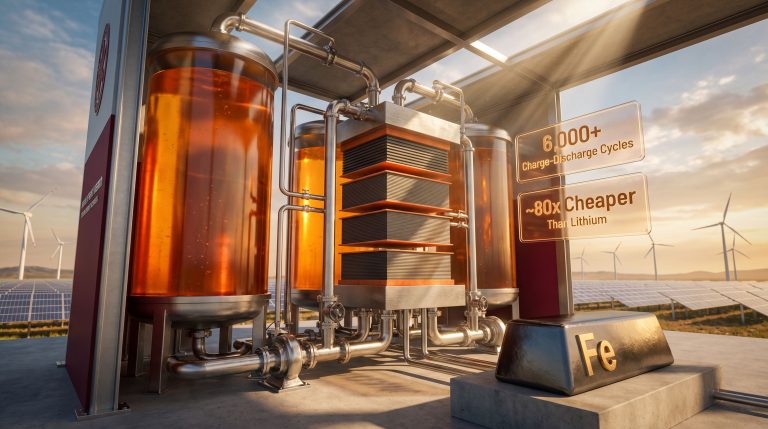
The transition to renewable energy is creating substantial demand for metals used in solar panels and battery technology. Electric vehicle production requires significant quantities of lithium, cobalt, and rare earth elements. Additionally, infrastructure development projects globally are maintaining steady demand for base metals.
Manufacturing sectors are adapting to supply chain challenges by securing longer-term contracts with suppliers. This trend is particularly evident in the technology sector, where component availability directly impacts production schedules.
What Factors Influence Investment Decisions in Mining?
For newcomers to the sector, understanding fundamental concepts is essential for making informed investment decisions. Mining for beginners requires grasping key metrics such as ore grades, reserve calculations, and operational costs. Moreover, regulatory environments and permitting processes can significantly impact project timelines and profitability.
Environmental considerations are increasingly important in mining investment decisions. Companies with strong environmental, social, and governance (ESG) credentials are attracting more institutional investment. Furthermore, technological innovations in mining processes are improving efficiency whilst reducing environmental impact.
Evaluating Mining Company Performance
Key performance indicators for mining companies include:
- Production volumes and consistency
- All-in sustaining costs (AISC) per ounce or tonne
- Reserve replacement ratios
- Cash flow generation capabilities
- Debt-to-equity ratios
Operational efficiency metrics provide insights into management effectiveness and long-term sustainability. Additionally, exploration success rates indicate a company's ability to replace depleted reserves and maintain production levels.
How Do Macroeconomic Policies Affect Commodity Prices?
Trade policies and tariff structures significantly influence commodity flows and pricing mechanisms. Recent developments in US tariffs & inflation demonstrate how policy changes can create both opportunities and risks for commodity producers. Currency fluctuations also play a crucial role in determining the competitiveness of different producing regions.
Interest rate policies affect commodity prices through multiple channels. Higher rates typically strengthen currencies and reduce speculative demand for commodities. However, they can also signal economic strength, which may support industrial demand for base metals.
Regional Market Variations
Different regions exhibit varying sensitivity to global economic changes. Asian markets, particularly China, remain the dominant driver of demand for many industrial commodities. European markets are increasingly focused on securing sustainable supply chains for critical materials needed in the green transition.
North American markets are emphasising supply chain resilience and reducing dependence on imports for strategic materials. This trend is creating opportunities for domestic producers whilst potentially reshaping global trade patterns.
Risk Management Strategies for Commodity Investors
Successful commodity investing requires robust risk management approaches. Diversification across different commodity classes helps reduce portfolio volatility. Additionally, understanding seasonal patterns and cyclical trends can improve timing of investment decisions.
Hedging strategies using derivatives can protect against adverse price movements. However, these instruments require sophisticated understanding and may not be suitable for all investors. Furthermore, monitoring global inventory levels and supply-demand balances provides valuable insights for investment timing.
According to industry analysis from Morningstar, commodity markets are expected to remain volatile as central banks navigate inflation concerns whilst supporting economic growth.
Technology's Impact on Investment Analysis
Modern investment analysis increasingly relies on big data and artificial intelligence to identify market trends. Market research platforms provide real-time data and analysis that can inform investment decisions. These tools help investors process vast amounts of information and identify emerging opportunities.
Blockchain technology is beginning to impact commodity trading through improved transparency and traceability. Smart contracts may streamline settlement processes and reduce counterparty risks in commodity transactions.
The next major ASX story will hit our subscribers first
Future Outlook for the Resources Sector
The resources sector faces both challenges and opportunities in the coming years. Climate change initiatives are driving demand for materials needed in renewable energy infrastructure. However, increasing environmental regulations may impact traditional mining operations.
Technological advances in exploration and extraction are improving the economics of previously marginal deposits. Automation and artificial intelligence are reducing operational costs whilst improving safety standards. Consequently, companies that embrace technological innovation are likely to outperform those that resist change.
The sector's long-term prospects remain positive, driven by global population growth and rising living standards in developing countries. However, investors must carefully evaluate individual opportunities and maintain diversified portfolios to manage inherent volatility in commodity markets.
Seeking Early Access to Breakthrough ASX Mineral Discoveries?
Discovery Alert's proprietary Discovery IQ model instantly identifies significant ASX mineral discoveries, delivering real-time alerts that transform complex geological announcements into actionable trading opportunities. Explore how historic discoveries have generated substantial returns and begin your 14-day free trial today to position yourself ahead of the market.