
August 20, 2026
The Mathematics of Economic Warfare: Storage Capacity and Strategic Pressure
Global energy markets operate on razor-thin margins where storage infrastructure becomes a critical bottleneck during supply disruptions. When export channels close abruptly, producing nations face immediate mathematical constraints that force operational decisions within days rather than months. The relationship between daily production rates, domestic consumption requirements, and maximum storage thresholds creates predictable pressure points that can be exploited through sustained enforcement actions.
Iran's energy sector exemplifies this vulnerability through its current operational parameters. With storage facilities operating at approximately 51% capacity and daily production significantly exceeding domestic requirements, the country maintains a delicate balance between export revenue generation and infrastructure limitations. This mathematical relationship becomes the foundation for understanding how external pressure translates into forced production decisions.
When big ASX news breaks, our subscribers know first
Strategic Chokepoint Analysis: The Hormuz Transit Corridor
The Strait of Hormuz represents one of the world's most critical energy transit routes, facilitating the passage of approximately 20% of globally traded petroleum. This narrow waterway, spanning just 21 miles at its narrowest point, serves as the primary export channel for multiple Gulf producers, creating an unavoidable dependency for regional energy economies.
Iran's geographic position grants it significant influence over this transit corridor, with the ability to threaten shipping lanes through both conventional naval assets and asymmetric warfare capabilities. Furthermore, the strategic value extends beyond simple geography, encompassing complex relationships with regional proxy forces and the technical capacity to disrupt international shipping through multiple mechanisms.
Historical precedents demonstrate the corridor's vulnerability to disruption. During the 1980s Iran-Iraq War, the "Tanker War" phase illustrated how sustained attacks on commercial shipping could dramatically reduce transit volumes even without complete closure. Consequently, insurance costs escalated rapidly, forcing many operators to seek alternative routes or suspend operations entirely.
Geographic Constraints and Operational Challenges
The physical characteristics of the Strait create natural bottlenecks that amplify the impact of any enforcement action. However, shipping lanes must navigate designated channels while maintaining safe separation distances, limiting the total daily throughput capacity regardless of global demand pressures.
Current naval enforcement capabilities include:
- Radar monitoring systems providing continuous tracking of all vessel movements
- Fast attack craft capable of intercepting commercial shipping
- Coastal missile batteries with ranges covering the entire transit width
- Mine deployment capabilities in shallow coastal waters
Alternative routing options remain limited for Iranian exports. The US naval blockade impact on Iran's oil has prompted analysis of the Jask terminal, located outside the Strait, which provides some capacity but operates under significant throughput constraints compared to primary export facilities at Kharg Island and other Gulf terminals.
Storage Infrastructure Mathematics and Critical Thresholds
Iran's petroleum storage capacity reached its historical maximum of 92 million barrels during the 2020 COVID-19 pandemic, when global demand collapsed and producers worldwide faced similar storage constraints. Current utilisation sits at approximately 51%, providing a buffer of roughly 45 million barrels before approaching maximum capacity.
With daily production averaging 3.6 million barrels and domestic consumption absorbing approximately 1.8 million barrels, the country generates a net surplus of 1.8 million barrels daily under normal operations. This surplus must find export channels or contribute to strategic storage accumulation.
Critical Timeline Calculations
The mathematics of storage constraint create predictable pressure points:
| Metric | Current Level | Critical Threshold | Days to Breach |
|---|---|---|---|
| Storage Utilisation | 51% (47 million barrels) | 100% (92 million barrels) | 16 days at current surplus rates |
| Production Curtailment Decision | N/A | 85% storage capacity | 10-15 days according to industry analysis |
| Emergency Capacity | 8 million barrels | 100% utilisation | 4-5 additional days |
These calculations assume continued production at current levels and complete export cessation. Partial export capability would extend these timelines proportionally, while production increases would accelerate the approach to critical thresholds.
Energy sector analysts indicate that production curtailment decisions typically occur before reaching maximum storage capacity to prevent infrastructure damage and maintain operational flexibility. The 10-15 day window reflects industry best practices for managing field shutdowns while preserving long-term productive capacity.
Economic Impact Assessment and Revenue Disruption
The financial implications of export curtailment extend far beyond immediate revenue losses, affecting government budget projections, currency stability, and long-term economic planning capabilities. Iran's energy sector contributes approximately 13% to national GDP, making sustained export disruption a matter of economic security rather than mere revenue optimisation.
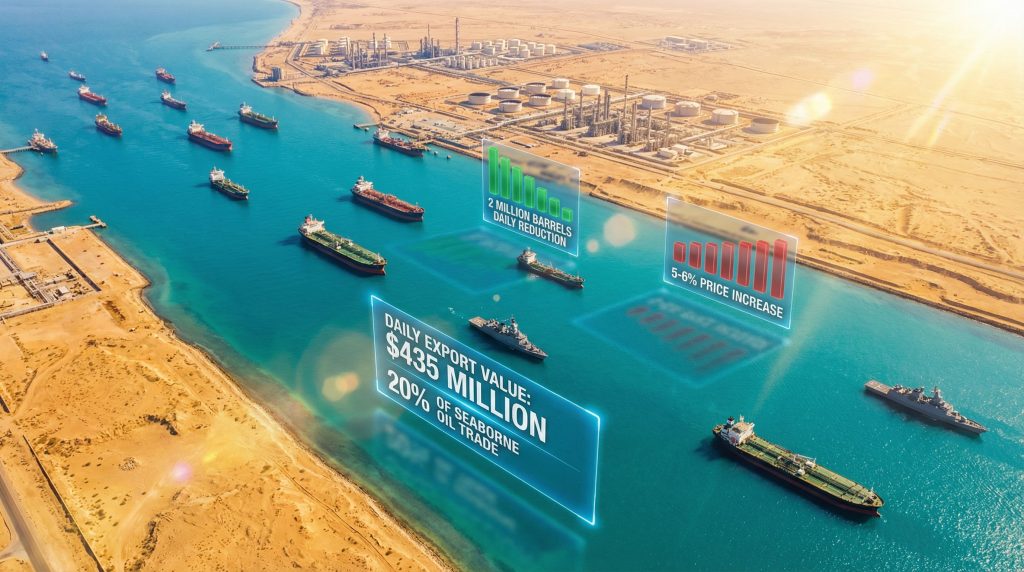
Daily export revenue calculations, based on current pricing and volume assumptions, suggest potential losses of approximately $435 million per day under complete export cessation. This figure represents gross revenue impact and does not account for reduced production costs or domestic price subsidies that might partially offset losses.
Revenue Stream Analysis
Recent sanctions waivers had allowed Iran to capitalise on elevated global prices, with some estimates suggesting revenue levels approaching double pre-conflict baselines. These temporary arrangements, set to expire in mid-April 2026, had provided crucial foreign exchange earnings for government operations and reconstruction efforts.
The revenue disruption timeline follows predictable patterns:
- Week 1-2: Immediate cash flow impact on government operations
- Month 1-3: Currency pressure and import capacity reduction
- Month 3-6: Budget reallocation and subsidy programme adjustments
- Beyond 6 months: Structural economic adjustments and alternative revenue development
Iranian officials have indicated that recent favourable sales proceeds would be directed toward industry reconstruction, suggesting awareness of potential future disruptions and the need for infrastructure resilience improvements.
Production Management Under Export Constraints
Iran's oil field infrastructure spans multiple geographic regions with varying production characteristics, technical requirements, and operational costs. In addition, managing production curtailment across this diverse portfolio requires careful coordination to preserve long-term productive capacity while minimising immediate economic losses.
Domestic energy consumption patterns create a floor for minimum production requirements. The country's 1.8 million barrels per day of internal consumption supports transportation, heating, industrial processes, and power generation that cannot be easily substituted through alternative energy sources.
Field-Level Production Decisions
Different oil fields present varying challenges for rapid production adjustment:
- Mature fields can typically reduce output gradually without significant infrastructure damage
- Enhanced recovery operations require continuous injection and maintenance to prevent reservoir damage
- Offshore platforms face higher costs for temporary shutdown and reactivation
- Heavy oil operations may suffer permanent productivity loss if operations cease abruptly
The technical complexity of production management creates additional timeline pressure beyond simple storage mathematics. For instance, field operators must balance immediate storage constraints against long-term productive capacity preservation, often requiring decisions before reaching absolute storage limits.
Regional consumption patterns also influence production allocation decisions, as transportation costs and refinery capacity limitations affect the economic viability of maintaining output for domestic markets versus export preparation.
Alternative Export Route Evaluation and Circumvention Strategies
Iran maintains several potential export channels outside the Strait of Hormuz, though each presents significant capacity and operational constraints compared to traditional Gulf terminals. The Jask terminal, connected to offshore production facilities through dedicated pipelines, provides the most substantial alternative capacity but operates well below the volumes achieved through Strait-dependent infrastructure.
Shadow fleet operations represent another circumvention mechanism, utilising vessels with obscured ownership, alternative insurance arrangements, and ship-to-ship transfer capabilities to maintain limited export functionality even under enforcement pressure. These operations typically involve higher costs and reduced volumes compared to conventional shipping.
Floating Storage and Delivery Mechanisms
Current estimates suggest approximately 150 million barrels of Iranian crude already loaded on tankers positioned outside immediate enforcement zones. This floating inventory provides a buffer mechanism, allowing continued customer deliveries for several weeks even under complete new export cessation.
The floating storage strategy involves:
- Pre-positioning loaded tankers in international waters outside enforcement zones
- Ship-to-ship transfers to customer vessels in remote locations
- Extended voyage times to avoid inspection or interference
- Insurance and legal arrangements through third-party entities
However, floating storage presents its own constraints, including limited vessel availability, increased operational costs, and customer acceptance of delivery delays and uncertainty.
Regional proxy coordination, particularly through Houthi networks in Yemen, creates potential for retaliatory shipping disruption in the Red Sea corridor. Furthermore, such escalation could affect Saudi Arabian exports routed through alternative channels, expanding conflict impact beyond immediate Iranian interests.
The next major ASX story will hit our subscribers first
Global Energy Market Vulnerability Assessment
The potential removal of Iranian exports creates immediate supply balance pressure across global energy markets. With daily export capacity of approximately 2 million barrels, complete curtailment would remove roughly 2% of global production, though market impact often exceeds proportional supply changes due to psychological factors and speculation.
| Impact Category | Immediate Effect | Secondary Consequences |
|---|---|---|
| Global Supply Balance | 2 million barrel daily reduction | Strategic reserve deployment activation |
| Transit Route Vulnerability | 20% of seaborne trade at risk | Insurance cost escalation for regional shipping |
| Price Volatility | 5-6% immediate increase potential | Commodity price cascade effects |
The oil price rally amid tariffs demonstrates how supply disruption impact often exceeds simple mathematical proportions due to market psychology and speculation dynamics. The 5-6% price increase estimate reflects initial market response, though sustained disruption could generate more significant volatility depending on duration and escalation patterns.
Downstream Economic Effects
Energy price increases cascade through multiple economic sectors, affecting transportation costs, industrial input prices, and consumer spending patterns. Consequently, food production and fertiliser manufacturing face particular vulnerability due to energy-intensive production processes and transportation requirements.
Strategic petroleum reserve deployments by major consuming nations could partially offset supply disruption, though reserve capacities face limitations during extended supply interruptions. Current global reserve levels provide approximately 90 days of import coverage for member nations under normal consumption patterns.
The geographic concentration of alternative suppliers creates additional vulnerability, as increased production from other Gulf states would require transit through the same chokepoint facing potential disruption.
International Maritime Law and Enforcement Authority
Naval blockade implementation operates within complex legal frameworks governing freedom of navigation, territorial waters, and international shipping rights. The distinction between enforcement against Iranian vessels versus third-party commercial shipping creates significant operational and legal complications.
Under international maritime law, complete blockades require formal declaration and must allow for humanitarian shipments whilst maintaining proportionality between enforcement objectives and economic impact on civilian populations. Moreover, the legal authority for boarding and seizure of vessels depends on flag state, cargo ownership, and specific violations of international sanctions.
Operational Enforcement Mechanisms
Sustainable blockade operations require substantial naval resources and coordination with regional maritime authorities. Key operational requirements include:
- Continuous patrol coverage across all potential transit routes
- Boarding and inspection capabilities for vessel verification
- Intelligence coordination for tracking shadow fleet operations
- Diplomatic arrangements with neighbouring states for port access and logistics support
Third-party vessel treatment presents particular complexity, as enforcement actions against ships flagged by neutral countries could generate international legal challenges and diplomatic complications beyond the immediate conflict scope.
The practical sustainability of extended enforcement operations depends on naval resource availability, regional base access, and international cooperation levels that may fluctuate over time.
Historical Context and Effectiveness Analysis
Previous sanctions regimes against Iran provide valuable context for assessing blockade effectiveness, though each situation involved different global economic conditions and alternative supply availability. The oil price movements during the 2012-2015 sanctions period demonstrated Iran's capacity for economic endurance whilst developing alternative export mechanisms and domestic substitution strategies.
Comparative analysis with other energy embargo situations suggests mixed effectiveness depending on:
- Target country economic resilience and alternative revenue sources
- Global energy market conditions and spare production capacity
- International cooperation levels and third-party compliance
- Duration sustainability of enforcement resources and political will
Regime Adaptation Capabilities
Historical precedents indicate that sustained economic pressure often generates adaptation mechanisms rather than immediate capitulation. Iran's previous experience with sanctions periods has created institutional knowledge and established networks for circumvention activities.
The country's economic structure, with significant state control over energy resources and limited integration with international financial systems, provides some insulation against external pressure compared to more market-oriented economies.
Population impact tolerance levels vary significantly, though authoritarian systems often demonstrate capacity to maintain control despite economic hardship, particularly when external pressure is framed as existential threat rather than policy disagreement.
Regional Escalation Scenarios and Proxy Response
Iran's regional proxy network capabilities create potential for conflict escalation beyond immediate economic targets. Houthi forces in Yemen possess demonstrated capacity for shipping disruption in the Red Sea corridor, which could expand supply disruption beyond Iranian exports to include Saudi Arabian and other regional producers.
The Bab al-Mandab Strait, connecting the Red Sea to the Gulf of Aden, represents another critical chokepoint vulnerable to asymmetric warfare tactics. Disruption of this transit route could force European and Asian importers to utilise longer routing around the African continent, substantially increasing transportation costs and delivery times.
Asymmetric Response Capabilities
Regional proxy activation could involve:
- Mine deployment in shipping lanes
- Small boat swarm attacks on commercial vessels
- Shore-based missile strikes on oil infrastructure
- Cyber attacks on port and shipping management systems
These capabilities create potential for conflict escalation that extends impact beyond Iranian territory and exports, drawing other regional producers into supply disruption scenarios regardless of their direct involvement in the primary conflict.
The coordination requirements for effective proxy response, combined with international pressure to limit escalation, create complex strategic calculations for Iranian decision-makers weighing response options.
Long-term Market Adaptation and Strategic Implications
Extended supply disruption could accelerate structural changes in global energy markets, including diversification of supply sources, development of alternative transportation routes, and increased strategic reserve capacity among major importing nations. These adaptations could have permanent effects on energy trading patterns even after immediate conflict resolution.
The conflict timeline creates pressure for rapid decision-making by both enforcement and target parties, though the specific balance of storage mathematics, floating inventory, and alternative export capacity suggests a complex strategic equation rather than simple economic pressure application.
Energy Security Restructuring
Long-term implications include:
- Accelerated renewable energy adoption to reduce import dependency
- Strategic reserve expansion programmes in major consuming nations
- Alternative supplier relationship development for supply security
- Transportation infrastructure diversification to reduce chokepoint vulnerability
The demonstration effect of successful enforcement could influence future conflict scenarios and sanctions design, while adaptation mechanisms developed during disruption periods often persist beyond immediate crisis resolution.
Regional stability considerations extend beyond immediate economic targets, as sustained conflict could generate refugee flows, humanitarian crises, and political instability affecting broader Middle Eastern energy production capacity.
Critical Assessment: Strategic Timeline and Market Mathematics
The effectiveness of naval enforcement depends primarily on timeline mathematics rather than political willpower alone. Iran's current storage utilisation at 51% capacity, combined with daily surplus production of 1.8 million barrels, creates a 16-day buffer before reaching critical infrastructure decisions points.
Industry analysis suggests production curtailment decisions occur within 10-15 days of export cessation, reflecting operational requirements for field management rather than storage capacity alone. The floating inventory of 150 million barrels provides additional buffering capacity, though this mechanism faces its own operational and cost constraints.
Strategic Equation Components
Critical factors determining outcome:
- Storage capacity mathematics: 16-day operational window before infrastructure stress
- Production flexibility: Field-by-field curtailment capabilities and technical constraints
- Alternative export mechanisms: Jask terminal capacity and shadow fleet operations
- Regional escalation potential: Proxy network activation and chokepoint multiplication
The strategic equation suggests a complex interaction between immediate economic pressure, technical operational constraints, and escalation management requirements that extends beyond simple supply disruption scenarios. Furthermore, the declining US oil production and OPEC production impact add additional complexity to global supply dynamics.
Research from oil market analysis indicates that the US military blockade impact on Iran's oil exports extends beyond immediate supply concerns. Moreover, the trade war impacts create secondary effects on global energy trade patterns that amplify the disruption effects.
Strategic Assessment: The mathematical relationship between storage capacity, production rates, and alternative export mechanisms creates a predictable timeline for economic pressure application, though the ultimate effectiveness depends on regime tolerance for economic hardship and willingness to accept regional escalation risks that could multiply supply disruption effects beyond Iranian exports alone.
Disclaimer: This analysis is based on publicly available information and industry estimates. Actual storage capacity, production levels, and operational timelines may vary from reported figures. Market impact projections involve inherent uncertainty and should not be considered as financial advice or predictions of specific price movements.
Ready to Capitalise on the Next Major Energy Market Disruption?
Discovery Alert's proprietary Discovery IQ model delivers instant alerts on significant ASX mineral discoveries, including critical energy commodities that could surge during global supply disruptions. With geopolitical tensions creating unprecedented volatility in energy markets, now is the perfect time to explore Discovery Alert's proven track record of identifying transformative discoveries before they impact the broader market.