May 20, 2026
Understanding Measured Resource Classification Standards
The foundation of long-term mining project evaluation rests on internationally recognised resource classification frameworks that establish confidence levels for geological estimates. These systems provide standardised methodologies for transitioning exploration discoveries into bankable mining operations through comprehensive 3D geological modeling techniques.
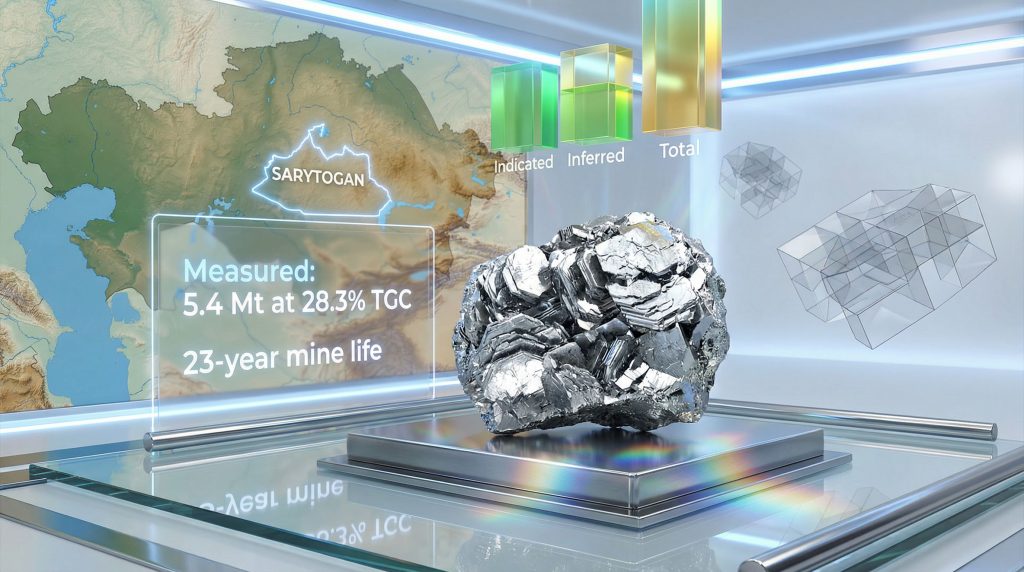
Measured resources represent the highest confidence category within these classification systems, requiring detailed geological modelling and close-spaced drilling programs. The 5.4 million tonnes at 28.3% total graphitic carbon achieved at the Central Graphite Zone demonstrates compliance with strict geological validation requirements for the Sarytogan Graphite multi-decade resource.
Technical Validation Through Advanced Drilling Programs
The resource estimation incorporated comprehensive geological data collection including 18 trenches and 82 diamond drill holes positioned at 50-meter spacing intervals. This methodology enables precise structural interpretation and waste material exclusion within the resource model.
According to statements reported in The Sydney Morning Herald, the closer-spaced drilling program enabled more detailed geological and structural interpretation. Furthermore, this approach supported the advancement from exploration-stage estimates to mine-planning-grade resource classification.
Key Resource Parameters:
• Measured resource: 5.4Mt at 28.3% TGC
• Indicated resource: Variable tonnage at 28.9% TGC
• Inferred resource: Additional tonnage at 28.9% TGC
• Cut-off grade: >15% total graphitic carbon
Geological Modelling Methodologies
Three-dimensional block modelling techniques integrate surface trenching data with subsurface drilling information to create comprehensive geological interpretations. The 50m x 50m drill spacing provides sufficient data density for accurate grade estimation and structural boundary definition.
Block estimates undergo validation against sample grades to ensure geological accuracy and mining confidence. This validation process supports the transition from resource estimation to ore reserve calculation for definitive feasibility study development.
When big ASX news breaks, our subscribers know first
Critical Technical Specifications for Battery-Grade Materials
The evaluation of graphite deposits extends beyond simple tonnage calculations to encompass metallurgical properties and processing characteristics that determine final product applications. Moreover, understanding the intricacies of mining permitting basics becomes essential for project advancement.
Microcrystalline Structure and Processing Advantages
Microcrystalline graphite structure provides specific advantages for battery-grade concentrate production through conventional flotation techniques. The deposit's consistent grade distribution above 28% total graphitic carbon supports economic processing parameters across the resource.
Surface accessibility enables conventional open-pit extraction methodologies, minimising infrastructure requirements and operational complexity. The proximity to existing transportation networks, located 190 kilometres from Karaganda, provides logistical advantages for concentrate transport to processing facilities.
Purification Pathway Requirements
Battery-grade graphite production requires multiple processing stages to achieve the purity specifications demanded by lithium-ion battery manufacturers:
- Primary flotation concentrate production
- Secondary purification to exceed 99.9% carbon content
- Spheronisation for optimal battery performance characteristics
The planned pilot testing program includes flotation trials scheduled for Australia during the first quarter of 2026. Subsequently, purification and spheronisation validation will occur in the United States. These technical validation programs will generate customer samples for battery manufacturer evaluation.
Strategic Material Classification
The European Union's Critical Raw Materials Act designation recognises the deposit's technical significance for European supply chain security. This classification acknowledges the project's role in supplying sustainable critical raw materials supply for battery production and other strategic applications.
Strategic designation criteria encompass technical specifications, resource security, and supply chain positioning rather than marketing classifications alone. Consequently, this recognition provides development advantages through streamlined regulatory processes.
Production Scheduling and Resource Depletion Analysis
Multi-decade mine life calculations integrate geological resource boundaries with extraction rates, processing recovery, and operational parameters. Therefore, these analyses establish sustainable production profiles for the Sarytogan Graphite multi-decade resource.
Initial Mine Life Framework
The pre-feasibility study established parameters targeting a 23-year initial mine life based on the Central Graphite Zone resource classification. This timeline represents conservative planning utilising measured and indicated resource categories.
| Development Phase | Target Timeline | Resource Area | Key Activities |
|---|---|---|---|
| Phase 1 | Years 1-23 | Central Graphite Zone | Initial extraction |
| Phase 2 | Years 24-40+ | Northern zone | Resource expansion |
| Phase 3 | Years 40+ | Exploration targets | Life extension |
Economic Cut-off Grade Optimisation
The >15% total graphitic carbon cut-off grade balances processing costs against revenue generation whilst maximising resource utilisation. Cut-off grade determination considers flotation recovery rates, concentrate specifications, and market pricing assumptions.
Economic optimisation models evaluate different extraction scenarios to determine optimal mining sequences and processing plant configurations. These analyses support definitive feasibility study development scheduled for completion by mid-2026. Furthermore, understanding mineral deposit tiers guide principles enhances classification accuracy.
Resource Replacement Through Exploration
The 70-square-kilometre concession area provides substantial exploration territory beyond current resource boundaries. Systematic exploration programs can extend mine life through resource replacement and expansion within the broader mineralised system.
Resource replacement strategies typically target 100% annual replacement of extracted material through ongoing exploration activities. Consequently, this approach ensures sustained production capacity throughout the operational period.
Processing Technology and Metallurgical Challenges
Long-term graphite operations require sophisticated processing technologies to convert raw ore into battery-grade concentrates meeting international purity standards. Additionally, the implementation of advanced purification techniques becomes crucial for market competitiveness.
Flotation Circuit Design Parameters
Conventional flotation techniques for microcrystalline graphite recovery require specific equipment configurations and reagent systems. Wood Australia's appointment for processing plant design indicates advancement toward detailed engineering specifications.
Flotation circuit optimisation depends on ore characteristics including particle size distribution, graphite liberation, and gangue mineral composition. Pilot plant testing validates these parameters before full-scale implementation.
Processing Facility Requirements:
• Primary grinding circuits for optimal liberation
• Multi-stage flotation cells for grade optimisation
• Concentrate dewatering and storage facilities
• Tailings management and water recycling systems
Advanced Purification Technologies
Battery-grade graphite requires purification beyond flotation concentrate levels to achieve the chemical specifications demanded by lithium-ion battery manufacturers. Thermal purification and chemical treatments remove residual impurities to exceed 99.9% carbon content.
Spheronisation processes create the spherical particle shapes required for optimal battery performance. These technologies require specialised equipment and controlled processing environments to achieve consistent product specifications.
Investment Decision Frameworks and Resource Confidence
Resource classification directly impacts project financing capabilities and investment decision timelines for major mining developments. Moreover, the Sarytogan Graphite multi-decade resource status provides enhanced confidence for institutional investors.
Measured Resource Classification Advantages
Measured resource status provides the highest geological confidence for mine planning and project financing. This classification enables detailed ore reserve estimation and supports bankable feasibility study development.
According to statements from Sarytogan Graphite Limited management, the measured classification gives high confidence for mine planning work. Furthermore, it targets upgraded ore reserve estimates as part of the definitive feasibility study process.
Investment Confidence Factors:
• Geological certainty for mine planning
• Reduced technical risk for financing
• Established resource replacement potential
• Validated processing methodologies
Definitive Feasibility Study Development
The definitive feasibility study scheduled for mid-2026 will validate technical parameters established during pre-feasibility analysis. This comprehensive evaluation covers mining engineering, processing plant design, infrastructure requirements, and economic analysis.
Feasibility study outcomes determine final investment decisions and support project financing arrangements with development capital providers. Consequently, this milestone represents a critical juncture for project advancement.
Advanced Geological Modelling and Quality Assurance
Resource estimation relies on sophisticated geological modelling techniques that integrate multiple data sources to create three-dimensional deposit representations. In addition, quality assurance protocols ensure data integrity throughout the estimation process.
Data Integration and Modelling Techniques
Geological interpretation combines surface trenching, diamond drilling, and structural analysis to establish mineralisation boundaries and grade continuity. The integration of 18 trenches and 82 diamond drill holes provides comprehensive geological understanding across the Central Graphite Zone.
Block modelling software creates three-dimensional representations of grade distribution, geological domains, and structural controls. These models undergo statistical validation to ensure accuracy and reliability for mine planning applications.
Modelling Parameters:
• Block size optimisation for grade estimation accuracy
• Geological domain boundary definition
• Structural control analysis and interpretation
• Waste rock exclusion protocols and validation
Independent Validation and Compliance
Resource estimates require independent validation through recognised geological consultants to ensure compliance with international reporting standards. This technical validation supports project financing and regulatory approval processes.
Quality assurance protocols encompass drilling procedures, sampling methodologies, analytical procedures, and data management systems. Therefore, these protocols maintain geological data integrity throughout the resource estimation process.
The next major ASX story will hit our subscribers first
Regulatory Framework and Strategic Positioning
Strategic mineral designations provide development advantages through streamlined permitting processes and infrastructure support mechanisms. However, projects must still demonstrate technical viability and environmental compliance.
Critical Raw Materials Act Implementation
The European Union's Critical Raw Materials Act designation recognises projects meeting specific criteria for strategic importance to European supply chain security. This designation acknowledges technical characteristics, resource quality, and supply chain positioning.
Strategic project classification provides access to development support mechanisms including streamlined permitting procedures. Furthermore, infrastructure assistance programs are designed to accelerate critical mineral project development.
Permitting and Development Advantages
Strategic designation can reduce regulatory timeline uncertainty through coordinated approval processes. However, projects must still meet all technical and environmental standards required for mining operations.
The designation recognises the deposit's world-class characteristics and vital role in supplying sustainable critical raw materials. Consequently, this recognition supports European battery production and other strategic applications.
Long-term Viability and Sustainability Factors
Multi-decade mining operations require sustainable development strategies that balance resource extraction with exploration replacement and technological advancement. Moreover, the Sarytogan Graphite multi-decade resource framework ensures operational longevity.
Resource Expansion Through Systematic Exploration
The extensive concession area provides opportunities for resource expansion through systematic exploration programs targeting geological extensions and parallel mineralised zones. Exploration success rates determine long-term sustainability beyond initial mine life projections.
Exploration Strategy Elements:
• Geological target identification and prioritisation
• Systematic drilling programs for resource expansion
• Geophysical surveys for structural interpretation
• Regional geological mapping and analysis
Technology Advancement and Processing Innovation
Evolving purification and processing technologies may enable economic recovery of lower-grade materials, effectively expanding the resource base available for extraction. Technology advancement supports operational sustainability and competitive positioning.
Processing innovation continues advancing spherical purified graphite production efficiency and product quality specifications. These technological improvements support long-term market competitiveness and operational viability.
Risk Considerations: Multi-decade resource projections involve inherent uncertainties including geological continuity, commodity pricing, technology advancement, and regulatory changes that may affect actual operational outcomes. Investors should consider these factors when evaluating long-term mining project investments.
The Sarytogan Graphite multi-decade resource classification establishes a foundation for sustained production capacity whilst providing expansion opportunities through ongoing exploration and technology development programs within the broader mineralised system.
Looking to Capitalise on Major Mineral Discoveries?
Discovery Alert's proprietary Discovery IQ model delivers real-time alerts on significant mineral discoveries across the ASX, instantly empowering subscribers to identify actionable opportunities ahead of the broader market. Begin your 14-day free trial today and secure your market-leading advantage.