August 6, 2026
Understanding Market Forces Behind Metal Production Constraints
The global aluminium supply constraints represent one of the most significant challenges facing modern industrial markets. The global metals industry operates within an intricate web of energy dependencies, environmental regulations, and geopolitical pressures that fundamentally reshape production capabilities. Unlike traditional commodity cycles driven primarily by demand fluctuations, current market dynamics reflect structural limitations that challenge conventional supply-response mechanisms. These constraints emerge from the convergence of multiple factors: energy market volatility, regulatory frameworks prioritising sustainability, and regional production capacity limitations that cannot be easily overcome through capital investment alone.
Modern metal production, particularly energy-intensive processes like aluminium smelting, requires sustained access to low-cost electricity over periods spanning decades. The industry evolution trends show how the industry's vulnerability to power market disruptions has intensified as alternative sectors compete for the same energy resources. Data centres, artificial intelligence operations, and other high-technology industries now secure electricity contracts at rates exceeding USD 115 per megawatt-hour, creating fundamental challenges for traditional manufacturing operations that historically relied on power agreements below USD 40 per megawatt-hour.
When big ASX news breaks, our subscribers know first
Primary Forces Reshaping Global Aluminium Production Capacity
Environmental Regulations Creating Production Ceilings
China's implementation of a 45 million tonne annual production ceiling represents a paradigm shift from growth-oriented policies to environmentally constrained industrial planning. This limitation affects approximately 55% of global aluminium output, fundamentally altering market dynamics beyond traditional supply-demand calculations. The policy reflects broader carbon emission reduction commitments that prioritise environmental goals over production maximisation.
The regulatory framework extends beyond China, with European Union carbon border adjustment mechanisms (CBAM) creating bifurcated market structures. Furthermore, these European supply challenges distinguish between high-carbon and low-carbon metal production methods, establishing premium pricing for sustainably produced materials while imposing additional costs on traditional smelting operations.
Environmental compliance requirements now influence every aspect of production planning, from site selection to technology adoption. Facilities operating without renewable energy access face increasing regulatory scrutiny and higher operational costs, while new capacity development requires extensive environmental impact assessments that can extend project timelines by multiple years. However, companies exploring sustainable production insights are finding innovative approaches to address these challenges.
Energy Market Competition Intensifying Production Pressures
The transformation of global energy markets has fundamentally altered the economics of energy-intensive manufacturing. Traditional industrial users now compete directly with rapidly expanding technology sectors for long-term electricity contracts. This competition has driven power costs to levels that challenge the viability of aluminium production in many regions.
| Industry Sector | Required Power Rate (USD/MWh) | Current Market Rate (USD/MWh) | Viability Gap |
|---|---|---|---|
| Aluminium Smelting | 40 | 115+ | -188% |
| Data Centers | 80-120 | 115+ | Competitive |
| Traditional Manufacturing | 60-90 | 115+ | -28% to -92% |
The disparity between required and available electricity pricing creates structural challenges that cannot be resolved through operational efficiency improvements alone. Consequently, smelters require multi-decade power agreements to justify the capital investment in production facilities, yet energy markets increasingly favour shorter-term contracts with higher rates reflecting real-time demand competition.
Geopolitical Disruptions Fragmenting Supply Networks
Regional conflicts and trade tensions have introduced unprecedented volatility into aluminium supply chains. Middle Eastern production facilities, accounting for approximately 9% of global output, face operational disruptions that extend beyond immediate conflict zones. The geopolitical market impacts demonstrate how transportation networks connecting production regions with consumer markets experience periodic interruptions that compound existing supply constraints.
These disruptions highlight the concentrated nature of global aluminium production, with relatively few regions possessing the combination of bauxite resources, low-cost energy, and political stability required for large-scale smelting operations. The geographic concentration creates systemic risks that affect global pricing even when disruptions impact only specific regions.
Energy Infrastructure Limitations Constraining Expansion Possibilities
Power Grid Stability Requirements
Aluminium smelting operations demand continuous, uninterrupted electricity supply over periods measured in decades rather than years. The industrial process cannot accommodate significant power interruptions without substantial economic losses from equipment damage and production delays. This requirement limits viable production locations to regions with highly developed electrical infrastructure and multiple redundant power sources.
Grid stability considerations become particularly challenging in regions developing renewable energy capacity. While solar and wind power offer environmental advantages, their intermittent nature requires sophisticated energy storage systems or backup power arrangements to meet the consistent supply requirements of aluminium production.
Regional Energy Policy Impacts
Renewable energy mandates across multiple jurisdictions create both opportunities and constraints for future smelting capacity. In addition, regions with abundant hydroelectric resources, such as Nordic countries and certain Canadian provinces, maintain competitive advantages for sustainable aluminium production. However, these locations often lack the bauxite resources required for fully integrated operations, necessitating complex supply chain arrangements.
Carbon pricing mechanisms increasingly influence production economics, with facilities powered by fossil fuels facing escalating operational costs. The European Union's emissions trading system and similar programs in other regions create long-term cost pressures that affect investment decisions in new capacity development.
Physical Metal Availability Reaching Critical Thresholds
London Metal Exchange Inventory Depletion
Current aluminium inventories have contracted to historically low levels, indicating fundamental supply-demand imbalances rather than temporary market fluctuations.
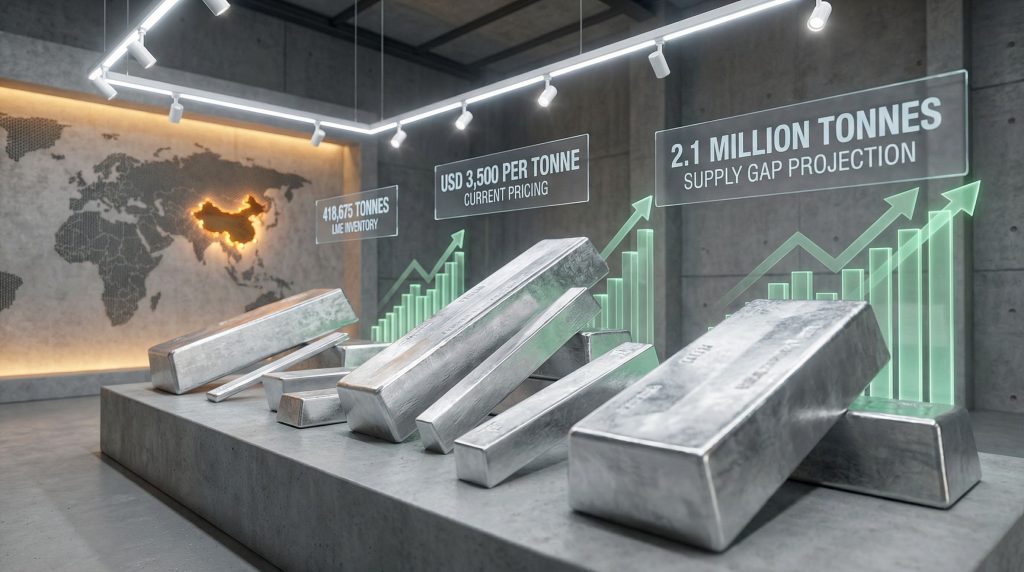
LME aluminium stocks reached 418,675 tonnes as of March 2026, representing a significant decline from historical averages and reflecting the tight physical availability of immediately deliverable metal. This inventory level indicates that available supply barely meets short-term industrial demand, leaving little buffer for unexpected disruptions or increased consumption.
The inventory depletion reflects not only current production constraints but also the limited effectiveness of traditional market mechanisms in generating rapid supply responses. For instance, unlike other commodities where price increases can quickly incentivise additional production, aluminium's capital-intensive nature and long development timelines prevent immediate capacity expansion.
Quality Specifications Affecting Market Liquidity
Industrial users increasingly demand specific alloy compositions and quality standards that limit the substitutability of available inventory. High-purity aluminium required for aerospace and electronics applications commands premium pricing while remaining in shorter supply than standard-grade material.
Transportation logistics further constrain effective inventory availability, with storage facilities concentrated in specific geographic regions while demand originates from diverse global markets. However, the cost and complexity of moving physical metal between regions can effectively segment markets even when overall inventory levels appear adequate.
Regional Adaptation Strategies Emerging Across Markets
Asian Market Restructuring
Chinese producers face the unique challenge of operating within domestic production constraints while global aluminium supply constraints push prices to multi-year highs. The 45 million tonne production ceiling prevents domestic firms from fully capitalising on favourable international market conditions, forcing strategic adaptations that prioritise efficiency improvements over capacity expansion.
Export patterns from China have shifted significantly, with reduced volumes available for international markets contributing to global supply tightness. Furthermore, this transformation reflects not only production limitations but also growing domestic demand that absorbs increasing proportions of Chinese output.
Southeast Asian countries, particularly Indonesia, have emerged as focal points for new capacity development. The region's combination of bauxite resources, developing energy infrastructure, and supportive government policies creates opportunities for international investment in smelting operations.
European Market Adaptation
CBAM implementation has created distinct market segments within Europe, with low-carbon aluminium commanding significant premiums over traditional production methods. Industrial users increasingly incorporate carbon intensity considerations into procurement decisions, driving demand for sustainably produced materials.
European manufacturers have developed alternative sourcing strategies that prioritise supply chain resilience over cost minimisation. These approaches include longer-term contract arrangements, strategic partnerships with certified low-carbon producers, and investment in recycling capacity to reduce dependence on primary metal.
North American Supply Security Initiatives
United States policy discussions increasingly focus on domestic production capacity development as a national security consideration. The strategic importance of aluminium for defence applications and renewable energy infrastructure has elevated the metal's status in supply chain resilience planning.
Canadian hydroelectric resources position the country as a potential hub for sustainable aluminium production serving North American markets. However, capacity development requires substantial capital investment and multi-year development timelines that limit near-term supply responses.
Investment Implications Across the Value Chain
Margin Dynamics Under Supply Constraints
Current aluminium pricing under supply constraints approaching USD 3,500 per tonne reflects structural supply limitations rather than cyclical demand fluctuations. These price levels create significant margin opportunities for efficient producers with access to low-cost energy, while simultaneously pressuring operations dependent on high-cost electricity.
The sustainability of current pricing depends largely on the timeline for new capacity development and the resolution of existing production constraints. Consequently, any substantial increase in available supply could moderate prices, while continued constraints support elevated levels that benefit existing producers.
Capital Allocation Strategies
Investment flows within the aluminium industry have shifted toward:
• Infrastructure development in regions with sustainable energy access
• Technology advancement in energy-efficient smelting processes
• Vertical integration strategies among downstream users
• Recycling capacity expansion to reduce primary metal dependence
• International expansion projects in politically stable regions
These allocation patterns reflect long-term structural changes rather than cyclical adjustments, indicating industry participants' expectations for sustained supply constraints and elevated energy costs.
The next major ASX story will hit our subscribers first
Emerging Production Regions and Development Potential
Indonesia's Strategic Positioning
Indonesia possesses several advantages for aluminium production development, including substantial bauxite reserves, government policies supporting value-added mineral processing, and growing energy infrastructure. The country's location provides strategic access to Asian markets while offering lower labour and development costs compared to traditional production regions.
However, infrastructure development requires substantial investment and coordination between multiple stakeholders. Transportation networks, port facilities, and electrical grid capacity must all be developed simultaneously to support large-scale smelting operations.
African Continent Potential
Several African nations possess untapped bauxite reserves and significant hydroelectric power potential that could support sustainable aluminium production. Guinea, Ghana, and other West African countries have attracted international investment interest for integrated mining and smelting operations.
Political stability and infrastructure development remain critical factors determining the viability of African capacity expansion. Successful projects require long-term commitments from international partners and stable regulatory frameworks that protect substantial capital investments.
Nordic Region Advantages
Scandinavian countries maintain competitive advantages through abundant renewable energy resources and established industrial expertise in metal production. Furthermore, the region's green metals leadership initiatives demonstrate how environmental standards and carbon-neutral energy sources create opportunities for premium pricing in markets increasingly focused on sustainability criteria.
However, limited domestic bauxite resources require complex supply chain arrangements for raw materials. The region's environmental standards and carbon-neutral energy sources create opportunities for premium pricing in markets increasingly focused on sustainability criteria.
Policy Framework Evolution and Industry Impacts
Carbon Pricing Expansion
Carbon border adjustment mechanisms represent the leading edge of broader policy trends that will increasingly influence aluminium production economics. As more regions implement carbon pricing, the competitive advantage of low-carbon production methods will strengthen substantially.
These policies create incentives for investment in renewable energy infrastructure and production technology upgrades. For instance, facilities unable to demonstrate low carbon intensity face escalating competitive disadvantages that may force operational changes or closure.
Strategic Material Classification
Government recognition of aluminium's strategic importance for national security and economic competitiveness has influenced trade policies and investment priorities. This classification supports domestic capacity development initiatives while potentially restricting international trade in certain circumstances.
Strategic considerations may override purely economic factors in capacity development decisions, leading to government support for domestic production even when international alternatives offer lower costs.
Long-Term Structural Market Evolution
Demand Profile Transformation
Electric vehicle manufacturing and renewable energy infrastructure development drive evolving consumption patterns that favour high-quality aluminium products. These applications require specific alloy compositions and quality standards that may not be satisfied by all production facilities.
Construction industry evolution toward lightweight, energy-efficient materials creates additional demand growth potential. However, this growth occurs alongside supply constraints that limit the industry's ability to meet expanding requirements through traditional capacity expansion.
Supply Chain Localisation Trends
Regional production cluster development reflects efforts to reduce transportation costs and supply chain vulnerabilities. These clusters integrate bauxite mining, alumina refining, and metal smelting operations within geographic regions that possess necessary resource endowments.
Vertical integration strategies among major industrial users represent another adaptation to supply constraints. Automotive manufacturers, aerospace companies, and other large consumers increasingly invest directly in production capacity to secure reliable material supplies.
Sustainability Integration Requirements
Life cycle assessment considerations increasingly influence procurement decisions across the aluminium value chain. Industrial users implement sustainability criteria that favour recycled content and low-carbon production methods over purely cost-based selection criteria.
Circular economy principles drive investment in recycling capacity and closed-loop material systems. These developments reduce dependence on primary metal production while creating new technology requirements and investment opportunities.
Market Outlook Through 2030
Supply-Demand Balance Scenarios
| Scenario | 2026 Supply Gap | 2028 Projected Gap | Key Variables |
|---|---|---|---|
| Status Quo | 2.1 million tonnes | 3.8 million tonnes | No policy changes |
| Moderate Expansion | 1.4 million tonnes | 2.1 million tonnes | Limited new capacity |
| Accelerated Development | 0.8 million tonnes | 0.9 million tonnes | Major investment surge |
The timeline for market rebalancing depends critically on energy infrastructure development and environmental policy implementation. Rapid progress in renewable energy availability could accelerate capacity development, while continued energy market constraints may prolong supply shortages.
Critical Success Factors
Market rebalancing requires coordination across multiple dimensions:
• Energy infrastructure development in viable production regions
• International cooperation on strategic material security
• Technology advancement in production efficiency
• Environmental policy harmonisation across regions
• Investment in transportation and logistics infrastructure
Success in addressing these factors will determine whether global aluminium supply constraints represent a temporary disruption or a longer-term structural shift requiring fundamental industry adaptation.
Investment Framework Considerations
Investors should recognise that current market dynamics reflect structural changes rather than cyclical patterns, requiring analytical frameworks that account for environmental constraints and energy market evolution.
Traditional commodity investment approaches based on cyclical supply-demand models may not adequately capture the long-term nature of current constraints. Environmental regulations and energy market transformation create persistent factors that will influence aluminium markets for decades rather than years.
Furthermore, the potential impacts on global pricing demonstrates how the industry's evolution toward sustainability integration and regional supply chain development creates opportunities for investors willing to support long-term capacity development in appropriate geographic regions. However, these opportunities require substantial capital commitments and tolerance for extended development timelines.
Investment Disclaimer: This analysis is for informational purposes only and should not be considered investment advice. Commodity markets involve substantial risks, and past performance does not guarantee future results. Readers should consult qualified financial advisors before making investment decisions based on this information.
Looking to Capitalise on Supply-Constrained Metal Markets?
Discovery Alert's proprietary Discovery IQ model delivers real-time alerts on significant ASX mineral discoveries, instantly empowering subscribers to identify actionable opportunities in metals and mining before the broader market. With global supply constraints creating unprecedented opportunities in the commodities sector, begin your 14-day free trial today to position yourself ahead of the market and secure your competitive advantage.