
May 16, 2026
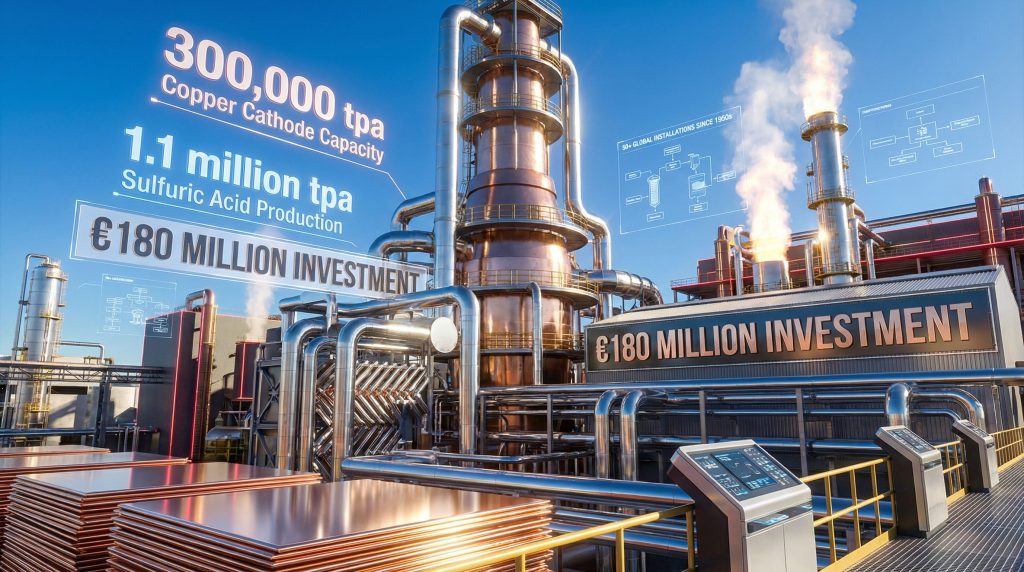
The Metso copper smelter contract Asia represents a significant milestone in the region's industrial development, demonstrating the growing sophistication of integrated processing facilities. Flash smelting technology represents a fundamental shift in how modern copper processing facilities achieve optimal production efficiency and environmental compliance. Through precise thermal management and advanced automation systems, these integrated operations transform raw concentrates into refined metal products while simultaneously generating valuable byproducts. Understanding the technical mechanisms behind these sophisticated processes reveals why certain technologies dominate large-scale industrial applications across global markets.
Advanced Flash Smelting Technology in Modern Copper Processing
Flash smelting operates through rapid oxidation of copper concentrate particles suspended in superheated gas streams within specialised reaction shaft furnaces. The process maintains temperatures around 1,200°C with sophisticated thermal control systems that optimise energy recovery and minimise fuel consumption. Modern installations achieve approximately 70-80% heat recovery through integrated thermal management systems that capture waste heat for power generation and process heating applications.
The technology demonstrates superior raw material flexibility compared to traditional smelting methods, processing concentrate compositions with varying copper content and complex impurity profiles. Pneumatic injection systems enable precise feed control while oxygen enrichment systems enhance combustion efficiency and reduce processing time per tonne of material.
Digital automation platforms integrate real-time monitoring capabilities with predictive maintenance algorithms to maximise operational uptime. These systems continuously adjust process parameters based on concentrate composition, environmental conditions, and production targets whilst maintaining strict environmental compliance standards.
Environmental Performance and Energy Efficiency
Modern flash smelting installations achieve significant reductions in carbon dioxide emissions through optimised thermal energy management and waste heat recovery systems. Energy consumption typically ranges between 10-15 GJ per tonne of copper produced, representing substantial improvements over older reverberatory furnace technologies.
Water usage optimisation through closed-loop recycling systems minimises fresh water consumption whilst advanced gas cleaning infrastructure ensures >99.9% SO₂ capture rates for sulfuric acid production. These integrated environmental control systems transform potentially harmful emissions into valuable commercial products.
When big ASX news breaks, our subscribers know first
Regional Market Dynamics Driving Asian Copper Expansion
Asia's emergence as the dominant region for copper smelting capacity expansion reflects multiple converging economic and technological trends. Electric vehicle manufacturing growth across China, India, and Southeast Asian nations creates unprecedented demand for refined copper, with each EV requiring approximately 50-100 kg of copper for wiring, motors, and charging infrastructure.
The global EV market reached approximately 14 million units sold in 2023, with Asia-Pacific accounting for over 60% of production volume. Annual growth rates of 25-35% in regional EV manufacturing directly translate to increased copper cathode demand, supporting investment in large-scale processing facilities.
Infrastructure development programmes across Asian economies further amplify copper demand through construction projects, renewable energy installations, and telecommunications network expansion. Government policies supporting domestic mineral processing create additional incentives for establishing integrated smelting operations within national borders. Furthermore, this expansion aligns with current copper prices record highs in international markets.
Strategic Investment Patterns
The EUR 180 million Metso copper smelter contract Asia represents significant private sector confidence in Asian market growth potential. This investment scale supports 300,000 tonnes per annum copper cathode production capacity, positioning the facility among the world's largest primary copper smelters.
Asian electronics manufacturing hubs process approximately 80% of global semiconductor production, requiring substantial copper inputs for circuit boards, interconnects, and component manufacturing. This concentrated industrial base creates stable, long-term demand for locally processed copper products.
Strategic mineral security policies across multiple Asian governments encourage domestic copper processing to reduce import dependency on refined metals. Indonesia's ore export restrictions exemplify this trend, requiring concentrate processing within national boundaries to capture value-added manufacturing benefits. Consequently, this investment trend supports a comprehensive copper growth strategy across the region.
Integrated Smelter Design Components and Specifications
Modern copper smelter complexes integrate multiple processing stages within unified facilities to maximise operational efficiency and minimise capital costs. Primary flash furnace systems handle concentrate feed whilst converting operations produce anode copper for subsequent electrolytic refining.
PS Converting technology enables efficient conversion of matte copper through controlled oxidation processes, typically requiring 3-4 converter stages to achieve target purity levels. Oxygen requirements during conversion demand sophisticated gas handling systems and precise metallurgical control. In addition, these facilities often incorporate elements from major copper system designs proven successful globally.
Sulfuric Acid Plant Integration
The planned 1.1 million tonnes per annum sulfuric acid production capacity demonstrates the revenue potential of integrated byproduct recovery. Contact process technology utilising catalytic oxidation converts SO₂ emissions from smelting operations into commercial-grade sulfuric acid.
| Application Sector | Global Demand Share | Regional Significance |
|---|---|---|
| Fertiliser Production | 40% | Phosphate rock processing |
| Mining Industry | 25% | Leaching operations |
| Chemical Manufacturing | 20% | Industrial processes |
| Oil Refining | 10% | Alkylation processes |
| Other Applications | 5% | Food processing, water treatment |
Sulfuric acid pricing typically ranges between $60-120 USD per tonne, providing substantial secondary revenue streams that improve overall project economics and reduce exposure to copper price volatility.
Electrolytic Refinery and Quality Standards
Copper cathode production must meet London Metal Exchange Grade A specifications, requiring minimum 99.99% copper purity with strictly controlled impurity levels. Electrolytic refining cells utilise controlled current density and electrolyte composition to achieve consistent product quality suitable for international commodity markets.
Precious metals recovery from anode slimes represents additional value capture, with typical copper smelter feeds containing 50-200 grams of gold per tonne of processed material. Annual gold production potential ranges between 15,000-60,000 ounces depending on concentrate composition and processing volumes.
Economic Advantages of Integrated Processing Operations
Integrated smelter-acid plant configurations create significant competitive advantages through revenue diversification and operational cost optimisation. Fixed costs including depreciation, debt service, and core workforce typically represent 40-50% of operating budgets, whilst variable costs for raw materials, energy, and contract services account for 50-60% of expenses.
Shared infrastructure across smelting and acid production operations reduces per-unit capital requirements compared to standalone facilities. Environmental compliance systems, power distribution, maintenance workshops, and quality control laboratories serve multiple production processes simultaneously. However, successful implementation requires careful consideration of the broader global copper supply forecast trends.
Revenue Stream Analysis
At current market conditions, 300,000 tonnes per annum copper cathode production generates approximate gross revenues of $2.97 billion annually, assuming $4.50 USD per pound copper pricing. Sulfuric acid co-production adds estimated $99 million in additional annual revenue at $90 USD per tonne average pricing.
Precious metals byproducts contribute $30-120 million annually depending on feed grade compositions and current gold pricing around $60-65 USD per gram. This diversified revenue structure provides enhanced financial stability compared to single-product operations.
Long-term concentrate supply agreements typically secure raw material access at 70-85% of spot market pricing, enabling predictable input costs and improved project financing capabilities. Regional concentrate availability from mining operations in Asia-Pacific supports sustainable feed supply chains. For instance, this approach aligns with trends in copper-uranium investment strategies observed globally.
Technology Leadership and Market Positioning
Flash smelting technology demonstrates proven reliability through 50+ smelter installations delivered since the 1950s, establishing comprehensive operational experience across diverse geographic and metallurgical conditions. This extensive track record provides confidence for major capital investments in greenfield facilities.
The technology's market dominance reflects superior performance in handling challenging concentrate compositions whilst maintaining consistent product quality and environmental compliance. According to recent industry analysis, licensing arrangements enable technology transfer with comprehensive engineering support and lifecycle service capabilities.
Innovation Pipeline Developments
Future technology enhancements focus on carbon capture potential, renewable energy integration, and circular economy applications including electronic waste processing. Digital transformation initiatives incorporate artificial intelligence algorithms for process optimisation and predictive equipment maintenance.
Advanced automation systems enable remote monitoring capabilities and real-time performance optimisation, reducing operational labour requirements whilst improving safety and environmental performance. These technological advances support the industry trend toward larger, more efficient processing facilities.
Regional Economic Development Impact
Large-scale copper smelting projects generate substantial employment opportunities throughout construction and operational phases. Direct workforce requirements typically include 800-1,200 positions during peak construction and 300-500 permanent operations roles following commissioning.
Indirect economic effects extend through local supply chains, transportation services, and community infrastructure development. Technical training programmes develop specialised metallurgical skills within regional labour markets, supporting broader industrial development initiatives.
Infrastructure requirements include reliable electrical power supply, transportation networks for raw material delivery and product distribution, and environmental management systems. These investments create lasting benefits for regional economic development beyond the immediate project scope.
The next major ASX story will hit our subscribers first
Critical Success Factors for Major Smelting Investments
Technology selection criteria prioritise proven performance over experimental processes given the substantial capital investments required. Performance guarantees and contractual risk allocation ensure predictable commissioning timelines and operational readiness.
Financial performance optimisation depends on accurate capital cost benchmarking against comparable international projects and realistic operating expense projections across variable and fixed cost categories. Commodity price scenario planning addresses market volatility risks throughout project lifecycles.
Spare parts inventory strategies and maintenance scheduling ensure operational continuity whilst minimising working capital requirements. Strategic partnerships with technology suppliers provide ongoing technical support and equipment upgrade pathways.
Future Outlook for Asian Copper Processing
Furthermore, the integration of proven flash smelting technology with comprehensive environmental control systems positions these advanced facilities to meet evolving regulatory requirements whilst capturing maximum value from copper concentrate processing. As reported by industry experts, the Metso copper smelter contract Asia demonstrates the confidence in regional demand growth.
Additionally, technical specifications show these facilities will incorporate cutting-edge processing equipment designed for optimal efficiency. As Asian markets continue expanding their copper consumption across electric vehicles, infrastructure, and electronics manufacturing, these sophisticated processing facilities represent essential infrastructure supporting regional economic development and global commodity supply chains.
This analysis is based on publicly available information and industry reports. Investment decisions should consider current market conditions, regulatory requirements, and specific project parameters. Commodity prices and market forecasts involve inherent uncertainties that may affect project economics.
Want to Capitalise on Asia's Copper Boom?
Discovery Alert's proprietary Discovery IQ model delivers real-time alerts on significant copper and mineral discoveries across the ASX, instantly empowering subscribers to identify actionable opportunities ahead of the broader market. Begin your 30-day free trial today and secure your market-leading advantage in this rapidly expanding sector.