June 21, 2026
Mining operations worldwide face complex extraction challenges, but Mexico's lithium development presents a uniquely demanding set of technical and operational hurdles that distinguish it from established global producers. While countries like Australia leverage hard rock extraction and Chile utilizes brine evaporation, Mexico must navigate clay-based processing methods that require fundamentally different technological approaches, infrastructure investments, and resource management strategies. Furthermore, the distinctive mexico lithium extraction challenges stem from geological, regulatory, and infrastructure constraints that create operational complexities exceeding those found in traditional lithium-producing regions.
Understanding Mexico's Distinctive Clay-Based Processing Requirements
The complexity of mexico lithium extraction challenges stems primarily from the geological nature of the country's deposits. Unlike the straightforward brine extraction methods employed in South American salt flats or the mechanical crushing techniques used for Australian hard rock deposits, Mexico's clay-based lithium requires sophisticated direct lithium extraction (DLE) technologies that can process lithium-bearing clay minerals into commercially viable products.
However, understanding global lithium market dynamics provides crucial context for Mexico's position in the evolving supply chain landscape.
Technical Methodology Comparisons Across Global Extraction Types
The fundamental processing differences between extraction methods create distinct operational profiles that directly impact project viability. Clay-based extraction necessitates converting lithium oxides through multiple chemical processing steps, while brine extraction relies on natural evaporation and concentration processes that require minimal energy inputs beyond pumping and filtration systems.
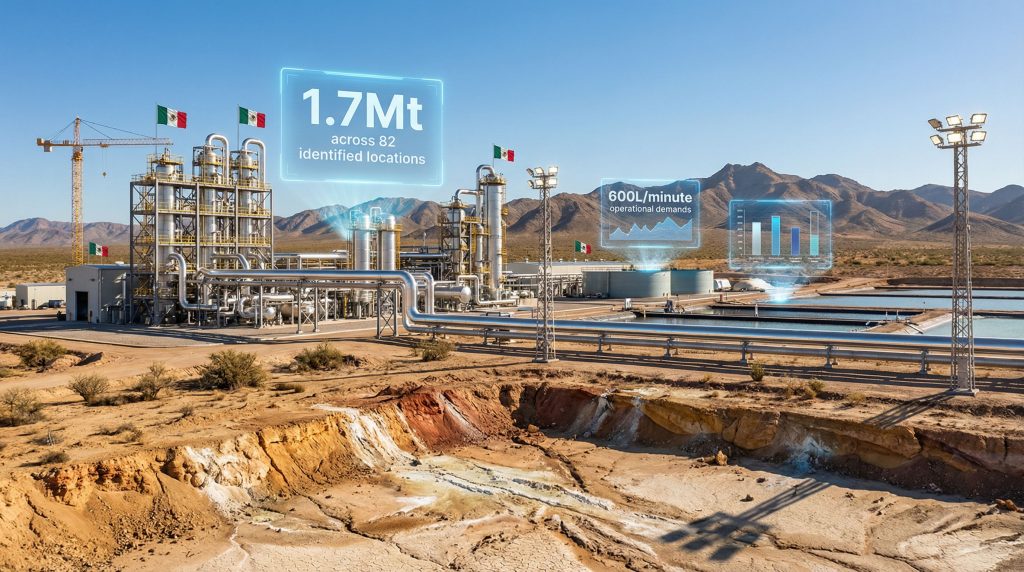
Water consumption metrics reveal the operational intensity of clay processing. Continuous extraction operations require approximately 600 liters per minute of water consumption, translating to over 315 million liters annually per active extraction site. This volume significantly exceeds the water requirements for brine extraction, where natural evaporation reduces the need for continuous fresh water inputs.
Processing infrastructure requirements for clay-based operations include specialized leaching facilities, precipitation vessels, filtration systems, and conversion capabilities to produce either lithium carbonate or lithium hydroxide. These facilities must handle acidic processing environments and manage chemical byproducts that are largely absent in brine operations.
In addition, successful battery-grade lithium processing requires sophisticated quality control systems that exceed conventional mining standards.
Resource Distribution and Quality Assessment Framework
Mexico's lithium reserves encompass approximately 1.7 million tons distributed across 82 identified deposits spanning 18 states. This geographic dispersion creates both opportunities and logistical complexities that influence extraction economics and operational planning.
The regional concentration patterns reveal strategic considerations for development prioritization:
State-by-State Deposit Distribution:
- Sonora: 13 confirmed deposits
- Puebla: 12 identified locations
- Oaxaca: 9 documented sites
- Remaining 15 states: 48 additional deposits
The concentration levels in Mexican deposits have been characterised as comparable to Bolivian brine concentrations, which typically range between 140-180 milligrams per litre of lithium content. However, the clay matrix requires additional processing steps to achieve similar extraction efficiency rates compared to direct brine processing methods.
For instance, Argentina lithium insights demonstrate how brine-based operations achieve significantly higher processing efficiency through established evaporation methodologies.
When big ASX news breaks, our subscribers know first
Analyzing Water Scarcity Constraints on Extraction Operations
Water availability represents perhaps the most critical operational constraint facing mexico lithium extraction challenges. The intersection of resource-rich regions with water-stressed environments creates fundamental viability questions that extend beyond technical processing capabilities.
Regional Water Stress Analysis and Operational Impacts
Sonora, Mexico's most lithium-rich state, currently operates at over 80% baseline water usage with dam storage capacity at just 26.63% of full capacity. This water stress profile directly conflicts with the continuous water demands of clay-based lithium extraction operations.
| Region | Current Water Usage | Storage Capacity | Extraction Water Needs |
|---|---|---|---|
| Sonora | >80% baseline consumption | 26.63% dam capacity | 600L/min continuous |
| Chiapas | Variable consumption | At-risk reserves | Pending assessment |
| Puebla | Regional variation | Under evaluation | 600L/min projected |
The daily water requirements of 864,000 litres per extraction site compound regional water stress in areas already approaching maximum sustainable usage. This creates operational conflicts between existing agricultural, municipal, and industrial water demands versus new lithium extraction requirements.
Environmental Processing Limitations in Arid Regions
The geographic concentration of Mexico's largest lithium deposits in water-stressed regions creates a fundamental operational paradox. Sonora's 13 deposits exist within an environment experiencing ongoing drought conditions and limited groundwater recharge rates that cannot sustainably support large-scale extraction operations without alternative water sourcing strategies.
Desertification acceleration risks emerge from excessive groundwater extraction in regions already experiencing environmental stress. The combination of reduced precipitation patterns, increased evaporation rates, and industrial water consumption could accelerate soil degradation processes in extraction areas.
Alternative water sourcing technologies under consideration include desalination systems, wastewater recycling facilities, and deeper aquifer extraction methods. However, these solutions introduce additional capital requirements and operational complexity that impact project economics and environmental sustainability profiles.
Examining Technical Processing Complexities for Clay-Based Systems
The technical requirements for processing Mexico's clay-based lithium deposits present substantially different challenges compared to established extraction methodologies employed by global market leaders. These processing complexities directly influence capital requirements, operational timelines, and production cost structures.
Direct Lithium Extraction Technology Integration
Direct Lithium Extraction (DLE) technology represents the primary processing pathway for Mexico's clay-based deposits. This methodology involves extracting lithium directly from aqueous solutions without requiring large-scale evaporation pond systems that dominate Chilean and Argentine operations.
The DLE process for clay-based extraction follows a multi-stage approach:
- Clay mineral leaching using acidic or basic solutions to create lithium-rich aqueous phases
- Lithium concentration through sorbent materials or membrane separation systems
- Chemical conversion to battery-grade lithium carbonate or lithium hydroxide
- Quality control processing to achieve industry specifications for battery applications
Each processing stage requires specialised equipment, technical expertise, and quality control systems that differ substantially from conventional mining operations. The chemical processing environment demands corrosion-resistant materials, precise pH control systems, and waste management capabilities for acidic byproducts.
Capital Structure and Operational Cost Considerations
The capital expenditure requirements for clay-based lithium processing facilities extend into hundreds of millions of dollars per operational site. These investments encompass specialised processing equipment, environmental management systems, and technical infrastructure that exceeds the capital intensity of conventional mining operations.
Operational cost structures for clay-based extraction include:
- Continuous chemical inputs for leaching processes
- High-energy processing requirements for concentration and conversion
- Specialised maintenance for corrosion-prone equipment systems
- Technical personnel with hydrometallurgical expertise
- Environmental compliance and waste management systems
The processing timeline from raw clay extraction to battery-grade lithium products extends significantly beyond brine extraction methods. While Chilean operations can achieve lithium carbonate production within 6-12 months through natural evaporation processes, clay-based DLE systems require continuous chemical processing that impacts both operational complexity and production scheduling flexibility.
Consequently, successful Australian lithium innovation provides valuable technological benchmarks for evaluating Mexico's competitive positioning.
Understanding Mexico's Regulatory and Financial Development Framework
The institutional framework governing mexico lithium extraction challenges reveals significant gaps between resource potential and operational implementation capabilities. State-controlled development models face fundamental capacity and funding limitations that impact project advancement timelines.
LitioMx Capacity Assessment and Budget Analysis
LitioMx, Mexico's state-owned lithium development entity, operates with severely constrained financial resources that limit exploration and development capabilities. The 2026 Federal Budget allocation of MX$13.9 million (approximately $805,000 USD) represents only a 7.7% increase from 2025 funding levels.
Multi-Year Budget Progression:
- 2024: MX$9.8 million baseline allocation
- 2025: MX$12.9 million (27.3% increase)
- 2026: MX$13.9 million (7.7% increase)
These funding levels cover operational expenses including salaries and administrative costs but provide minimal capital for exploration activities, geological surveys, or technology acquisition. Industry experts note that comprehensive lithium exploration typically requires multi-million-dollar investments over extended timeframes to establish commercial viability assessments.
The technical expertise deficits within LitioMx compound funding limitations. Unlike established mining companies with decades of extraction experience, the state entity lacks specialised knowledge in hydrometallurgical processing, geological assessment methodologies, and commercial-scale production management systems.
PEMEX Integration Strategy and Operational Model Development
PEMEX's entry into lithium extraction through its proposed "petrolithium" initiative represents an alternative development pathway that leverages existing petroleum industry infrastructure. The company has identified lithium concentrations in oilfield brines across five states that compare favourably to Bolivian deposit concentrations.
PEMEX's strategic approach encompasses:
- Direct lithium extraction from existing oilfield brine operations
- Technology evaluation for DLE processing systems
- Subsidiary formation through PEMEX Lithium operational entity
- Integration with existing drilling and brine handling infrastructure
This hybrid model combines petroleum extraction expertise with lithium processing requirements, potentially reducing some infrastructure development costs while introducing new technical challenges. However, PEMEX faces limited mining experience and sustainability compliance requirements that differ substantially from traditional oil extraction operations.
The collaboration potential between PEMEX and LitioMx could provide technical synergies, but coordination between state entities with different operational cultures and expertise areas presents additional management complexities.
Assessing Infrastructure Development Requirements
The infrastructure demands for viable lithium extraction in Mexico extend far beyond processing facility construction to encompass comprehensive logistics, transportation, and support systems that currently do not exist in most deposit regions.
Processing Facility and Conversion Capability Requirements
Commercial lithium extraction requires conversion facilities capable of producing battery-grade lithium carbonate and lithium hydroxide products. These facilities must achieve pharmaceutical-level purity standards while managing large-volume processing operations and chemical waste streams.
Essential infrastructure components include:
- Hydrometallurgical processing plants with corrosion-resistant construction
- Chemical storage and handling systems for acidic processing inputs
- Water treatment and recycling facilities to manage process water requirements
- Waste management systems for handling chemical byproducts and tailings
- Quality control laboratories with specialised testing equipment
- Transportation connections to domestic and international markets
The geographic distribution of Mexico's deposits across 18 states necessitates decisions regarding centralised versus distributed processing approaches. Centralised facilities could achieve economies of scale but require extensive transportation infrastructure for raw material consolidation. Distributed processing reduces transportation costs but increases capital requirements across multiple locations.
Technology Transfer and Expertise Development Needs
Mexico's lithium development faces a critical gap in technical expertise that extends across multiple specialised areas. The successful operation of clay-based extraction systems requires knowledge integration across geology, hydrometallurgy, chemical engineering, and environmental management disciplines.
Specialised expertise requirements encompass:
- Hydrometallurgical engineers with DLE technology experience
- Mineral processing specialists familiar with clay-based systems
- Environmental engineers for waste management and water recycling
- Quality control chemists for battery-grade product specifications
- Project managers with large-scale mineral processing experience
The development of this expertise base requires either extensive international recruitment, technology transfer partnerships with established lithium producers, or comprehensive training programmes that could extend project timelines by several years.
International partnership opportunities exist with companies possessing DLE technology and operational experience, but these arrangements typically involve technology licensing fees, ongoing royalty payments, and operational oversight requirements that impact long-term profitability projections.
Comparative Analysis with Established Global Lithium Producers
Mexico's position in the global lithium landscape requires assessment against established producers to understand competitive dynamics, market entry barriers, and strategic positioning opportunities within rapidly evolving supply chain structures.
Production Methodology and Market Share Analysis
Global lithium production concentrates among five primary producing regions, each utilising distinct extraction methodologies that create different cost structures, environmental profiles, and scalability characteristics.
| Country | Annual Production | Extraction Method | Global Market Share |
|---|---|---|---|
| Australia | Leading hard rock | Spodumene mining | ~52% raw production |
| Chile | Brine extraction | Solar evaporation | ~22% production |
| China | Processing dominance | Import processing | ~13% processing capacity |
| Argentina | Brine operations | Solar evaporation | ~6% production |
| Mexico | Undeveloped potential | Clay-based (proposed) | <1% current production |
The established producers benefit from decades of operational experience, proven extraction methodologies, and established supply chain relationships with battery manufacturers and automotive companies. Australia's hard rock operations achieve rapid processing cycles, whilst Chilean brine extraction benefits from minimal processing costs through natural evaporation systems.
China's processing dominance represents a critical factor in global supply chain dynamics. Despite limited raw lithium production, China controls approximately 80% of global lithium processing capacity, converting raw materials from Australia, Chile, and Argentina into battery-grade chemicals for global distribution.
Market Window Assessment and Competitive Timing
Global lithium demand projections indicate continued supply-demand tensions that could create market entry opportunities for new producers. Industry analysts project lithium carbonate demand will reach 1.48 million metric tons LCE in 2026, representing 13.5% annual growth from 2025 consumption levels.
The battery energy storage system (BESS) market expansion to 301 GWh of new installations in 2026 represents a 7.7% growth rate that supplements traditional electric vehicle demand. This diversified demand base creates multiple market segments that new producers could target for initial commercial relationships.
Supply gap analysis reveals narrowing surplus conditions:
- 2025 projected surplus: 141,000 metric tons LCE
- 2026 projected surplus: 109,000 metric tons LCE
- Surplus reduction: 23% year-over-year decline
However, Mexico's development timeline challenges its ability to capitalise on near-term market opportunities. Industry assessments suggest Mexico requires 10+ years to achieve meaningful production capacity, potentially missing the current supply-demand imbalance window.
Moreover, Thacker Pass production demonstrates how established projects continue advancing whilst Mexico faces developmental delays.
The next major ASX story will hit our subscribers first
Environmental and Social Risk Assessment Framework
The environmental implications of mexico lithium extraction challenges extend beyond water consumption to encompass comprehensive waste management, ecosystem preservation, and community impact considerations that influence operational viability and regulatory compliance requirements.
Waste Generation and Management Requirements
Clay-based lithium extraction generates substantial waste volumes that require long-term management strategies and environmental monitoring systems. Industry estimates suggest that lithium extraction operations produce approximately 131 million tons of toxic waste over a typical 20-year operational lifecycle.
Waste stream categories include:
- Tailings storage: 25 million tons of wet tailings requiring secure containment
- Chemical processing waste: Acidic byproducts from hydrochloric and sulfuric acid processing
- Water treatment residuals: Concentrated brine and chemical precipitates
- Construction and operational debris: Infrastructure materials and equipment waste
The management of these waste streams requires engineered containment systems, groundwater monitoring networks, and long-term environmental liability provisions that extend operational costs beyond active extraction periods. The geographic distribution of Mexico's deposits across multiple states creates additional complexity for waste management coordination and regulatory oversight.
Community Impact and Indigenous Rights Considerations
Many of Mexico's lithium deposits exist in regions with significant indigenous populations and traditional land use patterns that require consultation processes and benefit-sharing arrangements. The intersection of industrial extraction with indigenous territorial rights creates complex negotiation frameworks that impact project development timelines and operational costs.
Social impact considerations encompass:
- Indigenous land rights and territorial consultation requirements
- Traditional water usage rights and access preservation
- Employment opportunities and skills development programmes
- Community infrastructure development and maintenance
- Cultural heritage preservation and archaeological protection
The successful navigation of these social considerations requires extensive community engagement processes, formal consultation procedures, and ongoing relationship management that extends throughout operational lifecycles. International mining companies increasingly recognise these social licence requirements as fundamental project viability factors.
Investment Timeline and Capital Requirement Analysis
The financial requirements for overcoming mexico lithium extraction challenges encompass multiple development phases with distinct capital needs, risk profiles, and timeline considerations that influence investment decision-making frameworks.
Phased Development Investment Structure
Commercial lithium extraction development follows a multi-phase approach where each stage requires specific capital commitments and achieves particular technical milestones before progression to subsequent phases.
Development Phase Breakdown:
Phase 1: Exploration and Resource Assessment (2-3 years)
- Geological surveying and deposit characterisation
- Water availability and environmental baseline studies
- Initial technology feasibility assessments
- Regulatory permitting and community consultation initiation
Phase 2: Technology Acquisition and Testing (3-5 years)
- DLE technology licensing and adaptation for clay-based systems
- Pilot plant construction and operational testing
- Environmental impact assessment completion
- Workforce development and training programme implementation
Phase 3: Commercial Production Development (5-7 years)
- Full-scale processing facility construction
- Transportation and logistics infrastructure development
- Supply chain partnerships and customer relationship establishment
- Operational scaling and production optimisation
Phase 4: Full Operational Capacity (10+ years total timeline)
- Sustained commercial production achievement
- Market share development and expansion planning
- Value chain integration and downstream processing capabilities
- Long-term sustainability and environmental management
Capital Investment Assessment and Financing Considerations
The total capital requirements for achieving commercial lithium production in Mexico likely exceed $1 billion per major extraction complex, encompassing exploration, technology acquisition, facility construction, and operational scaling investments.
Capital allocation across development phases:
- Exploration and feasibility studies: $50-100 million
- Technology licensing and pilot operations: $200-300 million
- Commercial facility construction: $400-600 million
- Infrastructure and logistics development: $150-250 million
- Working capital and operational scaling: $100-200 million
These capital requirements substantially exceed the current funding capacity of Mexico's state entities and require either international partnership arrangements, private investment participation, or comprehensive government funding commitments that align with long-term strategic development priorities.
Strategic Pathways for Overcoming Extraction Challenges
The resolution of mexico lithium extraction challenges requires integrated approaches that address technical, financial, environmental, and regulatory constraints through coordinated policy frameworks and strategic partnership development.
Public-Private Partnership Integration Models
Successful lithium development in Mexico likely requires hybrid operational models that combine state strategic control with private sector technical expertise and capital resources. These partnership structures must balance national resource sovereignty objectives with commercial viability requirements.
Effective partnership frameworks could encompass:
- Technology transfer agreements with established DLE technology providers
- Joint venture structures combining Mexican state entities with international mining companies
- Phased private investment participation with increasing state ownership over time
- Regional development consortiums integrating multiple deposit locations under coordinated management
The international precedent for successful public-private mineral development partnerships provides operational models that Mexico could adapt to lithium extraction requirements whilst maintaining strategic control over critical mineral resources.
Alternative Development Approaches and Risk Mitigation
Given the substantial challenges facing comprehensive lithium extraction development, Mexico could pursue alternative approaches that reduce initial risk exposure whilst building technical capabilities and market relationships.
Selective development strategies include:
- Concentration on highest-grade deposits in regions with better water availability
- Phased extraction beginning with pilot operations to demonstrate technical viability
- Regional processing centre development serving multiple deposit locations
- Integration with existing industrial infrastructure where geographically feasible
These alternative approaches could reduce initial capital requirements, accelerate technology learning curves, and establish commercial relationships that support broader development expansion over time.
Future Prospects and Strategic Implications
The path forward for Mexico's lithium sector requires careful consideration of both domestic capabilities and international market dynamics. According to Mexico Business News, the country possesses the technological foundation but faces significant cost uncertainties that impact commercial viability assessments.
Furthermore, research published in Science Direct emphasises the critical importance of sustainable development approaches that balance resource extraction with environmental protection and social responsibility requirements.
Disclaimer: This analysis involves forecasts, speculation, and projections regarding Mexico's lithium extraction potential, market dynamics, and development timelines. These assessments are based on currently available information and industry expert opinions, but actual outcomes may differ substantially due to technological, regulatory, environmental, or market changes. Investment decisions should incorporate comprehensive due diligence and professional consultation appropriate to specific circumstances.
The technical and operational complexities of Mexico lithium extraction challenges require sustained commitment, substantial capital investment, and coordinated policy development to achieve commercial viability. While Mexico possesses significant lithium resources, the successful transformation of these deposits into operational production capacity demands comprehensive solutions addressing water scarcity, technical processing requirements, infrastructure development, and regulatory framework optimisation.
Looking to Capitalise on Mexico's Emerging Lithium Sector?
Discovery Alert's proprietary Discovery IQ model delivers real-time notifications on significant lithium and mineral discoveries across global markets, empowering subscribers to identify actionable opportunities ahead of the broader investment community. Begin your 30-day free trial today and position yourself strategically as Mexico's lithium sector continues developing alongside established producers.