
June 19, 2026
The global trade landscape continues experiencing fundamental shifts as emerging economies deploy increasingly sophisticated protectionist strategies to shield domestic industries from international competition. These policy interventions reflect deeper tensions between free trade principles and national economic sovereignty, particularly as supply chain vulnerabilities exposed during recent global disruptions prompt governments to prioritise manufacturing self-sufficiency over pure market efficiency. Furthermore, the tariffs impact on investments has created new considerations for international capital allocation strategies.
Understanding Mexico's Comprehensive Trade Protection Framework
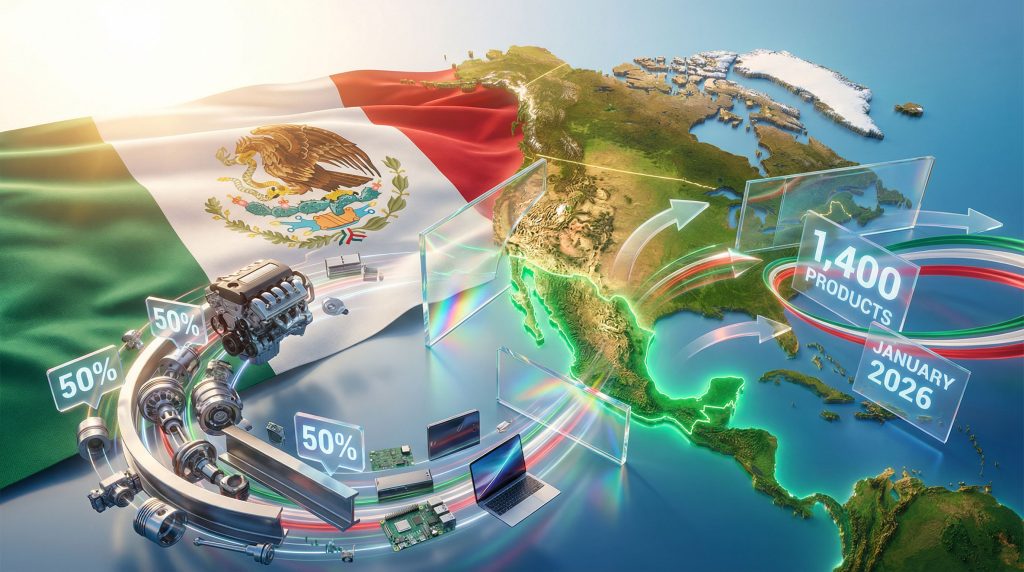
Mexico's implementation of substantial tariff increases represents one of the most significant trade policy restructuring efforts in Latin America's recent economic history. The country introduced elevated duties ranging from 5% to 50% across more than 1,400 product categories, fundamentally altering its import landscape for goods originating from non-free trade agreement partners.
The legislative framework supporting these Mexico tariff hikes on Chinese imports emerged through comprehensive congressional deliberations focused on protecting domestic manufacturing capacity. Lawmakers emphasised economic sovereignty arguments while positioning the measures as essential tools for preserving industrial employment and strengthening local supply chains.
Strategic Implementation Timeline and Enforcement Mechanisms
The tariff restructuring became effective January 1, 2026, following months of policy development and stakeholder consultations. This timeline reflects careful coordination between trade officials and domestic industry representatives to ensure implementation aligned with Mexico's broader economic development objectives.
Key enforcement mechanisms include:
- Enhanced customs clearance procedures for affected imports
- Stricter application of rules of origin requirements
- Expanded documentation standards for non-FTA partner goods
- Regular review processes for tariff rate adjustments
When big ASX news breaks, our subscribers know first
Sectoral Impact Analysis of Mexico's Tariff Strategy
The automotive sector faces the most substantial tariff barriers under Mexico's new trade architecture. Vehicles and electric vehicle components from non-FTA countries now encounter duties reaching 50%, fundamentally reshaping competitive dynamics in Mexico's crucial automotive market. In addition, these tariffs on industries demonstrate how trade policies can create ripple effects across multiple sectors.
| Industry Sector | Maximum Tariff Rate | Strategic Objective | Employment Impact |
|---|---|---|---|
| Automotive & EV Components | 50% | Domestic assembly protection | 150,000+ positions |
| Steel & Metal Products | 35% | Industrial base strengthening | 75,000+ positions |
| Textiles & Apparel | Variable 10-50% | Manufacturing job retention | 100,000+ positions |
| Electronics & Appliances | 5-50% | Technology sector development | 50,000+ positions |
Steel and Manufacturing Protection Measures
Steel imports from non-FTA partners face 35% additional duties, representing Mexico's commitment to strengthening its industrial manufacturing base. This approach reflects broader concerns about maintaining strategic production capabilities in essential materials sectors.
The steel industry protection measures specifically target:
- Raw steel products and semi-finished materials
- Specialised alloys used in automotive manufacturing
- Construction-grade steel products
- Industrial machinery components
Textile and Electronics Variable Rate Implementation
Mexico's textile and electronics sectors benefit from variable tariff rates designed to protect different segments of these industries at appropriate levels. The variable approach allows policymakers to fine-tune protection based on specific product categories and competitive pressures.
Electronics tariffs particularly focus on:
- Consumer appliances and home electronics
- Industrial equipment and machinery
- Telecommunications infrastructure components
- Computing and data processing equipment
Plan México Initiative and Import Substitution Objectives
Mexico's Plan México initiative drives comprehensive import substitution goals designed to achieve 50% domestic supply coverage across key industrial sectors. This ambitious framework represents the government's commitment to reducing dependency on imports while strengthening domestic manufacturing capabilities.
Revenue Generation and Economic Impact Projections
Government analysts project the tariff measures will generate between 30-70 billion pesos annually in additional revenue, providing resources for industrial development programs and manufacturing infrastructure improvements. These funds support initiatives designed to enhance domestic production capacity and technological capabilities.
Economic modelling suggests the tariff implementation will have a 0.2% impact on overall inflation, which officials consider manageable within Mexico's broader monetary policy framework. This relatively modest inflation impact reflects careful calibration of tariff rates to balance protection with consumer affordability.
Policy Development Insight: Mexico's tariff strategy represents a calculated balance between protecting domestic industries and maintaining reasonable consumer prices, with inflation impact assessments guiding rate determination across product categories.
Regional Trade Dynamics and USMCA Considerations
The timing of Mexico's tariff implementation coincides with the 2026 USMCA review period, creating additional complexity for North American trade relationships. This synchronisation reflects Mexico's strategic positioning as it navigates between regional integration commitments and national economic sovereignty objectives. Moreover, the global trade implications of these measures extend far beyond bilateral relationships.
Addressing Supply Chain Vulnerabilities in North America
Mexico's tariff measures specifically address concerns about "back door" trade routes that allow non-USMCA partners to access North American markets through Mexico's manufacturing sector. The policy aims to ensure trade benefits flow primarily through established free trade agreement channels.
Key supply chain considerations include:
- Automotive assembly line component sourcing
- Electronics manufacturing input materials
- Textile production raw material flows
- Steel processing intermediate products
Balancing Sovereignty with Regional Integration
Mexico's approach demonstrates sophisticated navigation between maintaining regional trade commitments and asserting greater control over its domestic market access. This balance requires careful coordination with USMCA partners while pursuing independent trade policy objectives.
International Response and Dispute Resolution Potential
China's Ministry of Commerce has concluded that Mexico's Mexico tariff hikes on Chinese imports constitute violations of international trade rules, affecting approximately US$30 billion in Chinese exports to Mexico. This formal determination positions Beijing for bilateral negotiations or multilateral dispute resolution through established international mechanisms, as reported by SCMP.
Beijing's Trade Barrier Accusations and WTO Framework
Chinese officials argue that Mexico's tariff increases create discriminatory trade barriers that violate World Trade Organisation principles. The formal complaint mechanism enables China to pursue dispute resolution through bilateral discussions or WTO proceedings. Consequently, this has led to trade war market effects that are rippling across global financial markets.
The affected Chinese exports include:
- Steel products and industrial materials
- Automotive components and finished vehicles
- Consumer electronics and appliances
- Textile products and manufacturing inputs
South Korean and Indian Manufacturing Concerns
South Korean and Indian manufacturers express concerns about market access limitations created by Mexico's new tariff structure. These countries' trade representatives are evaluating response strategies, including potential bilateral negotiations and multilateral dispute procedures.
Industries particularly affected include automotive parts manufacturing, electronics assembly, and textile production, where South Korean and Indian companies maintain significant export relationships with Mexican partners.
Free Trade Agreement Exemptions and Compliance Pathways
Countries maintaining free trade agreements with Mexico continue enjoying preferential market access, creating competitive advantages for FTA partners in the Mexican market. This framework reinforces Mexico's commitment to established trade relationships while limiting access for non-partner countries.
IMMEX Program Mitigation Strategies
Mexico's IMMEX (Manufacturing, Maquiladora and Export Services) program provides alternative pathways for companies to mitigate tariff impacts through manufacturing compliance requirements. This system allows eligible businesses to access reduced duties by meeting domestic content and employment standards.
IMMEX compliance requirements include:
- Minimum domestic content thresholds
- Local employment quotas
- Manufacturing process requirements
- Export performance standards
Basic Food Basket Exemptions Through 2026
Essential food products remain exempt from tariff increases through 2026, reflecting Mexico's commitment to maintaining affordable access to basic nutrition. This social policy consideration demonstrates the government's balanced approach to trade protection and consumer welfare.
The next major ASX story will hit our subscribers first
Latin American Import Substitution Renaissance
Mexico's tariff strategy represents broader trends toward import substitution renaissance across Latin American economies. This regional shift reflects increased focus on manufacturing self-sufficiency and reduced dependency on external supply chains.
Regional Manufacturing Hub Competition
Mexico positions itself as a dominant manufacturing hub within Latin America through strategic trade policies designed to attract production investment while protecting domestic industries. This approach creates competitive advantages relative to other regional economies pursuing similar strategies.
Competitive factors include:
- Proximity to North American markets
- Established manufacturing infrastructure
- Skilled workforce availability
- Transportation and logistics networks
WTO Compliance and Multilateral Trade Evolution
Mexico's tariff measures operate within existing WTO frameworks while testing boundaries of acceptable trade protection policies. The approach contributes to evolving interpretations of multilateral trade rules in an environment of increasing economic nationalism.
Global Supply Chain Reconfiguration Implications
Nearshoring acceleration represents a primary consequence of Mexico's tariff implementation, as companies seek to establish production facilities within USMCA territory to maintain cost-effective market access. This trend supports Mexico's broader economic development objectives while reshaping global manufacturing patterns. Additionally, these policy changes highlight the complex tariffs and currency shifts that often accompany major trade disruptions.
Cost Structure Changes for Multinational Corporations
Multinational corporations face significant cost structure adjustments as tariff increases affect input materials and finished goods pricing. Companies are developing comprehensive sourcing strategies to minimise financial impacts while maintaining operational efficiency.
Strategic responses include:
- Regional supplier network development
- Manufacturing location reassessment
- Product design modifications for local content
- Long-term contract renegotiations
Alternative Sourcing Strategy Development
Affected industries are implementing alternative sourcing strategies to navigate Mexico's new tariff landscape. These approaches involve diversifying supplier networks toward FTA partner countries and developing domestic Mexican supply capabilities.
Economic Outcome Projections for Mexico's Strategy
Mexico expects to protect between 325,000-350,000 manufacturing jobs through its comprehensive tariff implementation. This employment protection represents a primary policy objective, supporting communities dependent on manufacturing employment while strengthening Mexico's industrial base.
Trade Balance Improvement with Non-FTA Partners
Government projections suggest trade balance improvements with major non-FTA partners as domestic production substitutes for imports in key sectors. This rebalancing supports Mexico's long-term economic sovereignty objectives while reducing external dependency.
Domestic Industry Competitiveness Enhancement
Enhanced domestic industry competitiveness represents a crucial long-term benefit of Mexico's tariff strategy. Protected industries gain time and market space to improve efficiency, invest in technology, and develop competitive advantages for future market competition. However, Mexico has also introduced new tariffs on automotive imports, expanding the scope of these protective measures.
Understanding Mexico's Tariff Policy Framework
Duration and Future Adjustment Mechanisms
Mexico's tariff measures include built-in review mechanisms allowing for future adjustments based on economic conditions and industry development progress. This flexibility enables policymakers to modify protection levels as domestic capabilities strengthen.
Comparison with Similar Emerging Market Policies
Mexico's approach reflects broader emerging market trends toward selective trade protection combined with strategic industrial development policies. Similar strategies are being implemented across developing economies seeking to strengthen domestic manufacturing capabilities.
Available Dispute Resolution Mechanisms
Affected countries can pursue dispute resolution through multiple channels, including bilateral negotiations, WTO proceedings, and regional trade agreement mechanisms. These processes provide structured approaches for addressing trade conflicts while maintaining broader economic relationships. Furthermore, the Mexico tariff hikes on Chinese imports have established a precedent that other nations are closely monitoring for their own trade policy development.
Disclaimer: This analysis is based on publicly available information and policy announcements. Trade policy outcomes involve complex economic variables and may differ from projected results. Readers should consult current government sources and trade officials for the most recent policy developments and implementation details.
Ready to Capitalise on Trade Policy Shifts Affecting Global Markets?
Mexico's comprehensive tariff restructuring demonstrates how rapidly international trade dynamics can reshape investment landscapes across multiple sectors. Discovery Alert's proprietary Discovery IQ model delivers real-time alerts on significant ASX mineral discoveries, helping investors navigate these shifting global conditions by identifying actionable opportunities in the resources sector that can benefit from supply chain diversification trends.