May 14, 2026
Understanding the Corporate Dynamics Behind Modern Mining Consolidation
Global mining markets continue evolving through cycles of consolidation that reshape competitive dynamics across commodity sectors. The Glencore Rio Tinto merger talks represent a significant development in this mining industry evolution, where transformative periods often emerge during inflection points where supply constraints, technological shifts, and capital allocation strategies converge to create strategic imperatives for scale optimisation.
The current landscape presents compelling drivers for corporate combinations, particularly within copper-focused portfolios where long-term demand trajectories support premium valuations. Understanding these consolidation dynamics requires examining market positioning, regulatory frameworks, and operational synergies that define successful mining sector combinations.
When big ASX news breaks, our subscribers know first
Scale Analysis: Measuring Combined Operational Footprint
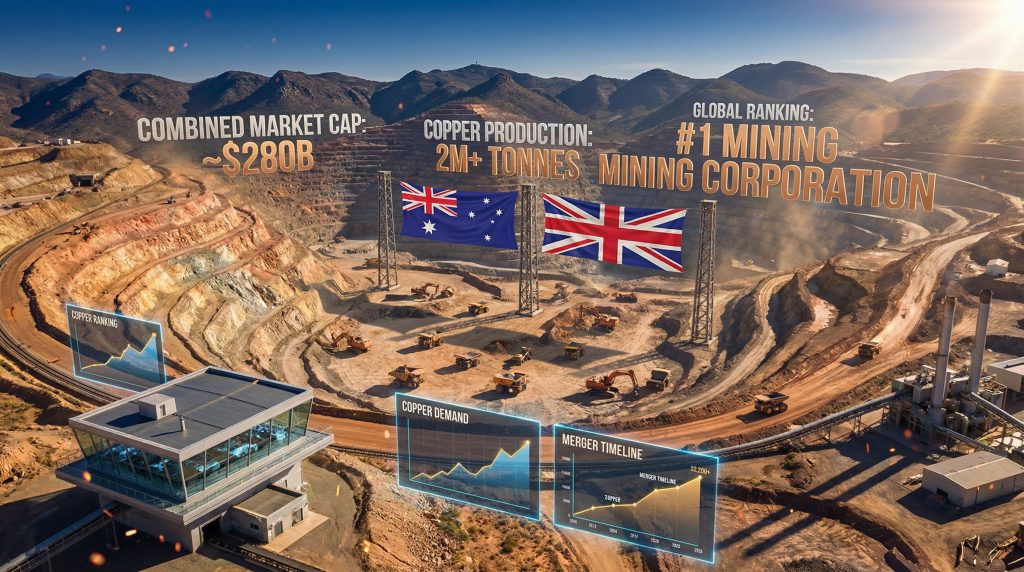
A hypothetical combination of major mining entities would create unprecedented scale across multiple commodity segments. Recent merger discussions between Rio Tinto and Glencore suggest such combinations could approach $280 billion in combined value, establishing new benchmarks for sector concentration.
Operational Scale Comparison:
| Metric | Hypothetical Combined Entity | Current Market Leaders |
|---|---|---|
| Estimated Market Cap | ~$280B | BHP: ~$140B |
| Projected Annual Revenue | ~$200B+ | Vale: ~$65B |
| Copper Production Capacity | 2M+ tonnes | Industry avg: 1.2M tonnes |
| Iron Ore Operations | 350M+ tonnes | Sector leaders: 250-320M |
The scale implications extend beyond pure production metrics to encompass geographic diversification, processing infrastructure, and downstream integration capabilities. Furthermore, such combinations would establish dominant positions across multiple commodity value chains while creating operational synergies through shared logistics networks and technology platforms.
Recent developments highlight the strategic infrastructure considerations underlying these potential combinations. The Glencore smelting challenges demonstrate the critical importance of downstream processing capabilities within integrated mining strategies. This facility represents Australia's only copper smelting infrastructure, underscoring the strategic value of processing assets within broader consolidation scenarios.
Why Are Major Mining Companies Pursuing Scale Through Merger?
The fundamental drivers supporting copper-focused consolidation reflect structural demand shifts across multiple end-use sectors. Electric vehicle adoption patterns indicate copper intensity increases of approximately 300-400% per vehicle compared to traditional automotive manufacturing, creating sustained demand growth trajectories for Glencore Rio Tinto merger talks.
Key Demand Drivers:
• Electrification Infrastructure: Grid modernisation requiring substantial copper content for transmission and distribution networks
• Renewable Energy Integration: Wind turbines and solar installations incorporating significant copper components
• Data Center Expansion: AI computing infrastructure and cloud services driving unprecedented electricity consumption
• Industrial Applications: Manufacturing sector modernisation increasing copper utilisation across automation systems
Supply-side constraints compound these demand pressures through declining ore grades, increasing extraction complexity, and extended development timelines for new projects. Industry forecasts suggest potential copper deficits approaching 10 million tonnes annually by 2030, supporting premium pricing environments that justify consolidation premiums.
The timing of consolidation discussions reflects strategic positioning ahead of anticipated supply-demand imbalances. In addition, companies pursuing scale advantages through combination can secure market share positions before commodity pricing cycles reach peak levels, maximising shareholder value creation opportunities.
Regulatory Framework Assessment and Approval Pathways
Mining sector consolidations face comprehensive regulatory scrutiny across multiple jurisdictions, particularly when combinations create market concentration concerns. European Union merger regulations establish specific thresholds for review processes, typically triggered when combined revenues exceed €5 billion globally or €250 million within EU markets.
Multi-Jurisdictional Review Requirements:
• Australian Competition Framework: ACCC review processes examining market concentration effects across iron ore, copper, and coal segments
• European Commission Analysis: Comprehensive assessment of commodity market dominance and competitive dynamics
• Resource Sovereignty Considerations: Government oversight ensuring strategic mineral asset ownership aligns with national interests
• Infrastructure Control Evaluation: Port, rail, and processing facility ownership implications for market access
Historical precedents suggest 12-18 month review timelines for major mining consolidations, with approval conditions often requiring asset divestitures or structural separations. The Glencore-Xstrata combination in 2013 provides relevant precedent, requiring extensive regulatory coordination across multiple jurisdictions before final approval.
However, conditional approval scenarios frequently involve mandated asset sales to maintain competitive market structures. These requirements can create opportunities for mid-tier operators whilst ensuring concentrated market power does not undermine price discovery mechanisms or supply security considerations.
Strategic Complications from Thermal Coal Asset Integration
Portfolio integration challenges arise when combining entities with divergent ESG positioning, particularly regarding thermal coal operations. This creates fundamental tensions between growth metal strategies and legacy fuel asset management, which could complicate the Glencore Rio Tinto merger talks.
ESG Integration Complexities:
• Investor Policy Conflicts: Major institutional investors implementing thermal coal exclusion mandates across investment portfolios
• Cash Flow Contributions: Thermal coal operations generating substantial near-term returns despite long-term transition risks
• Stranded Asset Considerations: Regulatory carbon pricing and phase-out legislation creating valuation uncertainty
• Capital Allocation Tensions: Competing priorities between growth metal investments and legacy asset optimisation
The thermal coal component presents particularly acute challenges given accelerating energy transition timelines across major markets. Carbon pricing mechanisms and coal-fired power plant retirement schedules create declining demand trajectories that complicate long-term asset valuation frameworks.
Major asset managers including BlackRock, Vanguard, and State Street have implemented varying degrees of thermal coal exclusion policies. Consequently, this potentially limits institutional investor participation in combined entities retaining significant coal operations, requiring careful consideration of portfolio composition and potential divestiture strategies.
Alternative Transaction Structures and Competitive Responses
Strategic alternatives to full-scale combinations include targeted asset acquisitions, joint venture structures, and partial ownership arrangements. These approaches can capture operational synergies whilst avoiding regulatory complications associated with complete corporate combinations, particularly relevant given the complexity of the Glencore Rio Tinto merger talks.
Partial Transaction Possibilities:
• Copper Asset Focus: Acquiring specific copper operations rather than entire corporate entities
• Geographic Segmentation: Regional asset swaps optimising operational footprints
• Joint Development Ventures: Shared investment in major copper project development
• Processing Infrastructure Partnerships: Collaborative ownership of smelting and refining facilities
Competitive response scenarios could involve counter-bidding from other major mining entities seeking to maintain market positioning. Moreover, the copper and uranium investment landscape continues evolving, with BHP's strategic capital allocation priorities and acquisition appetite representing key variables in determining final transaction outcomes.
Potential Market Disruption Sources:
• Chinese SOE Participation: State-owned enterprises potentially entering competitive bidding processes
• Private Equity Interest: Resource-focused investment funds assembling competing proposals
• Sovereign Wealth Involvement: National investment vehicles seeking strategic commodity exposure
• Technology Sector Entry: Mining technology companies pursuing vertical integration opportunities
The next major ASX story will hit our subscribers first
Australian Market Structure Implications and Investment Dynamics
Australian Securities Exchange composition would experience significant rebalancing following major mining consolidations. Combined entities could represent substantial index weightings, creating mechanical buying and selling flows from passive investment strategies.
The concentration effects extend beyond index mechanics to influence sector diversification available to Australian-focused investors. For instance, reduced independent operator numbers could limit investment alternatives whilst potentially creating opportunities for specialised commodity exposure through mid-tier operators.
Market Structure Changes:
• Index Reweighting: Substantial adjustments across ASX 200 and All Ordinaries compositions
• Passive Fund Flows: Mechanical trading volumes from index tracking strategies
• Sector Concentration: Reduced diversification options within Australian mining exposure
• Mid-Tier Opportunities: Enhanced positioning for specialised operators in specific commodity niches
Asset divestiture requirements from regulatory approvals could create acquisition opportunities for emerging operators. These potential transactions would enable smaller companies to access established operations whilst maintaining competitive market structures.
Timeline Considerations and Process Development
Corporate combination processes in mining sectors typically extend across multiple phases, from initial due diligence through final integration completion. The executive order on minerals adds another layer of complexity, as regulatory frameworks continue evolving alongside the complexity of multi-jurisdictional approvals, stakeholder consultations, and operational harmonisation.
Development Phase Framework:
• Due Diligence Completion: Comprehensive asset and liability assessment requiring 3-6 months
• Regulatory Submission: Formal filings across multiple jurisdictions within 6-9 months
• Stakeholder Engagement: Government, community, and environmental consultations spanning 12-18 months
• Integration Planning: Operational synergy identification and implementation roadmap development
Current discussions reflect renewed engagement following previous exploration phases, indicating sustained strategic interest from both entities. Market participants should anticipate extended development timelines given the scope and complexity of potential combinations.
Broader Industry Consolidation Implications
Major mining consolidations often trigger competitive responses across the broader sector as companies seek to maintain relative scale advantages. This represents part of a big pivot in minerals strategy, where this dynamic can accelerate industry-wide consolidation patterns whilst creating opportunities for specialised operators in specific commodity segments.
Sector Evolution Patterns:
• Oligopoly Formation: Concentration among fewer, larger global players controlling major commodity flows
• Technology Integration: Innovation-driven partnerships and acquisitions enhancing operational efficiency
• Supply Chain Vertical Integration: Consolidation across mining, processing, and distribution value chains
• Geographic Specialisation: Regional consolidation around specific resource basins and infrastructure networks
The implications extend beyond individual company performance to influence global commodity pricing mechanisms, supply security considerations, and investment allocation patterns across the mining sector.
Long-term industry structure evolution may favour entities with diversified commodity portfolios, integrated processing capabilities, and strong ESG positioning. Furthermore, these characteristics support sustained competitive advantages whilst addressing evolving stakeholder expectations across environmental, social, and governance dimensions.
What Should Investors Consider?
Portfolio managers evaluating mining sector exposure should consider concentration risks, regulatory timeline uncertainties, and commodity correlation effects when assessing major consolidation scenarios. The potential for increased correlation across mining investments requires careful diversification strategies and risk management frameworks.
Current reports indicate both companies are in early-stage discussions, though no formal agreement has been reached. However, given the scale and complexity involved, any potential transaction would require extensive due diligence, regulatory approvals, and stakeholder consultations before completion.
Disclaimer: This analysis contains forward-looking statements and projections based on current market conditions and publicly available information. Actual outcomes may differ materially from these assessments due to regulatory changes, market dynamics, and unforeseen circumstances. Investors should conduct independent research and consult qualified financial advisors before making investment decisions.
Ready to Capitalise on Major Mining Consolidation Opportunities?
Discovery Alert's proprietary Discovery IQ model delivers real-time alerts on significant ASX mineral discoveries, instantly empowering subscribers to identify actionable opportunities ahead of the broader market during periods of industry consolidation. Begin your 30-day free trial today at Discovery Alert and secure your market-leading advantage as mining sector dynamics continue evolving.