May 21, 2026
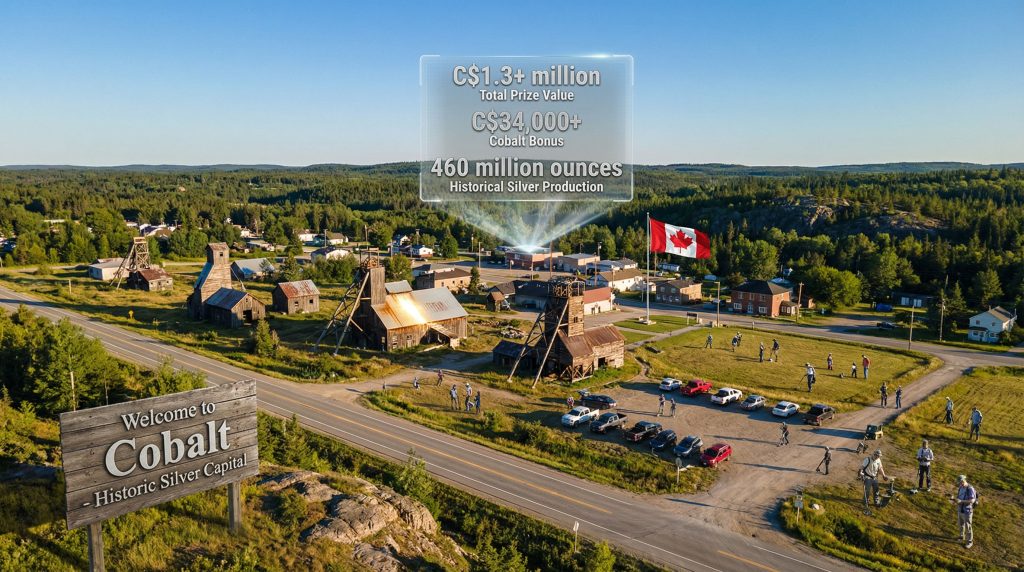
Mining heritage regions across Canada are experiencing a renaissance through innovative promotional strategies that blend entertainment with economic development. While traditional destination marketing relies on conventional advertising approaches, the integration of interactive gaming elements represents a fundamental shift in how remote communities can attract visitors and generate sustainable revenue streams. Furthermore, the recent cobalt treasure hunt win demonstrates how these experiential campaigns can transform perceived limitations into competitive advantages.
The gamification of regional promotion has emerged as a sophisticated tool for addressing the unique challenges faced by mining heritage communities. These locations often struggle with geographic isolation, limited tourism infrastructure, and public perceptions that emphasise industrial rather than recreational value. However, when properly executed, treasure hunt initiatives can transform these perceived limitations into competitive advantages, creating authentic experiences that urban-focused entertainment cannot replicate.
Understanding the Economic Psychology of Gamified Regional Marketing
The behavioural economics underlying treasure hunt marketing differs substantially from conventional promotional approaches in several measurable ways. Traditional destination advertising typically generates passive awareness through visual media, relying on cognitive processing to influence future travel decisions. In contrast, gamified experiences create active participation that engages multiple psychological reward systems simultaneously.
Participation Psychology and Community Engagement Patterns
Research in behavioural economics demonstrates that treasure hunting activities trigger what researchers term "variable ratio reinforcement schedules," the same psychological mechanism that makes casino gaming compelling. Unlike fixed promotional campaigns with predictable messaging, treasure hunts create uncertainty and discovery potential that maintains participant engagement over extended periods.
The cobalt treasure hunt win exemplifies this principle in action. Rather than generating brief media attention, the contest sustained cross-country engagement throughout its duration, with participants actively researching regional mining history, planning multi-day visits, and sharing experiences across social media platforms. This sustained engagement pattern contrasts sharply with conventional advertising, which typically requires repeated exposure to achieve comparable retention rates.
Community participation rates in gamified campaigns demonstrate measurably higher engagement levels compared to standard promotional initiatives. While traditional marketing campaigns might generate website visits or brochure downloads, treasure hunt participants invest substantial time, money, and emotional energy in the experience. They purchase accommodation, fuel, food, and supplies while spending days or weeks exploring regions they might never have considered visiting otherwise.
Social Media Amplification and Viral Engagement Mechanics
The social media dynamics surrounding treasure hunt campaigns create organic amplification effects that extend far beyond paid promotional reach. Participants naturally document their experiences through photographs, videos, and progress updates, generating authentic content that resonates more strongly with audiences than professionally produced marketing materials.
The peer-to-peer sharing generated by treasure hunt participants carries implicit credibility that traditional advertising cannot achieve. When individuals document their positive experiences in mining heritage communities, their social networks receive recommendations from trusted sources rather than corporate messaging. This organic endorsement effect multiplies campaign reach while reducing scepticism typically associated with promotional content.
Video content creation surrounding treasure hunt experiences provides particularly powerful amplification opportunities. Participants naturally create narrative arcs documenting their planning, travel, exploration, and discovery processes. These personal stories generate emotional connections with viewers while showcasing regional attractions, businesses, and unique characteristics that static marketing materials cannot effectively communicate.
When big ASX news breaks, our subscribers know first
Strategic Location Selection: Why Mining Heritage Sites Excel in Gamified Marketing
The selection of appropriate locations for treasure hunt marketing requires careful analysis of multiple factors that influence participant experience and campaign effectiveness. Mining heritage communities possess several inherent advantages that make them particularly suitable for gamified promotional strategies, particularly as the mining industry evolution trends continue to embrace innovative marketing approaches.
Historical Authenticity as Marketing Foundation
Cobalt's extraordinary mining heritage provides the authentic narrative foundation essential for credible treasure hunt experiences. The region's historical silver production created a legitimate connection between treasure hunting themes and local history, avoiding the artificial atmosphere that might characterise purely manufactured promotional events.
The psychological impact of authentic treasure hunting in historically significant mining areas cannot be understated. Participants understand that they are exploring regions where valuable discoveries actually occurred, creating emotional connections that extend beyond the immediate contest. This historical legitimacy transforms promotional events into educational experiences that generate lasting positive associations with mining communities and the broader industry.
Archaeological and geological authenticity also provides rich content for educational components of treasure hunt campaigns. Participants naturally learn about local mining techniques, geological formations, and historical figures while pursuing contest objectives. Additionally, modern 3D geological modelling insights can enhance these educational components. This incidental education creates deeper engagement than conventional tourism marketing while building positive associations with mining heritage and contemporary industry operations.
Geographic Accessibility Balanced with Adventure Elements
Successful treasure hunt locations must achieve optimal balance between accessibility and adventure. Cobalt's proximity to major transportation corridors provides essential participant access while maintaining the remote atmosphere necessary for authentic treasure hunting experiences.
The Trans-Canada Highway system enables participants from major population centres to reach treasure hunt locations within reasonable travel times and costs. However, once participants arrive in the broader region, the network of secondary roads, historical mining sites, and natural landmarks provides sufficient complexity and challenge to maintain engagement without creating prohibitive difficulty levels.
Infrastructure capacity considerations become critical during treasure hunt periods when visitor volumes may exceed typical regional tourism levels. Communities must possess adequate accommodation, fuel, food services, and emergency support capabilities to handle increased visitation without creating negative experiences that could damage long-term tourism potential.
Political Messaging and Policy Communications Through Popular Culture
The strategic use of popular culture events for political messaging represents a sophisticated approach to policy communication that extends far beyond traditional government outreach methods. The cobalt treasure hunt win created unique opportunities for northern Ontario political representatives to advance policy discussions through engaging, non-partisan contexts.
Bridging Urban-Rural Knowledge Gaps Through Experiential Learning
Ontario MPP John Vanthof recognised that the treasure hunt provided an unusual opportunity to address knowledge gaps about mining significance among urban-focused political colleagues. His observation that mining awareness levels remain limited within Queen's Park reflects broader challenges faced by resource-dependent communities in securing political support for infrastructure and economic development initiatives.
"The treasure hunt has created cross-country buzz and brought attention to cobalt the mineral and Cobalt the town," Vanthof noted during a Canadian Mining Journal interview. "The awareness of mining at Queen's Park is very limited, so anything that creates awareness helps."
The experiential nature of treasure hunt engagement creates different cognitive processing compared to traditional policy briefings or statistical presentations. When individuals personally visit mining heritage communities, explore historical sites, and interact with local businesses, they develop emotional connections that pure data cannot generate. These personal experiences influence policy perspectives in ways that conventional lobbying approaches struggle to achieve.
Cross-country buzz generated by treasure hunt campaigns provides politicians with non-controversial opportunities to highlight regional significance and economic contributions. Rather than advancing partisan policy positions, political representatives can celebrate community achievements and educational outcomes while subtly reinforcing messages about mining industry importance and infrastructure needs.
Infrastructure Advocacy Through Increased Regional Visibility
The treasure hunt campaign indirectly highlighted transportation infrastructure challenges that affect both tourism and industrial operations in northern Ontario. MPP Vanthof's emphasis on Trans-Canada Highway maintenance, enforcement, and upgrades reflected broader policy priorities that benefit from increased public awareness and political attention.
When treasure hunt participants experience transportation challenges firsthand, they develop personal understanding of infrastructure limitations that affect regional economic development. These individual experiences, when aggregated across hundreds or thousands of participants, create informed constituencies that may support infrastructure investment initiatives they previously considered abstract or unnecessary.
Supply chain vulnerability messaging becomes more credible when delivered in contexts where individuals have personal experience with regional transportation challenges. Rather than presenting technical logistics analyses, political representatives can reference widely-shared experiences that demonstrate infrastructure importance for both recreational and industrial activities.
The Ring of Fire development discussions benefit from increased northern Ontario visibility generated through treasure hunt campaigns. When individuals develop positive associations with northern mining communities through recreational experiences, they may exhibit greater receptivity to supporting major resource development projects that could benefit these regions economically.
Strategic Communications Framework: Lessons from Contest Success
The communications strategy surrounding the cobalt treasure hunt win demonstrates several key principles that can be applied to future mining industry promotional initiatives. These lessons extend beyond simple marketing tactics to encompass comprehensive stakeholder engagement and narrative development approaches, particularly as AI in mining operations continues to transform how the industry communicates with stakeholders.
Multi-Platform Content Strategy and Audience Expansion
The video content created around the treasure hunt success, including the Canadian Mining Journal interview between TNM's anchor and MPP Vanthof, exemplifies effective multi-platform storytelling approaches. Rather than limiting coverage to traditional mining industry publications, the campaign generated content suitable for diverse audience segments with varying levels of mining industry knowledge.
Video format selection proved particularly effective for reaching audiences beyond traditional mining industry stakeholders. Moving image content enables emotional storytelling that statistical presentations or written articles cannot achieve. Personal interviews, location footage, and celebration documentation create compelling narratives that engage viewers who might ignore conventional mining industry communications.
The strategic timing of political commentary amplified campaign reach beyond immediate contest participants. By linking treasure hunt success to broader policy discussions about mining industry significance and infrastructure needs, communications teams extended message relevance to audiences concerned with economic development, transportation policy, and regional governance issues.
Narrative Architecture and Symbolic Messaging
Effective treasure hunt communications require careful attention to narrative architecture that connects individual success stories with broader themes about community resilience, regional pride, and industry significance. The celebration of contest winners creates opportunities to reinforce positive associations with mining communities while highlighting their contributions to provincial and national economies.
Personal story elements, such as family participation in treasure hunt activities, generate emotional connections that abstract policy discussions cannot achieve. When audiences can relate to individual experiences and motivations, they develop stronger positive associations with mining communities and industry operations than conventional promotional approaches typically generate.
The geographic symbolism of participants travelling from urban centres to mining heritage communities reinforces messaging about connections between urban prosperity and resource extraction activities. These journey narratives subtly educate audiences about economic relationships while avoiding potentially defensive framing around industrial activities.
Community celebration coverage provides opportunities to showcase mining heritage communities as vibrant, welcoming destinations rather than declining industrial centres. This positive framing influences public perceptions about mining regions while supporting tourism development and economic diversification initiatives.
Return on Investment Analysis for Mining Industry Gamification
Evaluating the return on investment for treasure hunt marketing campaigns requires comprehensive analysis that extends beyond traditional advertising metrics to encompass long-term relationship building, educational impact, and policy influence outcomes. Moreover, recent JP Morgan mining upgrade analyses suggest that innovative marketing approaches could significantly impact sector valuations.
Engagement Metrics and Audience Development
Cost-per-engagement calculations for treasure hunt campaigns must account for the depth and duration of participant involvement, which typically far exceeds conventional advertising exposure. While traditional marketing might generate brief website visits or advertisement views, treasure hunt participants invest multiple days or weeks actively engaging with regional content, businesses, and community representatives.
The participant database development potential from treasure hunt campaigns provides significant long-term value for future mining industry communications. Contest registration processes naturally capture contact information, demographic data, and interest indicators that can support ongoing educational outreach and community engagement initiatives.
Geographic reach expansion represents another measurable benefit of treasure hunt marketing. Mining companies typically struggle to generate awareness outside immediate operational regions and industry stakeholder networks. Gamified campaigns can attract participants from diverse geographic and demographic segments, creating awareness among audiences that conventional mining communications rarely reach.
Brand association improvements may provide the most significant long-term value from treasure hunt investments. Mining industry communications often focus on technical operations, environmental compliance, or economic impact data that fail to create emotional connections with general audiences. Treasure hunt experiences generate positive emotional associations that influence public perceptions about mining companies and industry operations.
Community Relationship Building and Social License Development
The community goodwill generated through treasure hunt campaigns provides measurable value for mining companies operating in or near contest regions. Positive community relationships directly influence regulatory approval processes, local hiring success, and stakeholder engagement outcomes that affect operational efficiency and expansion potential.
Educational content delivery through entertainment channels creates opportunities to address misconceptions about mining operations while building informed public support for industry activities. Rather than defensive messaging about environmental or safety concerns, treasure hunt educational components can proactively communicate positive industry contributions and responsible operational practices.
Long-term relationship maintenance through treasure hunt participant networks enables ongoing communication opportunities that extend far beyond immediate campaign periods. Participants who develop positive associations with mining communities often become informal advocates for industry interests within their personal and professional networks.
The social licence benefits from treasure hunt campaigns may prove particularly valuable for companies planning major expansions or new project developments. Communities that have experienced positive economic impacts from treasure hunt activities may exhibit greater receptivity to mining industry proposals and employment opportunities.
Technology Integration and Future Gaming Applications
The evolution of treasure hunt marketing toward more sophisticated technology integration presents significant opportunities for mining companies to enhance participant experiences while gathering valuable data about audience engagement and preferences. This technological advancement aligns with broader sustainable mining transformation initiatives across the industry.
Augmented Reality and Mobile Platform Development
Augmented reality applications could transform treasure hunt experiences by overlaying historical information, geological data, and mining heritage content onto real-world locations. Participants could use mobile devices to visualise historical mining operations, understand geological formations, and access educational content that enhances their understanding of regional mining significance.
GPS tracking technology enables more sophisticated treasure hunt design while providing valuable data about participant movement patterns, popular locations, and engagement duration. This information can inform future campaign design and help communities prepare for visitor volumes during contest periods.
Mobile application development creates opportunities for ongoing participant engagement that extends beyond immediate contest periods. Applications could provide continuing educational content, community event notifications, and special offers from regional businesses, maintaining relationships that support long-term tourism development.
Social sharing integration within mobile platforms amplifies organic promotion while enabling real-time campaign monitoring and adjustment. Participants naturally share progress updates, location photographs, and achievement notifications that extend campaign reach while providing valuable feedback about experience quality.
Educational Partnership and Workforce Development Integration
University partnership opportunities exist for integrating treasure hunt campaigns with geological education, mining history preservation, and regional studies programmes. Academic partnerships could enhance educational content quality while providing research opportunities that benefit both institutions and mining communities.
Youth engagement strategies through gamified experiences may support long-term mining industry workforce development by generating positive associations with mining careers among younger audiences. Treasure hunt experiences could incorporate career information, educational pathway guidance, and mentorship opportunities that address industry workforce challenges.
Cross-border treasure hunt possibilities could enhance international mining company marketing while promoting mining heritage tourism across jurisdictional boundaries. International campaigns require careful coordination regarding regulatory compliance, tax implications, and cross-border prize distribution, but offer significant audience expansion potential.
The integration of treasure hunt experiences with formal educational curricula could enhance their long-term impact while providing sustainable funding models. Educational partnerships might support ongoing campaign development while ensuring consistent quality and appropriate content for diverse audience segments.
The next major ASX story will hit our subscribers first
Risk Management and Legal Considerations for Mining Contest Operations
Successful treasure hunt campaign implementation requires comprehensive attention to legal, safety, and environmental considerations that protect both participants and organising entities while ensuring positive community impact. Additionally, coverage from outlets like The Northern Miner demonstrates the importance of professional contest administration and transparent communication throughout the process.
Liability Framework and Insurance Requirements
Large-scale promotional contests involving physical participation in remote locations require specialised insurance coverage that addresses multiple risk categories. Participant accidents, property damage, environmental impact, and contest administration errors represent potential liability exposures that require professional risk assessment and insurance planning.
Legal documentation for treasure hunt contests must address prize distribution, participant eligibility, contest rule interpretation, and dispute resolution procedures. Clear terms of participation protect organising entities while ensuring fair treatment of all contestants regardless of their geographic location or technical sophistication.
Environmental protection protocols become particularly important when treasure hunt activities occur near historical mining sites or sensitive ecological areas. Contest design must balance participant access with environmental preservation while complying with applicable regulations regarding public access to former industrial locations.
Safety consideration protocols require coordination with local emergency services, clear communication about acceptable participant activities, and contingency planning for medical emergencies in remote locations. Contest organisers must balance adventure elements with participant safety while maintaining positive community relationships.
Community Impact Assessment and Stakeholder Management
Economic impact assessment methodologies help communities prepare for treasure hunt periods while maximising positive outcomes and minimising potential disruptions. Advance planning regarding accommodation capacity, traffic management, and business preparation ensures positive experiences for both participants and community members.
Local business preparation strategies enable communities to capitalise on increased visitation while maintaining service quality and customer satisfaction. Training programmes for hospitality providers, inventory planning for retail businesses, and coordination with service providers enhance economic benefits while building long-term tourism capacity.
Community disruption mitigation requires careful planning regarding traffic patterns, noise levels, and resource utilisation during contest periods. Successful campaigns generate net positive community impact while minimising negative effects on local residents and ongoing business operations.
Stakeholder engagement processes should include local government representatives, business operators, community organisations, and Indigenous groups with traditional territory connections. Comprehensive consultation ensures broad community support while identifying potential concerns that require advance attention.
The integration of treasure hunt marketing with broader economic development strategies maximises community benefits while supporting sustainable tourism growth. Rather than generating temporary visitor spikes, successful campaigns establish foundations for ongoing tourism development that provides lasting economic benefits for mining heritage communities.
Disclaimer: This analysis is based on available public information and represents educational content rather than investment advice. Economic impact projections and technological development timelines involve uncertainty and should not be considered guaranteed outcomes. Readers should conduct independent research before making business or investment decisions related to mining industry marketing or regional economic development initiatives.
Ready to Capitalise on the Next Major Mineral Discovery?
Discovery Alert instantly alerts investors to significant ASX mineral discoveries using its proprietary Discovery IQ model, turning complex mineral data into actionable insights. Begin your 30-day free trial today to position yourself ahead of the market.