August 11, 2026
How Modern Drilling Technologies Are Revolutionising Mining Operations
The mining industry stands at a technological crossroads where precision engineering meets operational efficiency. Modern drilling and blasting advancements now incorporate sophisticated sensor networks and automated controls that fundamentally transform how extraction operations approach subsurface materials. These technological frameworks represent a departure from traditional mechanical processes toward data‑driven mining operations.
Contemporary drilling platforms integrate multiple sensing technologies that continuously monitor subsurface conditions. Real-time geological analysis capabilities enable operators to adjust drilling parameters instantaneously based on formation characteristics. This adaptive approach ensures optimal penetration rates whilst maintaining equipment integrity throughout extended operations.
Machine learning algorithms process vast datasets from drilling operations to identify patterns that human operators might overlook. These systems analyse penetration rates, torque measurements, and vibration signatures to optimise performance parameters automatically. The integration of artificial intelligence creates feedback loops that continuously improve drilling precision over time.
Advanced Sensor Integration Networks
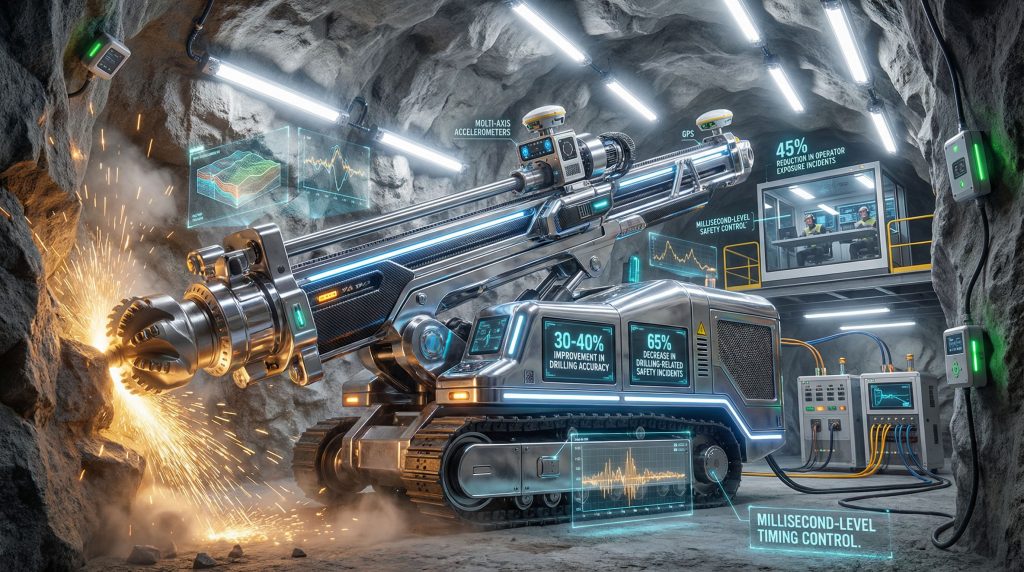
Modern drilling systems employ comprehensive sensor arrays that monitor dozens of operational parameters simultaneously. Pressure sensors track hydraulic system performance whilst temperature monitors protect critical components from thermal damage. GPS-enabled positioning systems ensure precise hole placement according to engineered blast patterns.
Multi-axis accelerometers detect vibration anomalies that could indicate equipment problems or geological changes. This continuous monitoring capability allows operators to address issues before they escalate into costly failures or safety incidents. The data collected feeds into predictive maintenance algorithms that schedule service interventions optimally.
Electronic measurement systems provide real-time feedback on drilling progress and formation characteristics. Operators receive instant notifications about changes in rock hardness, porosity, or structural composition that might require parameter adjustments. This immediate feedback capability represents a significant advancement over traditional drilling methods that relied primarily on operator experience and intuition.
When big ASX news breaks, our subscribers know first
What Revolutionary Changes Are Transforming Blasting Operations
Electronic detonation systems have fundamentally altered how mining operations approach controlled rock fragmentation. These sophisticated platforms provide millisecond-level timing control that enables complex blast sequencing patterns impossible with traditional pyrotechnic systems. The precision offered by electronic detonators allows engineers to design blast patterns that optimise energy distribution whilst minimising environmental impact.
Programmable delay sequences enable operators to control the direction and intensity of blast energy with unprecedented accuracy. This capability allows for sophisticated rock breaking patterns that reduce overbreak whilst improving fragmentation quality. Remote initiation systems enhance operator safety by eliminating the need for personnel to be present near blast sites during detonation.
Advanced blast design software creates three-dimensional models of rock formations and explosive placement patterns. These virtual environments allow engineers to test multiple scenarios before implementing actual blasts. The modelling capabilities incorporate geological data, structural analysis, and environmental constraints to optimise explosive placement and timing sequences.
Digital Modelling and Simulation Technologies
Computer-based simulation systems create comprehensive digital representations of mining sites that enable detailed blast optimisation studies. These platforms incorporate geological survey data, structural assessments, and environmental factors to model blast outcomes accurately. Engineers can evaluate multiple design alternatives without the cost and risk associated with field testing.
Virtual reality interfaces allow blast designers to visualise explosive placement patterns within 3D geological modelling environments. This immersive capability helps identify potential issues with blast geometry or timing sequences before implementation. The technology significantly reduces the likelihood of suboptimal blast results that could impact production schedules or safety requirements.
Real-time monitoring systems track blast performance through seismic sensors and high-speed cameras. This data collection enables continuous refinement of blast design parameters based on actual performance results. The feedback loop between modelling, implementation, and measurement creates an environment of continuous improvement in blasting operations.
How Precision Technologies Enhance Mining Safety Protocols
Remote-controlled drilling and blasting operations represent one of the most significant safety advancements in modern mining. Operators can control sophisticated equipment from secure locations hundreds of metres away from active work areas. This capability dramatically reduces human exposure to hazardous conditions including unstable rock formations, explosive materials, and heavy machinery.
Automated safety monitoring systems continuously track air quality, ground stability, and equipment status throughout mining operations. These networks provide early warning alerts for potentially dangerous conditions such as methane accumulation, structural instability, or equipment malfunctions. The real-time nature of these systems enables rapid response to emerging safety threats.
Advanced vibration control technologies ensure that blasting operations remain within acceptable limits for surrounding structures and ecosystems. Sophisticated monitoring equipment measures ground motion in real-time and can automatically adjust blast parameters if vibration levels approach predetermined thresholds. This capability protects both infrastructure and environmental resources whilst maintaining operational efficiency.
Environmental Protection Through Technology Integration
Modern blasting operations employ multiple technologies to minimise environmental impact whilst maintaining production targets. Water misting systems and specialised dust suppression additives reduce airborne particulate matter significantly. These technologies work in conjunction with controlled fragmentation techniques that optimise rock breaking whilst reducing energy waste.
Noise reduction technologies incorporate shaped charges and precisely timed detonation sequences to minimise acoustic impact on surrounding communities. These methods concentrate explosive energy more efficiently whilst reducing the sound signature of blasting operations. The result is improved community relations and compliance with increasingly stringent noise regulations.
Air quality monitoring systems track emissions from drilling and blasting activities to ensure compliance with environmental standards. Real-time data collection enables immediate corrective actions when emission levels approach regulatory limits. This proactive approach prevents violations whilst maintaining operational continuity.
Which Data Analytics Systems Drive Operational Excellence
Predictive maintenance platforms analyse equipment performance data to forecast component failures before they occur. Machine learning algorithms process information from hydraulic pressure sensors, vibration monitors, and thermal sensors to identify patterns that precede equipment breakdowns. This capability enables maintenance teams to schedule repairs during planned downtime rather than responding to unexpected failures.
Furthermore, performance optimisation systems continuously analyse drilling parameters to identify opportunities for improvement. These platforms track factors such as penetration rates, energy consumption, and tool wear patterns to recommend optimal operating conditions. The data-driven approach replaces traditional trial-and-error methods with scientific optimisation techniques.
Key Performance Indicators Tracked:
• Hydraulic system pressure variations and trends
• Drill bit wear patterns and replacement scheduling
• Energy consumption optimisation across operations
• Component replacement cost analysis and budgeting
• Operational efficiency benchmarks and targets
Real-time geological analysis systems process drilling data to provide immediate insights into subsurface conditions. These platforms can identify changes in rock formation characteristics, mineral composition, or structural integrity as drilling progresses. This information enables immediate adjustments to drilling parameters and blast design considerations.
Integrated Workflow Management Systems
Comprehensive data management platforms coordinate information flow between drilling, blasting, and material handling operations. These systems ensure that all teams have access to current operational data and can coordinate activities effectively. The integration eliminates information silos and improves decision-making across all operational areas.
Automated reporting systems generate performance summaries and compliance documentation automatically. These platforms reduce administrative overhead whilst ensuring that all regulatory requirements are met consistently. The automated approach also provides stakeholders with timely access to operational performance information.
Quality control monitoring systems track the effectiveness of drilling and blasting operations through automated analysis of fragmentation results and material handling efficiency. This feedback enables continuous refinement of operational parameters to maintain optimal performance levels.
What Environmental Benefits Emerge from Modern Techniques
Contemporary dust suppression technologies have transformed air quality management at mining operations. Advanced water misting systems create fine droplets that capture airborne particles more effectively than traditional water spraying methods. These systems can reduce dust emissions by significant margins whilst using less water than conventional approaches.
Environmental Performance Improvements:
• Substantial reductions in airborne particulate matter
• Enhanced air quality in operational areas
• Improved water recycling and conservation practices
• Reduced carbon footprint through optimised energy usage
• Lower chemical consumption through precision application
Controlled fragmentation techniques optimise explosive energy utilisation to reduce waste and environmental impact. These methods ensure that rock breaking occurs efficiently without unnecessary energy expenditure. The result is reduced explosive consumption per unit of material extracted, which translates to lower environmental impact and operational costs.
Water recycling systems incorporated into modern drilling operations capture and treat process water for reuse. These closed-loop systems significantly reduce freshwater consumption whilst preventing contamination of local water sources. The technology represents a crucial component of sustainable mining practices.
Sustainable Technology Integration
Biodegradable drilling fluids and environmentally compatible explosive formulations reduce the long-term environmental impact of mining operations. These materials break down naturally without leaving harmful residues in soil or groundwater. The adoption of these technologies demonstrates the industry's commitment to environmental stewardship.
Energy-efficient equipment designs reduce the carbon footprint of drilling and blasting operations. Electric-powered drilling rigs and optimised compressor systems consume less energy whilst maintaining performance standards. These improvements contribute to overall decarbonisation in mining goals whilst reducing operational costs.
Noise control innovations minimise acoustic impact on surrounding wildlife and communities. Advanced blast timing sequences and acoustic barriers reduce sound transmission whilst maintaining operational effectiveness. These technologies enable mining operations to coexist more harmoniously with their surrounding environments.
How Integrated Systems Optimise Mining Performance
Workflow integration platforms coordinate drilling and blasting activities with material handling and processing operations. These systems ensure that all operational components work together efficiently to maximise productivity. Automated drill pattern generation based on geological surveys eliminates manual planning errors whilst optimising blast effectiveness.
Real-time communication networks enable instant coordination between drilling teams, blasting crews, and excavation operators. This connectivity ensures that all operational phases proceed smoothly without delays or conflicts. The integrated approach reduces idle time and improves overall operational efficiency.
System Integration Benefits:
| Performance Area | Improvement | Impact |
|---|---|---|
| Operational Costs | 8-12% reduction | Enhanced profitability |
| Energy Efficiency | 15% improvement | Lower environmental impact |
| Equipment Utilisation | 20% increase | Better resource management |
| Maintenance Costs | 25% reduction | Improved reliability |
Quality control systems monitor fragmentation results and adjust drilling and blasting parameters automatically. These platforms ensure that rock breaking produces optimal fragment sizes for downstream processing. The automated approach maintains consistent quality whilst reducing the need for manual oversight.
Economic Optimisation Through Technology
Cost analysis systems evaluate the economic impact of different technological approaches in real-time. These platforms help operators select optimal methods based on specific site conditions and production requirements. The data-driven approach ensures that technology investments generate measurable returns.
Performance benchmarking capabilities compare operational results against industry standards and historical performance. This analysis identifies opportunities for improvement and validates the effectiveness of technological investments. The continuous improvement mindset drives ongoing innovation and efficiency gains.
Automated scheduling systems coordinate equipment deployment and maintenance activities to maximise operational availability. These platforms balance production requirements with equipment care needs to optimise long-term performance. The integrated approach reduces unplanned downtime whilst maintaining productivity targets.
The next major ASX story will hit our subscribers first
What Future Innovations Are Reshaping Mining Technology
AI transforming drilling applications continue expanding throughout modern drilling and blasting advancements. Next-generation systems incorporate deep learning algorithms that analyse vast datasets to identify optimisation opportunities invisible to human operators. These platforms promise even greater precision and efficiency as they mature.
Autonomous equipment systems are evolving toward fully independent operation capabilities. Future drilling rigs may operate with minimal human supervision whilst maintaining safety and performance standards. This evolution represents a fundamental shift toward fully automated mining operations.
Emerging Technology Categories:
• Carbon-neutral explosive formulations under development
• Renewable energy-powered drilling systems
• Advanced water recycling and treatment technologies
• Reduced chemical usage through precision application methods
• Fully autonomous equipment coordination systems
Sustainable Innovation Pathways
Renewable energy integration promises to transform the environmental profile of drilling and blasting operations. Solar and wind-powered drilling rigs could eliminate fossil fuel dependence whilst maintaining operational capabilities. Battery storage systems would ensure consistent power availability regardless of weather conditions.
Biotechnology applications may revolutionise explosive materials through the development of environmentally neutral formulations. These innovations could provide equivalent rock-breaking capability whilst eliminating harmful environmental residues. The development timeline for these technologies extends into the next decade.
Closed-loop resource systems aim to eliminate waste streams from mining operations entirely. Future operations may recycle all process materials internally whilst generating zero environmental discharge. This circular approach represents the ultimate goal of sustainable mining technology development.
Technological Transformation in Modern Mining
Modern drilling and blasting advancements represent a fundamental evolution in mining industry evolution, combining precision technology, environmental responsibility, and operational efficiency. These innovations continue developing toward even greater automation, sustainability, and performance optimisation.
The integration of artificial intelligence, advanced sensors, and precision control systems creates unprecedented opportunities for mining operations to optimise their processes whilst minimising environmental impact. As these technologies mature, they promise to establish new standards for safety, productivity, and environmental stewardship across the global mining industry.
The continuous advancement of modern drilling and blasting advancements demonstrates the mining industry's commitment to innovation and responsible resource extraction. Future developments will likely focus on achieving complete automation whilst maintaining the highest standards of safety and environmental protection.
Important Note: This analysis represents current technological trends and emerging developments in mining technology. Operational results may vary based on specific site conditions, equipment configurations, and implementation approaches. Mining companies should conduct thorough feasibility studies before implementing new technologies.
Ready to Capitalise on Mining Technology Breakthroughs?
As mining companies embrace revolutionary drilling and blasting technologies, Discovery Alert's proprietary Discovery IQ model delivers real-time alerts on significant ASX mineral discoveries, empowering investors to identify actionable opportunities as technological advancements drive operational breakthroughs. Begin your 30-day free trial today and position yourself ahead of the market as innovation transforms the mining sector.