June 6, 2026
Understanding Modern Mining's Technological Evolution
The global mining industry faces unprecedented challenges as mineral demand accelerates while operational costs continue to climb. Traditional extraction methods, developed over a century ago, struggle to meet today's efficiency requirements and environmental standards. This convergence of pressures has created fertile ground for revolutionary material handling technologies that promise to reshape how mining operations move, process, and optimise their material flows through an intelligent material handling system TraxIQ.
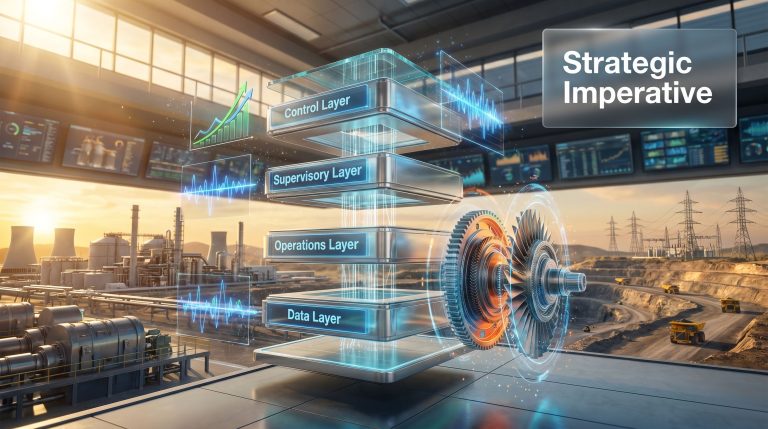
Advanced material handling systems represent a fundamental shift from component-based solutions to integrated technological platforms. These systems combine autonomous vehicle technologies, predictive analytics, and modular engineering principles to create scalable solutions that can adapt to diverse mining environments. The emergence of such technologies signals a broader transformation in how the industry approaches productivity, sustainability, and operational excellence.
When big ASX news breaks, our subscribers know first
What Is TraxIQ and How Does It Transform Mining Material Handling?
Understanding the Core Technology Architecture
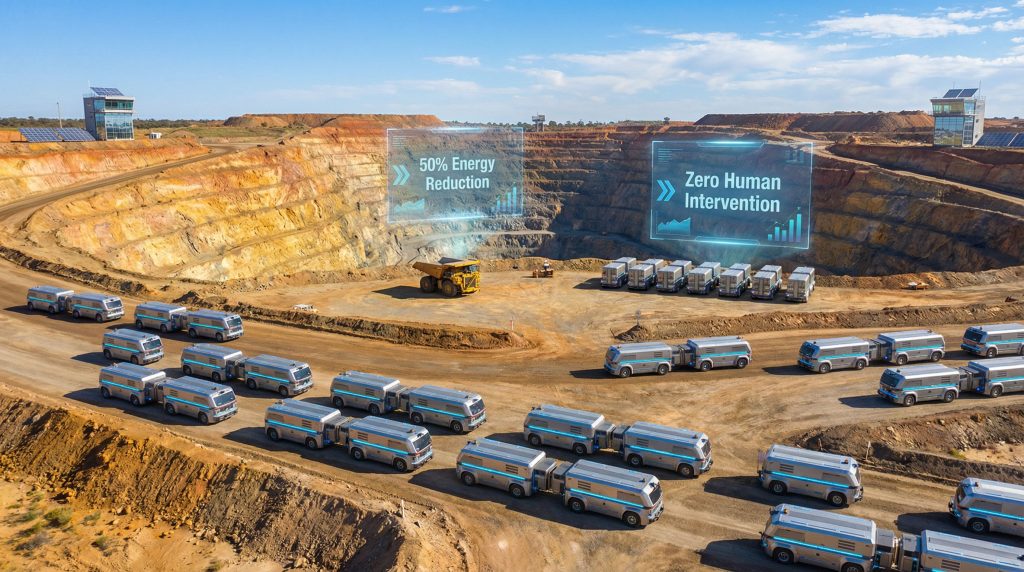
TraxIQ represents a system-level approach to material handling that integrates multiple advanced technologies into a cohesive operational platform. According to the Global Mining Review, this intelligent material handling system TraxIQ was originally developed by Anglo American and incorporates modular vehicle architecture, advanced energy-management strategies, and integrated autonomous control systems.
The modular design philosophy enables mining operations to scale their material handling capacity based on specific operational requirements. Unlike traditional fixed-configuration systems, modular architectures allow for component standardisation, simplified maintenance protocols, and future upgrade pathways without requiring complete system replacement. Furthermore, this approach aligns with broader mining evolution trends that emphasise adaptability and technological integration.
Key architectural components include:
• Autonomous control frameworks designed specifically for mining environments
• Advanced energy management systems that optimise power consumption across operations
• Scalable vehicle platforms that can be configured for different material types and volumes
• Integrated monitoring and control systems that provide real-time operational insights
System-Level Integration Benefits
The system-level approach distinguishes TraxIQ from traditional component-based solutions by creating synergies between individual elements. This integration enables predictive maintenance algorithms to optimise vehicle routing whilst energy management systems adjust power consumption based on load requirements and terrain conditions.
Mining operations utilising system-level material handling can achieve operational efficiencies that would be impossible with isolated component improvements. Consequently, the interconnected nature of these systems creates feedback loops that continuously optimise performance across multiple operational parameters simultaneously, contributing to enhanced AI mining efficiency.
How Does TraxIQ Compare to Traditional Mining Haulage Systems?
Traditional Trucks-and-Shovels Limitations Analysis
Conventional mining operations rely heavily on truck-and-shovel methodologies that have remained largely unchanged for decades. These systems face inherent limitations in weight distribution efficiency, maintenance overhead, and human error factors that become more pronounced as mining operations scale.
Traditional haulage systems require significant human intervention for route optimisation, load balancing, and equipment coordination. This dependence on human decision-making introduces variability in performance and creates safety risks in hazardous mining environments. However, modern TraxIQ's disruptive approach to mine haulage addresses these fundamental limitations.
Operational challenges with conventional systems:
• High maintenance overhead due to component wear from repetitive heavy-load cycles
• Limited optimisation capabilities for route planning and load distribution
• Significant downtime during equipment repairs and scheduled maintenance
• Safety risks associated with human operators in dangerous mining environments
TraxIQ's Disruptive Technology Advantages
Modern intelligent material handling systems address these limitations through autonomous operation, predictive maintenance, and real-time optimisation capabilities. The Global Mining Review notes that TraxIQ is designed to support scalable deployment across diverse mining environments, suggesting adaptability that traditional systems cannot match.
| Performance Metric | Traditional Systems | Intelligent Systems |
|---|---|---|
| Energy Efficiency | Baseline consumption | Optimised power management |
| Operational Speed | Fixed cycle times | Dynamic route optimisation |
| Maintenance Model | Scheduled downtime | Predictive maintenance |
| Safety Profile | Human operator dependent | Autonomous operation |
Deployment Flexibility Across Mining Environments
Intelligent material handling system TraxIQ can adapt to both open-pit and underground mining operations through configurable hardware and software parameters. This flexibility enables mining companies to standardise their material handling platforms across multiple sites whilst maintaining operational efficiency in diverse geological and environmental conditions.
Greenfield mining projects can integrate these systems from initial development, whilst brownfield operations can implement them through phased upgrades that minimise operational disruption during transition periods. In addition, these implementations support broader digital mining transformation initiatives across the industry.
What Are the Technical Components of Intelligent Material Handling Systems?
AI and IoT Integration Framework
Modern material handling systems leverage artificial intelligence and Internet of Things technologies to create self-optimising operational networks. These frameworks enable real-time data collection, analysis, and decision-making that continuously improve system performance without human intervention.
Predictive maintenance algorithms analyse equipment performance data to identify potential failures before they occur. This proactive approach reduces unplanned downtime and extends equipment lifecycle by addressing maintenance needs at optimal intervals rather than arbitrary schedules. Moreover, advanced AI drilling automation technologies complement these material handling innovations.
Core AI capabilities include:
• Machine learning algorithms for route optimisation based on real-time conditions
• Predictive analytics for equipment maintenance scheduling
• Data analytics platforms that provide operational insights and performance trends
• Autonomous decision-making systems for load balancing and traffic coordination
Autonomous Vehicle Technologies in Mining
Autonomous vehicles in mining environments require specialised navigation systems capable of operating in complex terrain with limited infrastructure. These systems must handle obstacle detection, dynamic route planning, and coordination with other autonomous vehicles whilst maintaining safety standards.
Load balancing and weight distribution systems ensure optimal vehicle performance whilst preventing equipment damage from improper loading. Furthermore, remote monitoring capabilities enable operators to maintain oversight of autonomous operations from centralised control centres.
Modular Architecture Benefits
Modular design principles enable mining operations to customise their material handling systems based on specific operational requirements. This approach reduces initial capital expenditure whilst providing flexibility for future expansion or reconfiguration as mining operations evolve.
Modular benefits include:
• Component standardisation that simplifies inventory management and maintenance
• Scalable deployment strategies that grow with operational requirements
• Future upgrade pathways that protect technology investments
• Maintenance efficiency improvements through standardised components
How Is the Mining Industry Adopting Intelligent Material Handling?
Market Drivers for Technology Adoption
According to industry analysis, global mineral and metal demand continues to accelerate, placing the mining industry under increasing pressure to manage operational complexity whilst improving productivity, reducing emissions, and decreasing total cost per tonne. These pressures create compelling business cases for advanced material handling technologies, particularly in sectors focused on green iron production.
Labour shortages in remote mining locations further drive automation adoption as companies struggle to maintain adequate staffing levels for traditional operations. Sustainability requirements and emissions reduction mandates add additional urgency to technology adoption decisions.
Critical Success Factors for Implementation
Infrastructure compatibility assessments ensure new systems integrate with existing mining operations. Workforce training programmes prepare personnel for technology transitions whilst maintaining operational safety standards. Regulatory compliance verification confirms that automated systems meet jurisdiction-specific mining safety requirements.
Implementation Challenges and Solutions
Mining companies face significant challenges when implementing intelligent material handling system TraxIQ, including integration complexity, workforce adaptation, and initial capital requirements. However, phased implementation strategies can mitigate these risks whilst demonstrating value before full-scale deployment.
Technology partnerships between mining operators and equipment manufacturers facilitate knowledge transfer and reduce implementation risks. These collaborations enable mining companies to leverage specialised expertise whilst maintaining focus on core extraction operations.
Industry Partnership Models
The Global Mining Review reports that MMD Group plans to work with select industry partners to deliver phased pilot deployment and validation in operational environments. This collaborative approach enables risk sharing whilst accelerating technology maturation through real-world testing, as demonstrated by smart stockyard management solutions.
Pilot programme validation strategies allow mining companies to evaluate system performance in their specific operational contexts before committing to full-scale deployments. These programmes provide valuable data for optimising system configurations and training protocols.
What Role Does MMD Group Play in TraxIQ Commercialisation?
Manufacturing and Engineering Capabilities
MMD Group Limited, described as a global manufacturer of material sizing and handling systems, acquired the intellectual property rights for TraxIQ from Anglo American in April 2026. This acquisition positions MMD Group to lead the industrialisation, commercialisation, and global deployment of the technology.
The company's Centre of Excellence in the Isle of Man focuses on industrialisation and product development, utilising MMD Group's global engineering, manufacturing, and materials-handling capabilities. Martin Vorster, Group Managing Director at MMD Group, emphasised that the company's established global footprint and deep domain expertise in material handling make them well-positioned to bring this technology to market.
MMD Group's strategic advantages:
• Global manufacturing footprint for system deployment
• Established expertise in material handling and mining integration
• Centre of Excellence model for focused technology development
• Existing relationships with mining industry partners
Industrialisation Strategy and Timeline
MMD Group's approach involves phased pilot deployment and validation in operational environments, working with select industry partners to demonstrate system capabilities and refine operational protocols. This strategy reduces market entry risks whilst building credibility through proven performance.
The industrialisation process draws on MMD Group's existing manufacturing capabilities whilst adapting production processes for the unique requirements of intelligent material handling systems. Quality assurance protocols ensure that deployed systems meet the reliability standards required for continuous mining operations.
Integration with Existing Mining Operations
Compatibility assessment methodologies help mining operators evaluate how TraxIQ intelligent material handling systems can integrate with their current operational frameworks. These assessments consider infrastructure requirements, operational workflows, and training needs to develop comprehensive implementation plans.
MMD Group's material handling expertise enables them to design integration strategies that minimise operational disruption during system deployment. Performance monitoring and optimisation services provide ongoing support to ensure systems deliver expected benefits throughout their operational lifecycle.
The next major ASX story will hit our subscribers first
What Are the Future Implications for Mining Material Handling?
Industry Transformation Potential
Intelligent material handling systems have the potential to redefine productivity benchmarks across the mining industry. As these technologies mature and gain broader adoption, they may establish new operational standards that traditional systems cannot match.
Environmental impact reduction represents a significant transformation opportunity as automated systems optimise energy consumption and reduce waste generation. Safety standard improvements through reduced human exposure to hazardous environments could fundamentally change mining workforce requirements and operational protocols.
Cost structure optimisation through automated systems may enable mining operations to remain economically viable in challenging market conditions whilst maintaining competitive positioning against alternative material sources.
Technology Evolution Roadmap
Next-generation autonomous capabilities will likely incorporate enhanced artificial intelligence and machine learning integration that enables more sophisticated decision-making and operational optimisation. Sustainability features may become standard components as environmental regulations become more stringent.
Global standardisation initiatives could emerge as intelligent material handling systems gain wider adoption, potentially creating industry-wide protocols for system interoperability and performance measurement.
Technology development priorities:
• Enhanced autonomous navigation capabilities for complex mining environments
• Improved energy efficiency through advanced power management systems
• Expanded data analytics capabilities for operational optimisation
• Standardised interfaces for multi-vendor system integration
Investment and Market Opportunities
Technology licensing models may create new revenue streams for intellectual property holders whilst enabling broader industry adoption through reduced capital requirements. Equipment replacement cycles could accelerate as mining companies recognise competitive advantages from advanced systems.
Emerging markets with developing mining sectors may adopt intelligent material handling systems more rapidly than established operations, creating opportunities for technology providers to establish market presence in growing regions.
Frequently Asked Questions About Intelligent Material Handling in Mining
What makes TraxIQ different from other automated mining systems?
TraxIQ distinguishes itself through its system-level integration approach rather than focusing on individual component improvements. The modular design flexibility enables customisation for specific mining environments whilst maintaining standardised core components for efficiency and maintenance benefits.
Energy efficiency focus and scalable deployment models provide operational advantages that component-based systems cannot match. The system-level architecture creates synergies between autonomous vehicles, energy management, and operational control that optimise overall performance.
How does intelligent material handling improve mining safety?
Autonomous operation reduces human exposure to hazardous mining environments by eliminating the need for operators in dangerous locations. Predictive maintenance prevents equipment failures that could create safety risks for personnel and other equipment.
Real-time monitoring and alert systems provide early warning of potential safety issues whilst autonomous navigation systems reduce collision risks through precise coordination and communication between vehicles.
What are the key performance indicators for intelligent material handling systems?
| KPI Category | Measurement Focus | Performance Metrics |
|---|---|---|
| Operational Efficiency | Throughput and cycle time | Material moved per hour, route optimisation effectiveness |
| Cost Reduction | OPEX and CAPEX impact | Cost per tonne, maintenance expense reduction |
| Safety Performance | Incident prevention | Safety incident rates, near-miss reduction |
| Environmental Impact | Emissions and energy use | Energy consumption, carbon footprint reduction |
The Strategic Value of Intelligent Material Handling Technology
Competitive Advantage Creation
Intelligent material handling systems enable mining operations to achieve operational excellence through technology integration that competitors using traditional systems cannot replicate. Cost leadership potential in material handling creates sustainable competitive advantages that improve over time as systems optimise performance through machine learning.
Sustainability leadership positioning becomes increasingly valuable as environmental regulations intensify and stakeholders demand reduced environmental impact from mining operations. Innovation-driven market differentiation helps mining companies attract investment and partnership opportunities in competitive markets.
Implementation Considerations for Mining Companies
Technology readiness assessments help mining operators determine optimal timing for intelligent material handling system adoption based on their operational maturity and infrastructure capabilities. Investment return calculations must consider both direct cost savings and strategic benefits from improved operational flexibility.
Risk mitigation strategies should address technology adoption risks whilst ensuring operational continuity during transition periods. Change management requirements include workforce training, operational protocol updates, and performance measurement systems to track implementation success.
Mining companies evaluating intelligent material handling system TraxIQ should consider their long-term operational strategies and growth plans to ensure technology investments align with business objectives. The modular nature of these systems provides flexibility for future expansion whilst protecting initial technology investments.
Disclaimer: This article contains forward-looking statements and analysis based on current industry trends and available information. Mining technology implementations involve inherent risks and uncertainties that may affect actual performance results. Readers should conduct their own due diligence and consult with qualified professionals before making investment or operational decisions related to intelligent material handling systems.
Ready to Discover the Next Mining Technology Revolution?
Discovery Alert's proprietary Discovery IQ model delivers real-time alerts on significant mining and technology discoveries across the ASX, instantly empowering subscribers to identify actionable opportunities ahead of the broader market. Begin your 14-day free trial today at Discovery Alert and secure your market-leading advantage in the rapidly evolving mining sector.