July 27, 2026
How Are the EU and US Aligning Their Russian Oil Sanctions?
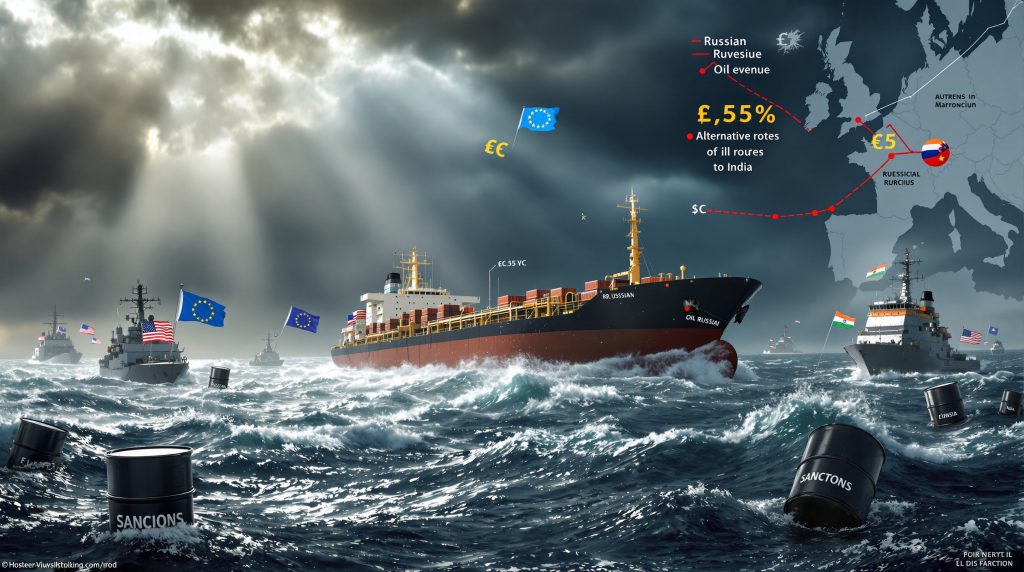
The European Union is actively developing comprehensive new sanctions targeting Russia's oil industry, with officials traveling to Washington this week for high-level coordination talks. These discussions aim to create a unified approach that maximizes economic pressure on Moscow while minimizing opportunities for sanctions evasion through carefully aligned policies.
This coordinated strategy represents a significant escalation in Western efforts to restrict Russia's oil revenue streams that fund its military operations in Ukraine. By working together on implementation timelines and technical definitions, the EU and US hope to close existing loopholes that have undermined previous sanctions rounds.
Diplomatic sources indicate that both parties recognize the need for better synchronization of their sanction regimes after previous unilateral measures proved less effective than anticipated.
When big ASX news breaks, our subscribers know first
What New Oil Sanctions Are Being Considered?
Expanded Energy Firm Targeting
The EU is weighing several options to sanction additional major Russian energy companies beyond those already restricted. This approach would target key revenue generators in Russia's petroleum sector, potentially including:
- Midstream transportation companies managing pipeline infrastructure
- Oil trading subsidiaries operating in third countries
- Financial institutions facilitating oil transactions
- Technology providers supporting Russian oil production
These measures would complement existing sanctions on major Russian energy players and create additional barriers to Russia's ability to monetize its oil resources, particularly focusing on entities involved in international trade.
Enhanced Trade Barriers and Price Cap Mechanisms
The sanctions package under consideration includes several trade restriction mechanisms:
| Proposed Measure | Potential Impact |
|---|---|
| Lower price cap on Russian crude | Further revenue reduction for Moscow |
| Expanded shadow fleet sanctions | Disruption of alternative shipping channels |
| Re-insurance restrictions | Increased risk premiums for Russian oil shipments |
| Secondary sanctions | Deterrence for third-country facilitators |
Energy market analysts note that these measures aim to create multiple barriers to Russia's ability to export oil at market prices, forcing steeper discounts and reducing overall revenue without triggering global supply disruptions.
Why Is US-EU Coordination Critical for Sanctions Effectiveness?
The Push for a United Front
Both US and EU officials have emphasized the strategic importance of a coordinated approach in public statements. Coordination is seen as essential because isolated measures have proven easier for Russia to circumvent through alternative markets and payment channels.
Industry experts point out that unilateral sanctions often create economic opportunities for third-party intermediaries, while coordinated measures close those gaps and amplify economic pressure.
Closing Implementation Gaps
Previous sanctions efforts have been undermined by several factors that coordination aims to address:
- Inconsistent enforcement between jurisdictions
- Varying technical definitions of prohibited activities
- Different timelines for implementation
- Uneven political will to absorb economic consequences
The current coordination effort aims to eliminate these gaps and create a more cohesive sanctions regime that prevents Russia from exploiting differences between US and EU approaches, with particular attention to standardizing compliance requirements for international financial institutions.
How Are Third Countries Being Affected by Russian Oil Sanctions?
India's Position in the Crosshairs
India has emerged as a focal point in the sanctions debate due to its significant increase in Russian oil purchases since 2022. Despite diplomatic pressure, Indian officials have maintained their commitment to continuing Russian crude imports, citing national energy security interests.
The sanctions impact on India includes:
- Disruption of shipping and insurance services for Russian oil deliveries
- Banking complications for oil payment settlements
- Increased scrutiny of refiners with Russian ownership stakes
- Potential secondary sanctions exposure for financial institutions
These measures have created substantial challenges for Indian refiners, with some facilities reporting operational difficulties due to supply disruptions and financing complications.
Secondary Sanctions Strategy
The coordinated approach includes an expanded focus on secondary sanctions – penalties imposed on third countries that continue significant trade with Russia. This strategy aims to:
- Create economic disincentives for purchasing Russian oil
- Establish tariff barriers that make Russian oil less competitive
- Restrict financial services for Russian oil transactions
- Limit technology transfers to Russian energy companies
Energy security analysts note that this approach represents a significant escalation from previous sanctions packages that primarily targeted direct Russian entities, potentially forcing countries like India and China to reconsider their energy relationships with Moscow.
What Has Been the Impact of Previous Oil Sanctions Packages?
Results of Recent Sanctions Measures
Recent EU sanctions packages included several oil-focused measures with mixed results:
- Price cap adjustments created compliance challenges for traders
- Sanctions on shadow fleet tankers disrupted alternative shipping routes
- Restrictions on traders of Russian crude oil complicated market access
- Targeted sanctions on specific Russian oil customers demonstrated reach
While initially dismissed by some analysts as potentially ineffective without broader support, these measures have created significant operational challenges for targeted entities, particularly those with international business interests that extend beyond Russia.
Market Price Effects
The sanctions have contributed to a complex pricing environment for Russian oil:
- Widened discount for Russian crude compared to international benchmarks
- Increased shipping and insurance costs adding to transaction expenses
- Higher banking transaction fees for Russian oil deals
- Overall revenue reduction despite maintained export volumes
Energy economists point out that these price effects have reduced Russia's oil revenue while maintaining global supply, achieving a key Western objective of limiting Moscow's war funding capabilities without triggering global energy shortages or oil price rally insights.
How Might Russia Respond to New Sanctions?
Adaptation Strategies
Russia has demonstrated several adaptation strategies to previous sanctions waves:
- Development of alternative payment mechanisms outside SWIFT
- Creation of a "shadow fleet" of tankers operating outside Western insurance
- Establishment of new trading companies in non-sanctioning jurisdictions
- Price discounting to maintain market share in receptive countries
Petroleum industry analysts suggest any new sanctions package will likely trigger further adaptations, potentially including deeper integration with Chinese financial systems and expanded barter arrangements with trading partners less susceptible to Western pressure.
Production Considerations
Russia faces difficult production decisions if sanctions tighten further:
- Maintaining production levels at reduced revenue
- Cutting production to support global prices
- Shutting in wells that may be difficult to restart
- Accelerating development of Eastern export infrastructure
These decisions carry significant long-term implications for Russia's position in global energy markets and its economic stability, with potential consequences for future production capacity if technical maintenance is deferred due to financial constraints.
The next major ASX story will hit our subscribers first
What Are the Economic Stakes for Western Economies?
European Energy Transition Acceleration
For Europe, the sanctions strategy is intertwined with broader energy transition goals:
- Accelerated phase-out of Russian fossil fuels
- Expanded renewable energy deployment
- Diversification of natural gas supplies
- Development of strategic energy reserves
Energy policy experts note this transition carries economic costs but also potential benefits through reduced dependence on volatile suppliers and accelerated climate goals achievement, potentially improving Europe's long-term energy security profile.
Global Market Stability Concerns
Western policymakers must balance sanctions pressure against global market stability:
- Preventing price spikes that could trigger recession
- Maintaining adequate global supply
- Avoiding disproportionate impacts on developing economies
- Preventing market fragmentation that undermines rules-based trade
These considerations explain the measured, incremental approach to sanctions implementation rather than immediate comprehensive bans, with careful monitoring of market reactions to each new measure.
How Will This Affect Global Oil Markets?
Supply and Demand Balancing
The sanctions strategy assumes that global markets can absorb the disruption through:
- Increased production from other suppliers
- Strategic reserve releases if necessary
- Demand moderation through price signals
- Gradual implementation timelines
Market analysts project that coordinated sanctions could reduce Russian oil exports by a significant amount, but this reduction could potentially be offset by increased production from other suppliers without triggering severe oil price crash analysis if properly coordinated.
Price Volatility Expectations
Markets will likely experience increased volatility as sanctions implementation proceeds:
- Short-term price spikes during announcement periods
- Gradual stabilization as market participants adjust
- Regional price differentials reflecting logistics changes
- Term structure shifts reflecting uncertainty about future supply
Commodity traders note these price effects will vary significantly by region, with Asian markets potentially seeing different impacts than European or North American consumers based on their exposure to Russian supplies and alternative sourcing options.
What's the Diplomatic Endgame?
Pressure for Negotiations
Western officials have explicitly linked the sanctions strategy to diplomatic objectives:
- Creating economic pressure sufficient to force Russia to negotiations
- Demonstrating Western unity and resolve
- Establishing leverage for eventual peace talks
- Imposing costs for continued military operations
International relations experts observe the sanctions are thus part of a broader strategy that includes military support for Ukraine and diplomatic isolation of Russia, designed to alter Moscow's strategic calculus regarding the conflict.
Long-term Energy Relationship Restructuring
Beyond the immediate conflict, these sanctions represent a fundamental restructuring of Russia's role in global energy markets:
- Permanent reduction in Russia's market share in Europe
- Reorientation of Russian exports toward Asia
- Decreased Western investment in Russian energy projects
- Reduced Russian influence in global energy governance
This restructuring will have lasting implications for global energy flows and geopolitical relationships well beyond the current conflict, potentially accelerating broader shifts in global energy trade patterns that were already underway.
The Path Forward for Russian Oil Sanctions
The coordinated EU and US plan coordinated action on Russian oil represents a significant escalation in Western economic pressure tactics. By aligning their approaches, closing implementation gaps, and targeting third-country facilitators, Western powers aim to maximize the impact on Russia's war-funding capabilities while minimizing disruption to global energy markets.
The success of this strategy will depend on several factors:
- Maintaining Western unity despite economic pressures
- Effectively implementing complex technical measures
- Balancing sanctions pressure against OPEC meeting impact
- Adapting to Russia's inevitable countermeasures
As these coordinated measures take effect, global energy markets will need to adjust to new trade patterns, price relationships, and supply chains that reflect the changed geopolitical landscape, with potential lasting impacts on international energy governance frameworks.
Energy security experts emphasize that the effectiveness of these sanctions will ultimately be measured not just by their economic impact on Russia, but by whether they contribute to a resolution of the underlying conflict that prompted their implementation. Furthermore, traders will need to closely monitor WTI & Brent trends and oil prices easing updates to navigate this complex market environment.
Want to Spot the Next Major ASX Resource Discovery?
Discovery Alert's proprietary Discovery IQ model instantly notifies investors about significant mineral discoveries, transforming complex mining data into actionable investment opportunities that could deliver substantial returns. Visit the Discovery Alert discoveries page to explore historic examples of how early discovery investments have yielded exceptional results for savvy investors.