August 5, 2026
The Strategic Framework Behind Nuclear Negotiations
Global energy markets remain vulnerable to geopolitical shifts that extend far beyond traditional supply and demand mechanics. In this interconnected environment, diplomatic engagements between major powers carry implications that ripple through commodity pricing, supply chain security, and international investment flows. The intersection of nuclear policy and energy market stability represents one of the most complex challenges facing international relations in the current decade.
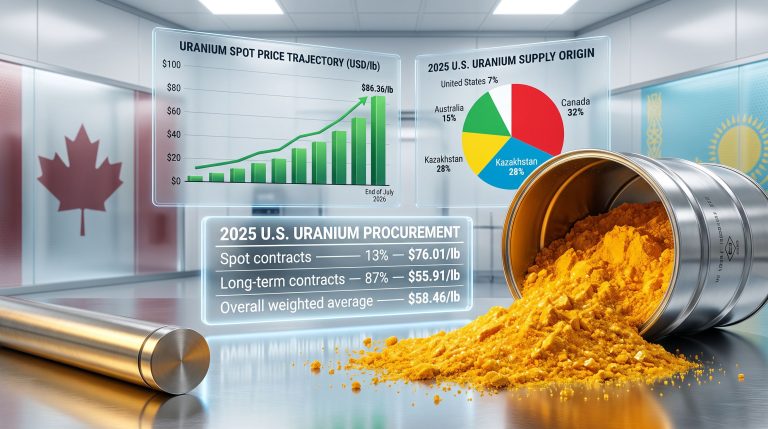
Understanding how diplomatic processes influence energy security requires examining multiple layers of economic interdependence. Regional powers often find themselves balancing domestic energy needs against broader geopolitical considerations, while international markets price in risk premiums that reflect both immediate threats and longer-term stability concerns. Furthermore, the uranium market volatility demonstrates how nuclear-related developments affect commodity pricing across multiple sectors.
The U.S.-Iran nuclear talks scheduled for 2026 emerge within this complex framework, where technical compliance issues intersect with regional security dynamics and global energy market vulnerabilities. These negotiations carry particular significance given the strategic importance of Middle Eastern energy infrastructure to global supply chains.
When big ASX news breaks, our subscribers know first
What Are the Core Nuclear Compliance Issues at Stake?
Nuclear verification frameworks involve sophisticated technical monitoring systems designed to track enrichment activities, stockpile management, and facility operations. International oversight mechanisms require real-time data collection, on-site inspections, and comprehensive accounting procedures that can verify compliance with agreed limitations.
Key Compliance Elements Include:
- Advanced centrifuge monitoring technologies
- Uranium stockpile accounting protocols
- Facility access verification procedures
- Production capacity documentation requirements
The technical complexity of nuclear verification creates inherent challenges for diplomatic negotiations. Verification systems must balance international oversight requirements with national sovereignty concerns, while ensuring that monitoring capabilities can detect potential compliance violations within acceptable timeframes.
Current enrichment activities approaching higher concentration levels trigger specific international monitoring protocols under various treaty frameworks. These thresholds are designed to provide early warning indicators for activities that could potentially support weapons development programs. However, the US Senate uranium ban illustrates how nuclear policy decisions extend beyond direct negotiations to broader supply chain considerations.
Technical Implementation Challenges
Modern nuclear facilities incorporate hardening measures and advanced security systems that can complicate verification procedures. International inspectors require specialised access protocols and technical equipment to effectively monitor complex enrichment operations across multiple facility types.
The integration of new monitoring technologies with existing verification frameworks represents an ongoing challenge for international nuclear oversight bodies. These systems must adapt to evolving facility designs while maintaining consistent verification standards across different technological approaches.
How Do Regional Security Dynamics Influence Nuclear Policy?
Middle Eastern security architecture involves multiple overlapping alliance structures, proxy relationships, and competing strategic interests that extend well beyond bilateral nuclear negotiations. Regional powers maintain complex relationships that influence their positions on nuclear issues through economic, military, and diplomatic channels.
Regional Stakeholder Considerations:
- Economic integration opportunities through sanctions relief
- Security guarantee frameworks linking compliance to stability
- Third-party mediation roles in negotiation processes
- Proxy network implications for broader regional balance
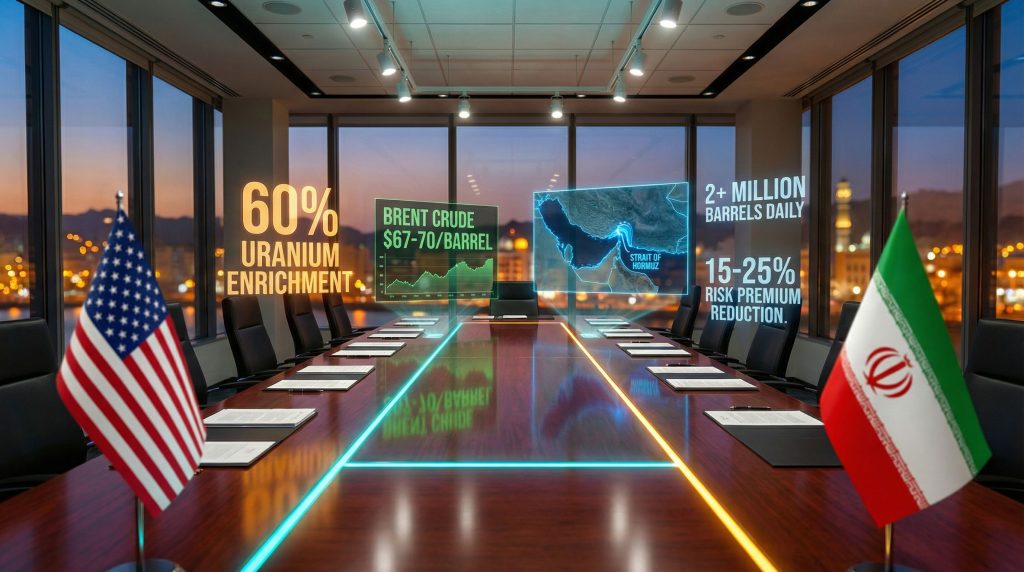
The Strait of Hormuz represents a critical chokepoint where approximately one-fifth of global oil consumption transits between regional powers. This geographic reality creates mutual economic vulnerabilities that influence negotiation dynamics, as disruptions to this transit route would impact both regional producers and global energy markets.
Major OPEC members including Saudi Arabia, the United Arab Emirates, Kuwait, and Iraq export most of their crude production through this strategic waterway. Consequently, the Saudi exploration licenses and regional production capacity developments take on heightened significance in maintaining energy security during diplomatic negotiations.
Proxy Network Implications
Regional proxy relationships add layers of complexity to nuclear negotiations by connecting compliance issues to broader security concerns across multiple conflict zones. These networks operate across Lebanon, Syria, Yemen, and Iraq, creating interconnected security challenges that extend beyond traditional nuclear diplomacy.
The resolution of nuclear compliance questions often requires addressing these broader regional security relationships, as they influence domestic political calculations and international negotiating positions for all parties involved.
What Economic Factors Drive Nuclear Negotiation Outcomes?
Energy market volatility demonstrates how geopolitical developments translate into immediate economic consequences. Oil price movements reflect market assessments of supply security risks, with specific attention to potential disruptions in critical production and transit infrastructure.
Recent Market Indicators:
| Benchmark | Current Price | Weekly Change | Key Factors |
|---|---|---|---|
| Brent Crude | $67.05/barrel | -0.74% | Diplomatic engagement signals |
| WTI Crude | $62.77/barrel | -0.82% | Reduced geopolitical tensions |
| Weekly Trend | First decline in month | -3% from January highs | Market response to talks |
Capital Economics analysts project that geopolitical risk premiums will eventually give way to fundamental supply and demand factors, with oil prices potentially declining toward $50 per barrel by end-2026. This projection reflects expectations that increased production from regions like Kazakhstan will offset geopolitical risk premiums.
Market participants price geopolitical developments through complex risk assessment models that consider both immediate supply disruption potential and longer-term stability scenarios. In addition, the gold price outlook remains closely tied to geopolitical tensions, as precious metals often serve as safe-haven assets during diplomatic uncertainties.
Sanctions Relief Economic Modelling
Successful diplomatic outcomes could potentially restore significant production capacity to global markets within 12-18 months. Economic modelling suggests that comprehensive sanctions relief could add substantial daily production volumes, though the actual timeline depends on infrastructure readiness and investment requirements.
The economic benefits of diplomatic resolution extend beyond immediate price impacts to include reduced volatility, increased investment certainty, and enhanced regional economic integration opportunities that support long-term market stability.
How Do Domestic Political Constraints Shape Negotiation Parameters?
The Trump administration's foreign policy approach emphasises what officials describe as strategic pressure combined with diplomatic engagement opportunities. This framework requires balancing domestic political constituencies with international diplomatic requirements and regional security considerations.
Congressional oversight mechanisms create specific requirements for executive branch negotiation authority, including reporting requirements, implementation timelines, and verification standards that must be incorporated into any comprehensive agreement framework. Furthermore, broader economic concerns such as US tariffs and inflation influence domestic political calculations regarding international negotiations.
Key Political Considerations:
- Executive authority limitations and Congressional approval requirements
- Domestic constituency expectations regarding negotiation outcomes
- International alliance coordination requirements
- Implementation timeline constraints
Iranian domestic political dynamics involve complex interactions between different institutional authorities, including reformist diplomatic engagement advocates and conservative security priority constituencies. These internal calculations influence negotiation flexibility and implementation capacity.
The interplay between domestic political requirements and international negotiation objectives creates inherent tensions that must be managed through careful sequencing of confidence-building measures and reciprocal commitments.
Market Impact Analysis and Investment Implications
Energy market sensitivity to geopolitical developments demonstrates the interconnected nature of international relations and global commodity pricing. Investment strategies must account for both immediate price volatility and longer-term structural changes that could result from successful diplomatic engagement.
Market Response Patterns:
- Immediate price movements reflect diplomatic signal interpretation
- Volatility patterns indicate market uncertainty regarding outcomes
- Long-term projections incorporate fundamental supply-demand factors
- Regional price differentials reflect specific supply chain vulnerabilities
Professional investment analysis suggests that successful negotiations could reduce energy market risk premiums by significant percentages while enabling increased regional production capacity that supports global supply stability.
Conversely, negotiation failures could result in increased market volatility, higher risk premiums, and accelerated diversification efforts away from Middle Eastern supply sources by major consuming regions.
Supply Chain Security Considerations
The geographic concentration of global oil production and transit infrastructure in politically sensitive regions creates ongoing supply security challenges for international energy markets. Diplomatic solutions to regional tensions provide opportunities to reduce these vulnerabilities through improved political stability and regional cooperation frameworks.
Alternative supply route development and strategic reserve management represent important risk mitigation strategies, but cannot fully substitute for political stability in major producing regions.
The next major ASX story will hit our subscribers first
Scenario Analysis: Potential Outcomes and Market Implications
Diplomatic breakthrough scenarios could enable comprehensive sanctions relief packages that restore Iranian production capacity while establishing robust verification mechanisms for sustained compliance monitoring. Such outcomes would likely reduce market risk premiums and increase global production flexibility.
Breakthrough Scenario Indicators:
- Significant reduction in energy price volatility (15-25% risk premium decrease)
- Restoration of Iranian export capacity (potentially 2+ million barrels daily)
- Enhanced regional stability through economic integration incentives
- Strengthened international non-proliferation framework precedents
Limited technical agreements focusing narrowly on nuclear compliance issues might achieve temporary stabilisation of enrichment activities while maintaining broader regional security tensions. This scenario would provide incremental progress without addressing underlying geopolitical issues.
Negotiation stalemate outcomes could result in continued enrichment acceleration, increased regional military tensions, and higher energy market volatility that affects global economic growth prospects. For instance, Iran-US nuclear talks face significant challenges that could impact global energy security.
Long-term Implications for Energy Security
Successful resolution of nuclear compliance issues through diplomatic engagement would establish important precedents for managing similar challenges with other regional powers. These frameworks could contribute to broader Middle Eastern stability that supports long-term energy market predictability.
The development of effective verification mechanisms and confidence-building measures could provide templates for addressing nuclear proliferation concerns in other regions while maintaining civilian nuclear energy development opportunities.
International Framework Coordination and Implementation
United Nations Security Council coordination ensures international legitimacy for negotiated outcomes while addressing concerns from European allies, Russia, and China regarding regional stability and nuclear non-proliferation objectives. This multilateral framework provides essential support for implementation and monitoring processes.
The 2015 Joint Comprehensive Plan of Action provides both precedent and cautionary lessons for current diplomatic efforts. Understanding implementation successes and failures from previous agreements informs current strategy development and stakeholder expectation management.
Critical Implementation Elements:
- Real-time monitoring system deployment and maintenance
- International inspector training and access protocol development
- Financial transaction monitoring for sanctions compliance verification
- Graduated response mechanisms for addressing potential violations
Modern verification technologies enable more comprehensive monitoring capabilities than were available during previous negotiation cycles, potentially addressing some technical challenges that affected earlier agreement implementation. However, recent developments show that diplomatic talks face ongoing challenges as military escalation concerns persist alongside negotiation efforts.
Future Market Development and Strategic Implications
The February 2026 diplomatic engagement represents more than traditional nuclear negotiations. These discussions constitute a critical test of international frameworks for managing nuclear proliferation, regional security competition, and energy market stability in an increasingly complex global system.
Success requires balancing technical nuclear compliance requirements with broader geopolitical realities that extend beyond bilateral relationships to encompass regional stability, international alliance structures, and global economic interdependencies.
Strategic Considerations for Market Participants:
- Long-term energy security planning must account for geopolitical development scenarios
- Investment strategies require sophisticated risk assessment models for Middle Eastern exposure
- Supply chain diversification efforts should consider both immediate and structural vulnerability factors
- Regional economic integration opportunities may emerge from successful diplomatic outcomes
The outcomes will likely establish precedents for future nuclear negotiations with other regional powers while demonstrating the effectiveness of diplomatic engagement versus pressure-based approaches in addressing proliferation challenges.
Market participants, policy makers, and regional stakeholders continue monitoring developments for signals about both immediate energy security implications and longer-term Middle Eastern stability prospects. The intersection of technical nuclear compliance issues with broader regional security concerns creates complex analytical requirements for investment and policy planning.
Consequently, the U.S.-Iran nuclear talks remain central to understanding how diplomatic engagement can address nuclear proliferation concerns while managing regional security dynamics and global energy market stability in an interconnected international system.
Investment Disclaimer: Energy market investments involve significant risk due to geopolitical volatility, regulatory changes, and supply-demand fluctuations. Market participants should conduct thorough due diligence and consider professional investment advice before making investment decisions based on geopolitical developments or diplomatic outcomes.
Looking to Capitalise on Geopolitical Energy Market Opportunities?
Discovery Alert's proprietary Discovery IQ model delivers real-time alerts on significant ASX mineral discoveries, helping investors identify actionable opportunities in uranium and energy-related companies as geopolitical developments reshape global markets. Begin your 14-day free trial today and secure your market-leading advantage in an increasingly volatile energy landscape.