May 16, 2026
OceanaGold Waihi North Project permit approval represents a significant milestone in New Zealand's mining sector evolution. Large-scale mining development represents a complex intersection of geological opportunity, regulatory frameworks, and economic timing. In New Zealand's evolving resource sector, underground operations targeting high-grade deposits have emerged as strategic alternatives to traditional open-pit development, particularly where ore body characteristics and environmental considerations favor subsurface extraction methodologies. Furthermore, the convergence of streamlined permitting processes, advanced mining technologies, and established operational infrastructure creates unique conditions for accelerated project development in jurisdictions with stable regulatory environments.
What Does OceanaGold's Waihi North Project Permit Approval Signal for New Zealand's Mining Future?
The recent approval of the OceanaGold Waihi North Project permit approval through New Zealand's Expert Panel process represents a significant milestone in the country's mining permitting insights. This approval encompasses the development of the Wharekirauponga Underground mine, located approximately 10 kilometers north of existing operations on the Coromandel Peninsula, along with comprehensive surface infrastructure expansion.
The comprehensive approval demonstrates the effectiveness of New Zealand's regulatory framework. Moreover, it signals investor confidence in the country's mining sector stability and growth potential.
Regulatory Framework Evolution Under Expert Panel Review
New Zealand's Expert Panel approach to major mining project assessment demonstrates a strategic shift toward specialised technical review processes. The government-appointed independent Expert Panel structure provides an alternative pathway to traditional resource consent procedures, potentially reducing approval timeframes while maintaining rigorous environmental and technical standards.
Consequently, the streamlined permitting approach offers several advantages for large-scale resource development. These advantages include:
• Technical expertise concentration: Panels comprise specialists in geology, environmental science, and mining engineering
• Integrated assessment methodology: Single review process covering multiple project components simultaneously
• Accelerated decision timeline: Reduced regulatory uncertainty compared to sequential consent applications
• Stakeholder engagement framework: Structured consultation processes with communities and environmental groups
In addition, this regulatory innovation positions New Zealand competitively within the Asia-Pacific mining investment landscape. This positioning is particularly advantageous for projects requiring complex infrastructure development and environmental management systems.
Economic Impact Projections for Regional Development
The Waihi North Project approval signals substantial economic investment across the Coromandel Peninsula region. Infrastructure development phases beginning in 2026 require significant workforce mobilisation, with underground tunnelling operations, bulk earthworks, and power system upgrades creating immediate employment opportunities.
However, regional economic benefits extend beyond direct mining employment:
• Infrastructure development: Power grid upgrades and transportation improvements benefit broader community
• Service sector expansion: Accommodation, catering, and technical services experience increased demand
• Skills development programs: Mining-specific training creates transferable technical capabilities
• Supply chain opportunities: Local procurement policies support regional business development
Furthermore, the integration with existing Waihi operations provides operational synergies, maximising utilisation of established processing facilities, administrative systems, and community relationships developed over decades of mining activity in the region.
When big ASX news breaks, our subscribers know first
How Will the Wharekirauponga Underground Mine Transform Gold Production Dynamics?
The Wharekirauponga deposit represents what industry experts characterise as one of the most promising high-grade underground gold opportunities in the region. Underground mining methodologies enable access to ore bodies unsuitable for surface extraction, particularly where environmental constraints or ore geometry favour subsurface development approaches.
This approach aligns with current industry evolution trends toward more sophisticated extraction methods. For instance, modern underground techniques provide greater precision in targeting mineralisation zones.
Technical Specifications and Production Capacity Analysis
Underground mining operations at Wharekirauponga will utilise established tunnelling methodologies optimised for high-grade ore extraction. The Willows portal site serves as the primary access point for underground development, with bulk earthworks scheduled for completion by Q2 2026 to enable mining contractor mobilisation.
Additionally, drilling exploration insights suggest optimal ore body characterisation for extraction planning. The technical infrastructure components include:
| System | Capacity Enhancement | Integration Benefits |
|---|---|---|
| Processing Plant Expansion | Increased throughput capability | Utilises existing infrastructure foundation |
| Water Treatment Facility | Enhanced environmental compliance | Integrated discharge management system |
| Tailings Storage System | New facility construction | Engineered containment technology |
| Power Infrastructure | Grid capacity upgrades | Supports expanded operational requirements |
Moreover, the underground mining approach offers distinct advantages over surface extraction methods, including reduced environmental footprint, weather independence, and the ability to selectively target high-grade ore zones while leaving lower-grade material in situ.
Integration with Existing Waihi Operations
Strategic integration with established Waihi operations provides significant operational and economic advantages. Shared processing infrastructure, administrative systems, and workforce capabilities reduce development costs while accelerating production timeline implementation.
Consequently, integration benefits include:
• Processing synergies: Existing plant expansion rather than new facility construction
• Operational expertise: Established workforce familiar with local conditions and regulations
• Infrastructure utilisation: Shared transportation, power, and communication systems
• Environmental management: Integrated monitoring and compliance systems
Furthermore, combined production output from both operations positions the Waihi complex as a significant gold production centre within New Zealand's mining sector, with operational continuity extending well beyond individual deposit life cycles.
What Are the Key Development Milestones and Timeline Considerations?
Project development follows a phased approach designed to manage construction complexity while maintaining operational flexibility. The approved timeline reflects coordination between underground development, surface infrastructure construction, and processing facility expansion.
Understanding the mineral exploration importance in project planning ensures optimal resource development timing.
Phase 1: Infrastructure Development (2026-2029)
Initial development phases focus on fundamental infrastructure establishment and underground access preparation. Mining contractor mobilisation in H1 2026 initiates active construction phases across multiple project components simultaneously.
| Component | Timeline | Investment Focus |
|---|---|---|
| Tunnelling Operations | H1 2026 start | Underground access development |
| Willows Portal Site | Q2 2026 completion | Bulk earthworks and site preparation |
| Power Infrastructure | 2026-2027 | Grid connection and capacity upgrades |
| Water Treatment Expansion | Q2 2026 completion | Environmental compliance systems |
However, the coordinated timeline ensures environmental management systems operate before underground development intensifies, maintaining regulatory compliance throughout construction phases.
Phase 2: Production Ramp-Up (2030-2033)
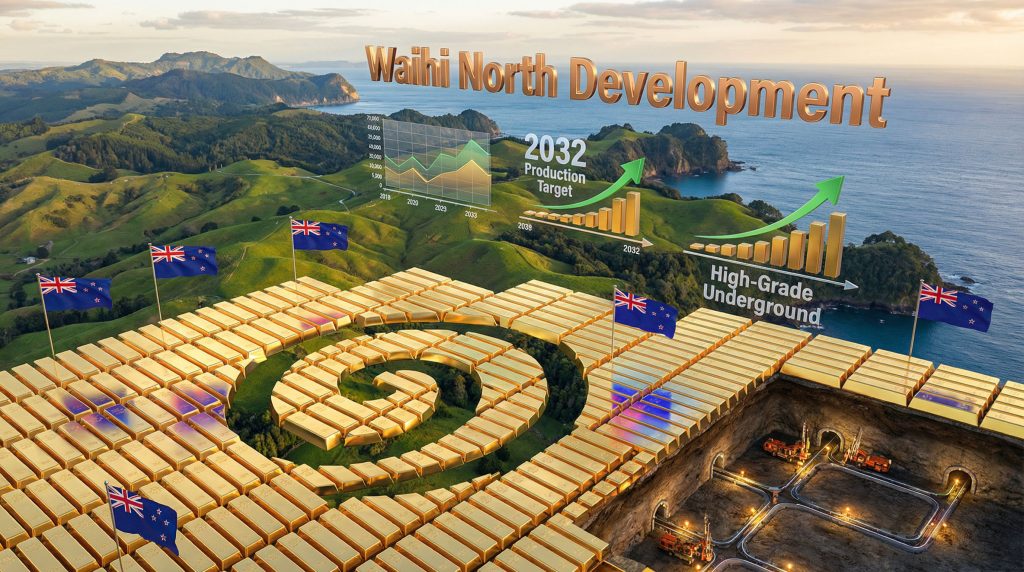
Underground mine development progresses through systematic ore body access, with processing facility commissioning and optimisation occurring parallel to mining advancement. First ore production targeting around 2032 allows for operational testing and grade reconciliation before full commercial production anticipated by 2033.
In addition, production scaling considerations include:
• Underground development sequence: Progressive ore zone access following geological priorities
• Processing facility optimisation: Equipment commissioning and throughput calibration
• Workforce development: Operational team training and certification programs
• Quality assurance protocols: Grade control and metallurgical recovery optimisation
How Does Enhanced Exploration Capacity Impact Resource Development?
The permit approval includes authorisation for significant exploration program expansion, doubling drilling capacity from three to six operational drill rigs. This enhanced exploration capability enables accelerated resource definition and conversion drilling programs throughout project development phases.
Drilling Program Acceleration Strategy
Expanded drilling capacity supports both definition drilling for ore body characterisation and conversion drilling for resource classification advancement. The strategic allocation between these drilling types optimises resource development timing while supporting ongoing mine planning activities.
Furthermore, enhanced exploration capabilities include:
• Increased drill pad authorisation: Additional permitted locations for comprehensive coverage
• Accelerated sampling programs: Higher throughput geological data generation
• Resource conversion efficiency: Systematic advancement from inferred to measured resources
• Geological modelling enhancement: Detailed structural and grade continuity assessment
Resource Extension Potential Analysis
Systematic exploration drilling targets both lateral extensions and depth continuity of known mineralisation. The Wharekirauponga deposit geological characteristics suggest potential for significant resource expansion beyond current defined boundaries.
Consequently, exploration targeting priorities include:
• Strike length extensions: Lateral ore body continuity assessment
• Depth extension potential: Down-dip mineralisation evaluation
• Structural controls analysis: Fault systems and geological relationships
• Regional exploration targets: District-scale mineralisation patterns
Moreover, the expanded drilling program supports both immediate mine development planning and longer-term resource expansion objectives, potentially extending operational life significantly beyond current projections.
What Investment and Market Implications Emerge from This Approval?
The permit approval triggers immediate capital allocation across multiple project components, with board-approved contractor selections enabling rapid mobilisation. This investment commitment signals management confidence in project economics and development timeline feasibility.
Capital Allocation and Project Economics
Project investment encompasses underground development, surface infrastructure, and processing facility expansion. The phased capital deployment approach manages cash flow requirements while maintaining development momentum across all project components.
Furthermore, investment allocation priorities include:
• Underground development: Mining contractor mobilisation and tunnelling equipment
• Surface infrastructure: Portal site preparation and utility installations
• Processing expansion: Plant modifications and capacity enhancements
• Environmental systems: Water treatment and tailings management facilities
The high-grade nature of the Wharekirauponga deposit suggests favourable project economics, though specific financial metrics await detailed feasibility study completion and public disclosure.
OceanaGold has received permit approval from New Zealand's government for this significant development project. The approval represents a major milestone for the company's expansion plans.
"The approval triggers immediate capital allocation across multiple project components, with board-approved contractor selections enabling rapid mobilisation."
Investment Disclaimer: Project economic projections depend on gold price assumptions, operational cost estimates, and geological factors that may vary from current expectations. Investors should evaluate comprehensive feasibility study data when available.
Strategic Positioning in Global Gold Markets
New Zealand's position within the Asia-Pacific gold production landscape offers strategic advantages for market access and currency considerations. The country's stable political environment and established regulatory framework provide investment security often lacking in other gold-producing jurisdictions.
However, market positioning advantages include:
• Political stability: Minimal sovereign risk compared to many gold-producing regions
• Regulatory predictability: Established environmental and operational standards
• Infrastructure access: Proximity to processing facilities and transportation networks
• Currency considerations: New Zealand dollar exposure versus USD-denominated gold sales
How Do Environmental and Community Considerations Shape Project Implementation?
Environmental compliance systems integrated into project design demonstrate proactive management of ecological and community impacts. Water treatment facility expansion and new tailings storage facility construction reflect comprehensive environmental planning throughout development phases.
Biodiversity Enhancement Programs
The project includes specific commitments to biodiversity benefits for surrounding communities, suggesting environmental offset programs and habitat enhancement initiatives. These programs often exceed regulatory requirements, creating positive environmental outcomes alongside mining operations.
Consequently, environmental management components include:
• Habitat restoration projects: Native species protection and enhancement programs
• Water quality monitoring: Comprehensive discharge management and treatment systems
• Air quality management: Dust suppression and emissions control technologies
• Noise mitigation: Underground operations reduce surface disturbance compared to open-pit mining
Community Engagement and Social Licence Maintenance
Long-term operational success requires ongoing community support and engagement throughout project lifecycle phases. The integration with existing Waihi operations provides established community relationships and local employment opportunities.
Furthermore, community benefit programs typically include:
• Local employment prioritisation: Skills development and training programs for regional workforce
• Community investment initiatives: Infrastructure improvements and social program funding
• Stakeholder consultation frameworks: Regular communication and feedback mechanisms
• Cultural heritage protection: Collaboration with indigenous groups on archaeological and cultural sites
The next major ASX story will hit our subscribers first
What Challenges and Risk Factors Could Impact Project Success?
Underground mining development involves inherent technical and operational complexities requiring specialised expertise and risk management strategies. Geological conditions, water management, and equipment logistics present ongoing challenges throughout development and operational phases.
The implementation of AI mining technology could help mitigate some operational risks through predictive maintenance and automated monitoring systems.
Technical and Operational Risk Assessment
Underground mining operations face distinct challenges compared to surface extraction methods. Ground stability, ventilation requirements, and water management create complex engineering requirements demanding continuous monitoring and adaptive management approaches.
However, key risk factors include:
• Geological variability: Ore grade consistency and structural complexity management
• Water inflow management: Groundwater control and treatment capacity requirements
• Equipment logistics: Underground machinery transport and maintenance challenges
• Skilled workforce availability: Specialised underground mining expertise recruitment
Regulatory and Market Risk Considerations
External factors beyond company control may impact project development timeline and economics. Gold price volatility, currency fluctuations, and potential regulatory changes require ongoing monitoring and risk mitigation strategies.
Moreover, market-related risks include:
• Gold price sensitivity: Project economics dependence on commodity price assumptions
• Currency exposure: New Zealand dollar strength impact on USD-denominated revenues
• Regulatory evolution: Potential changes in environmental or operational requirements
• Supply chain disruptions: Equipment and consumables availability during development phases
How Does This Development Compare with Other Asia-Pacific Gold Projects?
The OceanaGold Waihi North Project permit approval joins a portfolio of significant gold developments across the Asia-Pacific region, each offering distinct advantages and challenges. Comparative analysis provides context for investment and strategic positioning within regional gold production markets.
Regional Competitive Analysis
| Project | Country | Production Target | Development Stage |
|---|---|---|---|
| Waihi North | New Zealand | High-grade underground | Permitted, construction starting |
| Cadia Valley Extension | Australia | Large-scale open pit | Operational expansion |
| Lihir Expansion | Papua New Guinea | Island-based operation | Ongoing optimisation |
| Duketon Gold | Australia | Multiple deposit integration | Resource development |
Strategic Advantages and Positioning
New Zealand's regulatory environment and infrastructure development provide competitive advantages over many Asia-Pacific gold projects. Political stability, established mining legislation, and proximity to processing facilities reduce development risks significantly.
Furthermore, competitive advantages include:
• Regulatory certainty: Predictable permitting processes and environmental standards
• Infrastructure access: Existing power, transportation, and processing capabilities
• Skilled workforce availability: Established mining education and training programs
• Market proximity: Efficient logistics for concentrate transport and equipment supply
What Long-Term Strategic Scenarios Could Emerge?
Project success may enable multiple expansion pathways, from additional resource development to technological advancement implementation. Understanding potential scenarios provides insight into long-term value creation opportunities and strategic development options.
Scenario 1: Accelerated Resource Expansion
Successful exploration drilling may identify significant additional resources, extending mine life and production capacity beyond current projections. Regional geological assessment suggests potential for satellite deposit development and district-scale mineralisation.
Consequently, expansion opportunities include:
• Deposit extensions: Lateral and depth expansion of known mineralisation
• Satellite development: Additional deposits within trucking distance of processing facilities
• Regional exploration: District-scale geological targeting and systematic exploration
• Underground method optimisation: Advanced mining techniques for improved recovery
Scenario 2: Technology Integration and Automation
Advancing mining technologies enable productivity improvements and operational optimisation. Underground automation, remote monitoring, and digital modelling create opportunities for efficiency gains and cost reduction.
However, technology advancement areas include:
• Autonomous equipment: Self-operating mining and transport machinery
• Digital twin modelling: Real-time operational optimisation and predictive maintenance
• Remote monitoring systems: Centralised control and safety management
• Environmental monitoring: Automated data collection and compliance reporting
Scenario 3: Regional Hub Development
Processing facility expansion may enable third-party ore treatment, creating regional service opportunities and additional revenue streams. Hub development strategies leverage existing infrastructure investments for broader regional benefit.
Moreover, hub development benefits include:
• Processing service revenue: Third-party ore treatment and concentrate production
• Shared infrastructure utilisation: Transportation, power, and administrative systems
• Regional partnership opportunities: Joint ventures and development agreements
• Community economic benefits: Expanded employment and supplier opportunities
Frequently Asked Questions About Waihi North Development
When will gold production begin at Wharekirauponga?
Underground development timeline targets first ore extraction around 2032, with commercial production anticipated by 2033. This timeline depends on successful completion of infrastructure development phases beginning in 2026, including portal site preparation, underground access development, and processing facility expansion.
Furthermore, production timeline factors include:
• Infrastructure completion: Portal site and underground access preparation
• Processing facility commissioning: Plant expansion and equipment optimisation
• Workforce development: Underground mining crew training and certification
• Regulatory compliance: Environmental system activation and monitoring
How will this impact OceanaGold's overall production profile?
The Wharekirauponga development represents significant addition to company-wide gold production capabilities. Integration with existing Waihi operations provides operational synergies while diversifying production sources across multiple ore bodies and mining methods.
However, portfolio benefits include:
• Production diversification: Multiple deposit types and extraction methods
• Operational flexibility: Underground and surface mining combination
• Geographic concentration: Shared infrastructure and workforce utilisation
• Resource base extension: Long-term production continuity beyond individual deposits
What environmental safeguards are required for the project?
Comprehensive environmental management systems include water treatment facility expansion, tailings storage facility construction, and biodiversity enhancement programs. These systems exceed minimum regulatory requirements, demonstrating proactive environmental stewardship throughout project lifecycle phases.
Moreover, environmental protection measures include:
• Water treatment standards: Advanced discharge management and quality monitoring
• Tailings containment: Engineered storage systems with multiple safety barriers
• Biodiversity programs: Habitat restoration and species protection initiatives
• Air quality management: Dust suppression and emission control technologies
The company has already begun implementing comprehensive environmental protocols in preparation for development. Official documentation shows detailed permit conditions that must be maintained throughout the project lifecycle.
"Environmental compliance requirements may evolve during project development phases. All projections assume current regulatory frameworks and may require adjustment for future regulatory changes."
The OceanaGold Waihi North Project permit approval represents a significant milestone in New Zealand's mining sector development, demonstrating successful navigation of complex regulatory processes while maintaining environmental and community standards. The project's integration with existing operations, enhanced exploration capabilities, and comprehensive infrastructure development positions it as a strategic asset within the Asia-Pacific gold production landscape. Success depends on effective management of technical challenges, market conditions, and ongoing stakeholder engagement throughout development and operational phases.
Want to Stay Ahead of the Next Major Discovery?
Discovery Alert's proprietary Discovery IQ model instantly identifies significant ASX mineral discoveries like those that could rival major projects such as the Waihi North development. Visit Discovery Alert's discoveries page to explore how subscribers gain immediate alerts on actionable opportunities, turning complex mining data into clear investment insights before the broader market catches on.