May 10, 2026
Global energy markets face unprecedented uncertainty as transit dynamics through critical maritime chokepoints continue evolving. The complex interplay between geopolitical tensions, supply chain vulnerabilities, and diplomatic negotiations creates multiple scenario pathways that could fundamentally reshape international oil futures dynamics. Understanding these potential outcomes requires examining both historical precedents and emerging strategic patterns that influence energy security frameworks worldwide.
Strategic Maritime Transit Corridors Face Renewed Scrutiny
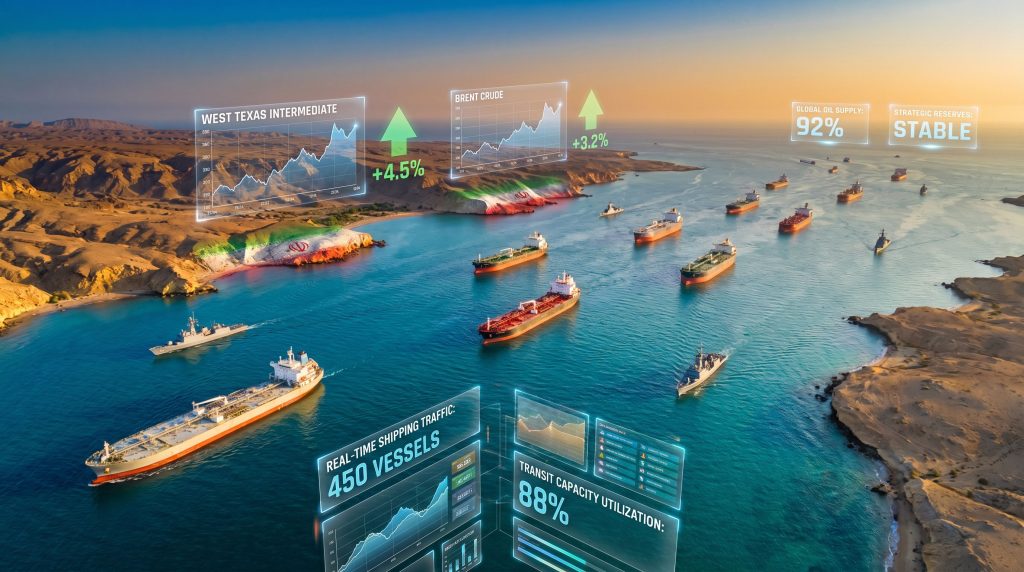
When Iran reopens Strait of Hormuz following diplomatic developments, the decision reflects calculated risk assessment amid broader regional conflict dynamics. The strategic waterway carries approximately 21% of global petroleum trade, representing roughly 21 million barrels daily through a navigable channel just 2 nautical miles wide in each direction, according to U.S. Energy Information Administration data from 2024.
Historical patterns demonstrate how maritime chokepoint control serves as diplomatic leverage. During the 1973 Arab-Israeli War oil embargo, crude prices surged approximately 400% over a relatively short period, establishing precedent for how transit disruptions translate into market volatility. The current situation echoes these dynamics while incorporating modern supply chain complexities and heightened global energy interdependence.
The timing correlation with ceasefire developments between regional parties creates a strategic opportunity window. Foreign Minister Abbas Araghchi's announcement that the waterway remains completely accessible signals Iran's calculated diplomatic positioning during a period of potential de-escalation. This approach aligns with documented patterns where initial diplomatic breakthroughs typically generate 4-12 week negotiating windows before momentum potentially dissipates, based on Carnegie Endowment analysis of historical Iran-U.S. negotiations.
Critical transit capacity metrics include:
• Supertanker (VLCC) capacity: 300,000-320,000 barrels per vessel
• Average transit duration: 12-16 hours at standard operational speeds
• Maximum daily throughput: Approximately 25-30 million barrels under optimal conditions
• LNG shipment proportion: One-fifth of global liquefied natural gas flows
Insurance frameworks reflect the elevated risk environment. During high-tension periods, Hormuz transit insurance premiums typically range from 0.5-2.0% of hull value, compared to 0.1-0.3% during normalised conditions, according to International Group of P&I Clubs documentation. These premium structures directly influence shipping company route selection and cargo booking patterns.
The mine clearance and corridor safety protocols required for full operational normalisation typically span 4-8 weeks. Commercial maritime operations through previously contested waterways require comprehensive hydrographic surveys, updated charting, and coordination through International Maritime Organisation protocols before shipping companies restore confidence in regular scheduling.
When big ASX news breaks, our subscribers know first
Energy Market Response Patterns Follow Historical Precedents
Oil price volatility demonstrates market sensitivity to supply disruption resolution. Historical analysis shows typical Hormuz-related disruptions generate $5-15 per barrel price adjustments depending on severity and duration expectations. West Texas Intermediate traded within a $68.87-$97.61 range during 2023, while Brent crude fluctuated between $68.29-$99.98, providing baseline context for current market movements and crude oil market trends.
The futures market structure shifts between contango and backwardation configurations signal trader expectations about supply normalisation timelines. Contango markets, where futures prices exceed spot prices by $0.50-2.00 per barrel monthly, indicate supply stability expectations and normal storage carrying costs. Conversely, backwardation reflects supply tightness and immediate delivery urgency.
Major Hormuz disruptions typically trigger $200-500 million daily flows into energy sector exchange-traded funds as institutional investors reposition portfolios. These capital movements create secondary effects across energy equity markets and derivative instruments, amplifying initial price signals from crude oil futures.
Supply chain recovery confidence indicators include:
• Return to 12-month forward shipping contracts versus spot-rate bookings
• Insurance premium reductions of 15-25% from crisis peak levels
• Container vessel utilisation rates exceeding 85% capacity
• Booking pattern normalisation within 3-4 weeks
The 2019 Houthi drone attacks on Saudi Aramco facilities provide relevant precedent for recovery dynamics. Oil prices initially spiked 20% in a single trading session, adding approximately $5 to WTI pricing. Complete recovery to pre-incident levels required 14-21 days, while tanker booking patterns normalised within 3 weeks and insurance premiums returned to baseline within 4-5 weeks.
Tanker market mechanics reveal the operational complexity underlying supply restoration. Very Large Crude Carriers represent the primary vessel category for Middle Eastern crude exports, with hire rates increasing $50,000-80,000 daily above baseline during elevated risk periods. The normalisation process typically spans 8-12 weeks for full rate structure recovery.
Furthermore, commercial shipping companies prioritise routes with established reliability records and comprehensive insurance coverage. The confidence restoration process follows predictable patterns: initial capacity utilisation around 40-50% during week one, advancing to 60-70% by week two, and reaching 80-95% capacity by weeks three and four.
Multiple Strategic Scenarios Create Planning Complexity
Sustained Diplomatic Engagement Pathway draws precedent from the 2015 Joint Comprehensive Plan of Action implementation. Iran's crude exports increased systematically from 400,000 barrels daily in 2013 to 2.5 million barrels daily by 2016. Corresponding Brent crude pricing declined from $110 to the $40-50 range over 24 months as additional supply entered global markets.
This scenario assumes successful ceasefire extension and meaningful progress in nuclear negotiations. Market modelling suggests Iranian export restoration to 2.0-2.5 million barrels daily could generate Brent crude equilibrium adjustment of $5-15 per barrel downward. Implementation timelines typically span 6-12 months for full diplomatic agreement execution.
The sustained engagement model requires consistent diplomatic momentum and mutual compromise on key issues including sanctions relief, nuclear programme constraints, and regional security arrangements.
Conditional Access Arrangements reflect the post-2018 U.S. exit from the nuclear agreement. Iranian crude exports remained constrained at 300,000-500,000 barrels daily during peak sanctions periods between 2019-2023. This pathway anticipates periodic access restrictions tied to broader diplomatic developments while maintaining baseline transit functionality.
Under conditional arrangements, Iranian exports might stabilise around 500,000-1.2 million barrels daily with increased shipping premium volatility of ±0.3-0.8% weekly. Market participants would adapt to ongoing cycles of 4-8 week restriction periods followed by temporary normalisation phases, particularly considering OPEC production insights and their influence on global supply dynamics.
Escalation Risk Persistence models draw from the 1990-1991 Gulf War experience when Hormuz remained technically open but transit volumes declined 60-70%. Oil prices spiked from $18 per barrel in July 1990 to over $40 per barrel by October 1990, requiring 12-18 months for complete trading pattern normalisation.
This scenario assumes current reopening proves temporary, with closure resuming within 8-12 weeks. Market impacts would include extended backwardation in futures markets, strategic petroleum reserve drawdown discussions, and acceleration of alternative route development requiring 18-36 months for substantial infrastructure establishment. Additionally, this could trigger significant trade war oil impacts as nations scramble to secure alternative supplies.
Probability assessment considerations:
• Sustained engagement (25-35%): Requires consistent diplomatic momentum and compromise
• Conditional access (45-55%): Most likely given historical patterns and competing interests
• Escalation persistence (15-25%): Lower probability but highest market disruption potential
Regional Conflict De-escalation Creates Strategic Opportunities
The ceasefire momentum between regional parties establishes a diplomatic framework that could extend beyond immediate parties. Historical analysis indicates initial breakthroughs often create 3-4 month intensive negotiation periods before implementation agreements finalise. The current situation provides a similar opportunity structure for broader regional arrangements.
International pressure mechanisms play crucial roles in sustaining diplomatic progress. Global economic concerns over energy price volatility create incentives for major economies to support negotiation processes. OECD nations maintain strategic petroleum reserves averaging 60-90 days of net imports, but prolonged disruptions strain these buffer systems.
Strategic reserve deployment considerations:
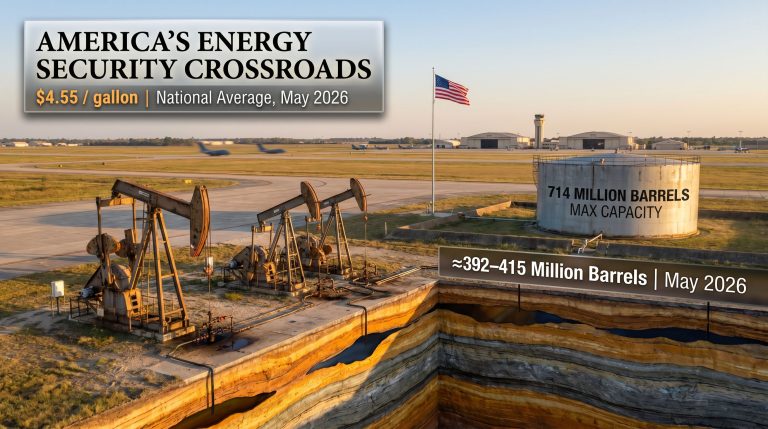
• United States: 650+ million barrel Strategic Petroleum Reserve capacity
• European Union: Combined reserves exceeding 120 million barrels
• Japan: 90-day import equivalent stockpiles
• China: Estimated 80+ day strategic reserves
Energy market stabilisation imperatives drive policy coordination efforts. Global crude demand elasticity of approximately -0.15 to -0.30 means 1% price increases correlate with 0.15-0.30% demand reductions, creating economic ripple effects beyond energy sectors. These dynamics generate political pressure for sustained diplomatic engagement.
The timing alignment between regional ceasefire developments and broader Iran-U.S. tensions creates unique negotiating leverage for all parties. Iran's transit control provides bargaining chips for nuclear negotiations, while regional stability concerns motivate international community support for comprehensive arrangements. The diplomatic breakthrough demonstrates how quickly geopolitical dynamics can shift when Iran reopens Strait of Hormuz.
Consumer market impacts amplify diplomatic incentives. Extended energy price volatility affects electoral politics in major economies, creating additional pressure for policy coordination. The interconnection between energy security and political stability motivates sustained international engagement in resolution processes.
Shipping Industry Adaptation Strategies Evolve Rapidly
Commercial maritime operators implement sophisticated risk assessment protocols when resuming operations through previously contested waterways. These frameworks incorporate mine threat evaluation, insurance coverage verification, and alternative routing contingency planning. Standard protocols require 72-96 hour advance clearance from relevant maritime authorities before transit scheduling.
Port congestion management becomes critical as traffic volumes normalise. Major Persian Gulf terminals typically operate at 85-92% capacity utilisation under normal conditions. Sudden traffic restoration can create bottlenecks requiring 2-4 weeks for throughput optimisation as port operators adjust scheduling and resource allocation.
Operational recovery timeline components:
• Week 1: Limited operations with enhanced security protocols
• Week 2-3: Gradual capacity increases as confidence builds
• Week 4-6: Near-normal scheduling with continued monitoring
• Week 7-12: Full operational normalisation and contingency planning
Insurance market dynamics significantly influence shipping company decision-making. War risk coverage requires separate policies beyond standard hull and machinery protection. Premium calculations incorporate threat assessment, vessel specifications, cargo value, and route-specific risk factors. These premiums directly affect shipping economics and route selection.
However, technology adoption accelerates during uncertainty periods. Real-time satellite tracking, automated threat detection systems, and enhanced communication protocols become standard equipment. Shipping companies invest in redundant navigation systems and emergency response capabilities to minimise operational risks.
Commercial booking patterns reflect market confidence levels. Short-term spot market rates typically dominate during initial recovery phases, gradually transitioning to longer-term contract arrangements as operational confidence returns. This evolution provides measurable indicators of market normalisation progress.
Long-term Energy Security Architecture Transforms
Supply route diversification accelerates following major disruption events. Alternative pipeline projects gain renewed political and financial support as governments recognise single chokepoint vulnerabilities. The Russia-Europe energy relationship transformation following 2022 events demonstrates how quickly established supply patterns can shift under pressure.
Major alternative route development projects:
• Trans-Caspian Pipeline: Central Asian crude to European markets
• India-Middle East-Europe Economic Corridor: Multi-modal transport integration
• African pipeline networks: Connecting internal production to global markets
• Arctic shipping routes: Seasonal alternatives with climate change implications
LNG export capacity expansion focuses on sources outside Hormuz-dependent regions. United States LNG exports increased from negligible levels in 2015 to over 100 billion cubic metres annually by 2023, demonstrating rapid infrastructure scaling possibilities. Similar expansion patterns emerge in Australia, Canada, and emerging African markets.
Strategic partnership formations create energy supply resilience frameworks. Bilateral and multilateral agreements establish preferential access arrangements, emergency sharing protocols, and coordinated stockpile management. These relationships reduce individual nation vulnerability to supply disruptions while creating mutual dependency incentives.
Regional energy hub development includes:
• Singapore: Asian trading and storage centre expansion
• Rotterdam: European distribution network optimisation
• Houston: North American export hub enhancement
• Dubai: Middle Eastern financial and logistics integration
In addition, technology integration enhances supply chain monitoring and management capabilities. Blockchain-based tracking systems, artificial intelligence-powered demand forecasting, and automated trading platforms reduce manual intervention requirements while improving response speed to disruption events.
Market structure evolution incorporates geopolitical risk factors into pricing mechanisms. Energy derivatives markets develop new instruments for hedging political risks, while spot markets adjust pricing models to reflect supply reliability assessments. These changes create more sophisticated risk management tools for market participants.
The next major ASX story will hit our subscribers first
Iran-U.S. Relations Face Critical Juncture
Transit control represents significant diplomatic leverage in broader nuclear negotiations. Iran's ability to influence global energy flows provides bargaining power that extends beyond regional issues into international sanctions discussions and economic normalisation pathways. This dynamic creates complex interdependencies between energy policy and diplomatic strategy.
Commercial interests generate powerful incentives for sustained engagement. International business communities benefit from predictable energy supply arrangements and reduced geopolitical volatility. These economic stakeholders often provide crucial support for diplomatic initiatives through lobbying efforts and political pressure on respective governments.
Key negotiation framework components:
• Nuclear programme limitations: Uranium enrichment caps and inspection protocols
• Sanctions relief timeline: Phased reduction tied to compliance milestones
• Regional security arrangements: Maritime cooperation and conflict prevention
• Economic integration pathways: Trade normalisation and investment frameworks
The mutual dependency created by global energy market integration provides stability incentives for all parties. Iran benefits from restored export revenues and international market access, while consuming nations gain supply security and price stability. These shared interests create foundations for sustained cooperation despite political differences.
International community support enhances bilateral negotiation prospects. European allies, Asian trading partners, and international organisations provide diplomatic frameworks and economic incentives that facilitate comprehensive agreements. This multilateral dimension adds credibility and enforcement mechanisms to bilateral commitments.
Consequently, economic interdependence factors extend beyond energy sectors into technology transfer, infrastructure development, and financial market integration. Comprehensive agreements typically address multiple economic sectors to create broader stakeholder support and implementation sustainability, particularly given recent oil price crash analysis suggesting volatility continues affecting global markets.
Risk Management Framework Evolution Accelerates
Early warning systems incorporate artificial intelligence and satellite monitoring to provide real-time threat assessment capabilities. These technologies enable faster response to emerging disruptions while reducing false alarm rates that could trigger unnecessary market volatility. Investment in predictive analytics platforms accelerates across both government and private sector entities.
Financial hedging instruments evolve to address geopolitical volatility more effectively. Energy derivatives markets introduce new contract specifications for political risk premiums, regional supply differentials, and disruption probability pricing. These innovations provide market participants with more sophisticated tools for managing uncertainty exposure.
Advanced risk management components:
• Scenario-based stress testing: Regular evaluation of disruption impacts
• Dynamic hedging strategies: Automated adjustment to changing risk profiles
• Multi-source supply agreements: Diversified procurement reducing single-source dependency
• Real-time monitoring systems: Continuous threat assessment and early warning
Government stockpile management strategies become more sophisticated during supply uncertainty periods. Strategic reserve deployment decisions incorporate market timing, diplomatic considerations, and international coordination requirements. Emergency sharing agreements establish protocols for collective response to major disruptions.
Private sector inventory strategies adapt to geopolitical risk cycles through increased buffer stock levels and flexible sourcing arrangements. Companies develop supplier diversification programmes and alternative logistics networks to maintain operational continuity during disruption periods.
What Are The Long-term Implications For Global Energy Markets?
International coordination mechanisms enhance emergency response effectiveness. Multilateral agreements establish communication protocols, resource sharing frameworks, and collective decision-making processes for crisis management. These arrangements reduce individual nation vulnerability while improving overall system resilience.
The crisis-recovery cycle provides valuable lessons for future preparedness planning. Historical analysis reveals common patterns in market behaviour, diplomatic dynamics, and operational adaptation that inform improved response strategies. Continuous learning integration enhances overall system stability and resilience capacity when events like Iran reopens Strait of Hormuz occur.
For instance, the current diplomatic developments demonstrate how quickly geopolitical circumstances can shift energy market fundamentals. Market participants must maintain flexible strategies capable of adapting to rapid changes in supply availability and route accessibility.
Disclaimer: This analysis incorporates speculative elements regarding future diplomatic and market developments. Energy market investments carry substantial risks due to geopolitical volatility, and readers should conduct thorough due diligence before making financial decisions.
Looking For Energy Market Investment Opportunities?
Discovery Alert's proprietary Discovery IQ model delivers real-time alerts on significant ASX mineral discoveries, including critical energy transition metals that power the global shift towards renewable energy infrastructure. Understand why major mineral discoveries can lead to substantial market returns by exploring Discovery Alert's dedicated discoveries page, showcasing historic examples of exceptional outcomes. Begin your 14-day free trial today to position yourself ahead of the market.