
May 15, 2026
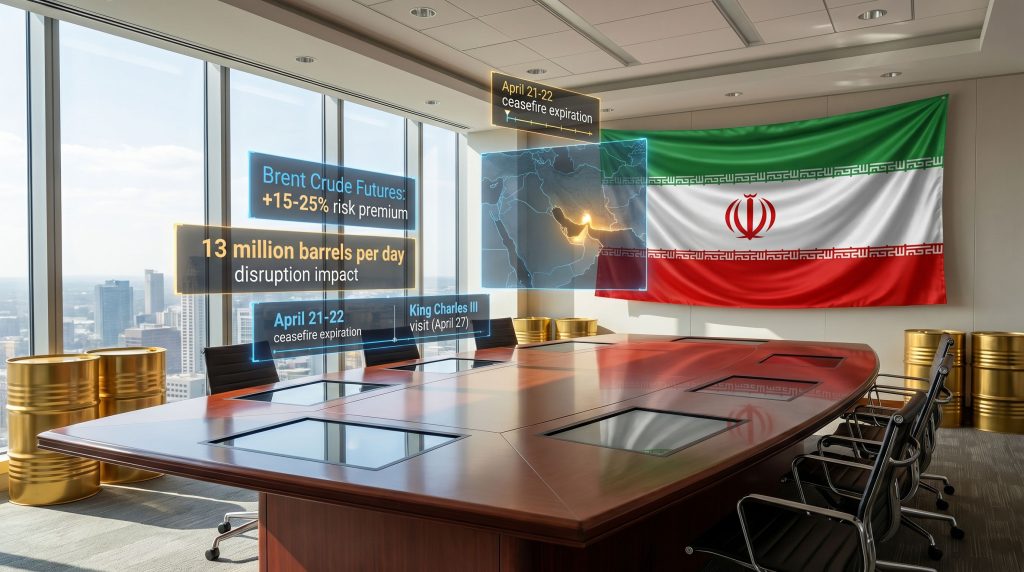
Global energy markets operate within a complex web of geopolitical pressures, where diplomatic developments can trigger immediate price volatility across commodity exchanges worldwide. The relationship between international negotiations and oil price dynamics reveals fundamental mechanisms of risk assessment that extend far beyond simple supply and demand calculations. Understanding these interconnected systems becomes essential for policymakers, investors, and energy analysts navigating an increasingly uncertain landscape where regional conflicts can disrupt global supply chains within hours. The current talks to end Iran war represent a critical juncture where diplomatic progress directly influences global energy security dynamics.
What Drives Oil Market Volatility During Geopolitical Peace Talks?
Energy markets demonstrate extraordinary sensitivity to diplomatic signals, with price movements often preceding actual supply changes by weeks or months. Recent market behaviour illustrates this phenomenon clearly: Brent crude declined $3.09 (3.11%) to $96.30 per barrel, while WTI dropped $4.01 (4.23%) to $90.68 per barrel on April 17, 2026, following diplomatic progress signals.
Price Sensitivity Mechanisms
Giovanni Staunovo, UBS analyst, noted that oil prices react very sensitively to escalation or de-escalation headlines. This binary pricing mechanism reflects how uncertainty premiums dissipate rapidly when negotiation momentum builds. The magnitude of these single-day movements (3-4% declines) suggests market elasticity of approximately 0.3-0.4 relative to ceasefire probability signals.
Furthermore, the energy security dynamics demonstrate how quickly geopolitical developments translate into market reactions. Moreover, previous episodes of oil price trade war volatility provide context for understanding current market behaviour patterns.
Risk Premium Calculations
Market participants price geopolitical uncertainty through risk premiums that can add $15-25 per barrel during escalation phases. Historical precedents provide context for current pricing:
- 2011 Libya Supply Disruption: 1.6 million barrels per day removed, generating ~$24/barrel risk premium
- 2020 Saudi Aramco Attack: 5.7 million barrels per day temporarily offline, creating $4-6 immediate spike
- Current Disruption Scale: 13 million barrels per day represents 2.3x larger disruption than previous incidents
Market Psychology Patterns
Weekly performance trajectories reveal asymmetric risk perceptions. Despite diplomatic progress, Brent futures maintained a 1.2% weekly gain while WTI futures faced a 6% weekly decline. This differential suggests localised supply improvements favour North American crude markets while global benchmarks retain elevated risk premiums.
| Market Signal | Escalation Response | De-escalation Response |
|---|---|---|
| Brent Crude Futures | +15-25% risk premium | -3-8% immediate correction |
| WTI Differential | Wider spreads to Brent | Convergence patterns |
| Volatility Index | Elevated above 30 | Normalisation below 20 |
The transcript indicates oil prices fell below $100 per barrel but remained elevated above $90, following 50% increases in March 2026. This price trajectory demonstrates how geopolitical events can create sustained elevation in energy costs even as diplomatic progress emerges.
When big ASX news breaks, our subscribers know first
What Are the Core Negotiation Framework Components?
Diplomatic frameworks addressing regional conflicts typically encompass multiple interconnected elements requiring sequential resolution. Current talks to end Iran war negotiations focus on several critical components that determine both short-term ceasefire viability and long-term stability prospects.
Nuclear Programme Restrictions
Tehran has offered not to possess nuclear weapons for more than 20 years, according to reports from U.S.-Iran diplomatic channels. This proposed restriction exceeds typical arms control timeframes when compared to historical precedents:
- Iran Nuclear Deal (JCPOA, 2015): Included 15-year enrichment restrictions
- Non-Proliferation Treaty (NPT, 1968): Indefinite restrictions with lower enforcement specificity
- Intermediate-Range Nuclear Forces Treaty (INF, 1987): Eliminated entire weapons class without time limits
The extended timeframe suggests negotiators recognise that shorter agreements historically fail to provide sufficient stability for regional de-escalation. In addition, this development represents a significant component in discussions where parties seek to establish sustainable frameworks.
Maritime Corridor Control
The Strait of Hormuz represents a critical chokepoint where 13 million barrels per day currently face disruption. ING analysts estimate this represents 54-62% of the strait's normal throughput capacity of 21-24 million barrels per day. Reopening requires complex coordination including:
- De-mining operations across shipping lanes
- Naval escort protocol establishment
- Insurance framework reconstruction
- Vessel traffic management system restoration
Regional Proxy Relationships
Israeli operations in Lebanon have created a major obstacle to securing comprehensive peace agreements. The current 10-day ceasefire between Lebanon and Israel provides a temporary framework, but Tamas Varga from PVM noted the temporary nature creates continued price support factors.
U.S. and Iranian negotiators have reportedly scaled back expectations for comprehensive peace agreements, instead seeking temporary memoranda to prevent conflict resumption. This modified approach suggests structural obstacles remain regarding proxy group management and regional security architecture.
Timeline Pressure Points
Several critical deadlines influence negotiation dynamics:
- April 21-22 ceasefire expiration: Creates decision window for conflict resumption or extension
- Weekend negotiation sessions: Provide intensive bilateral discussion opportunities
- Multinational coordination meetings: France and Britain chairing 40-nation meetings on Strait of Hormuz security
How Do Energy Supply Chain Disruptions Shape Policy Responses?
Global energy supply disruptions of the current magnitude trigger coordinated policy responses across multiple governmental and institutional levels. The 13 million barrels per day disruption represents approximately 12.7-13% of global oil supply, creating systemic challenges that require both immediate stabilisation measures and long-term structural adaptations.
Alternative Routing Strategies
Ole Hansen from Saxo Bank emphasised that normalisation remains months away, noting the complexity of getting ships into proper positions once diplomatic progress occurs. Alternative routing around the Cape of Good Hope exists but creates significant constraints:
- Transit time increases: 10-14 additional days versus 5-7 days through the Strait
- Fleet capacity requirements: Double the tanker vessels needed for equivalent throughput
- Cost premiums: 15-25% shipping cost increases based on historical routing patterns
- Throughput limitations: Cannot immediately handle full 13 mbpd displaced volume
However, these constraints highlight how the talks to end Iran war become crucial for restoring normal energy flow patterns. Consequently, alternative routing serves as temporary mitigation rather than permanent solution.
Strategic Petroleum Reserve Deployment
Government intervention mechanisms during supply crises typically involve coordinated releases from strategic petroleum reserves. Historical precedents suggest releases of 30-60 million barrels during major disruptions, though current disruption scale may require larger coordinated responses from International Energy Agency member countries.
Refined Product Market Tightening
Hansen noted that current tightness will continue to underpin refined product markets, indicating downstream constraints beyond crude availability. This suggests:
- Refinery utilisation bottlenecks: Limited capacity to process alternative crude grades
- Logistics infrastructure strain: Transportation networks struggle with rerouted supply flows
- Regional price disparities: Petrol and diesel premiums vary significantly by geographic market
- Inventory management challenges: Strategic stockpiling becomes critical for supply security
These refined product constraints often persist longer than crude oil supply disruptions, creating extended economic impacts on transportation, manufacturing, and consumer costs.
What Role Do Regional Powers Play in Mediation Efforts?
Regional powers serve as critical facilitators in complex diplomatic negotiations, leveraging geographic advantages, historical relationships, and economic interests to bridge differences between primary conflict parties. The current framework involves multiple nations coordinating both bilateral and multilateral approaches to sustainable conflict resolution.
Multinational Coordination Framework
France and Britain are chairing meetings involving approximately 40 nations focused on Strait of Hormuz security, signalling broad international concern about energy supply disruptions. This multilateral approach reflects several strategic considerations:
- Economic interdependence: Energy importing nations face significant economic risks from prolonged disruptions
- Naval capacity coordination: Multiple nations possess maritime assets required for convoy protection
- Insurance market stability: Lloyd's of London and other insurers require governmental risk-sharing frameworks
- Post-conflict reconstruction planning: Infrastructure rebuilding requires coordinated financial commitments
Furthermore, the OPEC global influence demonstrates how multilateral energy coordination extends beyond immediate crisis management to longer-term market stability considerations.
Regional Economic Concerns
Gulf Cooperation Council states face complex calculations balancing war continuation costs against stability benefits. Qatar has specifically warned of major economic downturns if conflicts persist, reflecting broader regional consensus about unsustainable economic impacts.
Key economic factors influencing regional positions include:
- Tourism revenue losses: Regional travel disruptions affect hospitality and aviation sectors
- Investment capital flight: Foreign direct investment typically declines during prolonged conflicts
- Infrastructure vulnerability: Energy and transportation networks require significant security investments
- Financial market stability: Regional stock exchanges and currency values face continued volatility
Facilitation Capacity Assessment
Successful mediation requires nations with credible relationships across conflict parties. Historical precedents suggest effective mediators typically possess:
- Geographic proximity: Understanding of regional dynamics and logistical capabilities
- Economic leverage: Trade relationships providing incentives for compromise
- Military credibility: Naval or security assets contributing to implementation frameworks
- Diplomatic experience: Previous successful conflict resolution track records
The involvement of multiple European nations alongside regional powers reflects recognition that sustainable agreements require both local knowledge and international enforcement capacity.
How Will Sanctions Relief Mechanisms Function Post-Agreement?
Sanctions relief implementation requires carefully sequenced mechanisms linking compliance verification with economic benefits restoration. Historical precedents from previous international agreements provide frameworks for understanding likely implementation approaches, though each situation requires customised verification and enforcement protocols.
Phased Implementation Structures
Effective sanctions relief typically follows graduated implementation tied to specific compliance milestones. The proposed 20-year nuclear weapon prohibition suggests a multi-phase approach where economic benefits increase proportionally with demonstrated compliance over extended periods.
Expected implementation phases include:
- Immediate humanitarian relief (0-30 days): Medical supplies, food imports, basic consumer goods
- Energy sector normalisation (30-180 days): Oil export resumption, infrastructure investment permissions
- Financial system reintegration (6-18 months): Banking reconnections, international payment system access
- Comprehensive economic integration (18+ months): Full trade normalisation, investment framework restoration
Banking System Reintegration
Reconnecting Iranian financial institutions to international banking networks presents significant technical and regulatory challenges. SWIFT messaging system restoration, correspondent banking relationship reestablishment, and anti-money laundering compliance verification require extensive coordination between multiple regulatory jurisdictions.
Moreover, successful talks to end Iran war require addressing these technical banking challenges alongside broader diplomatic objectives. Additionally, financial integration timelines often extend beyond initial ceasefire agreements due to regulatory complexity.
Energy Export Resumption
Infrastructure requirements for restoring global oil flows extend beyond diplomatic agreements to include:
- Pipeline inspection and maintenance: Ensuring transportation infrastructure integrity
- Loading terminal rehabilitation: Port facilities requiring safety certifications
- Quality assurance protocols: Crude oil grade verification and contamination testing
- Shipping insurance restoration: Marine coverage for tankers and cargo
Compensation Frameworks
Post-conflict reconstruction typically requires addressing war damage claims and infrastructure rebuilding costs. International precedents suggest compensation mechanisms involving:
- Escrow account establishment: Oil revenue percentages dedicated to reconstruction funds
- International oversight bodies: UN or multilateral organisation administration of compensation programmes
- Private sector involvement: Corporate partnership frameworks for infrastructure rebuilding
- Timeline coordination: Linking compensation payments with verification milestones
What Are the Long-term Strategic Implications for Global Energy Security?
Contemporary geopolitical disruptions accelerate fundamental shifts in global energy architecture, driving both immediate crisis responses and structural adaptations that reshape international energy relationships for decades. The current supply chain disruptions catalyse strategic reconsiderations affecting everything from infrastructure investment priorities to alliance frameworks.
Supply Chain Resilience Building
Reducing dependence on single maritime chokepoints becomes a strategic priority following disruptions of this magnitude. Alternative infrastructure development includes:
- Pipeline diversification projects: Overland routes bypassing vulnerable maritime corridors
- Strategic reserve expansion: Increased stockpiling capacity in major consuming regions
- Alternative energy acceleration: Renewable investment driven by supply security concerns
- Regional refining capacity: Distributed processing capabilities reducing transportation vulnerabilities
Investment patterns indicate a shift toward supply chain redundancy even at higher costs, reflecting lessons learned from current disruptions. The potential oil price rally under tariffs scenarios further emphasise the importance of diversified supply strategies.
Alternative Energy Acceleration
Geopolitical instability historically drives renewable energy investment by highlighting fossil fuel vulnerability. Current disruptions may accelerate several trends:
- Grid independence initiatives: Distributed generation reducing import dependence
- Electric vehicle adoption: Transportation electrification decreasing oil demand
- Industrial process modification: Manufacturing adaptations reducing energy intensity
- Energy storage deployment: Battery technology enabling renewable integration
These transitions typically accelerate during crisis periods as governments prioritise energy security alongside climate objectives.
Strategic Alliance Restructuring
Analysis of Middle East peace negotiations reveals how NATO and regional partnership evolution reflects changing security priorities where energy infrastructure protection becomes central to collective defence frameworks. The 40-nation coordination on Strait of Hormuz security suggests emerging alliance structures focused specifically on energy security.
Investment Climate Recovery Scenarios
Post-conflict economic recovery typically follows predictable patterns across multiple timeframes:
| Recovery Phase | Timeline | Key Characteristics |
|---|---|---|
| Immediate Stabilisation | 0-6 months | Oil price normalisation, shipping route reopening |
| Reconstruction Period | 6-24 months | Infrastructure rebuilding, economic reintegration |
| Long-term Recalibration | 2+ years | New security arrangements, energy partnerships |
Recovery speed depends heavily on implementation credibility and sustained political commitment across multiple national governments and international institutions. The OPEC meeting impact considerations also influence how quickly global markets can stabilise following successful diplomatic resolution.
The next major ASX story will hit our subscribers first
Frequently Asked Questions About Iran Conflict Resolution
How quickly could oil prices normalise after a peace agreement?
Historical patterns suggest 3-6 months for risk premiums to fully dissipate, based on implementation credibility and regional stability maintenance. The current disruption scale may extend normalisation timelines compared to previous conflicts due to infrastructure reconstruction requirements and insurance market restoration needs.
What happens to global energy markets if negotiations fail?
Continued disruption of 13 million barrels per day could push Brent crude above $120, triggering strategic reserve releases and accelerated recession risks. Failed negotiations typically result in expanded conflict scope, potentially affecting additional supply sources and creating compounding market instability.
How do nuclear restrictions compare to previous international agreements?
The proposed 20-year enrichment moratorium exceeds typical arms control timeframes, creating precedents for future non-proliferation frameworks. This extended duration reflects recognition that shorter agreements historically fail to provide sufficient regional stability for sustainable peace.
What infrastructure requirements exist for Strait of Hormuz reopening?
Reopening requires coordinated de-mining operations, naval escort protocols, insurance framework restoration, and vessel traffic management systems. Saxo Bank analysts estimate normalisation remains months away even after diplomatic agreements due to technical complexity and safety requirements.
How do refined product markets differ from crude oil recovery patterns?
Refined product markets typically experience longer-lasting constraints due to refinery capacity limitations, alternative crude processing challenges, and regional distribution network disruptions. Current tightness will continue underpinning petrol and diesel markets beyond crude oil normalisation.
Policy Recommendations for Stakeholders
For Energy Companies:
- Maintain flexible supply chain strategies during negotiation uncertainty periods
- Prepare rapid deployment capabilities for normalised market scenarios
- Monitor refined product margin opportunities during transition phases
- Develop alternative sourcing relationships independent of traditional supply networks
For Government Policymakers:
- Develop comprehensive contingency frameworks addressing both success and failure scenarios
- Coordinate international response mechanisms with allied nations through established channels
- Balance diplomatic support initiatives with domestic energy security priority maintenance
- Establish verification protocols linking sanctions relief to measurable compliance milestones
For Financial Markets:
- Price gradual de-escalation scenarios rather than binary success/failure outcomes
- Monitor implementation milestone progress for sustained risk reduction signal assessment
- Prepare portfolio adjustments for volatility during verification and compliance phases
- Evaluate sector rotation opportunities as geopolitical premiums normalise
For International Organisations:
- Design oversight mechanisms ensuring sustainable compliance verification across extended timeframes
- Coordinate multilateral response capabilities for both crisis management and reconstruction phases
- Develop compensation frameworks addressing war damage claims through established legal precedents
- Facilitate technical assistance programmes supporting infrastructure rebuilding and economic reintegration
Investment Disclaimer: This analysis addresses complex geopolitical scenarios involving significant uncertainty. Market projections, policy assessments, and recovery timelines represent analytical estimates based on historical precedents and current available information. Actual outcomes may differ materially from projections due to unforeseen diplomatic developments, implementation challenges, or regional escalation dynamics. Investors and policymakers should conduct independent analysis and consider multiple scenario planning approaches when making strategic decisions.
Ready to Position Yourself Ahead of Market-Moving Discoveries?
Geopolitical events can create significant volatility across global markets, but savvy investors know that major mineral discoveries often provide more predictable opportunities for substantial returns. Discovery Alert's proprietary Discovery IQ model delivers instant notifications on significant ASX mineral discoveries, transforming complex geological data into actionable investment insights that help subscribers capitalise on opportunities before broader market awareness develops. Begin your 14-day free trial today to secure your market-leading advantage in identifying the next breakthrough discovery.