
July 11, 2026
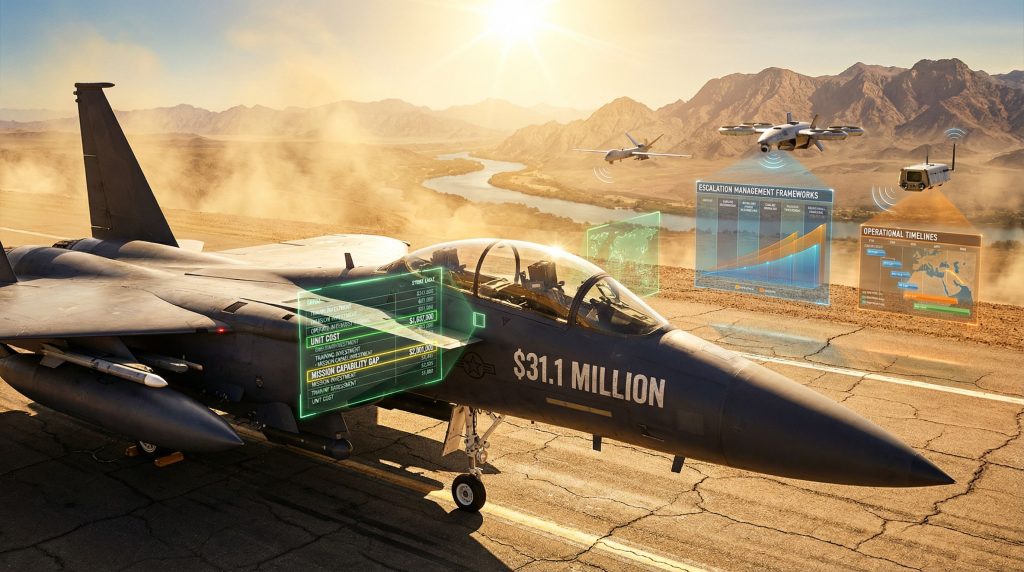
Modern military operations increasingly depend on sophisticated recovery protocols when personnel become isolated in hostile environments. The effectiveness of these systems directly impacts mission success rates and shapes broader strategic calculations. Understanding the operational frameworks that enable successful personnel recovery reveals critical insights into contemporary conflict dynamics and their far-reaching implications.
Strategic Frameworks for Personnel Recovery Operations
Modern combat search and rescue operations rely on integrated multi-domain approaches that coordinate air, ground, and cyber assets within contested environments. These frameworks have evolved significantly from traditional rescue models, incorporating real-time intelligence fusion capabilities that enable dynamic threat assessment and response adaptation.
The recent incident involving US rescues fighter pilots after Iran shoots down F-15 on April 3, 2026, demonstrates both the complexity and effectiveness of contemporary recovery operations. According to reports, Iran successfully engaged an F-15 fighter jet and caused an A-10 attack aircraft to crash near the Strait of Hormuz during the same operational period.
The subsequent rescue operations, which located and recovered both aircrew members within 48 hours, highlight the sophisticated command structures now employed for rapid decision-making in hostile territory. Furthermore, these operations showcase how modern recovery protocols adapt to challenging geographical conditions and hostile environments.
Risk Mitigation Through Advanced Positioning
Current military doctrine emphasises pre-positioning of recovery assets within theatre to minimise response times. This approach has proven particularly valuable in mountainous terrain, where traditional extraction methods face significant challenges. The successful recovery of personnel from what officials described as treacherous Iranian mountain regions demonstrates the effectiveness of forward-deployed rescue capabilities.
Communication redundancy systems have become essential components of modern SERE (Survival, Evasion, Resistance, Escape) protocols. These systems ensure isolated personnel can maintain contact with friendly forces even when primary communication channels are compromised through electronic warfare or terrain interference.
Key operational metrics include:
- Response time from initial distress signal to asset deployment
- Success rate variations across different terrain types
- Communication system reliability under jamming conditions
- Weather impact on recovery operation timelines
When big ASX news breaks, our subscribers know first
Regional Military Dynamic Adaptations
Combat losses fundamentally reshape operational approaches across multiple domains. The April 2026 incidents occurred despite previous claims that Iranian radar capabilities had been completely neutralised, indicating the adaptive nature of modern air defence systems and the need for continuous tactical evolution.
Force protection adaptations following aircraft losses typically focus on enhanced electronic warfare countermeasures and revised flight path planning protocols. However, the contradiction between claimed radar destruction and subsequent successful Iranian air defence engagement suggests sophisticated backup systems or rapid repair capabilities that influence future operational planning.
Alliance Coordination Mechanisms
Joint search and rescue capability sharing has become increasingly important in multi-national operational environments. Kuwait's experience during this period illustrates the challenges facing allied forces, with air defences intercepting over 500 drones and 300 ballistic missiles since conflict initiation on February 28, 2026.
Intelligence pooling for threat identification enables more effective coordination between allied forces, while diplomatic channels for prisoner exchange negotiations provide alternative resolution pathways when rescue operations face significant obstacles. In addition, the regional security environment demonstrates the interconnected nature of modern conflicts.
For instance, attacks on Kuwait's Mina al-Ahmadi refinery occurred multiple times within two weeks, highlighting the vulnerability of critical infrastructure during regional escalation periods.
Economic Impact Analysis of Aircraft Losses
Military aircraft losses create immediate and long-term economic implications that extend beyond direct replacement costs. Modern fighter aircraft represent substantial financial investments that affect both defence budgets and industrial production schedules, particularly when considering how tariffs impact markets during periods of increased military spending.
| Cost Category | Impact Assessment | Timeline Considerations |
|---|---|---|
| Aircraft Replacement | $31-45 million per F-15E unit | 18-36 months production cycle |
| Pilot Training Investment | $5-8 million per qualified pilot | 24-30 months training pipeline |
| Mission Capability Gap | Immediate operational reduction | 6-18 months to restore capacity |
| Insurance Claims Processing | Variable based on circumstances | 3-12 months resolution period |
Defense Industry Response Patterns
Accelerated production scheduling typically follows significant aircraft losses, though manufacturing timelines remain constrained by supply chain complexities and component availability. Critical systems require specialised materials and testing protocols that cannot be easily expedited without compromising safety standards.
Supply chain stress testing becomes essential when multiple aircraft are lost within short timeframes. The dual loss of both F-15 and A-10 aircraft on the same operational day creates compounded procurement pressures across different aircraft systems and support equipment.
Consequently, defence contractors must balance surge production capabilities with maintaining quality standards, particularly for avionics systems and flight-critical components that require extensive testing and certification procedures.
Strategic Communication During Recovery Operations
Personnel recovery operations create complex information warfare challenges that require careful balance between operational security and strategic messaging. The public announcement of successful pilot recovery serves multiple purposes beyond simple status reporting.
Real-time communications during active rescue operations must consider operational security requirements while maintaining public awareness of mission progress. The description of personnel being located in mountainous terrain while being hunted by hostile forces illustrates the dramatic nature of these operations and their potential for strategic communication impact.
Information Control Mechanisms
Media blackout protocols during ongoing rescue operations protect both the endangered personnel and the recovery teams by preventing hostile forces from gaining tactical intelligence about rescue locations and timing. Furthermore, these protocols ensure that rescued US fighter pilots remain safe throughout the extraction process.
Post-rescue messaging coordination across government agencies ensures consistent narrative presentation while supporting broader strategic objectives. The successful recovery narrative reinforces military capability demonstrations while avoiding detailed operational disclosure that might compromise future missions.
Strategic communication considerations include:
- Timing of public announcements relative to operational security
- Balance between transparency and operational protection
- International law compliance messaging
- Demonstration of commitment to personnel protection
Technological Innovation Drivers
Combat rescue scenarios consistently drive technological advancement across multiple domains. The challenging nature of personnel recovery in hostile environments creates demand for enhanced location systems, improved communication devices, and autonomous recovery platforms.
Advanced Location and Communication Systems
Satellite-based personnel tracking improvements focus on miniaturisation and signal reliability under adverse conditions. Modern tracking devices must function effectively in mountainous terrain while maintaining encryption standards that prevent hostile interception.
Biometric monitoring capabilities for injured personnel enable medical assessment teams to prioritise treatment resources and determine appropriate extraction methods based on crew member condition and mobility status. Additionally, these systems integrate with data-driven operations to optimise rescue planning and resource allocation.
Encrypted communication device development emphasises resistance to electronic jamming while maintaining battery life sufficient for extended survival periods in hostile territory.
Autonomous Recovery Platform Development
Unmanned aerial vehicle rescue capabilities represent significant advancement potential for high-risk recovery scenarios. These systems could reduce exposure of additional personnel while providing enhanced surveillance and supply delivery capabilities to isolated crew members.
AI-powered threat detection systems for recovery routes analyse multiple data sources to identify optimal extraction paths that minimise exposure to hostile forces while accounting for terrain challenges and weather conditions.
However, robotic medical stabilisation systems could provide immediate trauma care in situations where human medics cannot safely reach injured personnel, potentially improving survival rates during extended rescue operations.
Regional Power Response Frameworks
Foreign military presence in contested territory triggers predictable response patterns from regional powers that must be considered in operational planning. The Iranian success in engaging US aircraft despite previous claims of radar system destruction illustrates the adaptive capabilities of modern air defence networks.
Escalation Management Protocols
Rules of engagement modification during rescue operations requires careful balance between mission success and conflict escalation prevention. Recovery operations in hostile territory inherently increase risk of additional combat engagement and potential diplomatic complications.
Airspace sovereignty challenges become particularly complex when rescue operations cross international boundaries or occur in disputed territories. Electronic warfare deployment against rescue aircraft represents a significant threat that requires comprehensive countermeasure planning.
The pattern of attacks on Kuwaiti infrastructure demonstrates how regional conflicts expand beyond primary combatants to affect allied nations and regional stability. This expansion creates additional diplomatic and military complications for rescue operation planning.
The next major ASX story will hit our subscribers first
Strategic Planning Evolution
Long-term military planning increasingly incorporates lessons learned from personnel recovery operations to enhance future mission success rates. Training programme evolution reflects the changing nature of threats and operational environments encountered during recent conflicts.
Enhanced Training Protocols
Survival, evasion, resistance, and escape curricula must adapt to reflect contemporary threat environments, including electronic warfare capabilities and advanced surveillance technologies employed by hostile forces.
Cross-cultural competency development becomes essential for personnel operating in diverse regional environments where local population interactions may influence survival and rescue opportunities. For instance, understanding regional dynamics, such as those affecting Saudi exploration licenses, can provide valuable context for operational planning.
Psychological resilience building addresses the unique stresses of operating in hostile territory while maintaining operational effectiveness under extreme conditions.
Equipment Modernisation Priorities
Personal protection system upgrades focus on enhanced ballistic protection while maintaining mobility requirements essential for evasion activities in varied terrain conditions.
Communication device reliability improvements emphasise resistance to electronic jamming and extended battery life capabilities that support survival during extended isolation periods.
Emergency medical kit standardisation ensures consistent treatment capabilities across different operational theatres while accounting for specific regional health threats and environmental challenges.
Energy Market Impact Dynamics
Combat rescue operations occur within broader conflict contexts that significantly affect regional energy markets and global supply chains. The current conflict has already demonstrated substantial market volatility patterns linked to military escalation and infrastructure targeting.
Market Volatility Assessment
Oil price fluctuations during military escalation periods reflect both immediate supply concerns and longer-term geopolitical risk assessment. The targeting of Kuwait's refinery infrastructure, with attacks occurring multiple times within two weeks, demonstrates the vulnerability of regional energy processing capabilities.
Supply chain disruption risk extends beyond immediate combat zones to affect allied nations and neutral regional powers. Kuwait's experience with repeated infrastructure attacks illustrates how conflicts expand beyond primary combatants to create broader economic implications.
Strategic petroleum reserve considerations become critical when major supply routes face disruption. The Strait of Hormuz closure threat directly impacts global energy flows and creates pressure for alternative supply arrangements and route development.
Infrastructure Protection Strategies
Critical facility hardening against asymmetric attacks has become essential for maintaining energy supply continuity during regional conflicts. The repeated targeting of Kuwaiti refineries demonstrates the effectiveness of asymmetric tactics against high-value infrastructure targets.
International energy cooperation mechanisms during conflicts provide alternative supply pathways when primary routes become unavailable or unsafe for commercial shipping operations. Furthermore, considerations regarding uranium import ban policies add complexity to global energy security planning.
The exemption granted to Iraqi oil shipments through the Strait of Hormuz illustrates how energy diplomacy can create selective access arrangements that serve broader strategic objectives while maintaining economic relationships.
Operational Intelligence Integration
Future mission success increasingly depends on sophisticated intelligence integration that combines multiple data sources to optimise rescue operation planning and execution. Predictive analytics applications enable more effective resource allocation and timing optimisation for personnel recovery missions.
Advanced Analytics Applications
Weather pattern analysis for optimal recovery timing considers both immediate meteorological conditions and forecast trends that affect aircraft performance and ground visibility conditions essential for successful extraction operations.
Enemy response time modelling analyses historical patterns and current intelligence to predict hostile force reaction capabilities and optimal timing windows for rescue operations in contested territory.
Resource allocation optimisation algorithms balance available assets against mission requirements while considering risk factors and alternative extraction methods based on evolving operational conditions.
Lessons Integration Protocols
After-action review standardisation ensures consistent analysis methodology across different operational theatres and mission types, enabling effective knowledge transfer and tactical improvement implementation.
Best practice dissemination across military branches prevents isolation of valuable tactical knowledge within individual service components, improving overall personnel recovery effectiveness through shared learning.
Allied force coordination improvement protocols address the challenges identified during joint operations, particularly regarding communication interoperability and command structure integration during time-critical rescue missions.
Disclaimer: This analysis is based on publicly available information and should not be considered as official military doctrine or operational guidance. Future conflict scenarios involve inherent uncertainty, and actual operational outcomes may differ significantly from analytical projections. Readers should consult official defence policy sources for authoritative information regarding military planning and strategic assessment.
Are You Tracking Military Defence Sector Investment Opportunities?
Geopolitical tensions and defence spending increases create significant opportunities in military technology companies and defence contractors across the ASX. Discovery Alert's proprietary Discovery IQ model delivers real-time alerts on significant mineral discoveries that often support defence industry supply chains, instantly empowering subscribers to identify actionable opportunities ahead of the broader market with advanced morning AI trade alerts.