May 22, 2026
Understanding the Platinum Investment Surge: Market Psychology and Portfolio Dynamics
Investment psychology reveals fascinating patterns when markets shift, and platinum's recent surge exemplifies how contrarian thinking drives portfolio allocation decisions. The phenomenon of investors showing interest in platinum reflects a sophisticated understanding of market fundamentals and diversification strategies. While mainstream investors chase momentum in popular assets, sophisticated market participants increasingly recognize platinum's unique positioning as both an industrial commodity and store of value.
The current investment landscape presents compelling psychological drivers for platinum allocation. Supply constraints from South African mining operations, combined with platinum trading at significant discounts to gold despite being approximately 30 times rarer, create what behavioral economists term a "value opportunity signal" that resonates with contrarian investors.
Moreover, the evolving critical minerals strategy landscape has positioned platinum as an essential component for future industrial applications. This strategic importance further reinforces why investors showing interest in platinum are making calculated long-term decisions.
What's Driving the Platinum Investment Renaissance?
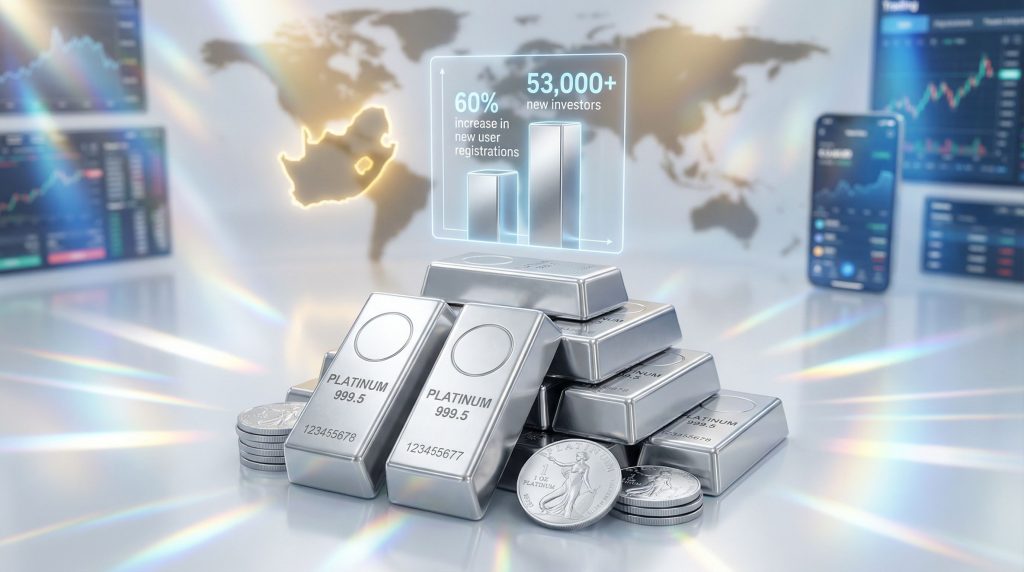
Digital trading platforms report unprecedented growth in platinum investment activity, with more than 53,000 new users joining precious metals platforms in 2025, representing a 60% increase compared to 2024. This surge reflects several psychological and practical factors reshaping investor behavior.
The contrarian value proposition proves particularly compelling when examining historical price relationships. Platinum's current spot price of $2,710 per troy ounce as of January 2026 maintains substantial discounts to gold, creating entry opportunities that appeal to value-oriented investors seeking asymmetric risk-return profiles.
Furthermore, supply deficit psychology plays a crucial role in investment decision-making. South Africa's dominance in platinum production, accounting for approximately 70% of global supply, creates geographic concentration risks that investors interpret as potential upside catalysts.
Mining operational challenges, including labour disputes, energy costs, and regulatory compliance, contribute to supply constraint narratives that influence long-term investment positioning. The mining industry evolution demonstrates how these factors continue to shape market dynamics.
The rise of digital platform accessibility has democratised platinum investment, removing traditional barriers such as minimum order quantities, storage logistics, and dealer relationships. Modern platforms integrate real-time pricing, secure vault storage, and simplified transaction processes that appeal to both institutional and retail investors.
Additionally, portfolio diversification imperatives drive sophisticated investors toward platinum's hybrid characteristics as both industrial commodity and precious metal. This dual nature provides exposure to economic growth through industrial demand while maintaining precious metal qualities during economic uncertainty.
Why Are Investors Choosing Physical Platinum Over Paper Assets?
Investment psychology research reveals strong preferences for tangible asset ownership, particularly during periods of monetary policy uncertainty and geopolitical tension. Physical platinum ownership satisfies psychological needs for control and security that paper-based investments cannot replicate.
The Physical Preference Phenomenon reflects deeper investor psychology beyond simple asset allocation. Ownership of physical platinum provides psychological comfort through direct possession, eliminating counterparty risks associated with ETFs, mining stocks, or derivative instruments.
Modern storage and trading solutions address traditional obstacles to physical precious metals ownership. Digital platforms now offer:
- Secure vault partnerships with established precious metals custodians
- Integrated insurance coverage protecting against theft, loss, and damage
- Real-time portfolio management through mobile and web interfaces
- Flexible liquidity options enabling partial sales and position adjustments
Consequently, liquidity considerations vary significantly across investment vehicles. While platinum ETFs offer high liquidity through stock exchange trading, physical platinum provides moderate liquidity through global dealer networks, with settlement typically occurring within 1-3 business days for standard products.
| Investment Type | Liquidity | Storage Requirements | Annual Costs | Market Access |
|---|---|---|---|---|
| Physical Bars/Coins | Moderate | Secure storage needed | 0.5-1.5% | Global dealers |
| Platinum ETFs | High | None | 0.4-0.6% | Stock exchanges |
| Mining Stocks | High | None | Variable | Global markets |
Storage and insurance dynamics require careful cost-benefit analysis. Private vault storage typically costs 0.5% to 1.5% annually, while insurance premiums range from 0.1% to 0.3% of asset value. These costs must be weighed against the psychological and strategic benefits of direct ownership.
Investors consistently favour recognised mint products and simple formats, particularly in platinum markets. This preference reflects risk management psychology, where brand recognition and standardisation reduce liquidity concerns and authenticity risks during eventual sales transactions.
When big ASX news breaks, our subscribers know first
Market Psychology Behind Platinum's Investment Appeal
Platinum's unique market position creates compelling psychological appeal for investors seeking exposure beyond traditional precious metals. Understanding these psychological drivers provides insight into allocation decisions and timing considerations.
How Does Platinum's Dual Nature Influence Investment Decisions?
The intersection of industrial utility and precious metal characteristics creates distinctive investment psychology around platinum allocation. Unlike gold, which serves primarily as a monetary store of value, platinum's industrial applications provide fundamental demand floors that appeal to value-oriented investors.
Industrial Demand vs. Precious Metal Status creates unique psychological comfort for investors concerned about speculative asset valuations. Platinum's role in automotive catalytic converters, chemical processing, and emerging hydrogen fuel cell applications provides tangible utility that supports long-term value propositions.
Automotive sector dependencies generate predictable demand patterns that sophisticated investors incorporate into valuation models. Global automotive production requires consistent platinum allocation for catalytic converter manufacturing, creating baseline demand independent of investment sentiment fluctuations.
However, hydrogen economy potential represents a significant psychological driver for forward-looking investors. Fuel cell catalyst applications position platinum as a critical material for energy transition technologies, appealing to investors seeking exposure to long-term structural trends.
Jewellery market dynamics vary significantly across cultural regions, with Asian markets demonstrating stronger cultural affinity for platinum compared to Western markets. This geographic demand diversity provides psychological comfort through market diversification.
"Platinum's industrial applications create demand floors that pure precious metals lack, appealing to investors seeking fundamental value support beyond monetary policy and sentiment-driven factors."
Investment demand fluctuations correlate with economic cycles differently than pure precious metals. During economic expansion, industrial demand growth supports prices, while during contractions, safe-haven investment demand provides downside protection.
What Role Does Supply Constraint Psychology Play?
Geographic Concentration Risks create powerful psychological narratives that influence investment behaviour. South Africa's dominance in platinum production generates supply vulnerability perceptions that drive strategic allocation decisions.
Mining operational challenges encompass multiple risk factors that investors monitor closely:
- Labour Relations: Historical strike activity in South African platinum mines creates supply disruption risks
- Energy Costs: Electricity constraints and costs impact mining profitability and production capacity
- Regulatory Environment: Mining licence requirements and environmental regulations affect operational flexibility
- Infrastructure Limitations: Transportation and processing capacity constraints limit production scalability
Above-ground stock depletion represents a less visible but psychologically significant factor. Unlike gold, which accumulates in central bank reserves and private holdings, platinum consumption in industrial applications permanently removes material from available supply.
Furthermore, recycling limitations contribute to supply constraint psychology. While automotive catalytic converters can be recycled, collection and processing infrastructure limitations prevent complete recovery of platinum content, creating structural supply deficits over time.
The combination of concentrated production geography, operational challenges, and limited recycling creates compelling supply constraint narratives that appeal to investors seeking assets with potential supply-demand imbalances. Such market conditions often drive commodities market volatility, requiring sophisticated hedging strategies.
Investment Strategies and Portfolio Integration
Strategic platinum allocation requires understanding both traditional portfolio theory and the unique characteristics that distinguish platinum from other precious metals and commodities.
How Should Investors Approach Platinum Allocation?
Strategic Portfolio Positioning begins with risk-adjusted position sizing appropriate for individual investment objectives and risk tolerance. Financial advisers typically recommend 5-10% total precious metals allocation within diversified portfolios, with platinum representing 20-30% of precious metals exposure.
Correlation analysis reveals platinum's distinctive behaviour compared to other assets:
- Gold Correlation: Moderately positive during crisis periods, lower during normal market conditions
- Silver Correlation: Higher correlation due to industrial demand similarities
- Equity Correlation: Variable based on economic cycle phase and industrial demand trends
- Currency Correlation: Inverse relationship with US dollar, though less pronounced than gold
For investors seeking comprehensive guidance, investment strategy insights provide valuable frameworks for incorporating platinum into broader portfolio allocation decisions.
Dollar-cost averaging strategies prove particularly effective for platinum investment given the metal's volatility characteristics. Regular purchase schedules help smooth entry prices and reduce timing risk associated with platinum's price fluctuations.
Rebalancing triggers should account for platinum's higher volatility compared to gold:
- Percentage Deviation: Rebalance when platinum allocation exceeds target by 25% or more
- Time-Based: Quarterly or semi-annual rebalancing regardless of percentage deviation
- Volatility-Adjusted: More frequent rebalancing during high volatility periods
- Correlation Shifts: Rebalance when correlations with other assets change significantly
Risk Management Considerations
Volatility characteristics require careful consideration in portfolio construction. Platinum typically exhibits 30-40% higher volatility than gold, with larger price swings during both up and down movements.
Liquidity planning becomes crucial for physical platinum holdings. Investors should maintain 10-15% of precious metals allocation in more liquid forms (ETFs or smaller denominations) to accommodate potential liquidity needs without forced sales of physical holdings.
Storage security protocols require systematic approach:
- Geographic Diversification: Split holdings across multiple secure locations
- Insurance Documentation: Maintain current appraisals and coverage verification
- Access Procedures: Establish clear protocols for accessing physical holdings
- Emergency Planning: Develop contingency plans for accessing holdings during crisis situations
Tax implications vary significantly by jurisdiction and investment structure. Capital gains treatment, collectibles taxation, and reporting requirements differ between physical holdings, ETFs, and mining stocks.
Digital Platform Revolution in Precious Metals
Technology transformation in precious metals investment has democratised access while maintaining security and authenticity standards that institutional investors require.
What's Changing in Online Platinum Investment?
Platform Innovation Trends reflect broader financial technology developments adapted for precious metals markets. User experience improvements focus on simplifying complex processes while maintaining sophisticated functionality for advanced investors.
Security enhancements incorporate multiple layers of protection:
- Multi-factor Authentication: Biometric and hardware token integration
- Blockchain Verification: Transaction immutability and audit trails
- Insurance Integration: Seamless coverage from transaction to storage
- Regulatory Compliance: KYC/AML procedures integrated into user onboarding
Global accessibility enables cross-border investment and storage, allowing investors to diversify geographically while maintaining convenient access to holdings. Currency conversion, international shipping, and regulatory compliance are handled transparently.
Educational resources play crucial roles in investor onboarding and retention. Platforms provide:
- Market Analysis: Regular reports on supply-demand fundamentals
- Portfolio Tools: Risk assessment and allocation optimisation
- Storage Education: Vault selection and security procedure guidance
- Tax Planning: Jurisdiction-specific guidance on regulatory compliance
How Do Digital Platforms Address Traditional Barriers?
Accessibility Solutions eliminate historical obstacles to precious metals investment:
Lower minimum investments through fractional ownership options enable portfolio diversification with smaller capital allocation. Investors can purchase platinum in increments as small as 1/10th ounce, reducing barriers to entry.
Transparent pricing integration with real-time spot markets eliminates dealer markup opacity. Investors see live pricing with clearly disclosed fees and can execute transactions at fair market value.
Additionally, investors seeking broader market exposure can explore ETC investment guide options that complement direct platinum holdings.
Automated storage partnerships with established vault operators provide institutional-grade security without requiring individual investor arrangements. Professional storage, insurance, and handling are included in transparent fee structures.
Mobile optimisation enables portfolio management and transaction execution from anywhere, with full functionality available through smartphone applications.
The convergence of technology and precious metals creates investment accessibility previously available only to institutional investors, while maintaining security and authenticity standards required for wealth preservation strategies.
Future Outlook and Investment Implications
Long-term platinum investment success requires understanding emerging trends that will shape supply-demand dynamics over the next decade.
What Trends Will Shape Platinum Investment Demand?
Emerging Market Drivers present both opportunities and challenges for platinum investors:
Green technology adoption accelerates across multiple sectors. Hydrogen fuel cell development for transportation, industrial processes, and energy storage creates new demand categories with significant growth potential.
Electric vehicle transitions present complex implications for platinum demand. While reducing traditional automotive catalyst requirements, increased electric vehicle adoption drives demand for charging infrastructure and industrial applications requiring platinum-group metals.
Consequently, Chinese investment patterns increasingly influence global platinum markets. Industrial demand growth, combined with investment diversification away from traditional assets, creates new demand sources that affect global pricing dynamics.
Monetary policy impacts on precious metals remain significant considerations. Interest rate sensitivity affects platinum differently than gold due to industrial demand components, creating opportunities for sophisticated investors to exploit policy-driven price dislocations.
Supply-Side Developments require monitoring across multiple dimensions:
Mining project pipelines show limited new production capacity coming online over the next 5-7 years. Capital allocation toward platinum mining remains constrained due to price volatility and operational risks.
Recycling technology advances may increase secondary supply availability, though current recovery rates remain well below theoretical maximums. Investment in recycling infrastructure could alter supply-demand balances over time.
Geopolitical considerations affecting South African production create ongoing supply risk premiums. Trade policy changes, mining regulations, and political stability directly impact global platinum availability.
Furthermore, environmental regulations increasingly constrain mining operations while simultaneously driving demand for clean technology applications requiring platinum. This creates complex supply-demand dynamics that sophisticated investors must navigate.
How Should Investors Position for Long-Term Trends?
Strategic Considerations for long-term platinum investment positioning:
Technology disruption monitoring requires systematic tracking of industrial applications and potential substitution risks. Advances in catalyst technology, fuel cell efficiency, and alternative materials could significantly impact future demand.
Macro-economic correlation tracking helps optimise platinum allocation timing. Understanding how platinum responds to inflation, currency movements, and economic cycles enables tactical allocation adjustments.
Supply chain diversification beyond South African production remains limited but should be monitored. Development of new mining regions or recycling capacity could alter geographic concentration risks.
Exit strategy planning requires liquidity timeline considerations. Physical platinum holders should maintain flexibility for partial position liquidation without forcing disadvantageous timing decisions.
The next major ASX story will hit our subscribers first
Frequently Asked Questions
Is platinum a better investment than gold?
Platinum offers different risk-return characteristics than gold, with higher industrial demand exposure but greater price volatility. It's best viewed as a portfolio diversifier rather than a gold replacement, providing exposure to economic growth through industrial demand while maintaining precious metal qualities during uncertainty.
How much platinum should be in an investment portfolio?
Financial advisers typically suggest 5-10% precious metals allocation within diversified portfolios, with platinum representing 20-30% of that allocation. This provides meaningful exposure while limiting concentration risk from platinum's higher volatility characteristics.
What are the main risks of platinum investment?
Key risks include industrial demand volatility tied to automotive and manufacturing cycles, South African supply concentration creating geopolitical risks, higher price volatility than gold, and potential technology substitution in key industrial applications. These risks must be balanced against platinum's scarcity and dual-use characteristics.
How does platinum perform during economic recessions?
Platinum exhibits mixed performance during economic downturns due to its dual nature. Industrial demand typically declines, creating downward pressure, while safe-haven investment demand provides some support. Historical performance varies based on recession severity and duration.
Are there tax advantages to physical platinum ownership?
Tax treatment varies significantly by jurisdiction. In some countries, physical precious metals qualify for capital gains treatment rather than ordinary income, potentially providing tax advantages. Investors should consult qualified tax professionals for jurisdiction-specific guidance.
The growing phenomenon of investors showing interest in platinum reflects sophisticated understanding of market dynamics, supply constraints, and portfolio diversification benefits. As highlighted by recent analysis, online investment platforms are experiencing unprecedented growth in platinum-related activity.
Success requires balancing the metal's industrial demand drivers with its precious metal characteristics, while leveraging digital platforms for efficient access and management. For those considering multiple investment approaches, understanding the various options available becomes crucial for making informed decisions.
As global uncertainty continues driving investors showing interest in platinum toward real assets, platinum's unique positioning as both industrial commodity and store of value creates compelling opportunities for strategic portfolio allocation.
Disclaimer: This analysis is for educational purposes only and does not constitute investment advice. Precious metals investments carry risks including price volatility, storage costs, and liquidity considerations. Investors should conduct thorough research and consult qualified financial advisers before making investment decisions.
Want to capitalise on the next major mineral discovery?
Discovery Alert's proprietary Discovery IQ model instantly alerts investors to significant ASX mineral discoveries, turning complex mineral data into actionable insights for both short-term traders and long-term investors. Begin your 30-day free trial today to position yourself ahead of the market and explore why historic discoveries can generate substantial returns by visiting Discovery Alert's dedicated discoveries page.