May 15, 2026
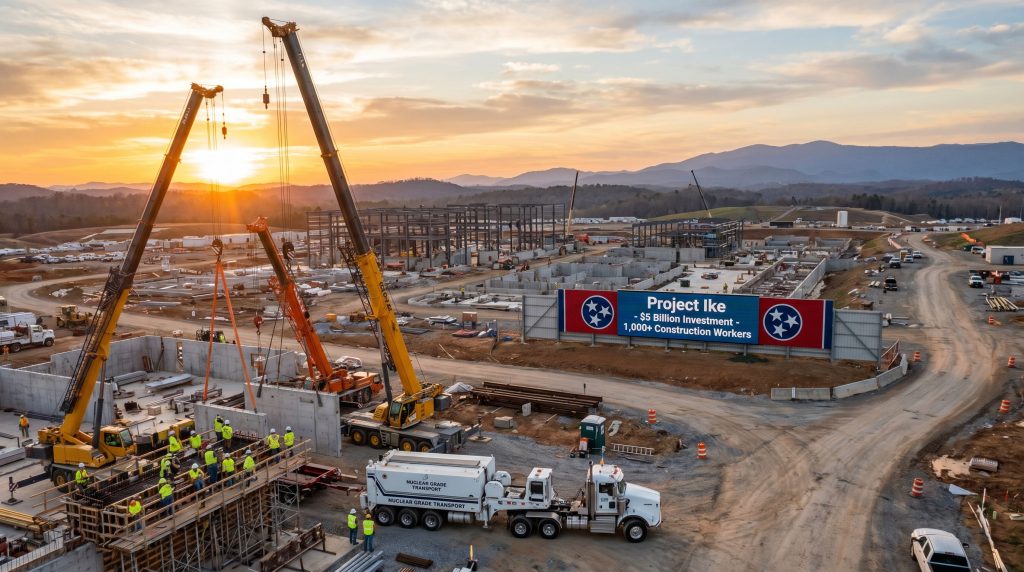
The construction of uranium enrichment facilities represents one of the most complex undertakings in modern nuclear infrastructure development. Project Ike construction demonstrates the intricate coordination required between engineering excellence, regulatory compliance, and advanced manufacturing capabilities. Furthermore, the sophisticated nature of centrifuge-based enrichment technology demands unprecedented precision in both design execution and operational implementation, making successful uranium enrichment facilities among the most challenging nuclear infrastructure developments worldwide.
What Makes Modern Uranium Enrichment Infrastructure So Complex?
The technical specifications for contemporary uranium enrichment facilities represent decades of engineering advancement. Project Ike construction embodies the latest developments in centrifuge technology deployment across massive industrial footprints. These facilities must accommodate thousands of centrifuge units arranged in carefully designed cascade configurations whilst maintaining exceptional operational precision.
Advanced centrifuge systems operate under extreme conditions, with rotor assemblies spinning at speeds exceeding 50,000 revolutions per minute. Consequently, the construction process must account for vibration isolation systems, electromagnetic interference shielding, and contamination prevention measures that exceed standards required for most industrial facilities. Understanding permitting fundamentals becomes crucial for navigating the complex regulatory landscape surrounding such sophisticated nuclear infrastructure.
The scale of modern enrichment facilities reflects the capital-intensive nature of uranium fuel cycle infrastructure. Project Ike construction represents a $5 billion investment in Oak Ridge, Tennessee, demonstrating the substantial financial commitment required for domestic uranium enrichment capability. This investment magnitude reflects both the technical complexity of centrifuge installation and extensive regulatory compliance requirements.
Facility design must accommodate future technology upgrades and capacity expansions, requiring flexible infrastructure systems that support evolving centrifuge designs. Moreover, advanced materials selection ensures long-term durability under corrosive conditions present in uranium hexafluoride processing environments.
When big ASX news breaks, our subscribers know first
How Are Specialised Nuclear Workforces Developed?
The construction of uranium enrichment facilities requires extraordinarily skilled workforces with specialised training in nuclear safety protocols, precision mechanical installation, and contamination prevention procedures. Project Ike construction benefits from partnerships with North America's Building Trades Unions, establishing frameworks for recruiting and training specialised personnel required for complex nuclear infrastructure development.
Nuclear facility construction workers must complete extensive background security clearances, radiation safety training, and specialised technical certification programmes before beginning work. The precision required in centrifuge installation demands highly skilled mechanical technicians capable of working within extremely tight tolerances whilst maintaining nuclear safety standards.
Key workforce specialisations include:
• Precision mechanical installation technicians for centrifuge assembly
• Nuclear-qualified electricians for specialised control systems
• Contamination control specialists for radioactive materials handling
• Security-cleared construction managers with nuclear facility experience
• Specialised welders certified for nuclear-grade piping systems
Construction scheduling must accommodate limited availability of nuclear-qualified personnel, with peak workforce requirements potentially exceeding regional labour supply capacity. In addition, training programmes developed specifically for Project Ike construction will establish precedents for future domestic uranium enrichment facility development.
What Regulatory Frameworks Govern Uranium Enrichment Construction?
Nuclear Regulatory Commission oversight involves some of the most stringent licensing requirements in the nuclear industry. The regulatory framework governing Project Ike construction reflects lessons learned from previous enrichment facility licensing processes and evolving international nuclear security standards.
Facility licensing applications must demonstrate compliance with multiple regulatory frameworks, including nuclear materials safeguards, radiological safety protocols, and environmental protection requirements. The NRC review process evaluates technical specifications, operational procedures, emergency response capabilities, and long-term decommissioning planning before issuing construction and operating licenses.
Critical regulatory milestones typically include:
• Pre-application consultations with NRC technical staff
• Environmental impact statement preparation and public review
• Safety analysis report submission and technical review
• Security plan evaluation and classification determination
• Construction authorisation and inspection protocols
The complexity of uranium enrichment facility regulation requires extensive coordination between federal agencies. However, international safeguards requirements under International Atomic Energy Agency protocols add another dimension to regulatory compliance, influencing facility design specifications from earliest construction planning stages.
Why Is Strategic Positioning Critical for Global Supply Chains?
Domestic uranium enrichment capability addresses critical supply chain vulnerabilities in the American nuclear fuel cycle. Current global enrichment capacity is dominated by a small number of international suppliers, creating potential supply chain risks for utilities dependent on foreign enrichment services. Furthermore, recent uranium import challenges have highlighted the importance of diversified supply chains and reliable domestic production capacity.
The strategic importance of uranium enrichment extends beyond commercial considerations to include national security implications. Domestic enrichment capability supports both civilian nuclear power and naval propulsion reactor fuel requirements, contributing to broader energy security insights that influence American energy policy.
"The development of domestic enrichment capacity provides nuclear utilities with supply chain alternatives that enhance long-term fuel security whilst reducing exposure to international market volatility."
Advanced centrifuge technology deployed in modern facilities offers significant efficiency advantages over older enrichment methods. These technical improvements translate into competitive advantages in global uranium markets whilst supporting domestic nuclear industry development.
How Are Technical Construction Challenges Overcome?
The construction of uranium enrichment facilities presents unique engineering challenges that distinguish these projects from conventional industrial construction. Centrifuge hall construction requires exceptional structural stability to minimise vibrations that could affect delicate enrichment equipment performance. Consequently, foundation systems must provide isolation from external vibration sources whilst supporting substantial weight of centrifuge cascade installations.
Contamination control during construction phases requires sophisticated procedures to prevent radioactive materials from interfering with ongoing construction activities. Staged construction approaches allow portions of facilities to begin enrichment operations whilst other sections remain under construction.
Specialised construction requirements include:
• Ultra-low vibration foundation systems for centrifuge installations
• Electromagnetic shielding for sensitive electronic control systems
• Cleanroom-standard atmospheric control during equipment installation
• Redundant safety systems for radioactive materials handling
• Secure storage and transportation systems for nuclear materials
Quality assurance protocols for nuclear facility construction exceed standards applied to conventional industrial projects. Materials certification, welding procedures, and equipment installation must meet nuclear-grade standards ensuring decades of reliable operation under demanding conditions.
What Economic Impact Does Nuclear Infrastructure Create?
Project Ike construction represents one of the largest industrial investments in Tennessee's nuclear corridor. The $5 billion investment will generate substantial indirect economic activity through supplier networks, service providers, and supporting industries required for large-scale nuclear facility development.
Regional economic analysis suggests that major nuclear infrastructure projects create employment multiplier effects extending benefits throughout surrounding communities. Local contractors, equipment suppliers, and service providers benefit from increased demand during construction phases, whilst operational employment provides long-term economic stability.
Projected economic impacts include:
• Direct construction employment during peak building phases
• Indirect employment through supplier and service networks
• Permanent operational positions requiring specialised technical skills
• Tax revenue generation for local and state governments
• Infrastructure improvements supporting broader regional development
The geographic concentration of nuclear industry expertise in Oak Ridge provides competitive advantages for project execution. This industrial ecosystem supports efficient development whilst creating opportunities for technology transfer and innovation development aligned with broader industry evolution trends.
The next major ASX story will hit our subscribers first
How Does International Competition Shape Technology Development?
The global uranium enrichment industry is characterised by technological competition between different centrifuge designs and operational approaches. Project Ike construction incorporates advanced centrifuge technology positioning American enrichment capability competitively with international suppliers whilst supporting domestic nuclear industry development.
International enrichment facilities provide benchmarks for technical performance, construction timelines, and operational efficiency that inform development strategies. European enrichment operations, particularly Urenco facilities, demonstrate successful commercial applications of advanced centrifuge technology under different regulatory and market conditions.
Comparative advantages of domestic enrichment include:
• Enhanced supply chain security for American nuclear utilities
• Reduced transportation costs and logistics complexity
• Regulatory alignment with domestic nuclear industry requirements
• Technology development opportunities supporting innovation advancement
• Strategic flexibility for future market and technology developments
The positioning of American enrichment capability within international markets requires consideration of trade policies, export controls, and strategic partnership opportunities with allied nations.
What Role Do Advanced Manufacturing Systems Play?
Modern uranium enrichment facilities incorporate sophisticated manufacturing and quality control systems ensuring consistent product specifications whilst maintaining highest safety and security standards. Furthermore, Project Ike construction will implement advanced monitoring technologies providing real-time performance data across thousands of individual centrifuge units.
Digital construction management systems support complex project coordination requirements, with integrated scheduling, materials tracking, and quality assurance protocols ensuring construction milestones are met whilst maintaining nuclear-grade standards. These systems provide comprehensive documentation required for regulatory compliance and operational licensing.
Automated quality control systems monitor construction progress and equipment installation precision. Statistical process control methods ensure performance specifications are consistently achieved throughout the construction process. Moreover, the integration of data-driven operations demonstrates applications of Industry 4.0 technologies in nuclear infrastructure development.
What Are the Future Implications for American Nuclear Renaissance?
Project Ike construction occurs within the context of broader American nuclear industry revitalisation, with multiple advanced reactor projects, fuel cycle facility developments, and policy initiatives supporting expanded nuclear energy deployment. The successful completion of this enrichment facility will provide critical infrastructure supporting projected growth in nuclear power generation capacity through mid-century.
The technical expertise and industrial capabilities developed create foundations for additional nuclear infrastructure projects, including potential future enrichment facility expansions and advanced fuel cycle technologies. These capabilities position American nuclear industry for leadership roles in emerging nuclear technologies and international nuclear commerce.
Strategic planning for American nuclear industry development recognises uranium enrichment as a critical enabler for broader nuclear energy objectives. Domestic enrichment capability supports both existing reactor fleets and advanced reactor deployment initiatives.
Long-term strategic implications include:
• Enhanced American competitiveness in global nuclear markets
• Support for expanded nuclear power generation capacity
• Technology development opportunities for advanced fuel cycles
• Strengthened nuclear supply chain resilience and security
• Foundation for potential nuclear technology export opportunities
The successful execution of Project Ike construction will demonstrate American capabilities for complex nuclear infrastructure development whilst establishing operational precedents for future uranium enrichment facility projects. These achievements support broader objectives for nuclear industry revitalisation and American energy security enhancement.
The convergence of technical excellence, regulatory compliance, and strategic planning creates a model for large-scale nuclear infrastructure development that may influence future projects throughout the American nuclear industry. The lessons learned and capabilities developed will contribute to the foundation of America's nuclear renaissance and long-term energy security objectives.
This analysis is based on publicly available information and industry knowledge. Investors should conduct their own research and consider multiple factors when evaluating nuclear industry developments. Future performance projections are speculative and subject to significant uncertainties in regulatory, market, and technological conditions.
Ready to Capitalise on Nuclear Industry Expansion Opportunities?
Discovery Alert's proprietary Discovery IQ model delivers real-time alerts on significant uranium and nuclear-sector discoveries across the ASX, instantly empowering subscribers to identify actionable opportunities as the nuclear renaissance unfolds. Begin your 14-day free trial today and position yourself ahead of the market to capture emerging opportunities in Australia's expanding nuclear supply chain sectors.