July 17, 2026
Liquefied natural gas markets face unprecedented challenges as supply chain vulnerabilities become increasingly apparent across global energy systems. The interconnected nature of modern energy infrastructure means that disruptions in one region can trigger cascading effects throughout international markets, fundamentally altering pricing dynamics and security considerations for importers worldwide. Furthermore, recent geopolitical tensions have highlighted the critical need for diversified energy portfolios and robust market volatility hedging strategies.
What Makes Qatar's LNG Infrastructure Globally Critical?
Understanding Qatar's Market Dominance
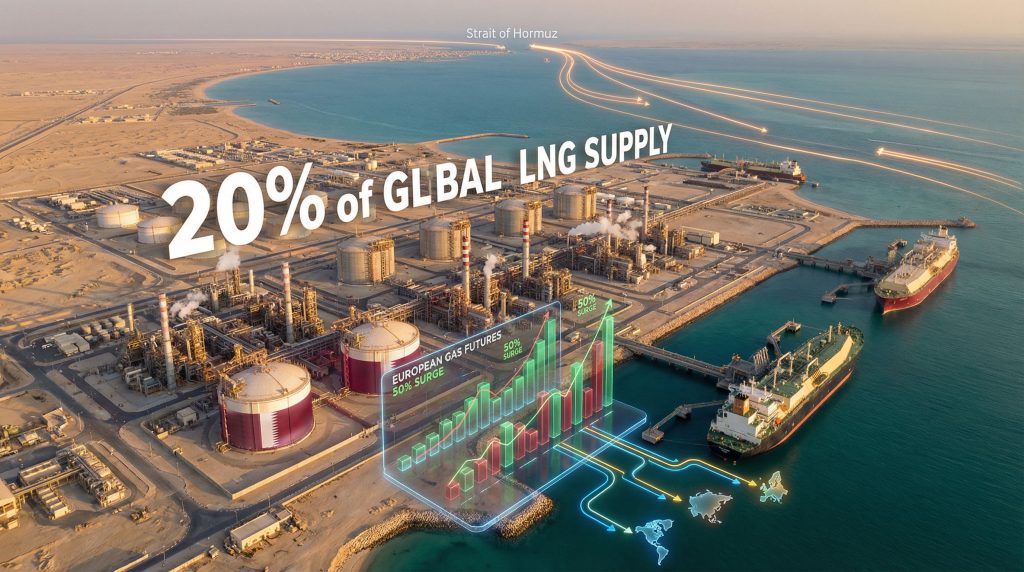
Qatar's position as the world's premier LNG exporter stems from its massive production capacity of 77 million tonnes per annum (mtpa), representing approximately 20% of global LNG supply. This extraordinary scale places the nation at the center of international energy flows, with the Ras Laffan Industrial City serving as the primary hub for these operations.
The facility's integrated approach distinguishes it from conventional LNG operations:
• Multiple liquefaction trains operating simultaneously to maximize output efficiency
• Petrochemical integration allowing for value-added processing beyond basic LNG production
• Gas-to-liquids (GTL) capabilities providing additional revenue streams and operational flexibility
• Strategic storage infrastructure enabling seasonal optimization and market timing advantages
Qatar's North Field serves as the primary feedstock source, shared geologically with Iran's South Pars field but remaining under Qatar's operational control. This geological advantage, combined with decades of infrastructure investment since 1997, has enabled Qatar to establish long-term supply agreements spanning European, Asian, and American markets.
Strategic Chokepoint Analysis
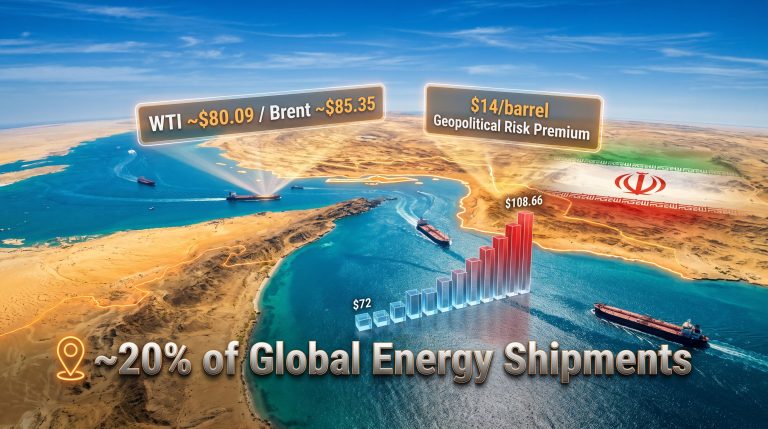
The Strait of Hormuz represents one of the most critical energy transit points globally, handling approximately 20% of all LNG shipments along with substantial petroleum product flows. This narrow waterway, measuring just 21 nautical miles at its narrowest point, creates a geographical vulnerability that extends far beyond regional concerns.
When examining alternative routing options, the limitations become stark:
• Cape of Good Hope routing adds 14-21 additional transit days
• Suez Canal alternatives introduce separate geopolitical risks and capacity constraints
• Red Sea passages face historical piracy concerns and current regional instability
• LNG carrier specifications limit routing flexibility due to vessel size requirements
Modern LNG carriers, measuring 250-360 meters in length, cannot easily redirect through smaller waterways, making the Strait of Hormuz particularly critical for Middle Eastern exports. Historical precedents demonstrate how even temporary disruptions trigger immediate market responses, with insurance premiums and freight rates adjusting rapidly to reflect elevated risks.
When big ASX news breaks, our subscribers know first
How Do Geopolitical Disruptions Cascade Through Energy Markets?
Price Transmission Mechanisms
The recent Qatar LNG plant drone strike exemplifies how localised incidents can trigger global price volatility. European gas futures surged 46% to €46.77/MWh, reaching the highest levels since February 2025 and marking the most significant intraday movement since the 2022 energy crisis.
| Market Response Timeline | Price Movement | Regional Impact |
|---|---|---|
| Initial Strike Reports | +15-20% | Immediate futures reaction |
| Production Halt Confirmation | +30-35% | European storage concerns |
| Force Majeure Declaration | +40-50% | Global supply chain disruption |
| Alternative Source Bidding | Ongoing volatility | Asian competition effects |
Goldman Sachs analysis suggests that a one-month Strait of Hormuz closure could drive European gas prices to double current levels, highlighting the exponential nature of supply shock impacts. This price transmission occurs through several interconnected mechanisms that align with broader tariffs and market impact trends affecting global commodity flows.
Competition-driven escalation emerges as Asian buyers, traditionally Qatar's primary customers, redirect purchasing toward alternative suppliers. This increased competition for spot cargoes creates upward pressure on global pricing, affecting even regions not directly dependent on Middle Eastern supplies.
Storage dynamics amplify price sensitivity, particularly in Europe where inventories remain below seasonal averages. The timing proves especially problematic, occurring in early March when storage refill operations typically begin in preparation for the following winter heating season.
Substitution effects ripple through interconnected markets as pipeline-dependent regions like Turkey may increase spot LNG demand to compensate for Iranian supply disruptions, according to BloombergNEF analysis.
Supply Chain Vulnerability Mapping
The declaration of force majeure by Qatar Energy demonstrates how contractual mechanisms can freeze global supply chains within hours. This legal provision allows producers to suspend delivery obligations during unforeseeable circumstances, but creates immediate scrambles among buyers seeking replacement cargoes.
Primary disruption pathways follow predictable patterns:
-
Production facilities halt operations due to security concerns
-
Export infrastructure becomes inaccessible or unsafe for tanker loading
-
Transit routes face traffic restrictions or complete closure
-
Storage capacity reaches maximum limits as exports cease
-
Contract obligations suspend through force majeure declarations
-
Secondary sourcing intensifies competition for alternative supplies
The Strait of Hormuz traffic slowdown has created storage bottlenecks at Ras Laffan, with facilities reaching capacity limits as export capabilities remain restricted. This physical constraint compounds supply chain disruptions beyond immediate production concerns.
Which Regional Markets Face the Greatest Exposure?
European Energy Security Assessment
Europe's vulnerability to Middle Eastern LNG disruptions reflects structural changes implemented since 2022. With 70%+ LNG import dependency and storage levels consistently below seasonal averages, the region faces critical supply security challenges that extend beyond immediate Qatar LNG plant drone strike implications.
Current risk indicators paint a concerning picture:
| Vulnerability Factor | Status | Risk Assessment |
|---|---|---|
| Storage Inventory | 15-20% below 5-year average | High |
| Alternative Supply Access | Limited short-term flexibility | Critical |
| Price Volatility Exposure | 50%+ surge demonstrated | Extreme |
| Summer Refill Requirements | Compressed timeline | Elevated |
European gas infrastructure relies heavily on regasification terminals along Atlantic, Mediterranean, and North Sea coastlines. These facilities operate near capacity during peak demand periods, limiting ability to absorb additional volumes quickly when primary suppliers face disruptions.
The seasonal timing creates particular urgency. March through August traditionally represents the storage refill period when European facilities rebuild inventories depleted during winter heating seasons. Current below-average storage levels mean higher volumes must be procured during a shortened timeframe, intensifying price sensitivity. This situation directly impacts the broader energy security outlook for the region.
Asian Market Vulnerability Analysis
Asian LNG markets, while typically Qatar's primary customers, demonstrate different vulnerability patterns than European systems. Japan and South Korea maintain strategic LNG reserves and diversified supply portfolios, providing greater short-term resilience during supply disruptions.
China's response mechanisms include substantial strategic reserve capacity and domestic production capabilities that can partially offset import reductions. However, the country's rapidly growing LNG demand means any significant supply disruption requires immediate alternative sourcing.
India's emerging market position creates unique exposure patterns. As LNG consumption grows rapidly to support economic development, supply disruptions can trigger both energy security concerns and broader economic impacts through industrial production constraints.
Regional arbitrage opportunities typically allow Asian buyers to redirect purchases between Middle Eastern, Australian, and American suppliers. However, the scale of Qatar's contribution means complete substitution requires significant time and premium pricing to secure alternative cargoes.
U.S. Market Position and Export Capacity
American LNG export capabilities offer potential supply alternatives, but face practical limitations during acute disruptions. Current export terminals operate at 85-90% utilisation rates, leaving minimal spare capacity for emergency supply increases.
The Golden Pass expansion project represents additional capacity coming online, but full operational capability requires 12-18 months beyond initial startup. Short-term export increases must come from optimising existing facilities rather than new capacity additions.
Strategic considerations for U.S. producers include balancing domestic supply obligations against export opportunities during global price spikes. Historical precedent suggests American suppliers typically prioritise contractual obligations before accessing spot market premiums. This aligns with the broader US natural gas forecast trends for the coming years.
What Are the Immediate Market Response Mechanisms?
Emergency Supply Protocols
Government strategic reserve systems provide first-line responses during supply emergencies. The International Energy Agency coordination framework enables member countries to release strategic stocks simultaneously, dampening initial price spikes while alternative supplies develop.
Industrial demand curtailment programs offer additional flexibility through interruptible supply contracts. Major energy consumers in steel, chemicals, and power generation sectors maintain contractual provisions allowing supply reductions during emergencies in exchange for preferential pricing during normal conditions.
Inter-regional supply reallocation becomes critical as traditional trade flows redirect. European buyers may increase purchases from Norwegian pipeline gas, while Asian buyers compete for Australian and American LNG cargoes previously destined for other markets.
Financial Market Hedging Strategies
Energy futures markets provide price discovery and risk management tools during supply disruptions, but can amplify volatility through speculative activity. Current trading patterns suggest institutional investors are positioning for extended price elevation rather than temporary spikes, similar to the patterns observed in the oil price rally analysis.
Currency correlations become significant as energy-importing nations face increased foreign exchange pressures. Countries with substantial LNG import requirements may experience currency weakness as trade balances deteriorate during price spikes.
Insurance market responses typically include elevated premiums for energy cargo and facility coverage in affected regions. Lloyd's List historical data indicates insurance costs can increase 200-300% during extended geopolitical tensions involving major energy infrastructure.
How Long Could Supply Disruptions Persist?
Scenario Planning Framework
Short-term scenarios (1-4 weeks) depend primarily on security restoration and facility damage assessment. If the Qatar LNG plant drone strike caused minimal physical damage, operations could resume relatively quickly once security protocols allow safe personnel return and equipment inspection.
Current facility assessments indicate no reports of significant structural damage, suggesting technical capability remains intact. The primary constraint involves ensuring personnel safety and establishing secure operational perimeters around critical infrastructure.
Medium-term scenarios (1-6 months) require comprehensive security enhancements and potential infrastructure hardening. Historical precedent suggests major energy facilities typically implement upgraded protection systems following security incidents, potentially extending restoration timelines.
Alternative supplier capacity becomes crucial during extended disruptions. Australian LNG producers operate with 15-20% spare capacity that could partially offset Qatar's contribution, but cannot fully substitute given scale differences.
Long-term scenarios (6+ months) would trigger fundamental supply chain restructuring as buyers seek permanent diversification away from single-source dependencies. New LNG project acceleration becomes economically viable when disruptions extend beyond seasonal demand cycles.
Which Alternative Supply Sources Can Respond?
U.S. LNG Export Capacity Analysis
American LNG facilities currently operate at near-maximum capacity, limiting immediate supply increase potential. The following terminals provide existing flexibility:
• Gulf Coast facilities (Sabine Pass, Corpus Christi, Cameron) operating at 90%+ utilisation
• Freeport LNG maintaining operational flexibility following recent expansion completion
• Golden Pass project scheduled for gradual ramp-up over 12-month period
• Calcasieu Pass offering additional capacity through 2026-2027 timeframe
Shipping logistics create additional constraints, with LNG carrier availability becoming critical during global supply disruptions. Vessels typically require 14-21 days for U.S. Gulf Coast to European delivery, compared to 7-10 days from Qatar via standard Strait of Hormuz routing.
Australian and African LNG Alternatives
Australia's LNG export capacity provides substantial alternative supply potential, with facilities in Western Australia and Queensland capable of 15-25% production increases during emergency scenarios. However, traditional Australian exports serve Asian markets, requiring contract modifications and premium pricing to redirect cargoes to Europe.
African LNG sources include established facilities in Nigeria, Algeria, and emerging projects in Mozambique and Senegal. These sources face their own operational challenges, with Nigerian facilities historically experiencing production interruptions due to regional security concerns.
Shipping route optimisation becomes crucial when redirecting traditional trade flows. Australian exports to Europe via Suez Canal require approximately 25-30 days transit time, significantly longer than Middle Eastern sources but still commercially viable during sustained price premiums.
Pipeline Gas Backup Systems
Norwegian pipeline gas provides Europe's most reliable alternative supply source, with existing infrastructure capacity to increase deliveries by 10-15% during emergency conditions. The North Sea pipeline network offers direct connectivity to major European consumption centres without LNG regasification requirements.
North African pipeline systems through Spain and Italy provide additional flexibility, though political relationships and infrastructure maintenance create periodic constraints. Algerian gas supplies have historically demonstrated reliability during European energy emergencies.
Regional interconnections between European national gas networks enable supply optimisation across borders. The European Network of Transmission System Operators for Gas (ENTSOG) coordinates emergency supply protocols to maximise system flexibility during disruptions.
The next major ASX story will hit our subscribers first
What Investment Implications Emerge from Supply Shocks?
Energy Sector Valuation Impacts
LNG producer equities typically experience immediate valuation increases during global supply disruptions, with stock prices reflecting elevated pricing expectations and margin expansion potential. American LNG exporters demonstrate particularly strong correlation with European gas price movements during Middle Eastern supply constraints.
Downstream industrial users face contrasting impacts as elevated energy costs pressure operating margins. European chemical, steel, and fertiliser producers historically reduce production during sustained high energy prices, creating potential investment opportunities in global competitors with lower energy cost structures.
Renewable energy acceleration becomes increasingly attractive during fossil fuel price volatility. Solar, wind, and battery storage projects demonstrate enhanced economic returns when compared against volatile LNG pricing, potentially accelerating energy transition investment flows.
Currency and Commodity Correlations
Energy-exporting nations typically experience currency strength during supply disruptions as trade balances improve through elevated export pricing. The U.S. dollar, Norwegian krone, and Australian dollar historically demonstrate positive correlation with global energy price movements.
Import-dependent economies face opposite pressures as energy costs increase foreign currency requirements. European Union members without domestic energy production may experience currency weakness during sustained high energy prices.
Central bank policy responses become critical as energy price inflation pressures emerge. Historical precedent suggests energy-driven inflation may influence interest rate policies, affecting broader investment market conditions beyond energy sectors.
How Do Governments Typically Respond to Energy Crises?
Strategic Reserve Deployment Protocols
International Energy Agency coordination mechanisms enable synchronised strategic reserve releases among member countries. These coordinated responses typically release 30-60 days of import requirements to stabilise markets during acute supply disruptions.
National emergency response plans vary significantly among countries but generally include:
• Industrial sector prioritisation schemes favouring critical infrastructure and essential services
• Price regulation mechanisms preventing excessive consumer price increases
• Import acceleration programs utilising government credit facilities to secure additional supplies
• Demand reduction incentives encouraging voluntary consumption reductions through pricing signals
Diplomatic and Military Response Considerations
Energy infrastructure protection becomes priority during regional conflicts affecting major supply sources. International maritime security coordination typically increases naval presence in critical shipping lanes, with particular focus on chokepoint areas like the Strait of Hormuz.
Economic sanctions considerations create complex policy challenges when energy supplies originate from politically sensitive regions. Historical precedent demonstrates the difficulty of maintaining energy security while implementing comprehensive economic restrictions.
Trade route security measures may include enhanced escort protocols for LNG carriers and increased port security screening. These measures can extend transit times and increase transportation costs, but provide essential security assurance for commercial operators.
What Long-term Structural Changes Could Result?
Supply Chain Diversification Acceleration
Major energy importers typically respond to supply disruptions by implementing permanent diversification strategies. These initiatives include developing relationships with multiple suppliers across different geographical regions to reduce single-source dependencies.
Geographic risk distribution becomes standard practice following major supply disruptions. European buyers have demonstrated this approach since 2022, systematically reducing reliance on single regional suppliers in favour of globally diversified portfolios.
Multiple supplier contract structures provide operational flexibility during future disruptions. These arrangements typically include price premiums for supply security guarantees, but offer protection against future geopolitical supply interruptions.
Infrastructure Resilience Investment
Critical facility security enhancements become industry standard following successful attacks on major energy infrastructure. These investments include physical protection systems, cyber security improvements, and redundant operational capabilities.
Redundant capacity development enables continued operations during partial facility disruptions. LNG facilities increasingly incorporate modular designs allowing individual train operations while others undergo maintenance or security upgrades.
Technology solutions for supply monitoring provide early warning systems for potential disruptions. Advanced satellite monitoring, automated threat detection, and real-time supply chain visibility tools become essential components of energy security infrastructure.
Key Takeaways for Energy Market Participants
Risk Management Framework Updates
The Qatar LNG plant drone strike demonstrates the critical importance of incorporating geopolitical risk assessment into energy investment and procurement decisions. Traditional risk models focusing on weather, mechanical failures, and market demand must expand to include security threats and regional conflict scenarios.
Portfolio diversification strategies require geographic, supplier, and contract term distribution to maintain supply security during future disruptions. Single-source dependencies, while potentially offering cost advantages during stable periods, create unacceptable vulnerability during crisis conditions.
Emergency response plan development should include predetermined alternative supplier activation, demand reduction protocols, and financial hedging mechanisms to limit exposure during acute supply disruptions.
Investment Strategy Implications
Energy security premiums are becoming permanent features of global energy markets rather than temporary crisis responses. Investment strategies should incorporate these elevated baseline prices when evaluating long-term energy sector opportunities.
Infrastructure resilience investments offer compelling risk-adjusted returns as energy security concerns drive capital allocation toward protected, diversified supply systems. Projects offering supply security benefits command premium valuations beyond traditional economic returns.
Regional market exposure rebalancing becomes essential as traditional energy trade flows undergo permanent restructuring. Investment portfolios should reflect evolving supply chain relationships rather than historical trading patterns that may not persist during ongoing geopolitical uncertainties.
This analysis is for informational purposes only and should not be considered as investment advice. Energy markets involve substantial risks and past performance does not guarantee future results. Readers should conduct their own research and consult qualified financial advisors before making investment decisions.
Looking to Capitalise on Energy Market Volatility?
Discovery Alert's proprietary Discovery IQ model delivers real-time alerts on significant mineral discoveries across the ASX, including critical energy transition metals that benefit from supply chain disruptions like the Qatar LNG crisis. Subscribers gain immediate insights into actionable trading opportunities, positioning themselves ahead of market movements that often correlate with global energy security concerns. Begin your 14-day free trial today to secure your competitive advantage during these unprecedented energy market conditions.