July 21, 2026
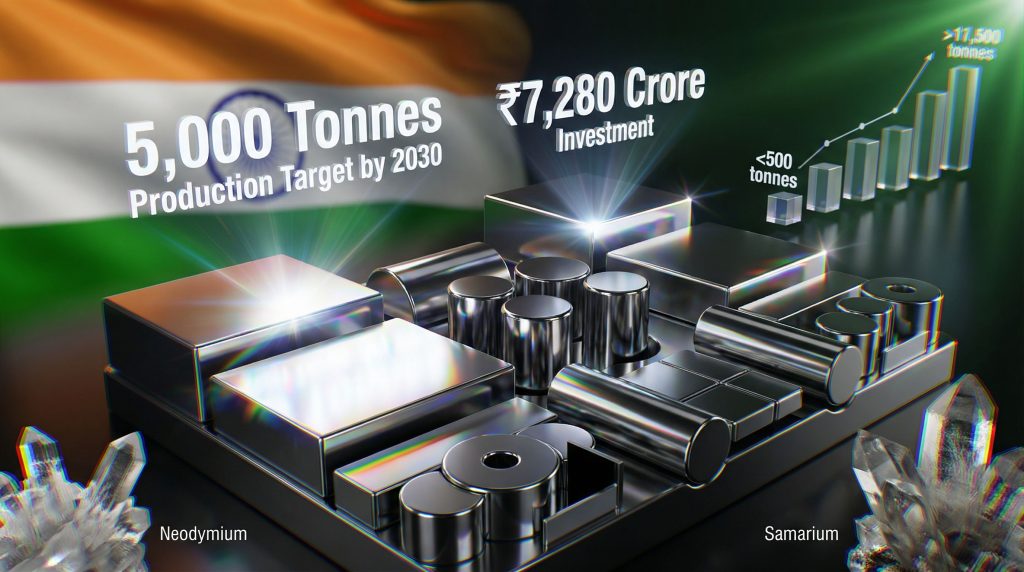
India's strategic focus on developing domestic rare earth magnet production capabilities represents a crucial response to mounting supply chain vulnerabilities in critical materials. The ambitious target of achieving 5,000 tonnes of rare earth magnet production 2030 addresses both national security concerns and economic opportunities in high-growth sectors. However, understanding the broader implications of critical minerals energy security helps contextualise India's position within global resource competition dynamics.
Furthermore, this initiative reflects broader patterns in the mining industry evolution where countries are reassessing their strategic mineral dependencies. Nations worldwide face similar challenges in balancing resource security with economic competitiveness.
Current Market Dynamics and Supply Chain Vulnerabilities
India's rare earth magnet production 2030 strategy emerges from significant supply-demand imbalances affecting critical materials procurement. Current domestic requirements reach approximately 4,000 tonnes annually, with projections indicating demand will approach 8,000 tonnes by 2030 – representing 100% growth over the planning period.
Supply Chain Risk Assessment
| Metric | Current Status | 2030 Projection |
|---|---|---|
| Domestic Consumption | 4,000 tonnes | 8,000 tonnes |
| Import Dependency | 85-90% | Target: <50% |
| Primary Source Markets | China-dominated | Diversified supply base |
| Strategic Vulnerability | High | Moderate (projected) |
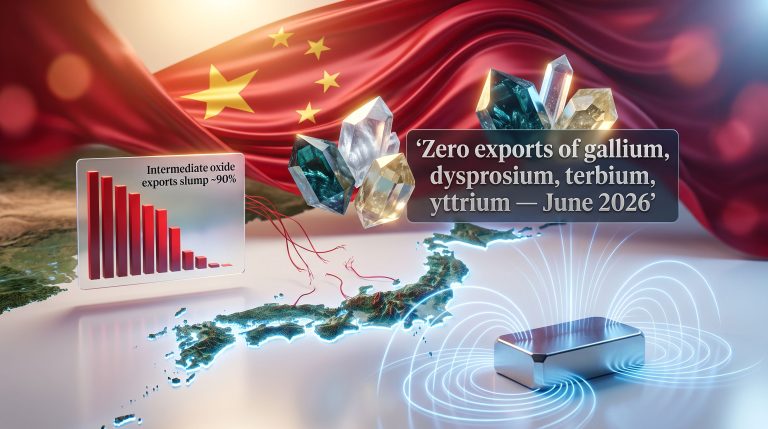
China's processing dominance encompasses approximately 90% of global rare earth refining capacity, creating single-point-of-failure risks for downstream manufacturers. Recent export restrictions and trade policy shifts have highlighted the fragility of existing procurement arrangements, particularly for defence and clean energy applications requiring specialised magnetic materials.
Consequently, global trade tensions continue to influence strategic planning across multiple industries dependent on rare earth supplies. Import dependency rates currently reach 85-90% for finished magnetic products, with limited domestic processing capabilities constraining strategic autonomy.
Industrial Application Drivers
Manufacturing sector expansion across multiple domains drives accelerating magnet consumption:
- Electric vehicle production: Requires 1-3 kg permanent magnets per vehicle for motor applications
- Wind energy installations: Consume 200-600 kg per MW depending on turbine design specifications
- Defence systems integration: Critical for guidance systems, radar equipment, and electronic warfare capabilities
- Consumer electronics manufacturing: Essential components for smartphones, computing devices, and audio systems
When big ASX news breaks, our subscribers know first
What Are Rare Earth Permanent Magnets and Why Do They Matter?
Permanent magnet technology represents one of the most critical materials innovations enabling modern industrial applications. These specialised alloys combine rare earth elements with transition metals to create magnetic fields significantly stronger than traditional alternatives.
Technical Performance Characteristics
Neodymium-Iron-Boron (NdFeB) magnets deliver the highest magnetic strength commercially available, with energy products reaching 40-52 MGOe (Mega-Gauss-Oersteds). These materials enable miniaturisation of motors and generators while maintaining power density requirements.
Samarium-Cobalt (SmCo) magnets provide superior temperature stability, maintaining magnetic properties up to 350°C compared to NdFeB's 200°C operational limit. This thermal resilience makes SmCo essential for aerospace and military applications where environmental extremes are common.
Performance Specifications Comparison
| Property | NdFeB Magnets | SmCo Magnets | Traditional Ferrite |
|---|---|---|---|
| Magnetic Strength | 10-15x stronger | 8-12x stronger | Baseline reference |
| Temperature Range | -40°C to 200°C | -40°C to 350°C | -40°C to 250°C |
| Coercivity | 800-2,400 kA/m | 1,200-2,000 kA/m | 240-320 kA/m |
| Cost Ratio | 15-25x higher | 30-50x higher | 1x (reference) |
Manufacturing Process Complexity
Permanent magnet production requires sophisticated metallurgical processes involving multiple precision-controlled stages:
- Rare earth extraction and purification using solvent extraction techniques
- Alloy preparation through vacuum induction melting at temperatures exceeding 1,400°C
- Powder production via hydrogen decrepitation or jet milling to achieve 2-10 micrometer particle sizes
- Magnetic alignment during pressing operations using applied magnetic fields
- Sintering processes at 1,050-1,100°C in controlled atmospheres
- Final machining and coating for dimensional accuracy and corrosion resistance
The technical complexity explains why few countries have successfully established integrated production capabilities, with China leveraging decades of process optimisation and capital investment to dominate global manufacturing.
How Will India's ₹7,280 Crore Manufacturing Strategy Work?
India's comprehensive approach to rare earth magnet production 2030 involves phased capacity development supported by substantial financial incentives and technology transfer arrangements. For instance, recent critical minerals policy developments globally demonstrate increasing government intervention in strategic mineral supply chains.
Production Scaling Timeline
Phase 1 (2026-2027): Initial pilot facilities targeting 500 tonnes annual capacity, focused on process validation and workforce development. The Visakhapatnam samarium-cobalt plant represents the flagship facility for this phase, emphasising defence and aerospace applications.
Phase 2 (2028-2029): Expansion to 2,000 tonnes through technology partnerships with international magnet manufacturers. This phase emphasises knowledge transfer and domestic capability building across multiple production sites.
Phase 3 (2030): Achievement of 5,000 tonnes distributed across integrated processing facilities in Tamil Nadu, Odisha, Andhra Pradesh, and Kerala.
Financial Incentive Architecture
| Incentive Category | Amount | Distribution Method |
|---|---|---|
| Sales-linked incentives | ₹7,232 crore | Performance-based over 5 years |
| Capital subsidies | ₹84 million | Qualifying manufacturer support |
| Total Programme Value | ₹7,280 crore | Comprehensive support package |
The sales-linked incentive structure creates performance accountability while reducing upfront government expenditure. Payments correlate directly with production milestones and quality certifications, ensuring taxpayer value while supporting industry development.
Technology Transfer Strategy
Successful magnet manufacturing requires access to proprietary processing knowledge typically controlled by established international producers. India's approach involves:
- Joint venture arrangements with proven technology providers
- Licensing agreements for specific manufacturing processes
- Technical training programmes for Indian engineers and technicians
- Equipment procurement from specialised machinery manufacturers
Quality control systems must meet international standards for automotive and aerospace applications, requiring sophisticated testing equipment and certified processes. Investment in these capabilities represents significant fixed costs but ensures market competitiveness.
What Are India's Raw Material Advantages and Challenges?
India possesses substantial rare earth reserves ranking third globally with approximately 6.9 million tonnes of identified resources. However, reserve availability differs significantly from production-ready capacity.
Geographic Resource Distribution
Beach sand mineral deposits along Tamil Nadu and Kerala coastlines contain monazite and ilmenite bearing rare earth concentrates. These deposits offer relatively straightforward extraction methods but require careful environmental management due to thorium content.
Hard rock formations in Odisha and Andhra Pradesh contain different rare earth element profiles, particularly heavy rare earths essential for high-performance magnet applications. These deposits require more complex extraction techniques but may offer superior raw material compositions.
Resource Development Challenges
Limited private sector participation has constrained exploration and development activities. Historical restrictions on critical mineral exploration created information gaps regarding reserve quality and extraction feasibility.
Environmental compliance requirements add complexity to project development timelines. Rare earth processing generates radioactive waste streams requiring specialised handling and disposal facilities.
Processing technology gaps represent perhaps the most significant constraint. Raw material extraction alone provides limited value addition – the real economic value lies in separation, purification, and alloy production capabilities.
SHANTI Framework Policy Reforms
Recent policy modifications under the SHANTI framework address several systemic constraints:
- Liberalised exploration provisions enabling private company participation in critical mineral projects
- Streamlined approval processes reducing bureaucratic delays for qualifying investments
- Strategic resource safeguards maintaining government oversight for uranium and sensitive materials
- Enhanced foreign investment allowances for technology transfer projects
Which Industries Will Drive India's 2030 Magnet Demand?
Multiple industrial sectors contribute to accelerating rare earth magnet consumption, each with distinct performance requirements and growth trajectories.
Electric Vehicle Manufacturing Expansion
India's automotive electrification targets create the largest single source of magnet demand growth. According to Economic Times analysis, current EV market penetration remains below 2% of total vehicle sales, providing substantial expansion potential.
Market Size Projections:
- Current EV production: 1.3 million units annually
- 2030 government targets: 10-15 million units
- Magnet requirement calculations: 15,000-45,000 tonnes for automotive applications alone
Permanent magnet synchronous motors offer superior efficiency and power density compared to alternatives, making them preferred solutions for performance-oriented electric vehicles. However, cost sensitivity in mass-market segments may favour lower-grade magnets or alternative motor technologies.
Renewable Energy Infrastructure Development
Wind power capacity expansion from current 87 GW to targeted 140 GW by 2030 requires substantial magnet inputs for direct-drive generator systems. Modern wind turbines increasingly utilise permanent magnet generators for improved efficiency and reliability.
Solar manufacturing growth supports export competitiveness objectives while creating domestic magnet demand for inverter systems and tracking mechanisms. Integration of energy storage systems adds additional magnet requirements for power electronics.
Defence and Aerospace Applications
India's defence modernisation programmes emphasise indigenous manufacturing capabilities, creating demand for high-performance magnets in:
- Precision-guided munitions requiring guidance system components
- Electronic warfare systems utilising advanced radar and communication technologies
- Aerospace propulsion for electric aircraft and satellite applications
- Naval systems including sonar equipment and magnetic anomaly detection
These applications typically require premium-grade magnets with stringent performance specifications, justifying higher production costs and supporting technology development investments.
How Does This Compare to Global Rare Earth Magnet Production?
International context demonstrates both the scale of India's ambitions and competitive positioning challenges. Moreover, developments such as the European CRM facility initiatives show similar strategic thinking across different regions.
Global Production Landscape
| Country/Region | Current Production | Market Share | Key Advantages |
|---|---|---|---|
| China | 180,000 tonnes | 85% | Integrated supply chain, cost leadership |
| Japan | 8,000 tonnes | 4% | Technology leadership, quality focus |
| Europe | 3,500 tonnes | 2% | Environmental standards, specialty applications |
| United States | 2,000 tonnes | 1% | Defence applications, supply security |
| India (2030 target) | 5,000 tonnes | ~2.3% | Cost competitiveness, growing domestic market |
Competitive Positioning Analysis
India's rare earth magnet production 2030 targets position the country as potentially the largest non-Chinese producer in Asia-Pacific. However, achieving this requires overcoming significant technology and quality gaps compared to established manufacturers.
Regional market dynamics favour Indian production for several reasons:
- Labour cost advantages compared to developed market producers
- Energy cost competitiveness through domestic power generation
- Growing domestic consumption providing stable demand foundation
- Government policy support through financial incentives and regulatory frameworks
Competitive challenges include:
- Technology access limitations requiring international partnerships
- Quality certification requirements for premium applications
- Scale economy disadvantages compared to Chinese integrated producers
- Raw material processing dependencies constraining cost competitiveness
The next major ASX story will hit our subscribers first
What Are the Key Risk Factors and Mitigation Strategies?
Successful implementation of India's magnet production strategy faces multiple risk categories requiring proactive management approaches.
Technology Transfer and Intellectual Property Risks
Access to proprietary manufacturing processes represents perhaps the most critical constraint. Established magnet producers protect their technological advantages through patents, trade secrets, and exclusive supplier relationships.
Risk Mitigation Approaches:
- Multiple technology partnerships avoiding dependence on single providers
- Indigenous R&D investment developing proprietary capabilities over time
- Academic collaboration with international research institutions
- Talent acquisition from experienced international manufacturers
Environmental and Regulatory Compliance
Rare earth processing generates radioactive waste streams containing thorium and uranium byproducts. Managing these materials requires specialised facilities and trained personnel, adding operational complexity and costs.
Water usage optimisation becomes critical given the high-volume requirements for separation processes. Treatment and recycling systems represent significant capital investments but are essential for sustainable operations.
Market Volatility and Demand Forecasting
Commodity price fluctuations affect both raw material costs and finished product competitiveness. Rare earth element pricing demonstrates high volatility based on geopolitical tensions and supply disruptions.
Demand forecast accuracy depends on multiple uncertain variables including EV adoption rates, renewable energy deployment speeds, and defence spending priorities. Conservative planning approaches may underutilise capacity while aggressive projections risk overcapacity situations.
Strategic Recommendations
Phased capacity development allows for demand validation and technology refinement before major capital commitments. This approach reduces financial risks while building operational experience.
Diversified end-market focus across automotive, renewable energy, and defence applications provides demand stability and pricing flexibility.
Integrated supply chain development including upstream rare earth processing capabilities reduces input cost volatility and improves strategic autonomy.
FAQ: India's Rare Earth Magnet Production Strategy
How will India source rare earth elements for magnet production?
India plans to develop domestic mining operations through the SHANTI framework while initially importing processed rare earth oxides for magnet manufacturing. Reuters reporting indicates gradual upstream integration will reduce import dependency over the planning period.
What makes rare earth magnets essential for clean energy applications?
These magnets enable efficient energy conversion in wind turbines and electric motors, operating at higher power densities than ferrite alternatives while maintaining performance across wide temperature ranges. Their strength-to-weight ratios are crucial for mobile applications like electric vehicles.
Which companies are likely to participate in India's magnet manufacturing programme?
The scheme targets global manufacturers with proven technology capabilities, potentially including partnerships between Indian firms and international specialists. Selection criteria emphasise production capacity, technology transfer willingness, and quality certification capabilities.
How will India ensure quality standards match international requirements?
The programme includes technology transfer agreements and quality certification processes aligned with automotive and aerospace industry specifications. Investment in testing equipment and trained personnel supports compliance with international standards.
What are the environmental considerations for rare earth magnet production?
Production facilities must manage radioactive waste streams and high water usage requirements. Environmental compliance adds operational complexity but is essential for sustainable long-term operations and community acceptance.
This analysis is based on publicly available information and government announcements. Investment decisions should consider additional factors including technological developments, market conditions, and regulatory changes that may affect project outcomes and timelines.
Want to Capitalise on Critical Minerals Investment Opportunities?
Discovery Alert's proprietary Discovery IQ model delivers real-time alerts on significant ASX mineral discoveries, instantly empowering subscribers to identify actionable opportunities ahead of the broader market. Explore Discovery Alert's dedicated discoveries page to understand why historic discoveries can generate substantial returns, then begin your 14-day free trial today to position yourself ahead of the market.