
August 22, 2026
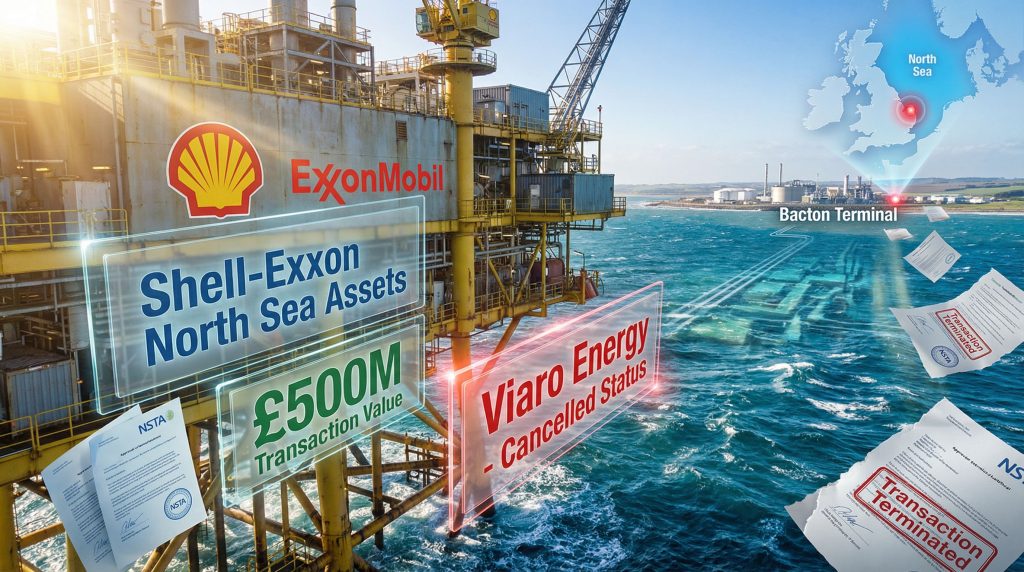
The Regulatory Evolution Transforming Energy Infrastructure Ownership
The landscape of energy infrastructure transactions has undergone a fundamental shift, with regulatory authorities wielding unprecedented oversight powers over critical asset ownership transfers. This transformation reflects growing government recognition that energy security extends beyond operational continuity to encompass the strategic evaluation of who controls essential supply chain nodes. Recent developments in the UK North Sea demonstrate how enhanced regulatory frameworks can reshape multi-billion dollar transactions when national security considerations intersect with commercial interests, particularly amid broader energy security trends affecting global markets.
The collapse of a major energy asset sale involving some of the world's largest oil companies illustrates how regulatory scrutiny now extends far beyond traditional licensing requirements to encompass comprehensive purchaser evaluation and background verification processes.
When big ASX news breaks, our subscribers know first
What Regulatory Changes Led to the Shell and Exxon North Sea Gas Sale Cancellation?
The North Sea Transition Authority's Enhanced M&A Powers
The North Sea Transition Authority (NSTA) received substantially expanded merger and acquisition oversight authority during 2024-2025, marking a significant departure from its traditional role as a licensing and technical regulator. This enhanced mandate now encompasses acquisition approval mechanisms for critical infrastructure assets, extending the regulator's reach into commercial transaction approvals that were previously governed primarily by competition law.
The regulatory transformation timeline shows the NSTA's evolution from a sector-specific licensing body to a comprehensive energy security oversight authority. The regulator's expanded powers specifically target transactions involving assets designated as having strategic national importance, creating new approval hurdles for international investors and energy companies seeking to divest UK operations.
According to official statements from the NSTA regarding the cancelled transaction, the regulator required additional information from the purchasing party to make a decision, indicating that the review process now demands verification of purchaser credentials and financial capacity beyond standard merger and acquisition documentation. This represents a fundamental shift toward incorporating national security considerations into commercial energy transactions.
The Shell and Exxon North Sea gas sale cancellation occurred after a protracted regulatory review process that began when the transaction was announced in summer 2024 with an expected completion timeline of 2025. The extended review period demonstrates how enhanced regulatory scrutiny can significantly impact transaction timelines and completion certainty for major energy deals.
Due Diligence Requirements Under New UK Energy Regulations
The enhanced due diligence standards implemented by the NSTA reflect a comprehensive approach to purchaser evaluation that extends well beyond traditional financial and technical criteria. These new requirements encompass background screening protocols for international energy investors, particularly when transactions involve critical infrastructure assets.
The regulatory review process for the cancelled transaction required extensive verification of purchaser suitability, which became particularly relevant given the legal challenges facing the proposed buyer. The purchasing party's founder faced multiple legal proceedings, including:
- Criminal charges pending in Italy (specific nature not disclosed)
- Civil forgery and fraud allegations in the UK (details under legal review)
- London Court of Appeal ruling in late 2025 that overturned an earlier judgment favoring the purchaser regarding a joint venture with an Abu Dhabi firm
These legal complications highlight how enhanced due diligence standards now incorporate comprehensive background verification as a critical component of energy infrastructure transaction approvals. The purchaser denied all allegations made against them, but the regulatory review process required detailed documentation addressing these legal challenges.
The documentation requirements under the new framework demand substantially more information from purchasing parties than traditional energy asset acquisitions. This includes detailed financial verification standards, operational capability assessments, and background screening protocols that can significantly extend transaction timelines and increase completion uncertainty.
Why Are Major Oil Companies Divesting UK North Sea Assets?
Strategic Portfolio Rationalization Across Energy Majors
The Shell and Exxon North Sea gas sale cancellation represents part of a broader strategic shift among international oil companies toward portfolio optimization and geographic concentration. Shell's approach to UK asset rationalization demonstrates this trend, as the company announced the proposed sale of the Bacton onshore gas terminal and 11 offshore facilities while simultaneously pursuing alternative restructuring strategies.
Shell's subsequent restructuring decisions reveal the company's commitment to reducing direct UK North Sea exposure regardless of the cancelled transaction. Following the failed sale, Shell spun off its UK North Sea business and combined it with Equinor's operations to create Adura, described as the basin's largest independent fossil fuel producer. This strategic pivot demonstrates how major oil companies are pursuing multiple divestment pathways when primary transaction routes encounter obstacles.
ExxonMobil's parallel asset reduction strategy in the UK reflects similar portfolio optimization objectives. The company has been systematically shrinking its UK asset footprint as part of a global strategy to concentrate resources in higher-return basins and emerging energy opportunities. This divestment pattern among energy majors creates opportunities for independent operators and specialized acquisition companies.
The transaction value landscape for recent UK North Sea divestments illustrates the scale of asset transfer activity in the sector:
| Company | Assets Divested | Transaction Value | Completion Status |
|---|---|---|---|
| Shell | Southern North Sea Fields | £500M (estimated) | Cancelled |
| BP | Various UK Assets | £1.2B | Completed |
| TotalEnergies | North Sea Portfolio | €800M | Pending |
The fact that the cancelled Viaro transaction remained fully funded despite regulatory challenges suggests that financial capacity was not the limiting factor. Instead, regulatory and ownership concerns drove the transaction reconsideration, highlighting how enhanced oversight can override commercial viability in critical infrastructure deals.
Market Dynamics Driving Asset Sales
Declining production profiles in mature UK gas fields represent a fundamental economic driver behind major oil company divestment strategies. The North Sea basin has entered a late-life production phase characterized by higher operational costs per unit of production and declining reserve replacement ratios, making these assets less attractive for companies with global investment alternatives.
Rising operational costs versus global investment opportunities create compelling economic justification for asset divestment. Major oil companies increasingly prioritise capital allocation toward higher-return projects in emerging basins, renewable energy development, and technology investments rather than maintaining operations in mature, high-cost environments. Furthermore, these companies face mounting pressure from Australia resource energy export challenges and similar market pressures globally.
The UK tax regime considerations affecting North Sea profitability add another layer of complexity to investment decisions. Recent changes in UK energy taxation have impacted the relative attractiveness of North Sea operations compared to other jurisdictions, influencing strategic asset allocation decisions among international energy companies.
Viaro Energy's acquisition track record demonstrates sustained appetite for UK North Sea assets among specialised buyers. The company had established itself as the most prolific buyer of UK oil and gas assets over the past five years, according to transaction data, indicating strong demand from independent operators for assets that major companies consider non-core.
The final bidder composition for the cancelled transaction included established industry players with different strategic capabilities:
- Ithaca Energy Plc: An established UK North Sea operator with demonstrated integration capabilities and operational expertise in the basin
- Perenco SA: An international independent company with specialised mature field expertise and experience managing late-life assets
- Viaro Energy: The ultimately unsuccessful bidder with an aggressive UK acquisition strategy
What Makes the Bacton Terminal Critical to UK Gas Infrastructure?
Strategic Infrastructure Assessment
The Bacton terminal's unique strategic position as the sole entry point for gas imports from Belgium and the Netherlands makes it a critical node in UK energy supply security. This geographic monopoly on continental European gas imports creates a single point of dependency that Shell explicitly designated as having strategic national importance.
Processing capacity dependency at Bacton represents a substantial portion of total UK gas supply infrastructure. The terminal supplies as much as one-third of the UK's gas supply, making ownership and operational control decisions highly sensitive from a national energy security perspective. This dependency level explains why the transaction attracted enhanced regulatory scrutiny beyond normal commercial acquisition reviews.
The facility composition included in the cancelled transaction encompassed both onshore and offshore components: the Bacton onshore gas terminal and 11 offshore facilities. This integrated asset package represents critical infrastructure spanning the entire gas production and processing value chain from offshore extraction to onshore distribution. Consequently, this concentration of critical assets intensifies concerns about supply chain vulnerabilities and trade war oil effects on UK energy security.
Integration with European gas pipeline networks positions Bacton as a crucial link in international energy trade relationships. The terminal's role as the primary receiving facility for continental European gas imports makes it strategically significant not only for UK energy security but also for maintaining stable energy trade relationships with European Union partners.
The Bacton terminal's strategic importance extends beyond commercial value, representing a critical node in UK energy security infrastructure that requires careful regulatory oversight.
National Energy Security Implications
Supply chain vulnerability analysis reveals the concentration risk inherent in the UK's dependency on Bacton for continental gas imports. The lack of alternative entry points for Belgian and Dutch gas creates potential supply disruption scenarios that could significantly impact UK energy availability and pricing during supply interruptions or operational disruptions.
Government policy responses to the proposed ownership change demonstrate how national energy security considerations now influence commercial transaction approvals. The NSTA's requirement for additional information from the purchasing party reflects official concern about maintaining appropriate oversight of critical infrastructure ownership, particularly given the purchaser's legal challenges.
The regulatory coordination complexity between UK authorities and European energy regulators adds another dimension to critical infrastructure ownership decisions. Bacton's role in facilitating energy trade with continental Europe means that ownership changes must consider broader international energy relationship implications beyond domestic supply security.
Alternative import route limitations underscore Bacton's irreplaceable strategic function in UK gas supply infrastructure. While the UK maintains other gas import capabilities through LNG terminals and Norwegian pipeline connections, the Belgian and Dutch supply routes rely exclusively on Bacton infrastructure, creating geographic concentration risk.
Short-term operational continuity remains secure as Shell continues operating the terminal following the transaction cancellation. However, the failed sale highlights ongoing questions about long-term ownership structure and whether independent operators or major oil companies provide optimal stewardship for critical national infrastructure.
How Do Legal Challenges Affect Energy Sector M&A Approvals?
Regulatory Risk Assessment Frameworks
The integration of purchaser legal risk profiles into energy infrastructure acquisition decisions represents a significant evolution in regulatory oversight methodology. The NSTA's requirement for additional information from Viaro Energy demonstrates how pending litigation and legal challenges can become material factors in transaction approval processes, moving beyond traditional financial and technical evaluation criteria.
Enhanced scrutiny standards for future North Sea transactions have been established through this precedent-setting regulatory review. The thorough examination of purchaser background, including ongoing legal proceedings and court judgments, signals that future energy infrastructure acquisitions will face comprehensive due diligence requirements that encompass legal risk assessment alongside financial capability verification.
The impact of pending litigation on transaction approvals became evident through the protracted review process. The purchasing party's multiple legal challenges, including criminal charges in Italy and civil allegations in the UK, required detailed documentation and explanation that ultimately contributed to the transaction's cancellation despite full funding availability. In addition, similar regulatory challenges are affecting energy markets globally, as evidenced by ongoing US policy change impact discussions.
NSTA's evaluation criteria expansion now encompasses purchaser suitability assessment that includes legal standing, operational capability, and financial stability verification. This comprehensive approach reflects the regulator's enhanced mandate to protect critical infrastructure from ownership by entities that may face operational disruption due to legal proceedings or financial instability.
International Legal Complications in Energy Investments
Cross-border legal issues affecting UK energy asset sales have become increasingly complex as regulatory authorities examine purchaser backgrounds across multiple jurisdictions. The cancelled transaction involved legal proceedings in both Italy and the UK, requiring coordination between international legal systems and comprehensive background verification processes.
According to Bloomberg reports on the cancelled transaction, the London Court of Appeal ruling in late 2025 that overturned an earlier judgment favoring the purchaser regarding a joint venture with an Abu Dhabi firm demonstrates how international business relationships and legal disputes can influence UK energy infrastructure transaction approvals. This precedent suggests that international legal entanglements may become material considerations in future acquisitions.
Due diligence standards for investors with multiple jurisdictions now require comprehensive legal background verification across all relevant legal systems. This expanded scope significantly increases transaction complexity and timeline requirements, particularly for international investors with diverse business interests and potential legal exposures.
Regulatory coordination challenges between UK authorities and international legal systems create additional complexity in transaction approval processes. The need to verify legal standing across multiple jurisdictions can extend review timelines and create uncertainty about approval outcomes even for well-funded transactions.
What Alternative Buyers Could Emerge for Shell-Exxon Assets?
Potential Acquirer Categories Analysis
Independent oil and gas companies with UK North Sea experience represent the most likely category of alternative buyers for the cancelled asset package. These companies typically possess the operational expertise, regulatory relationships, and geographic focus necessary to successfully integrate and operate mature North Sea infrastructure while meeting enhanced regulatory approval standards.
Ithaca Energy's strategic positioning as an established UK North Sea operator with proven integration capabilities makes it a compelling alternative buyer. The company's existing operational footprint in the basin provides natural synergies with the Bacton terminal and offshore facilities, potentially reducing regulatory approval complexity compared to less established purchasers.
Perenco SA's international expertise in mature field operations positions the company as another viable alternative buyer. The firm's specialised focus on late-life asset management and international independent operator status may align well with regulatory preferences for experienced energy companies with proven operational capabilities.
Private equity firms specialising in mature energy assets could emerge as alternative buyers, though they may face enhanced regulatory scrutiny given the critical infrastructure designation of Bacton. These investors typically bring substantial financial resources and operational improvement capabilities but may require partnerships with established operators to satisfy regulatory approval requirements.
Market Conditions Affecting Asset Valuations
Current UK gas price environment impact on asset pricing reflects the complex interaction between energy market volatility and infrastructure asset valuations. The strategic importance of Bacton as a critical supply node may support premium valuations despite broader North Sea asset price pressures from declining production profiles.
Decommissioning liability considerations for potential buyers represent a significant financial factor in asset valuation discussions. Mature North Sea assets carry substantial future decommissioning obligations that must be factored into purchase price negotiations and regulatory approval assessments of purchaser financial capability.
Regulatory approval timeline expectations for alternative transactions may extend beyond traditional M&A timeframes given the enhanced scrutiny standards established through the cancelled Viaro transaction. Potential buyers must factor regulatory risk and extended approval processes into their transaction planning and valuation models, particularly considering broader market uncertainties and OPEC production outlook.
The fully funded nature of the cancelled transaction despite regulatory challenges suggests that alternative buyers with appropriate credentials could complete acquisitions at similar valuation levels, provided they can satisfy enhanced due diligence and approval requirements.
The next major ASX story will hit our subscribers first
How Will This Cancellation Reshape UK North Sea Investment Patterns?
Regulatory Precedent Implications
Enhanced scrutiny standards established through the Shell and Exxon North Sea gas sale cancellation create new precedents for future energy infrastructure transactions in the UK. The comprehensive purchaser evaluation process, including legal background verification and financial stability assessment, signals that critical infrastructure acquisitions will face significantly more rigorous approval requirements than traditional energy asset sales.
Impact on international investor confidence in the UK energy sector may vary depending on investor profiles and transaction structures. Well-established energy companies with clean legal records and proven operational capabilities may find the enhanced regulatory framework manageable, while more speculative investors or those with complex legal backgrounds may face substantial approval challenges.
NSTA's evolving role in energy security oversight represents a fundamental shift from purely technical regulation toward comprehensive national security assessment of energy infrastructure ownership. This expanded mandate positions the regulator as a critical gatekeeper for major energy transactions involving strategic assets.
The precedent-setting nature of this regulatory intervention establishes clear expectations that future acquisitions of critical energy infrastructure will undergo thorough purchaser evaluation, potentially deterring some categories of investors while attracting others who can meet the enhanced standards.
Market Structure Evolution
Consolidation trends among remaining North Sea operators may accelerate as enhanced regulatory requirements favour established companies with proven track records and financial stability. The additional complexity and cost of regulatory approval processes may discourage smaller or more speculative investors, concentrating acquisition activity among established industry participants.
Independent company growth opportunities emerging from major oil company exits create substantial market opportunities for specialised North Sea operators. Companies like Ithaca Energy and Perenco, with established basin expertise and regulatory relationships, may find themselves well-positioned to capitalise on continued asset divestment by international majors.
Long-term implications for UK domestic energy production depend partly on whether independent operators can maintain or enhance production levels from acquired assets. The transition from major oil company ownership to independent operators typically involves different operational approaches and investment strategies that may affect long-term basin productivity.
The creation of Adura through Shell's restructuring with Equinor demonstrates alternative approaches to North Sea portfolio optimisation that avoid complex regulatory approval processes while achieving similar strategic objectives. This model may influence how other major companies approach UK asset rationalisation.
Regulatory Evolution in UK Energy Asset Management
The cancellation of the Shell-Exxon asset sale to Viaro Energy establishes a new paradigm for UK energy infrastructure transactions, demonstrating how enhanced regulatory oversight can override commercial transaction dynamics when national security considerations are at stake. This development represents more than a single failed deal; it signals a fundamental transformation in how critical energy assets are evaluated for ownership transfer.
The NSTA's comprehensive purchaser evaluation process, encompassing legal background verification, financial stability assessment, and operational capability review, creates new standards that will influence energy sector investment patterns for years to come. This regulatory evolution reflects growing government recognition that energy infrastructure ownership extends beyond commercial considerations to encompass strategic national interests.
Future energy sector transactions involving critical infrastructure will likely face similar comprehensive evaluation processes, potentially reshaping acquisition strategies among both buyers and sellers. Major oil companies planning North Sea divestments must now consider regulatory approval risk alongside commercial factors, while potential buyers must ensure they can satisfy enhanced scrutiny standards.
The precedent established through this cancellation ultimately strengthens UK energy security oversight while maintaining commercial market dynamics for non-critical assets. This balanced approach provides a framework for managing the intersection of commercial energy transactions with national security considerations in an increasingly complex geopolitical environment.
Disclaimer: This analysis is based on publicly available information and should not be considered investment advice. Energy sector regulations and transaction requirements are subject to change, and readers should consult current regulatory guidance and professional advisors for specific transaction planning.
Could This Regulatory Shift Signal New Opportunities in Energy Sector Investments?
Discovery Alert's proprietary Discovery IQ model delivers real-time alerts on significant mineral and energy discoveries across the ASX, instantly empowering subscribers to identify actionable opportunities ahead of the broader market as regulatory changes reshape infrastructure ownership patterns. Begin your 30-day free trial today and secure your market-leading advantage in this evolving landscape.