July 21, 2026
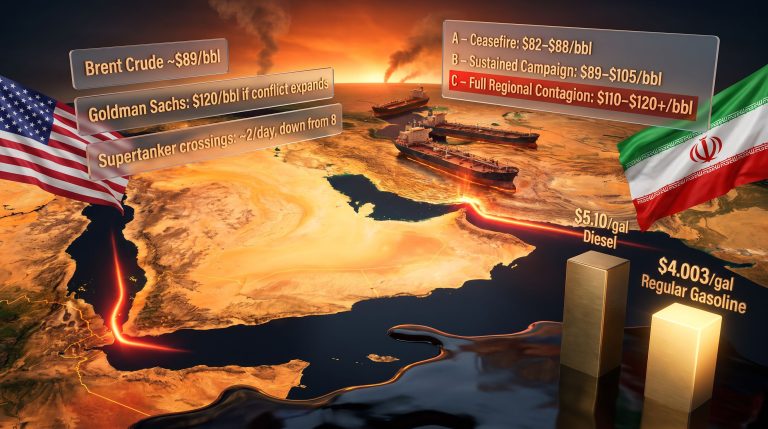
Global energy markets have entered a period of unprecedented volatility, creating ripple effects that extend far beyond traditional oil and gas sectors. The interconnected nature of modern commodity supply chains means that energy cost fluctuations can fundamentally reshape entire national economies, particularly those heavily dependent on resource extraction and export. For mineral-rich nations, rising energy costs and South Africa mining exports present complex challenges that go beyond immediate operational expenses to encompass long-term strategic positioning in global markets.
Energy Cost Integration Throughout Mineral Value Chains
The relationship between rising energy costs and South Africa mining exports operates through multiple interconnected pathways that compound traditional cost pressures. Unlike manufacturing industries that can relocate operations or substitute inputs, mining operations face fixed geographical constraints and energy-intensive processes that cannot be easily modified.
Malcolm Curror, Chief Executive of United Manganese of Kalahari, emphasizes that energy permeates virtually every aspect of mining operations, from heavy equipment operation through rail, road, and ship transport to processing and beneficiation activities. This integration creates vulnerability to fuel price volatility that extends throughout the entire production and export process.
Critical Energy Dependencies in Mining Operations:
- Heavy machinery requiring diesel fuel for extraction operations
- Electricity-intensive processing and beneficiation facilities
- Transportation networks moving materials from mines to ports
- Port handling operations and export logistics
- Specialized storage and handling requirements
The current energy market environment has created particular challenges for South African mineral exporters. Furthermore, with surging oil prices experiencing increases of up to 70% in some regions, diesel shortages have already impacted agricultural production sectors.
Supply Chain Vulnerability Analysis
Mining operations function within highly interconnected global supply chains where disruptions in one segment can cascade throughout the entire system. When fuel prices surge, these cost pressures ripple through logistics networks, freight rates, and ultimately affect the competitiveness of final export pricing.
The current geopolitical environment has intensified these challenges, with oil prices surging sharply amid supply uncertainty linked to instability in West Asian regions. Consequently, energy price volatility has significant long-tail effects on commodities, particularly for mineral producers. This has prompted shipping markets to respond with vessel rerouting in certain areas, while freight insurance premiums and transport costs have begun rising across multiple trade routes.
When big ASX news breaks, our subscribers know first
Regional Energy Cost Pressures on Export Competitiveness
South Africa's position as a dominant global supplier of several critical minerals creates unique exposure to energy cost volatility. The nation maintains its status as the world's largest manganese ore producer, supplying essential inputs to steel manufacturing operations across Asia and Europe.
Key Mineral Export Vulnerabilities:
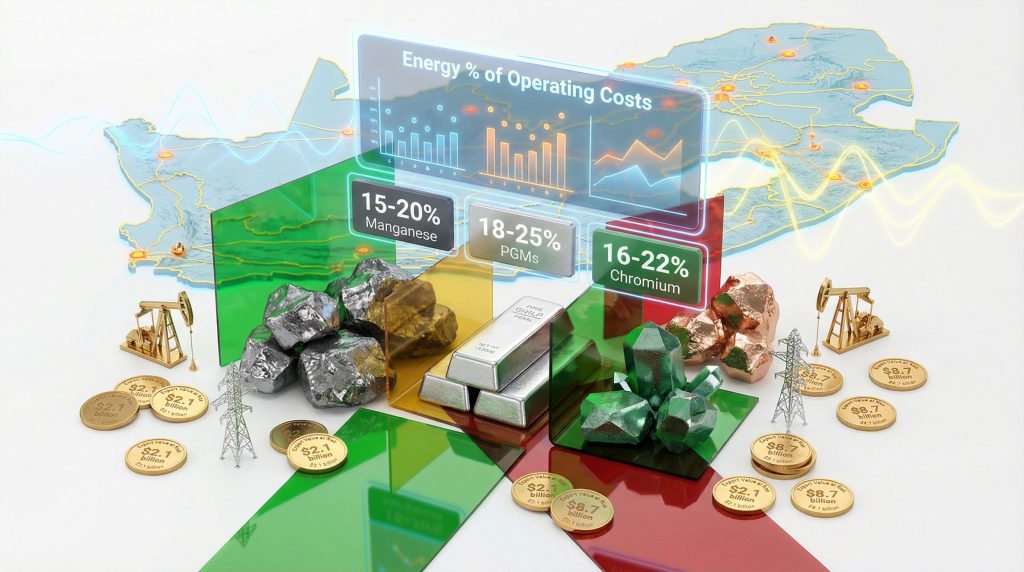
| Commodity Sector | Global Market Position | Primary Export Destinations | Energy Intensity Level |
|---|---|---|---|
| Manganese Ore | World's largest producer | Asian and European steel producers | High transport dependency |
| Platinum Group Metals | Dominant global supplier | Automotive and industrial markets | High processing energy needs |
| Chromium | Major global producer | Stainless steel manufacturers | Moderate energy intensity |
| Iron Ore | Regional supplier | Asia-Pacific steel mills | High rail transport costs |
The manganese sector faces particular vulnerability due to its dependence on rail transport networks to reach coastal ports, combined with long-term supply contracts that often include fixed pricing structures. When energy costs rise rapidly, producers may find themselves locked into agreements that no longer reflect current operational realities.
Transportation and Logistics Cost Multipliers
Energy cost increases affect South African mining exports through multiple transportation stages, each creating additional cost pressures that compound the overall impact on competitiveness. Rail transport, which moves the majority of mineral exports from inland mining regions to ports, represents a particularly significant cost component.
The interconnected nature of global shipping networks means that adjustments in routing patterns can tighten available capacity and raise costs for exporters, independent of direct fuel input expenses. These capacity constraints create additional pressure on freight rates, particularly affecting bulk commodity exports that require specialised vessel types.
Sectoral Analysis of Energy-Related Export Risks
Manganese Operations: Market Leadership Under Pressure
South Africa's manganese mining sector exemplifies the challenges facing energy-intensive mineral exports. As the world's largest producer, the sector supplies critical inputs to global steel manufacturing, but faces mounting pressure from energy cost increases across multiple operational areas.
The sector's vulnerability stems from several interconnected factors:
- High energy intensity in ore processing and beneficiation
- Rail transport dependency for moving products to coastal export terminals
- Competition from emerging producers in regions with lower energy costs
- Long-term contract structures that may not adequately account for energy cost volatility
Much of South Africa's manganese production flows to steel producers in Asia and Europe, making the sector particularly exposed to disruptions in global shipping routes and fluctuations in freight costs.
Platinum Group Metals: Premium Products, Premium Costs
The platinum group metals (PGM) sector, while producing higher-value outputs per unit, faces significant energy-related challenges due to the complex nature of extraction and processing operations. Deep-mine operations require substantial electricity inputs, while the specialised refining processes needed to produce market-ready PGMs demand consistent, high-quality energy supplies.
PGM Sector Energy Challenges:
- Deep underground mining operations requiring continuous power
- Complex multi-stage refining processes with high electricity demands
- Specialised transport requirements for high-value products
- International pricing pressures despite premium product positioning
The sector's exposure to energy costs is compounded by its role in emerging technology applications, particularly in automotive catalytic converters and industrial processes, where supply reliability is critical for maintaining long-term customer relationships.
Global Market Dynamics and Competitive Positioning
The current energy cost environment is reshaping competitive dynamics across global mineral markets, with South African producers facing intensified competition from operations in regions with more stable energy costs or alternative energy sources.
Competitive Pressure Points:
- Australian mineral producers benefiting from renewable energy adoption
- Chilean copper and lithium operations leveraging solar energy advantages
- Canadian mining operations with access to hydroelectric power
- Brazilian iron ore producers with established energy infrastructure
These competitive pressures are particularly acute for commodities where South Africa competes directly with other major producers, as energy cost advantages can translate into significant pricing flexibility in global markets.
Demand-Side Considerations
Despite energy cost pressures, several factors continue to support demand for South African mineral exports. The global energy transition is driving increased demand for platinum group metals in hydrogen fuel cell applications, while infrastructure development in emerging markets maintains steady demand for steel-making inputs like manganese.
However, the relationship between energy costs and final demand is becoming increasingly complex, as downstream industries also face their own energy cost pressures, potentially affecting their ability to absorb higher input costs from mineral suppliers.
Strategic Adaptation and Operational Efficiency
South African mining operations are implementing various strategies to mitigate energy-related cost pressures, though the effectiveness of these approaches varies significantly across different commodity sectors and operational scales.
Energy Cost Mitigation Strategies:
- Renewable energy installations at mine sites to reduce grid dependency
- Equipment modernisation programs focusing on fuel efficiency improvements
- Process optimisation technologies to reduce overall energy consumption
- Energy management systems for better demand forecasting and load balancing
The implementation timeline for significant energy efficiency measures typically requires 12-18 months for major infrastructure changes. In addition, innovations in electric mining transport are helping reduce operational fuel costs, though some immediate cost-reduction measures can be deployed more rapidly.
Technology Integration and Efficiency Gains
Mining operations are increasingly adopting advanced technologies to optimise energy consumption across their value chains. These include automated systems for equipment operation, predictive maintenance programs to ensure optimal equipment efficiency, and integrated energy management platforms that can respond dynamically to energy price fluctuations.
Furthermore, sustainable mining innovations are becoming essential for maintaining competitiveness in global markets. However, the capital investment requirements for comprehensive energy efficiency upgrades can be substantial, requiring mining companies to balance immediate cost pressures against longer-term efficiency gains.
Policy Frameworks and Government Response
The South African government has recognised the strategic importance of maintaining the competitiveness of the mineral export sector in the face of rising energy costs and South Africa mining exports challenges. Policy responses have focused on both immediate support measures and longer-term structural reforms to address energy security challenges.
Government Policy Initiatives:
- Development of special economic zones focused on mineral beneficiation
- Independent power producer programs to diversify energy sources
- Infrastructure investment coordination between public and private sectors
- Regional energy cooperation agreements to improve supply security
These policy initiatives aim to address both the immediate challenges posed by energy cost volatility and the longer-term structural issues affecting the sector's competitiveness.
Regulatory Environment and Investment Climate
The regulatory framework governing South Africa's mining sector continues to evolve in response to changing energy market conditions. This includes policies aimed at encouraging local beneficiation of mineral resources, which can potentially offset some transport-related energy costs by adding value closer to the point of extraction.
However, the effectiveness of these policies depends significantly on their implementation timeline and the ability to coordinate across multiple government departments and agencies.
The next major ASX story will hit our subscribers first
Long-Term Strategic Implications
The current energy cost environment is accelerating strategic shifts within South Africa's mining sector that may have lasting implications for the structure and competitiveness of mineral exports.
Strategic Repositioning Trends:
- Increased focus on local beneficiation to capture more value from mineral resources
- Direct bilateral supply agreements to reduce exposure to spot market volatility
- Technology-driven efficiency improvements across the entire value chain
- Diversification of energy sources to reduce dependence on traditional fossil fuels
These strategic shifts represent fundamental changes in how mining operations approach energy management and market positioning. For instance, green iron production initiatives are demonstrating how innovative approaches can create competitive advantages with implications that extend well beyond the current period of energy cost volatility.
Investment and Exploration Implications
Rising operational costs are affecting investment decisions across the mining sector, with particular impact on exploration spending and new project development. The economics of marginal projects are becoming increasingly challenging, while established operations are prioritising efficiency improvements over expansion.
Investment Impact Areas:
- New project development facing higher hurdle rates due to energy cost uncertainty
- Exploration programmes being reassessed based on energy intensity requirements
- Technology adoption accelerating as companies seek efficiency gains
- International partnerships becoming more important for accessing capital and expertise
Market Psychology and Investor Sentiment
The intersection of rising energy costs and South Africa mining exports has created complex dynamics in investor sentiment toward the sector. While some commodities benefit from supply constraints that support higher prices, the cost pressures associated with energy volatility create uncertainty about profit margins and long-term sustainability.
International investors are increasingly focusing on mining operations' ability to adapt to energy cost volatility, with particular attention to renewable energy adoption, operational efficiency improvements, and strategic positioning relative to global competitors. Additionally, the mining decarbonisation benefits are becoming key factors in investment decisions.
Risk Assessment and Portfolio Implications
Investment analysts are developing new frameworks for assessing mining sector exposure to energy cost risks, incorporating factors such as energy intensity ratios, geographic exposure to energy supply disruptions, and the flexibility of operations to adapt to changing cost structures.
These evolving risk assessment approaches are influencing capital allocation decisions and affecting the relative attractiveness of different commodity sectors within South Africa's mining industry.
Regional Economic Development Considerations
The challenges facing South Africa's mining exports have broader implications for regional economic development, particularly in mining-dependent communities where the sector serves as a primary economic driver.
Energy cost pressures affect not only direct employment in mining operations but also the extensive network of support services, transportation companies, and regional businesses that depend on mining activity. The multiplier effects of changes in mining sector competitiveness can have significant impacts on regional employment and economic development.
Regional Economic Impact Factors:
- Direct employment in mining operations and processing facilities
- Indirect employment in logistics, maintenance, and support services
- Regional business activity dependent on mining sector demand
- Government revenue from mining-related taxation and royalties
The sustainability of these regional economic benefits depends significantly on the mining sector's ability to maintain competitiveness despite rising energy costs. However, Africa's energy poverty continues to impact mining operations and broader economic development across the continent.
Disclaimer: This analysis is based on publicly available information and industry observations. Readers should conduct their own research and consult with qualified professionals before making investment decisions. The mining sector involves significant risks, and energy cost volatility represents only one of many factors that can affect operational and investment outcomes. Past performance does not guarantee future results, and commodity markets can be highly volatile.
Ready to Capitalise on Mining Sector Opportunities?
Discovery Alert's proprietary Discovery IQ model delivers instant notifications on significant ASX mineral discoveries, providing subscribers with actionable insights to identify opportunities ahead of the broader market. Begin your 14-day free trial today and position yourself to take advantage of market-leading opportunities in the evolving mining landscape.