May 17, 2026
Alternative trade architectures are reshaping global commodity markets as traditional supply chains face unprecedented disruption. The evolution of South-South trade corridors reflects broader shifts in geopolitical power structures, with emerging economies developing parallel systems to circumvent Western-controlled financial and logistics networks. These developments signal a fundamental transformation in how agricultural and energy commodities move across continents, creating new opportunities for strategic partnerships outside established frameworks.
Egypt's geographic positioning at the intersection of Africa, Asia, and Europe has long made it a natural gateway for international trade. Recent proposals for enhanced commodity cooperation between Russia and Egypt exemplify how sanctions-era economics are accelerating the development of alternative trade routes. The russia egypt grain and energy hub concept represents more than bilateral commerce, potentially serving as a template for similar arrangements across the developing world.
Strategic Context and Geopolitical Drivers
The emergence of alternative commodity corridors stems from multiple converging forces that extend beyond immediate sanctions responses. Egypt's role as a potential logistics hub for Russian agricultural and energy products reflects broader trends toward trade route diversification and the development of non-Western commercial networks.
Current Trade Foundation:
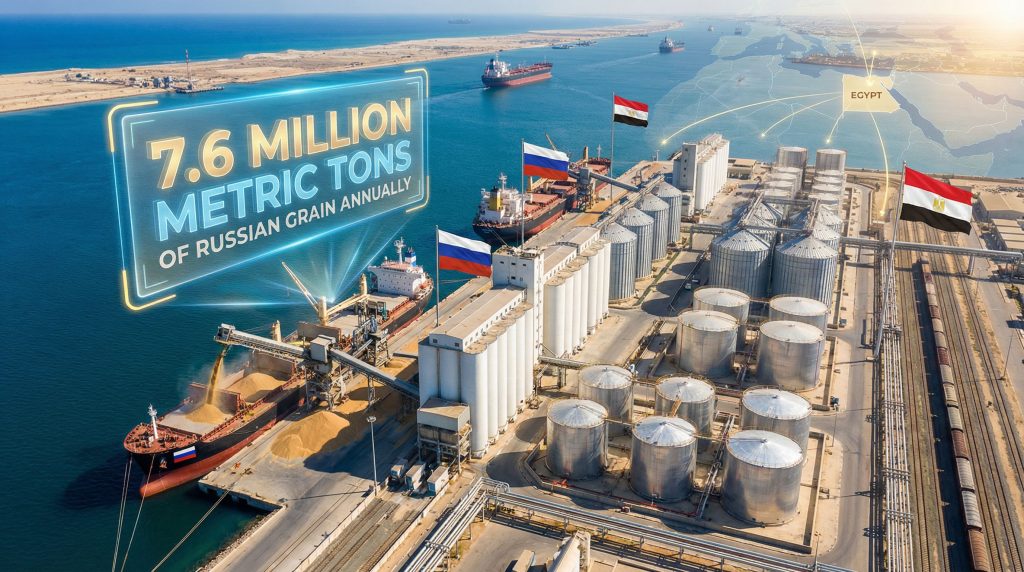
• Egypt imports approximately 7.6 million metric tons of Russian grain annually during the 2025-2026 season, according to Rusagrotrans data
• This volume remains broadly consistent with previous year levels, indicating established commercial relationships
• Egypt maintains its position as the world's largest wheat importer and Russia's leading grain customer
• Energy trade relationships include substantial Russian gasoline imports to Egypt
The proposal emerged during a Kremlin meeting on April 3, 2026, between Russian President Vladimir Putin and Egyptian Foreign Minister Badr Abdelatty, with Putin instructing his government to deepen cooperation on food supplies. However, implementation faces immediate challenges, as Russia announced a temporary gasoline export ban effective through July 31, 2026, directly constraining energy cooperation during critical planning phases.
Egypt's attractiveness as a redistribution platform extends beyond existing bilateral trade. Analysis suggests the arrangement could enable Egypt to serve third markets across Africa and the Middle East, leveraging its established port infrastructure and strategic Mediterranean access. This positioning aligns with Russia's broader strategy of developing South-South trade routes, including similar discussions regarding a potential grain hub in Oman.
Furthermore, these developments demonstrate how tariffs impact markets across multiple sectors. The October 2026 Russia-Africa summit provides institutional context for these bilateral arrangements, with Egyptian President Abdel Fattah al-Sisi invited to attend. This diplomatic framework suggests the russia egypt grain and energy hub concept forms part of a wider systematic approach to alternative trade architecture development.
When big ASX news breaks, our subscribers know first
Geographic and Infrastructure Advantages
Egypt's appeal as a commodity logistics partner stems from multiple strategic factors that create value beyond simple bilateral trade arrangements. The country's established infrastructure and commercial relationships provide foundations for expanded operations while its geographic position offers unique market access advantages.
Strategic Location Benefits
Egypt's Mediterranean coastline provides direct access to European markets while the Suez Canal facilitates global shipping connectivity. The canal handles approximately 12% of global maritime trade flows, offering Russian commodities multiple routing options for reaching diverse markets. This geographic advantage becomes particularly valuable as traditional export routes face restrictions or become politically complicated.
The country's position as a bridge between Africa and Asia creates natural distribution opportunities. Egyptian ports can serve as staging areas for onward shipment to Sub-Saharan African markets, where Russian grain faces fewer political obstacles compared to European destinations. Similarly, energy products can be distributed across North African and Middle Eastern markets through established pipeline and trucking networks.
Current Infrastructure Capacity
Egyptian port infrastructure already handles substantial Russian grain volumes, providing operational experience and established procedures. The country's existing storage facilities and handling equipment reduce the capital investment requirements compared to developing entirely new logistics networks elsewhere.
Operational Advantages:
• Established grain handling and storage facilities at major ports
• Quality control and certification systems already operational
• Payment mechanisms and banking relationships in place
• Workforce experienced in handling large commodity volumes
Energy infrastructure presents additional opportunities, with Egypt's refining capacity and distribution networks providing value-added processing potential. The country's growing role as a regional energy hub, including LNG operations, could complement Russian energy product distribution strategies.
Operational Models and Implementation Scenarios
The russia egypt grain and energy hub could manifest through several distinct operational frameworks, each with different strategic implications and capital requirements. Understanding these models helps assess both opportunity potential and implementation challenges.
| Model Type | Primary Function | Capital Requirements | Market Impact |
|---|---|---|---|
| Storage Hub | Bulk commodity warehousing | Medium | Regional price stability |
| Processing Center | Value-added manufacturing | High | Employment generation |
| Financial Hub | Trade settlement services | Medium | Currency diversification |
| Integrated Complex | Combined operations | Very High | Maximum strategic value |
Storage and Transshipment Operations
The most straightforward implementation involves expanding existing storage capacity to handle increased Russian grain volumes for regional redistribution. This model requires moderate capital investment while leveraging established infrastructure and operational expertise.
Current Egyptian grain storage capacity could be expanded to accommodate seasonal fluctuations in Russian exports, particularly during harvest periods when Russian domestic consumption is lower. Storage operations would enable Egypt to purchase large volumes during optimal pricing periods and distribute throughout the year based on regional demand patterns.
Transshipment Benefits:
• Reduced logistics costs through consolidated shipping
• Quality blending opportunities for different grain grades
• Risk mitigation through diversified destination markets
• Enhanced negotiating power with shipping companies
Value-Added Processing Development
More ambitious arrangements could involve establishing grain processing facilities within Egyptian industrial zones. This approach would create higher-value products while generating employment and technology transfer opportunities.
Processing operations might include flour milling, feed production, or specialised grain products for regional markets. Such facilities would reduce transportation costs for final products while enabling Egypt to capture additional value from Russian raw materials.
Energy processing presents similar opportunities, with Russian petroleum products potentially refined or blended within Egyptian facilities before regional distribution. This model requires substantial capital investment but offers the highest potential returns and strategic value.
Economic Implications and Market Dynamics
The development of a russia egypt grain and energy hub would create ripple effects across regional commodity markets, potentially altering pricing dynamics, supply security, and competitive relationships throughout North Africa and the Middle East.
Regional Supply Chain Impact
Enhanced Russian grain availability through Egyptian distribution channels could reduce price volatility for African importers who currently face supply uncertainty. Many African countries struggle with food security due to limited foreign currency reserves and unreliable supply chains. A regional hub could provide more predictable access to essential commodities.
Market Stabilisation Effects:
• Reduced dependency on volatile spot market purchases
• Enhanced food security through reliable supply sources
• Competitive pressure on traditional suppliers from Europe and North America
• Development of alternative financing mechanisms for commodity trade
Current wheat prices in regional markets often reflect supply uncertainty premiums, particularly for countries with limited storage infrastructure or foreign currency constraints. A well-functioning hub could reduce these premiums while enabling smaller countries to benefit from consolidated purchasing power.
Egypt's Economic Benefits
Beyond transit fees and storage revenue, Egypt could capture significant economic value through job creation, infrastructure development, and enhanced regional influence. The country's logistics sector would benefit from expanded operations while creating multiplier effects throughout the economy.
Revenue Generation Sources:
• Port handling and storage fees
• Transportation and logistics services
• Processing and value-addition operations
• Financial services and trade financing
Egypt's position as a commodity hub would also enhance its negotiating power with other suppliers. The country could leverage competition between Russian and alternative sources to secure better terms for domestic consumption while maximising revenue from re-export operations.
In addition, understanding broader trade war impacts helps contextualise these regional developments within global economic shifts.
Sanctions Navigation and Regulatory Challenges
The viability of expanded russia egypt grain and energy hub operations depends heavily on successfully navigating complex international sanctions regimes and export restrictions that continue evolving based on geopolitical developments.
Current Constraint Analysis
Russian export limitations directly affect hub development timelines and scope. The temporary gasoline export ban through July 31, 2026, constrains energy cooperation during critical infrastructure planning phases. Similarly, grain export quotas may limit the volumes available for hub operations versus domestic Russian consumption requirements.
Active Export Restrictions:
• Temporary gasoline export prohibition affecting energy operations
• Seasonal grain export quotas limiting available volumes
• Payment system restrictions complicating trade financing
• Insurance limitations affecting large commodity holdings
Sanctions compliance requirements extend beyond direct Russia-Egypt trade to encompass third-party transactions and re-export activities. Egyptian companies handling Russian commodities must navigate potential secondary sanctions while ensuring compliance with banking and shipping regulations across multiple jurisdictions.
Mitigation Strategies and Workarounds
Alternative payment mechanisms could enable continued trade despite banking restrictions. Local currency settlements, barter arrangements, or third-country banking services might provide operational flexibility while maintaining regulatory compliance.
Potential Solutions:
• Yuan or Egyptian pound-denominated transactions
• Third-country processing arrangements to alter commodity origin
• Seasonal timing coordination with Russian export windows
• Compliance-focused legal and operational structures
The development of alternative financial settlement systems through organisations like BRICS could provide institutional support for sanctions-resistant trade mechanisms. Egypt's participation in such frameworks would enhance its ability to facilitate South-South commodity flows.
Broader Geopolitical Implications
The russia egypt grain and energy hub concept extends beyond bilateral commercial arrangements to represent a model for sanctions-era economic relationships and alternative trade architecture development.
Regional Influence Dynamics
Egypt's role as a commodity redistribution platform could enhance its regional influence while providing Russia with sustained market access despite Western restrictions. This positioning would strengthen both countries' diplomatic leverage across Africa and the Middle East.
The arrangement demonstrates how middle powers can benefit from great power competition by positioning themselves as essential intermediaries. Egypt's non-aligned foreign policy approach enables it to maintain relationships with multiple blocs while capturing economic value from geopolitical tensions.
Strategic Positioning Benefits:
• Enhanced regional diplomatic influence
• Diversified economic partnerships reducing Western dependency
• Template for other South-South cooperation initiatives
• Leverage in negotiations with traditional Western partners
Global Trade Architecture Evolution
This cooperation exemplifies the acceleration of trade route diversification trends that pre-date current sanctions regimes but have intensified due to geopolitical tensions. The development of parallel economic systems reduces reliance on Western-controlled financial and logistics networks.
Similar arrangements between Russia and other emerging economies could create a network of commodity hubs that collectively reshape global trade patterns. Such networks would provide alternatives to traditional routes while reducing the effectiveness of economic sanctions as foreign policy tools.
The initiative aligns with broader trends toward regionalised supply chains and reduced globalisation. As countries prioritise supply security over efficiency optimisation, regional hubs become more attractive despite potentially higher costs compared to global optimisation models.
The next major ASX story will hit our subscribers first
Implementation Challenges and Risk Factors
Several structural and operational challenges could limit the effectiveness of russia egypt grain and energy hub development, requiring careful planning and substantial investment to overcome.
Infrastructure and Capacity Constraints
Egyptian port capacity expansion would require significant capital investment to handle increased commodity volumes. Current infrastructure, while substantial, may not accommodate the scale necessary for regional hub operations without major upgrades.
Infrastructure Requirements:
• Expanded bulk storage facilities for grain and energy products
• Enhanced port handling equipment and berth capacity
• Improved transportation networks connecting ports to inland distribution centres
• Advanced quality control and testing facilities
Storage infrastructure presents particular challenges for energy products, requiring specialised facilities that meet international safety and environmental standards. The capital intensity of such investments may require international financing that could be complicated by sanctions considerations.
Financial and Regulatory Hurdles
Financing requirements for major infrastructure development exceed Egypt's current fiscal capacity, necessitating either Russian investment or third-party funding sources. International banks may be reluctant to finance projects with significant Russian involvement due to reputational and regulatory risks.
Implementation Barriers:
• Limited domestic capital availability for infrastructure investment
• International financing constraints due to sanctions concerns
• Complex regulatory compliance across multiple jurisdictions
• Insurance availability and pricing for commodity operations
Technical expertise development represents another constraint, as hub operations require specialised knowledge in commodity trading, logistics management, and international regulatory compliance. Egypt would need to develop or import such expertise while ensuring operational security and commercial confidentiality.
Furthermore, tariff policy implications demonstrate how international trade policies create additional layers of complexity for such arrangements.
Competitive Responses and Market Adaptation
The development of a russia egypt grain and energy hub would likely trigger competitive responses from traditional suppliers and alternative arrangements from other regional players seeking similar strategic advantages.
Traditional Supplier Reactions
European, American, and Australian grain exporters might respond with enhanced financing terms, improved logistics services, or political pressure to limit Egyptian cooperation with Russia. These responses could include preferential credit arrangements or infrastructure investment offers designed to maintain market share.
Potential Competitive Measures:
• Enhanced trade financing and credit terms from Western suppliers
• Infrastructure investment proposals for alternative hub arrangements
• Political and diplomatic pressure on Egypt to limit Russian cooperation
• Development of competing hub facilities in other regional locations
Energy market competition could intensify as traditional suppliers seek to prevent Russian market share expansion through Egyptian redistribution. This competition might benefit Egypt through improved terms and increased investment in energy infrastructure.
Regional Replication Potential
Success of the russia egypt grain and energy hub could inspire similar arrangements with other regional partners. Morocco, Tunisia, or Algeria might explore comparable cooperation frameworks, creating a network of Russian-aligned commodity distribution centres across North Africa.
Such replication would enhance Russia's market access while providing participating countries with increased leverage in negotiations with traditional suppliers. The development of multiple hubs could create redundancy that improves supply security for African importers while reducing Western influence over regional commodity markets.
Investment Opportunities and Business Implications
The russia egypt grain and energy hub development creates diverse business opportunities while presenting strategic risks that require careful evaluation by potential investors and commercial partners.
Opportunity Sectors
Logistics and transportation services represent the most immediate business opportunities, with demand for specialised shipping, trucking, and warehousing services likely to increase substantially. Companies with expertise in bulk commodity handling could benefit from expanded operations.
Business Development Prospects:
• Specialised commodity transportation and handling services
• Infrastructure construction and engineering projects
• Technology and equipment supply for storage and processing facilities
• Trade financing and risk management services
Financial services opportunities include trade financing, currency hedging, and insurance services tailored to sanctions-era trading requirements. Companies capable of navigating complex regulatory environments while providing competitive commercial terms could capture significant market share.
Risk Considerations
Regulatory compliance complexity represents the primary business risk, with requirements changing based on evolving sanctions regimes and geopolitical developments. Companies must maintain flexibility while ensuring operations remain legally compliant across all relevant jurisdictions.
Strategic Business Risks:
• Evolving sanctions and regulatory requirements
• Geopolitical volatility affecting operational continuity
• Infrastructure investment recovery periods extending due to market disruptions
• Reputational risks associated with sanctions-era commerce
Market access uncertainty creates additional investment risks, as changing political relationships could affect hub viability and profitability. Companies considering involvement must assess their risk tolerance for operations dependent on geopolitical stability.
Sector-Specific Impacts and Considerations
Energy Market Dynamics
The energy component of the russia egypt grain and energy hub faces particular challenges due to oil market disruptions that have characterised recent years. However, Russian petroleum products could find alternative pathways through Egyptian infrastructure, particularly if processing capabilities are developed to add value before re-export.
Egypt's existing refinery capacity provides opportunities for Russian crude oil processing, though sanctions compliance requires careful structuring of such arrangements. The country's growing LNG sector could also complement Russian gas exports through alternative routing mechanisms.
Strategic Resource Control
Understanding export control dynamics becomes crucial as countries increasingly use commodity access as geopolitical leverage. Egypt's role as an intermediary could provide buffer effects against such restrictions while creating alternative supply security for regional partners.
The development of storage and processing capabilities for strategic materials could position Egypt as a regional resilience hub, reducing dependency on single-source suppliers and creating flexibility in supply chain management.
Future Scenarios and Strategic Projections
The evolution of russia egypt grain and energy hub cooperation could follow several distinct pathways, each with different implications for regional trade patterns and global commodity markets.
Limited Implementation Scenario
Infrastructure constraints and regulatory challenges could limit hub development to modest scale operations that provide incremental benefits without fundamentally altering regional trade dynamics. This outcome might result from insufficient capital availability, continued sanctions pressure, or operational difficulties that prevent scaling.
Under limited implementation, Egypt would capture modest revenue increases from expanded Russian trade while avoiding major infrastructure investments or geopolitical complications. This scenario maintains current trade relationships while providing flexibility to adjust cooperation based on changing circumstances.
Strategic Success Scenario
Full hub development could create a significant alternative trade corridor that enhances both countries' strategic positions while influencing regional commodity markets. This outcome requires successful infrastructure development, regulatory compliance, and sustained political commitment from both governments.
According to Russia proposes new grain hub in Egypt, the proposal involves significant volumes that could reshape regional trade patterns. Strategic success would position Egypt as a major regional commodity hub while providing Russia with reliable market access despite Western restrictions.
Regional African and Middle Eastern importers would benefit from enhanced supply security and competitive pricing enabled by alternative sourcing options. This scenario could accelerate Russia's establishment of a massive energy and grain center that fundamentally alters North African trade dynamics.
Network Expansion Model
The most transformative scenario involves replication across multiple countries, creating a network of Russia-aligned commodity hubs that collectively reshape global trade patterns. This expansion model would reduce Western influence over international commodity markets while strengthening South-South economic relationships.
Network development could accelerate alternative financial system adoption, reduce sanctions effectiveness, and create new centres of economic power outside traditional Western-dominated frameworks. Such changes would represent fundamental shifts in global economic architecture rather than tactical sanctions workarounds.
The russia egypt grain and energy hub proposal represents more than bilateral commercial cooperation, exemplifying emerging alternative economic architectures designed to operate within and around existing sanctions frameworks. Implementation success depends on operational execution, regulatory navigation, and broader evolution of global trade relationships in an increasingly multipolar environment.
Disclaimer: This analysis is based on publicly available information and should not be construed as investment advice. Commodity markets and geopolitical developments involve substantial risks and uncertainties. Readers should conduct their own research and consult qualified professionals before making investment or business decisions related to international commodity trade.
The development of alternative trade corridors reflects broader structural changes in the global economy as emerging markets seek greater independence from Western-controlled systems. Whether the russia egypt grain and energy hub succeeds in its ambitious goals or faces implementation challenges, it demonstrates the growing appetite for South-South economic cooperation and the evolution of sanctions-resistant commerce networks.
Looking to Capitalise on Emerging Commodity Market Shifts?
Discovery Alert's proprietary Discovery IQ model delivers real-time notifications on significant ASX mineral discoveries, helping investors identify actionable opportunities as global trade patterns evolve and create new market dynamics. With alternative commodity corridors reshaping traditional supply chains, begin your 14-day free trial today to stay ahead of market-moving developments in the resources sector.