
May 19, 2026
How Federal Agencies Coordinate Water Contamination Response Protocols
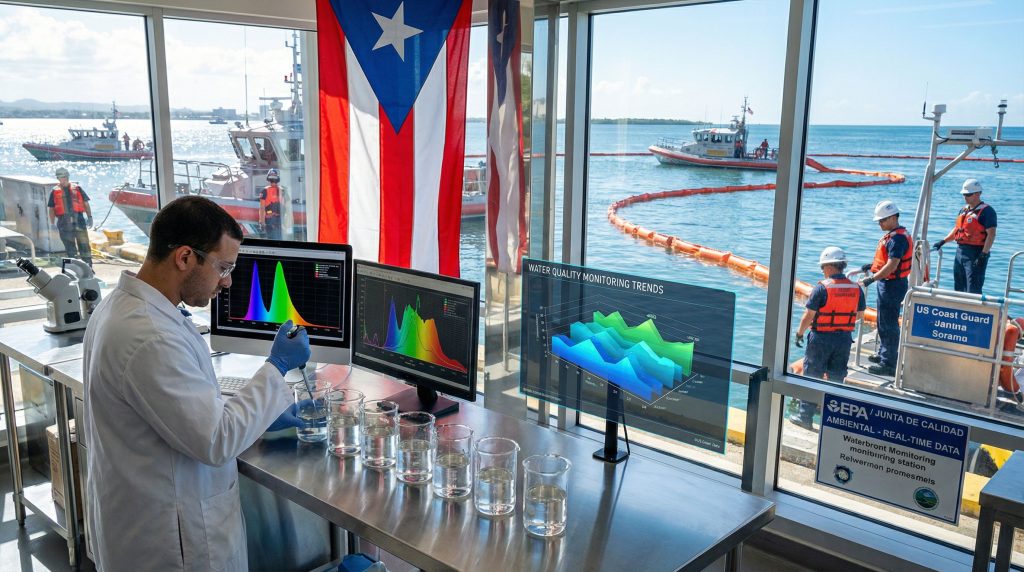
Environmental agencies across the United States operate within a complex multi-tiered framework designed to address water contamination emergencies through coordinated response mechanisms. When contamination events threaten public health, federal oversight combines with territorial and local authorities to implement comprehensive monitoring and remediation protocols. The San Juan water contamination investigation exemplifies how these coordinated efforts address complex environmental challenges while protecting public health.
Coast Guard's Role in Maritime Pollution Investigation
The U.S. Coast Guard serves as the primary federal maritime enforcement agency for pollution incidents affecting coastal waters and harbors. During contamination events, specialized pollution response teams deploy advanced detection equipment to identify petroleum products and trace their origins through chemical fingerprinting techniques.
Furthermore, Coast Guard Sector offices maintain 24-hour response capabilities, coordinating with multiple agencies including the Environmental Protection Agency, territorial environmental departments, and local health authorities. Their standard operating procedures include immediate water sampling, contamination source identification, and implementation of containment measures to prevent further environmental damage.
Additionally, maritime pollution investigations follow established protocols that prioritize public health protection while gathering forensic evidence. Response teams document contamination patterns, assess environmental impact zones, and coordinate cleanup operations with specialized contractors trained in petroleum product recovery.
EPA's Water Quality Monitoring Standards in Puerto Rico
Federal oversight of territorial water systems involves comprehensive monitoring programs designed to detect contamination events before they threaten public health. The Environmental Protection Agency maintains established baseline parameters for various contaminants, including heavy metals, petroleum products, and industrial chemicals.
However, emergency response protocols activate when monitoring data indicates contamination levels exceeding federal safety thresholds. EPA regional offices coordinate with territorial environmental agencies to implement immediate protective measures while conducting detailed source investigations.
Moreover, water quality assessment procedures include systematic sampling across affected watersheds, laboratory analysis using standardised testing methods, and continuous monitoring to track contamination migration patterns. These protocols ensure comprehensive documentation of environmental impact and support evidence-based cleanup decisions.
When big ASX news breaks, our subscribers know first
What Laboratory Analysis Revealed About Petroleum Contamination Sources
Advanced analytical techniques enable investigators to trace contamination sources through detailed chemical analysis of water samples and petroleum products. Laboratory procedures combine multiple testing methods to create comprehensive contamination profiles that support source identification and legal proceedings.
Chemical Fingerprinting Methods Used to Trace Oil Origins
Spectroscopic analysis represents the primary method for identifying petroleum product sources during contamination investigations. Gas chromatography-mass spectrometry (GC-MS) creates detailed chemical signatures that investigators compare against databases of known petroleum products and potential sources.
In addition, chemical fingerprinting involves analysing hydrocarbon ratios, additive compounds, and degradation products to establish contamination timelines and source materials. These techniques can distinguish between different petroleum products, identify weathering patterns, and trace contamination back to specific facilities or infrastructure components.
Consequently, database comparison protocols utilise extensive libraries of petroleum product signatures collected from regional refineries, storage facilities, and distribution networks. Investigators cross-reference analytical results with these databases to identify potential sources and establish evidence chains for enforcement proceedings.
Legacy Infrastructure Assessment Findings
Aging petroleum infrastructure presents ongoing contamination risks that require systematic evaluation and monitoring. Assessment protocols examine pipeline integrity, storage tank conditions, and distribution system vulnerabilities to identify potential failure points before contamination occurs.
Infrastructure evaluation techniques include:
- Pipeline pressure testing and integrity assessment
- Storage tank bottom sampling and leak detection
- Soil contamination monitoring around aging facilities
- Groundwater quality assessment in proximity to petroleum infrastructure
- Historical discharge record analysis for compliance patterns
Furthermore, risk assessment protocols consider infrastructure age, maintenance history, and environmental sensitivity of surrounding areas. These evaluations support preventive maintenance programs and emergency response planning to minimise contamination potential.
Why Puerto Rico's Water Infrastructure Faces Systemic Vulnerabilities
Territorial water systems face unique challenges due to geographic isolation, aging infrastructure, and limited regulatory oversight capacity. These factors combine to create vulnerabilities that require specialised approaches to environmental protection and contamination response.
Regulatory Gaps in Septic System Oversight
Municipal septic system regulation varies significantly across Puerto Rico's municipalities, creating inconsistencies in environmental protection standards. Many residential areas rely on individual septic systems that receive minimal oversight, particularly in areas near sensitive water bodies.
However, inspection frequency requirements often exceed municipal capacity, resulting in delayed maintenance and increased contamination risk. Contamination patterns in lakefront properties present particular challenges due to proximity to recreational waters and drinking water sources.
Moreover, pollutant leaching from improperly maintained septic systems contributes to nutrient loading in water bodies, creating conditions that support harmful algal blooms and oxygen depletion events. These natural processes can cause fish mortality even without industrial contamination.
Industrial Discharge Permit Enforcement Challenges
Manufacturing facilities across Puerto Rico operate under federal discharge permits that require regular monitoring and compliance reporting. However, enforcement capacity limitations create gaps in oversight that may allow permit violations to persist without immediate detection.
For instance, historical compliance patterns indicate varying degrees of adherence to discharge requirements across different industrial sectors. Petroleum refining, chemical manufacturing, and pharmaceutical facilities present the highest risk for significant water quality impacts during permit violations.
Additionally, resource allocation for environmental monitoring programs affects the frequency and scope of compliance inspections. Limited funding for territorial environmental agencies reduces their capacity to maintain continuous oversight of all permitted facilities through effective waste management solutions.
How Emergency Declaration Powers Address Water Security Threats
Emergency response authorities provide governors with rapid mobilisation capabilities during water contamination crises. These powers enable immediate resource deployment while federal agencies conduct detailed investigations and implement long-term remediation strategies.
Governor's Emergency Authority Framework
Territorial emergency powers include authority to restrict water use, coordinate alternative supply sources, and direct resources toward contamination response activities. These authorities operate independently of federal investigation timelines, enabling immediate public health protection.
Furthermore, emergency declarations activate mutual aid agreements with neighbouring jurisdictions and federal agencies. Resource sharing protocols provide access to specialised equipment, technical expertise, and funding for emergency response activities.
In addition, coordination requirements ensure federal and territorial agencies maintain communication throughout emergency response operations. Regular briefings keep decision-makers informed of investigation progress and response effectiveness.
Public Health Protection Measures During Investigations
Water safety advisory procedures provide immediate public notification of contamination risks while investigations proceed. Advisory levels range from precautionary notices to complete water use restrictions based on contamination severity and exposure pathways.
Consequently, alternative water supply coordination involves mobilising bottled water distribution, activating emergency water treatment systems, and identifying alternate source options for affected communities. These measures maintain public access to safe water during extended investigation periods.
Moreover, health monitoring protocols track potential exposure effects in affected populations. Medical surveillance programs document symptoms and coordinate with healthcare providers to identify contamination-related health impacts.
Which Containment Strategies Prove Most Effective for Harbor Spills
Harbor contamination requires specialised containment approaches that account for tidal action, marine traffic, and sensitive marine ecosystems. Effective response strategies combine multiple containment methods to maximise petroleum recovery while minimising environmental impact.
Absorbent Boom Deployment Best Practices
Boom selection criteria consider petroleum product characteristics, environmental conditions, and deployment duration requirements. Different absorbent materials offer varying effectiveness for specific petroleum products and marine conditions.
However, strategic positioning maximises containment effectiveness by accounting for current patterns, wind direction, and tidal cycles. Boom deployment teams use real-time environmental data to optimise placement and maintain containment integrity throughout response operations.
Additionally, recovery operations require specialised equipment for petroleum-saturated boom disposal. Contaminated materials require proper handling and disposal according to hazardous waste regulations to prevent secondary environmental impacts.
Source Elimination Techniques for Pipeline Leaks
Emergency pipeline shutdown procedures prioritise immediate leak stoppage to minimise total discharge volumes. Response protocols include pressure isolation, emergency valve activation, and temporary plugging techniques for damaged pipeline sections.
Furthermore, temporary repair methods provide immediate leak control while permanent solutions are designed and implemented. These techniques include external clamps, epoxy compounds, and inflatable plugs designed for specific pipeline materials and pressure ratings through advanced drilling technology advancements.
Moreover, environmental monitoring during repair activities tracks contamination migration and verifies repair effectiveness. Continuous sampling ensures contamination levels decrease following source elimination and guides ongoing response activities.
What Long-Term Solutions Address Puerto Rico's Water Quality Challenges
Systemic improvements to Puerto Rico's water infrastructure require comprehensive planning that addresses aging systems, regulatory gaps, and enforcement capacity limitations. Long-term solutions combine infrastructure modernisation with enhanced regulatory oversight and sustainability transformation initiatives.
Infrastructure Modernisation Requirements
Federal funding mechanisms support water system upgrades through various grant and loan programs designed specifically for territorial infrastructure needs. These programs prioritise projects that address public health risks and environmental vulnerabilities.
Modernisation priorities include:
- Pipeline replacement for aging petroleum infrastructure
- Septic system upgrades in environmentally sensitive areas
- Advanced monitoring system installation for early contamination detection
- Treatment facility improvements to meet current regulatory standards
- Emergency response equipment procurement and maintenance
Furthermore, implementation timelines balance urgent public health needs with available funding and technical capacity. Phased approaches prioritise high-risk areas while developing long-term improvement strategies that demonstrate significant mine reclamation benefits.
Regulatory Reform Priorities for Territorial Water Management
Enhanced enforcement capacity requires increased funding for territorial environmental agencies and improved coordination between federal and local authorities. Training programs ensure personnel maintain current expertise in contamination detection and response.
In addition, inter-agency coordination improvements focus on communication protocols, shared database systems, and joint training exercises. These measures ensure rapid information sharing during contamination events and eliminate response delays caused by jurisdictional confusion.
Moreover, public participation frameworks engage communities in environmental oversight through citizen monitoring programs and transparent reporting systems. Community involvement improves contamination detection while building public support for environmental protection programs.
The next major ASX story will hit our subscribers first
How This Investigation Impacts Future Water Security Policies
Water contamination investigations provide valuable insights that inform policy development and improve response capabilities. Lessons learned from territorial contamination events contribute to enhanced federal guidelines and territorial regulatory frameworks through comprehensive decarbonisation benefits analysis.
Lessons Learned for Maritime Contamination Response
Protocol refinements based on case study analysis improve response effectiveness and reduce environmental impact during future incidents. Documentation of successful techniques and identified shortcomings guides training program development and equipment procurement.
However, technology upgrades focus on early detection capabilities and rapid response deployment. Advanced monitoring systems provide real-time contamination alerts that enable faster response initiation and more effective containment operations.
Additionally, training requirements ensure response personnel maintain current expertise in evolving contamination response techniques. Regular exercises test coordination protocols and identify areas requiring improvement before actual emergencies occur.
Implications for Territorial Environmental Governance
Federal oversight balance requires careful consideration of territorial autonomy and federal environmental protection responsibilities. Policy development seeks to enhance environmental protection while respecting territorial governance structures.
Furthermore, resource allocation priorities balance prevention investments with response capability maintenance. Cost-benefit analysis guides decision-making to maximise environmental protection within available funding constraints.
Consequently, community engagement frameworks ensure public participation in environmental policy development. Transparent decision-making processes build public trust and support for environmental protection programs while addressing the ongoing San Juan water contamination investigation outcomes.
"Environmental protection requires coordinated efforts between federal, territorial, and local agencies to ensure comprehensive response capabilities," according to federal environmental officials.
Disclaimer: This analysis is based on publicly available information and general regulatory frameworks. Specific contamination events may involve unique circumstances requiring specialised response approaches. Readers should consult official sources for current information regarding specific water quality incidents or regulatory requirements.
Frequently Asked Questions About San Juan Water Contamination Investigation
What agencies are leading the water contamination investigation in San Juan?
The U.S. Coast Guard Sector San Juan leads the maritime pollution response, coordinating with EPA, Puerto Rico Environmental Quality Board, and local health departments. Multi-agency coordination ensures comprehensive investigation coverage and prevents jurisdictional gaps that could delay response activities.
How do investigators trace petroleum contamination to its source?
Laboratory analysis uses chemical fingerprinting techniques to match contamination samples with potential source materials, creating a forensic trail back to the origin point. Gas chromatography-mass spectrometry provides detailed chemical signatures that investigators compare against databases of known petroleum products.
What emergency powers help address water contamination crises?
Territorial governors can declare emergencies to mobilise resources, coordinate federal assistance, and implement protective measures for public health during contamination events. These authorities enable immediate response while federal investigations proceed through established protocols for the San Juan water contamination investigation.
How effective are current containment methods for harbor oil spills?
Absorbent boom deployment and source plugging techniques show high success rates when implemented rapidly, though effectiveness depends on spill volume and environmental conditions. Strategic positioning and proper material selection maximise containment efficiency during marine petroleum spills.
What long-term solutions address water infrastructure vulnerabilities?
Infrastructure modernisation programs focus on pipeline replacement, monitoring system upgrades, and regulatory capacity building. Federal funding mechanisms support territorial water system improvements while enhanced oversight ensures ongoing environmental protection for future San Juan water contamination investigation scenarios.
Ready to Stay Ahead of Environmental Investment Opportunities?
Discovery Alert's proprietary Discovery IQ model delivers real-time alerts on significant ASX mineral discoveries, empowering subscribers to identify actionable opportunities in the environmental services and remediation sectors ahead of the broader market. Begin your 30-day free trial today and position yourself to capitalise on the growing demand for advanced environmental monitoring and water treatment technologies.