June 13, 2026
What's Driving the Current Silver Price Rally in Global Markets?
Global commodity markets have experienced unprecedented volatility across precious metals during the past year, with silver emerging as a standout performer amid shifting investment flows and industrial demand patterns. The current silver price rally reflects broader economic uncertainties while highlighting unique supply-demand dynamics that differentiate it from traditional safe-haven assets like gold. Understanding these market forces reveals both the opportunities and risks facing investors navigating today's complex commodity landscape.
When big ASX news breaks, our subscribers know first
Understanding Silver's 180% Annual Performance Surge
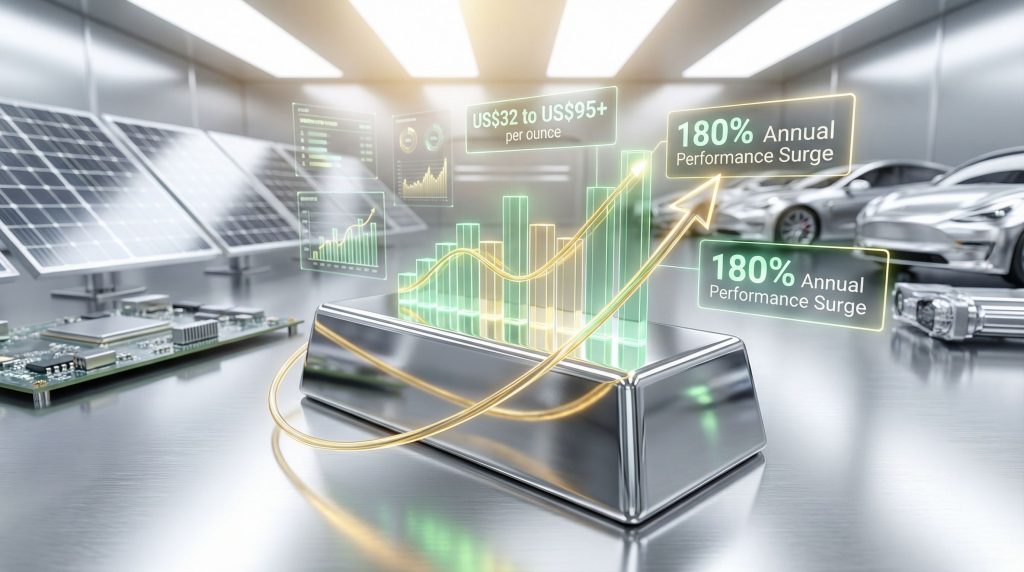
Silver's remarkable ascent to approximately US$89.87 per ounce represents one of the most significant commodity rallies in recent memory. The precious metal reached a four-week peak of US$95.23 per ounce before experiencing recent volatility, marking gains exceeding 180% over the preceding twelve months. This performance surge positions silver among the top-performing major commodities globally during this period.
The scale of these gains becomes more apparent when compared to other precious metals and commodities. While gold has maintained steady appreciation, silver's amplified movement reflects its smaller market capitalisation and higher sensitivity to both investment sentiment and industrial demand fluctuations. The Global X Metal Securities Australia Ltd ETF (ASX: ETPMAG), trading at $121.55, demonstrates how exchange-traded products have closely tracked these underlying price movements throughout the rally period.
Market participants have witnessed significant capital appreciation across precious metals investment vehicles, with central bank accumulation strategies and firm investment demand supporting upward price momentum. The combination of monetary policy uncertainty and industrial consumption growth has created multiple tailwinds for silver pricing during this cycle.
Supply-Demand Fundamentals Behind the Momentum
Industrial applications account for approximately 60% of global silver demand, distinguishing it from gold's primarily monetary role. Solar panel manufacturing, electronics production, and automotive electrification trends continue driving fabrication demand across technology sectors. This industrial foundation provides structural support beyond speculative investment flows.
Solar photovoltaic installations represent one of silver's fastest-growing consumption categories, with the white metal serving as essential contact material in photovoltaic cells. Each megawatt of solar capacity requires approximately 10-15 milligrams of silver per watt, translating growing renewable energy deployment into sustained industrial demand. Global solar capacity additions continue accelerating as countries pursue decarbonisation objectives.
Electronics sector expansion further supports consumption patterns, with silver's exceptional electrical and thermal conductivity making it irreplaceable in high-reliability applications. Printed circuit boards, RFID tags, and conductive adhesives represent consistent demand sources, while emerging technologies including 5G infrastructure and artificial intelligence hardware create additional consumption vectors.
Mining production constraints add supply-side pressure to market fundamentals. Furthermore, silver supply deficits remain heavily dependent on byproduct production from copper, zinc, and gold mining operations, limiting supply responsiveness to price signals. This structural characteristic creates potential bottlenecks during periods of strong demand growth.
How Do Geopolitical Tensions Impact Silver Investment Flows?
Middle East Crisis and Commodity Market Rotation
Recent tensions involving Iran, the United States, and Israel have triggered significant capital rotation across commodity markets. Oil prices surged with Brent crude climbing toward US$79 per barrel and West Texas Intermediate pushing above US$71, reflecting supply disruption concerns centred around the Strait of Hormuz. This critical waterway handles approximately one-third of seaborne traded oil globally, making supply security a legitimate market concern.
Capital allocation patterns demonstrate how geopolitical events can shift investor focus between commodity sectors. Some investment capital has rotated from silver into oil markets as traders position for higher crude prices amid potential conflict escalation. This rotation contributed to silver's pullback from recent highs, illustrating how multiple commodity markets compete for risk capital during crisis periods.
The Strait of Hormuz's strategic importance extends beyond immediate supply concerns. Historical precedents show that even temporary disruptions can create lasting price impacts across energy markets, drawing sustained investment flows away from precious metals toward energy-related opportunities. Consequently, this dynamic creates near-term headwinds for silver despite its safe-haven characteristics.
Safe Haven Demand Patterns During Global Uncertainty
Central bank precious metals accumulation has provided structural support for the ongoing silver price rally, with institutional buying creating consistent demand floors. This official sector demand reflects broader currency diversification strategies as central banks seek alternatives to traditional reserve assets amid monetary policy uncertainties.
Investment demand patterns reveal silver's dual nature during geopolitical stress. While the metal benefits from uncertainty-driven safe-haven flows, its significant industrial component creates vulnerability to economic growth concerns. For instance, the potential for a silver market squeeze highlights how industrial demand softening could pressure prices despite safe-haven premiums.
Portfolio rebalancing mechanisms during crisis periods typically favour precious metals allocation, with silver often receiving proportionally higher flows due to its relative undervaluation versus gold. Risk-off sentiment generally supports precious metals positioning, though the magnitude depends on competing demands from other defensive assets including government bonds and energy commodities.
Why Has Silver Outperformed Gold in This Market Cycle?
Industrial Demand Versus Investment Demand Dynamics
Silver's outperformance relative to gold stems primarily from its higher industrial demand component and greater economic sensitivity. While gold serves predominantly monetary functions with approximately 8-10% industrial demand, silver's 60% industrial usage creates amplified price movements during economic expansion periods.
Automotive electrification trends boost silver consumption through electric vehicle battery terminals, contactors, and conductive adhesives. Global EV production scaling requires increasing silver content per vehicle, creating sustained demand growth as transportation electrification accelerates. This industrial foundation provides fundamental support beyond speculative investment positioning.
Energy storage system deployment represents another growing silver consumption category. Battery technology advancement requires high-conductivity materials for efficient energy transfer, positioning silver as a critical component in grid-scale storage solutions. As renewable energy installations expand, associated storage requirements drive additional industrial demand.
The following table illustrates key differences between major silver investment vehicles:
| Investment Type | Liquidity | Storage Requirements | Price Correlation | Expense Ratio |
|---|---|---|---|---|
| Physical Silver | Low | High | 100% | 0% |
| Silver ETFs | High | None | 95-98% | 0.5-0.9% |
| Mining Stocks | High | None | 70-85% | Variable |
| Futures Contracts | High | None | 99%+ | Low |
Gold-Silver Ratio Compression Analysis
Historical gold–silver ratio insights indicate potential for continued silver outperformance during economic expansion cycles. When the ratio compresses (lower numbers), silver gains relative value, typically driven by industrial demand exceeding investment demand growth. This technical relationship creates momentum-based investment flows as ratio traders rebalance positions.
Silver's smaller absolute market size amplifies price movements compared to gold's larger, more liquid market. Investment flows that represent small percentages of gold market capitalisation can generate significant silver price impacts. This dynamic creates greater volatility but also higher potential returns during favourable cycles.
Technical factors supporting silver's relative strength include momentum indicators and trend continuation signals. Volume analysis during the recent silver price rally suggests institutional participation beyond retail speculation, providing foundation for sustained outperformance if industrial demand trends persist.
What Role Does the US Dollar Play in Silver Price Volatility?
Federal Reserve Policy Impact on Precious Metals
Recent US economic data showing stronger-than-expected manufacturing price readings has heightened concerns about persistent inflation. These developments contributed to higher US bond yields and dollar strengthening, creating headwinds for dollar-denominated commodities including silver. Manufacturing data suggesting price pressures could influence Federal Reserve policy expectations, affecting precious metals demand.
Interest rate environment changes directly impact silver's investment appeal through opportunity cost considerations. Higher bond yields reduce the relative attractiveness of non-yielding precious metals, while real interest rates (nominal yields minus inflation expectations) determine hedging demand. Additionally, tariff impacts on silver reflect market expectations about monetary policy trajectory.
Dollar strength effects operate through multiple channels affecting silver pricing. Stronger US currency makes silver more expensive for international buyers using other currencies, reducing demand elasticity among non-US investors. Additionally, dollar appreciation often coincides with risk-on sentiment that favours growth assets over defensive precious metals positioning.
Manufacturing Data and Economic Growth Concerns
Industrial production indicators significantly influence silver demand forecasts given its substantial manufacturing component. Recent data showing stronger manufacturing prices suggests continued economic activity that supports industrial silver consumption, though inflation concerns create monetary policy uncertainty.
Global growth expectations affect silver through dual channels: industrial demand and investment flows. Economic expansion drives fabrication demand while potentially reducing safe-haven investment demand. Conversely, growth concerns can soften industrial consumption while increasing defensive positioning, creating complex demand dynamics.
Supply chain considerations add another layer of complexity to silver market fundamentals. Transportation cost inflation and logistics disruptions can affect both mining operations and industrial consumers, creating potential bottlenecks that influence pricing independent of core supply-demand balance.
The next major ASX story will hit our subscribers first
Which Investment Vehicles Provide Silver Market Exposure?
Physical Bullion Versus Exchange-Traded Products
Direct physical ownership provides complete price correlation but involves significant storage and liquidity considerations. Bullion purchases require secure storage facilities, insurance coverage, and authentication processes, creating barriers for many investors. Physical silver also involves bid-ask spreads during transactions that can impact returns.
Silver ETFs offer high liquidity and simplified exposure without storage requirements. These products typically maintain 95-98% price correlation with underlying silver prices while charging annual expense ratios between 0.5-0.9%. ETF tracking mechanisms use physical silver backing or derivative structures to replicate price movements.
Exchange-traded products like the Global X Metal Securities Australia Ltd ETF provide accessible silver exposure for retail investors. Currently trading at $121.55, such vehicles demonstrate close performance correlation with underlying silver prices throughout market cycles, offering practical alternatives to direct ownership.
Mining Equity Exposure and Leverage Considerations
Silver mining stocks provide leveraged exposure to silver price movements while introducing company-specific risks. Mining equities typically exhibit 70-85% correlation with silver prices but can deliver amplified returns during favourable cycles. However, operational risks, regulatory changes, and management decisions create additional volatility sources.
Key Volatility Considerations:
- Geopolitical event impact assessment – Middle East tensions and trade policy changes affect commodity flows
- Economic data reaction patterns – Manufacturing and inflation indicators influence monetary policy expectations
- Seasonal demand fluctuation management – Industrial consumption patterns vary throughout calendar years
- Currency hedging for international exposure – Dollar strength affects non-US investor demand
Mining company fundamentals include ore grade quality, production costs, and reserve life considerations. Higher-grade deposits provide greater leverage to silver price appreciation, while cost structures determine profitability thresholds. Reserve replacement and exploration success influence long-term value propositions.
How Do Technical Support Levels Guide Trading Strategies?
Key Price Zones and Resistance Analysis
Technical analysis suggests the US$80-85 range may provide important support following silver's recent pullback from US$95.23. This price zone represents previous resistance levels that could now function as support during consolidation phases. Volume analysis during the decline will help confirm whether this level holds under selling pressure.
Breakout patterns and consolidation phases reveal market sentiment shifts and institutional positioning. The recent four-week high represents a significant technical milestone, with subsequent price action determining whether the rally maintains momentum or requires base-building before continuation. Chart patterns provide insights into probable price trajectories.
Momentum indicators including moving averages and relative strength measurements offer additional context for position sizing and entry timing. These technical tools help investors assess whether current price levels represent value opportunities or require patience for better risk-reward ratios.
Volatility Patterns and Risk Management
Historical price swing analysis reveals silver's tendency toward amplified movements compared to other precious metals. Average daily ranges and maximum drawdown statistics provide frameworks for appropriate position sizing relative to portfolio risk tolerance. Understanding volatility patterns helps establish realistic return expectations.
Options market activity indicates sentiment shifts and potential turning points. Put-call ratios and implied volatility levels often precede significant price movements, offering early warning signals for trend changes. Professional traders monitor these derivative markets for positioning clues.
Risk management approaches must account for silver's unique characteristics including higher volatility, industrial demand sensitivity, and geopolitical responsiveness. Stop-loss levels should reflect normal price fluctuation ranges while position sizing should consider correlation with other portfolio holdings to avoid concentration risks.
What Are the Long-Term Structural Drivers for Silver Demand?
Green Energy Transition Impact on Industrial Consumption
Solar panel installation growth projections globally suggest sustained silver demand increases over the coming decade. International Energy Agency forecasts indicate continued solar capacity expansion as countries pursue carbon neutrality objectives. Each megawatt of new solar installations requires consistent silver consumption for photovoltaic cell production.
Electric vehicle production scaling requirements extend beyond current automotive applications. Advanced battery technologies, charging infrastructure, and autonomous driving systems all require high-conductivity materials including silver. As EV adoption accelerates globally, automotive silver consumption could multiply current usage levels.
Energy storage system deployment represents an emerging demand category as renewable energy installations require associated battery storage for grid stability. Large-scale storage projects utilise silver-containing components for efficient energy transfer and long-term reliability. This demand source should grow alongside renewable capacity additions.
Technology Sector Evolution and Silver Usage
5G infrastructure deployment silver requirements span base stations, antenna systems, and signal processing equipment. Next-generation wireless networks demand higher performance materials for reliable signal transmission at increased frequencies. Silver's superior electrical properties make it essential for advanced telecommunications infrastructure.
Artificial intelligence hardware manufacturing trends include specialised processing chips and high-speed data connections requiring silver components. AI data centre expansion drives demand for advanced cooling systems and electrical connections that utilise silver's thermal and electrical conductivity properties. This technology evolution creates new consumption categories.
Medical device innovation drives specialty silver demand through antimicrobial applications and precision electrical components. Advanced medical equipment including imaging systems, surgical instruments, and diagnostic devices incorporate silver for both functional and safety characteristics. Healthcare technology advancement supports long-term demand growth.
How Should Investors Position for Silver Market Volatility?
Portfolio Allocation Strategies Across Market Cycles
Percentage allocation recommendations vary based on investor risk profiles and investment timeframes. Conservative portfolios might allocate 5-10% to precious metals including silver, while more aggressive strategies could justify 15-20% allocations during favourable cycles. Diversification benefits depend on correlation patterns with other portfolio holdings.
Rebalancing triggers should account for silver's tendency toward amplified price movements. Mechanical rebalancing at predetermined intervals helps capture volatility benefits while maintaining target allocations. Some investors prefer momentum-based triggers that allow profitable positions to run while limiting downside exposure.
Furthermore, implementing silver squeeze strategies within diversified commodity exposure includes silver's relationship with other industrial metals and energy commodities. During inflationary periods, commodity allocations often provide portfolio protection, though individual commodity performance can vary significantly based on specific supply-demand factors.
Risk Management Approaches for Precious Metals Exposure
Investors should recognise that silver's current pullback from US$95 levels may represent normal volatility rather than trend reversal. Technical support around US$80-85 provides potential entry opportunities, though broader economic factors including oil market dynamics and dollar strength require monitoring before making allocation decisions.
Economic scenario analysis should consider multiple potential outcomes affecting silver demand. Inflationary environments typically support precious metals positioning, while deflationary pressures could pressure both industrial and investment demand. Central bank digital currency development might alter traditional monetary demand patterns for physical precious metals.
Currency hedging considerations become important for international investors given silver's dollar denomination. Exchange rate fluctuations can significantly impact returns for non-US investors, potentially requiring hedging strategies to isolate pure commodity exposure from currency effects.
What Economic Scenarios Could Impact Silver's Future Performance?
Inflation and Monetary Policy Scenario Analysis
Central bank digital currency implications remain uncertain but could potentially reduce traditional monetary demand for physical precious metals. However, privacy concerns and technological risks associated with digital currencies might maintain preference for physical asset holdings among certain investor segments.
Quantitative easing programme effects typically support precious metals through currency debasement concerns and real interest rate suppression. Future monetary policy responses to economic challenges will likely influence precious metals demand, with silver potentially benefiting from both monetary and industrial demand drivers simultaneously.
Real interest rate environment modelling suggests the current silver price rally correlates strongly with inflation-adjusted yields. Negative real rates typically support precious metals positioning, while positive real rates create headwinds. Current yield curve dynamics and inflation expectations provide frameworks for scenario analysis.
Global Trade and Supply Chain Disruption Factors
Mining jurisdiction regulatory changes could significantly affect silver supply availability. Environmental regulations, taxation policies, and permitting processes in major silver-producing regions influence production costs and capacity expansion decisions. Political stability in mining regions affects long-term supply security according to recent market analysis.
Transportation cost inflation affects both mining operations and end-user delivery costs. Energy price volatility directly impacts mining profitability and logistics expenses, potentially creating price floors during periods of elevated operational costs. Supply chain resilience considerations may favour regional sourcing strategies.
Alternative material substitution risks exist in certain industrial applications, though silver's unique properties limit replacement options in many high-performance uses. Technological advancement could reduce silver intensity in some applications while creating new demand sources in emerging technologies. Innovation trends require monitoring for demand impact assessment as highlighted by market experts.
Disclaimer: This article contains general investment information and market analysis. All financial data, price forecasts, and investment scenarios are subject to market volatility and economic uncertainty. Precious metals investments carry significant risks including price volatility, storage costs, and liquidity considerations. Past performance does not guarantee future returns. Investors should conduct independent research and consider their risk tolerance before making investment decisions. The information presented does not constitute personalised financial advice and should not replace consultation with qualified financial professionals.
Looking to Capitalise on Silver's Industrial Demand Revolution?
Discovery Alert's proprietary Discovery IQ model provides instant notifications on significant ASX mineral discoveries, helping subscribers identify actionable opportunities in silver mining companies and precious metals investments ahead of the broader market. With silver's current rally driven by both industrial demand and supply constraints, gain access to real-time discovery alerts and begin your 14-day free trial today to position yourself at the forefront of the next major mineral breakthrough.