June 17, 2026
Understanding Silver's Historic Price Surge: Monetary Forces Behind the Rally
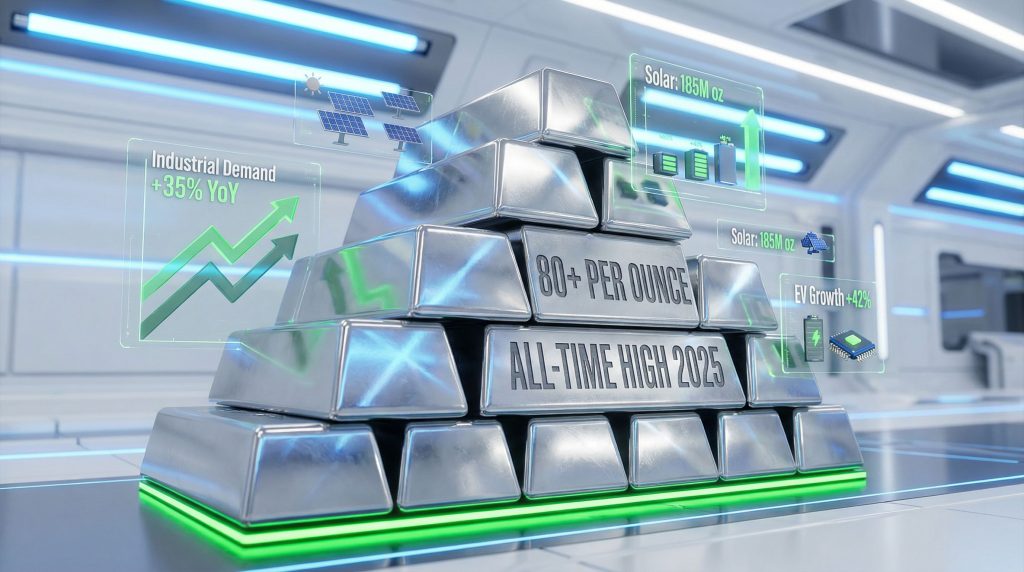
Global precious metals markets have witnessed unprecedented transformation throughout 2025, with silver prices all-time highs emerging as a standout performer amid complex economic crosscurrents. The metal's remarkable trajectory reflects fundamental shifts in monetary policy landscapes, industrial demand patterns, and supply-demand dynamics that extend far beyond traditional precious metals speculation.
Silver's evolution into a critical industrial commodity whilst maintaining its monetary heritage has created unique market dynamics. Unlike purely speculative rallies of previous decades, current price movements reflect genuine structural changes in both physical supply constraints and industrial consumption growth across multiple high-technology sectors.
The convergence of multiple economic forces has created an environment where traditional precious metals investing strategies require recalibration. Central bank policies, currency instability, and technological transformation are driving demand patterns that differ significantly from historical precedents, establishing new frameworks for understanding silver's role in modern portfolios.
When big ASX news breaks, our subscribers know first
Industrial Revolution Driving Unprecedented Silver Demand
Modern silver consumption patterns reveal a fundamental departure from traditional investment-driven demand cycles. Industrial applications now consume approximately 60% of annual silver production, with technological sectors driving accelerating consumption growth across electronics, renewable energy, and data infrastructure applications.
Electronics and Technology Sectors:
- Semiconductor manufacturing requiring ultra-pure silver for conductivity applications
- 5G network infrastructure deployment increasing silver-intensive component production
- Artificial intelligence data centres demanding enhanced cooling and electrical systems
- Internet of Things device proliferation expanding silver-dependent sensor networks
Renewable Energy Transition:
Solar photovoltaic cell production represents the fastest-growing industrial silver application. Modern solar panels require approximately 20 grams of silver per panel, with efficiency improvements driving higher silver content per unit. Global solar capacity expansion targets through 2030 suggest sustained industrial demand growth regardless of investment sentiment.
Electric vehicle production contributes additional industrial demand through battery management systems, electrical contacts, and charging infrastructure. Each electric vehicle contains approximately 25-50 grams of silver, compared to 15-25 grams in traditional internal combustion vehicles.
Medical and Healthcare Applications:
Silver's antimicrobial properties drive growing medical device applications, including wound dressings, surgical instruments, and medical equipment coatings. Post-pandemic healthcare infrastructure expansion has accelerated adoption of silver-based antimicrobial technologies across multiple medical applications.
Supply Chain Disruptions Create Physical Market Tightness
Physical silver markets face unprecedented supply constraints that extend beyond traditional mining production metrics. Furthermore, the silver supply deficits indicate refining bottlenecks, transportation challenges, and inventory management disruptions have created structural imbalances between paper and physical silver markets.
Production Concentration Risks:
| Country | % of Global Production | Key Risk Factors |
|---|---|---|
| Mexico | 22% | Regulatory changes, infrastructure constraints |
| Peru | 18% | Political instability, environmental protests |
| China | 12% | Export restrictions, domestic consumption priority |
| Chile | 9% | Water scarcity, labour disputes |
| Australia | 7% | Energy costs, permitting delays |
Silver production remains heavily concentrated among a limited number of countries, creating vulnerability to geopolitical disruptions. Approximately 70% of silver production occurs as a byproduct of base metals mining, limiting price responsiveness to increased demand.
Physical Market Indicators:
Lease rates for physical silver have reached multi-year highs, indicating tight borrowing markets and genuine supply constraints. London Bullion Market Association delivery delays and premium expansion between physical and futures markets signal structural supply-demand imbalances.
Vault inventories across major precious metals storage facilities have declined to critically low levels as investors increasingly demand physical delivery rather than cash settlement. This behavioural shift suggests growing confidence in supply limitations and scepticism regarding financial settlement mechanisms.
Monetary Policy Transformation and Currency Debasement Concerns
Central bank policies across major economies have fundamentally altered the investment landscape for non-yielding assets like silver. Real interest rates remaining negative in multiple jurisdictions reduce the opportunity cost of holding precious metals whilst currency debasement concerns drive alternative store-of-value demand.
Federal Reserve Policy Context:
The Federal Reserve's monetary policy stance through late 2025 reflected ongoing concerns about economic growth and employment levels. Market expectations for continued accommodative policies, including potential interest rate reductions, support precious metals positioning as portfolio diversifiers.
Quantitative easing programmes have expanded global liquidity whilst raising questions about long-term currency stability. Unlike previous monetary expansion cycles, current policies occur amid persistent inflation pressures and geopolitical uncertainties that traditionally favour precious metals allocation.
International Monetary Dynamics:
- European Central Bank maintaining expansionary policies amid economic uncertainty
- Bank of Japan continuing ultra-accommodative monetary stance
- Emerging market central banks diversifying reserves beyond traditional currencies
- Geopolitical tensions accelerating de-dollarisation trends in international trade
Real Interest Rate Environment:
When nominal interest rates remain below inflation rates, real interest rates become negative, reducing the opportunity cost of holding non-yielding assets. This monetary environment typically supports precious metals demand as portfolio insurance against currency debasement and purchasing power erosion.
Historical Price Context and Inflation-Adjusted Analysis
Silver's price trajectory requires examination within both nominal and inflation-adjusted frameworks to understand relative valuation levels. Historical peak analysis reveals significant differences between nominal price records and real purchasing power equivalents.
Historical Price Benchmarks:
- 1980 Peak: $50.21 nominal high during Hunt Brothers speculation
- 1980 Inflation-Adjusted: Approximately $175-200 in 2025 purchasing power
- 2011 High: $48.70 during post-financial crisis uncertainty
- December 2025: $58.27 documented peak representing new nominal record
According to historical silver prices, the 1980 silver peak resulted from speculative manipulation rather than fundamental supply-demand dynamics, creating an unsustainable price spike followed by rapid collapse. Current market conditions reflect genuine industrial demand growth and monetary policy factors rather than speculative cornering attempts.
What Does the Gold-Silver Ratio Tell Us About Current Valuations?
The gold-silver ratio analysis provides historical context for relative precious metals valuations. At approximately 74 as of late 2025, the ratio has declined significantly from April 2025 levels above 105. Historical averages suggest potential for further ratio compression if silver continues outperforming gold.
Market analysts note that a return to the historical average gold-silver ratio of approximately 50 would imply silver prices above $80 per ounce at current gold price levels.
Volatility Characteristics:
Silver exhibits higher price volatility than gold due to its smaller market size and dual industrial-monetary nature. However, regarding silver prices all-time highs, current rally characteristics show more sustained momentum compared to previous speculative spikes, suggesting fundamental rather than purely speculative drivers.
How Are Global Tariffs Affecting Silver Markets?
In addition to fundamental supply-demand factors, silver tariffs impact has created additional market complexities throughout 2025. Trade policy uncertainties and potential tariff implementations on precious metals imports have contributed to supply chain disruptions and pricing volatility.
Tariff Implementation Effects:
International trade tensions have introduced additional uncertainty into silver market dynamics. Potential tariffs on Chinese silver exports and Mexican mining products could further constrain global supply availability, supporting price premiums for alternative suppliers.
The next major ASX story will hit our subscribers first
Investment Vehicle Analysis and Implementation Strategies
Modern investors access silver exposure through multiple investment vehicles, each offering different risk-return profiles and implementation considerations. Understanding these mechanisms enables strategic allocation decisions based on individual investment objectives and constraints.
Physical Silver Investment:
| Investment Method | Liquidity | Storage Costs | Counterparty Risk | Tax Implications |
|---|---|---|---|---|
| Silver Bullion | Low-Medium | High | None | Capital gains |
| Silver Coins | Medium | High | None | Capital gains/collectible |
| Silver ETFs | High | Low | Moderate | Capital gains |
| Silver Mining Stocks | High | None | High | Dividend + capital gains |
Exchange-Traded Fund Considerations:
Silver ETFs provide liquid exposure without physical storage requirements but introduce counterparty risk through fund management and custodial arrangements. Premium and discount patterns relative to net asset value can create trading opportunities for sophisticated investors.
Mining Company Exposure:
Silver mining companies offer leveraged exposure to silver price movements but introduce operational, financial, and management risks. Pure-play silver miners provide more direct exposure than diversified precious metals companies or base metals miners with silver byproduction.
Fractional Ownership Platforms:
Digital precious metals platforms enable fractional ownership with lower minimum investments and reduced storage complexity. These services combine physical ownership benefits with improved liquidity and accessibility for retail investors.
Market Psychology and Behavioral Dynamics
Investor behaviour patterns in silver markets reflect complex interactions between industrial users, investment demand, and speculative activity. Understanding these psychological factors provides insight into potential price trajectories and volatility characteristics.
Industrial vs. Investment Demand:
Industrial users typically exhibit price-insensitive demand within reasonable ranges, as silver represents a small percentage of total product costs for most applications. This demand stability provides price floor support during market downturns whilst amplifying shortage premiums during supply constraints.
Investment demand demonstrates greater price sensitivity and momentum characteristics. Furthermore, retail investors often exhibit herding behaviour during precious metals rallies, whilst institutional investors focus on portfolio diversification and inflation hedging objectives.
Market Sentiment Indicators:
- Futures market positioning and commitment of traders data
- ETF flow patterns indicating institutional vs. retail participation
- Premium structures between physical and paper markets
- Social media sentiment and retail investor interest metrics
Speculation vs. Fundamental Demand:
Current market conditions suggest a higher proportion of fundamental vs. speculative demand compared to historical rallies. Industrial consumption growth provides sustained demand regardless of investment sentiment, whilst monetary policy factors support precious metals allocation independent of speculative activity.
Understanding Market Dynamics and Squeeze Potential
The potential for a silver market squeeze remains a significant consideration for investors monitoring current market conditions. Physical delivery pressures and inventory constraints continue creating tension between paper and physical market pricing mechanisms.
Squeeze Indicators:
- Declining COMEX registered inventory levels
- Rising lease rates indicating borrowing difficulties
- Premium expansion between physical and futures markets
- Increased delivery notices and standing for physical metal
For investors developing silver prices strategies, understanding these dynamics becomes crucial for positioning and risk management decisions.
Risk Assessment and Scenario Analysis
Silver investment involves multiple risk categories that require careful evaluation within portfolio context. Understanding these risk factors enables appropriate position sizing and risk management strategies.
Price Volatility Risks:
Silver exhibits higher volatility than gold or other traditional portfolio assets. Annual price swings of 20-40% represent normal market behaviour rather than exceptional circumstances. Investors must size positions appropriately relative to risk tolerance and portfolio objectives.
Industrial Demand Risks:
- Economic recession reducing industrial consumption
- Technological substitution in key applications
- Energy transition pace affecting renewable energy demand
- Supply chain reshoring altering regional consumption patterns
Monetary Policy Risks:
Significant changes in central bank policies could affect precious metals demand. Rising real interest rates typically reduce precious metals appeal, whilst currency strengthening can pressure dollar-denominated commodity prices.
Supply Response Scenarios:
Higher prices should theoretically incentivise increased production, but silver faces unique supply constraints. New mine development requires 7-10 year lead times, whilst byproduct silver production depends on base metals demand rather than silver prices specifically.
Scenario Projections:
- Optimistic: Continued industrial demand growth and monetary expansion supporting $70-90 price range
- Base Case: Balanced supply-demand dynamics maintaining $50-70 trading range
- Pessimistic: Economic slowdown and policy normalisation pressuring prices to $35-50 range
Portfolio Integration and Strategic Allocation
Effective silver investment requires integration within broader portfolio strategy rather than standalone speculation. Modern portfolio theory suggests precious metals allocation between 5-15% of total assets, with silver representing a subset based on individual circumstances.
Strategic Allocation Frameworks:
Conservative Approach: 2-5% silver allocation within broader 10% precious metals exposure, focusing on portfolio insurance and inflation hedging objectives.
Moderate Strategy: 5-8% silver allocation with tactical rebalancing based on fundamental factors and relative value opportunities versus gold.
Aggressive Positioning: 10%+ silver allocation with active management strategies capitalising on volatility and momentum characteristics.
Rebalancing Considerations:
Regular rebalancing maintains target allocation percentages whilst capturing volatility profits. Systematic rebalancing strategies can enhance risk-adjusted returns whilst maintaining portfolio discipline during emotional market periods.
Tax Optimisation:
Silver investment tax treatment varies by jurisdiction and investment vehicle. Physical precious metals typically receive capital gains treatment, whilst ETFs may qualify for more favourable tax rates. Consultation with tax professionals optimises implementation strategies.
Technological Innovation and Future Applications
Emerging technologies continue expanding silver's industrial applications, potentially creating sustained demand growth independent of traditional investment cycles. Understanding these trends provides insight into long-term demand sustainability.
Quantum Computing Development:
Quantum computing requires ultra-pure silver for superconducting applications and electromagnetic shielding. Whilst still developmental, quantum technology commercialisation could create substantial new silver demand categories.
Advanced Battery Technologies:
Next-generation battery systems for grid storage and transportation applications increasingly incorporate silver-based components for conductivity and thermal management. Energy storage market growth supports incremental silver demand expansion.
Medical Technology Innovation:
Nanotechnology applications utilise silver's antimicrobial properties in advanced medical devices and pharmaceutical applications. Ageing global populations and healthcare infrastructure expansion support sustained medical demand growth.
Environmental Applications:
Water purification systems and air filtration technologies leverage silver's antimicrobial properties for environmental cleanup applications. Climate change adaptation strategies may accelerate adoption of silver-based environmental technologies.
Is This the Beginning of a New Silver Super Cycle?
The convergence of industrial demand growth, supply constraints, and monetary policy factors suggests silver prices all-time highs may represent the early stages of a sustained multi-year cycle rather than a temporary spike. Unlike previous rallies driven primarily by speculation, current dynamics reflect fundamental structural changes in global economy.
Current market conditions according to latest silver price data indicate sustained momentum beyond typical precious metals cycles. Consequently, investors are increasingly viewing silver as both an industrial commodity and monetary hedge rather than purely speculative vehicle.
Disclaimer: This analysis is for educational purposes only and does not constitute investment advice. Precious metals investing involves substantial risks, including price volatility and potential losses. Past performance does not guarantee future results. Consult qualified financial professionals before making investment decisions.
Want to Capitalise on the Next Major Mineral Discovery?
Discovery Alert's proprietary Discovery IQ model delivers instant notifications on significant ASX mineral discoveries, empowering subscribers to identify actionable trading opportunities ahead of the broader market. Begin your 30-day free trial today to position yourself at the forefront of Australia's mining sector transformation.