August 23, 2026

Understanding the Macro-Economic Forces Behind Silver's Record Rally
Global commodity markets are witnessing a fundamental shift as precious metals enter a new paradigm driven by industrial transformation and monetary policy convergence. The intersection of renewable energy expansion, critical mineral supply constraints, and evolving geopolitical trade policies is creating unprecedented market dynamics across the metals complex. Silver, positioned uniquely at the crossroads of industrial utility and monetary value, exemplifies how traditional investment assets are being reshaped by technological advancement and structural economic changes. The current silver price surge reflects these converging forces creating unprecedented opportunities and risks for market participants.
This macro-economic transformation reflects broader trends in resource allocation as governments and corporations prioritise supply chain resilience for critical materials. The emergence of clean energy technologies, semiconductor manufacturing expansion, and evolving monetary policies has created a perfect storm of demand drivers that traditional precious metals markets were not structured to accommodate.
When big ASX news breaks, our subscribers know first
How Supply-Demand Imbalances Are Reshaping Silver Markets
The Global Silver Deficit Crisis
Market fundamentals indicate a structural supply deficit emerging across global silver markets, driven by accelerating industrial consumption and constrained production capacity. Current market analysis reveals significant regional inventory disparities that are creating unprecedented supply tensions despite seemingly adequate aggregate global stocks.
The deficit reflects a complex interplay of factors including declining ore grades at existing mines, lengthy development timelines for new projects, and rapidly expanding industrial applications. Unlike traditional commodity cycles where demand primarily fluctuated based on luxury consumption patterns, today's silver market faces sustained structural demand from essential industrial processes.
Key Supply Deficit Indicators:
• Mining production constraints limiting new supply additions
• Secondary production recovery rates declining from base metal operations
• Processing capacity bottlenecks at major refining centres
• Regional concentration of production in politically sensitive areas
Production Constraint Analysis:
| Factor | Impact Level | Timeline |
|---|---|---|
| New mine development | High | 7-10 years |
| Ore grade deterioration | Medium | Ongoing |
| Environmental regulations | Medium | 2-5 years |
| Infrastructure limitations | Low | 3-7 years |
Mining companies face significant challenges in responding to current price signals due to the capital-intensive nature of silver extraction and the long lead times required for project development. The majority of silver production occurs as a byproduct of base metal mining operations, creating complex economic dynamics that don't respond directly to silver price incentives alone.
Critical Supply Chain Bottlenecks
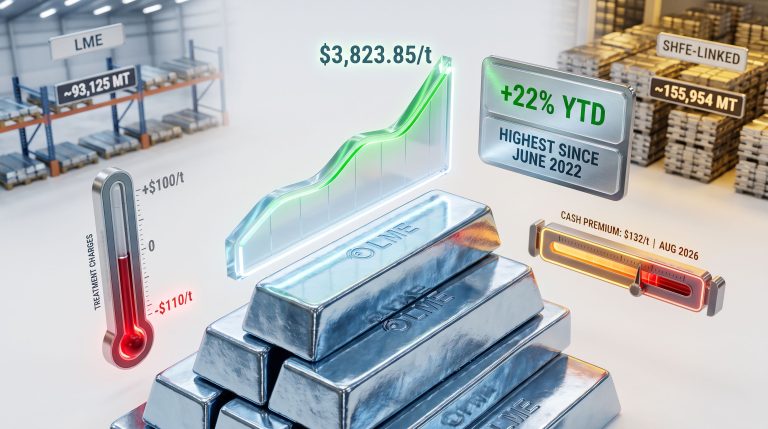
Exchange inventory patterns reveal stark regional disparities that underscore fundamental supply chain disruptions. Shanghai Futures Exchange inventories have experienced dramatic drawdowns over recent months, signalling robust Asian physical demand, whilst COMEX inventories in New York remain near multi-year highs, suggesting reluctance among holders to release material into liquid markets.
Global Silver Inventory Levels by Exchange:
| Exchange | Status | Market Impact |
|---|---|---|
| Shanghai Futures | Steep drawdowns | High demand signal |
| COMEX New York | Near multi-year highs | Supply retention |
| London Metal Exchange | Moderate levels | Seasonal volatility |
This geographic fragmentation creates arbitrage opportunities but also highlights structural inefficiencies in global silver distribution. The concentration of physical inventory in specific locations whilst other major consumption centres face tightening supplies maintains upward price pressure despite adequate aggregate inventory levels on paper.
Market liquidity faced significant disruption in late November 2025 when a temporary trading halt on COMEX created technical breakouts and amplified price volatility. This event demonstrated how infrastructure limitations can magnify market moves, particularly when combined with reduced participation during holiday trading periods in London over-the-counter markets.
Processing capacity represents another critical bottleneck, as global refining infrastructure has not expanded proportionally with growing industrial demand. Major silver-producing regions including Mexico, Peru, and Chile face infrastructure constraints that limit their ability to increase refined silver output even when raw material availability improves.
Geopolitical Supply Risks
International trade policies and regulatory changes are reshaping global silver supply chains in ways that extend far beyond traditional mining operations. The United States Section 232 investigation into critical minerals imports represents a significant policy development that could fundamentally alter silver trade flows through potential tariffs impact on silver implementation.
China's evolving export policies have created additional supply uncertainty, with recent changes to export licensing rules requiring stricter eligibility criteria for metals exporters. These regulatory modifications effectively reduce the amount of metal available for international export, constraining supply channels that global markets have historically relied upon.
Major Geopolitical Risk Factors:
• U.S. Section 232 investigation outcomes and potential tariff implementation
• Chinese export licensing restrictions on critical metals
• Trade policy uncertainty affecting bilateral commercial relationships
• Currency debasement concerns driving alternative asset demand
China's removal of value-added tax rebates on gold purchases from the Shanghai Gold Exchange has created secondary effects throughout the precious metals complex. Furthermore, the US-China trade war continues influencing market dynamics, as this policy change has redirected investment flows toward alternative assets including silver, demonstrating how indirect policy modifications can influence market dynamics across related asset classes.
The dominance of Chinese processing capacity in global metals supply chains means that any regulatory or policy shifts in China create cascading effects throughout international markets. Silver's dual role as both industrial input and investment asset amplifies sensitivity to these policy changes, as both industrial users and investors adjust their strategies based on supply availability expectations.
Why Industrial Demand Is Fundamentally Transforming Silver Markets
The Clean Energy Revolution's Silver Appetite
Renewable energy infrastructure development has emerged as a primary driver of structural silver demand, fundamentally altering traditional consumption patterns. Solar panel manufacturing requires significant silver content for photovoltaic cell production, creating sustained industrial demand that grows proportionally with clean energy adoption rates.
The renewable energy sector's silver consumption differs markedly from traditional demand drivers in several key ways. Unlike jewellery or silverware demand that fluctuates with economic cycles and consumer preferences, renewable energy demand follows government policy mandates, environmental regulations, and long-term infrastructure planning cycles.
Electric vehicle production has introduced another substantial demand component, as automotive electronic systems require significantly more silver content than traditional internal combustion engine vehicles. Advanced driver assistance systems, battery management systems, and electric powertrains all incorporate silver-based components that don't exist in conventional automotive manufacturing.
The convergence of renewable energy expansion and automotive electrification represents the most significant structural shift in silver demand patterns since the decline of photographic applications in the digital photography transition.
Clean Energy Silver Consumption Drivers:
• Photovoltaic solar panel manufacturing expansion
• Electric vehicle electronic system requirements
• Wind turbine electrical component production
• Energy storage system manufacturing
Technology Sector Consumption Patterns
The technology sector's silver consumption has evolved beyond traditional electronics applications to encompass emerging technologies that require silver's unique properties. 5G infrastructure deployment demands substantial silver content for advanced electronic components, signal processing systems, and high-frequency communication equipment.
Medical technology applications represent a growing consumption category, utilising silver's antimicrobial properties in wound care products, medical device coatings, and specialised diagnostic equipment. This medical demand demonstrates relatively low price elasticity, as performance requirements often supersede cost considerations in critical healthcare applications.
Semiconductor manufacturing processes increasingly rely on silver for specialised applications where alternative materials cannot provide equivalent performance characteristics. As semiconductor production capacity expands globally, particularly in response to supply chain resilience initiatives, silver consumption in this sector continues growing.
Technology Sector Demand Analysis:
| Application | Growth Rate | Price Sensitivity |
|---|---|---|
| 5G Infrastructure | High | Medium |
| Medical Devices | Medium | Low |
| Semiconductors | High | Low |
| Consumer Electronics | Medium | High |
Structural Demand Shifts vs. Traditional Uses
Industrial applications now dominate silver demand patterns, representing a fundamental shift from historical consumption that was primarily driven by jewellery, silverware, and photographic applications. This structural transformation has profound implications for price volatility, market cycles, and supply planning requirements.
Investment demand evolution reflects changing market dynamics as both institutional and retail investors recognise silver's dual nature as industrial commodity and monetary metal. Exchange-traded fund inflows have provided additional demand support, though this investment demand remains more volatile than industrial consumption.
Jewellery sector adaptation to higher price environments demonstrates how traditional demand categories adjust to structural price increases. Whilst jewellery consumption typically shows high price elasticity, regional variations in consumer preferences and cultural significance of silver jewellery create complex demand patterns across different geographic markets.
Demand Structure Transformation:
• Industrial applications: Primary demand driver with low price elasticity
• Investment demand: Secondary driver with high volatility
• Jewellery consumption: Traditional category showing price-sensitive adaptation
• Photography: Historical major category now largely eliminated by digital technology
How Monetary Policy Is Amplifying Silver's Investment Appeal
Federal Reserve Rate Cut Expectations
Monetary policy expectations are creating favourable conditions for precious metals investment as markets anticipate potential Federal Reserve interest rate reductions. Lower interest rates reduce the opportunity cost of holding non-yielding assets like silver, whilst simultaneously supporting demand for alternative stores of value during periods of currency debasement concerns.
Current market sentiment reflects expectations that economic uncertainty and inflation concerns may prompt additional monetary accommodation. These expectations have contributed to silver's investment appeal beyond its industrial demand fundamentals, creating a dual support structure for price appreciation.
Real interest rate calculations increasingly favour precious metals holdings as nominal rates fail to keep pace with inflation expectations in many developed economies. This environment particularly benefits silver due to its historical correlation with inflationary periods and its role as an industrial commodity that benefits from economic expansion.
Monetary Policy Impact Factors:
• Reduced opportunity cost of non-yielding assets
• Currency debasement concerns driving alternative investments
• Inflation hedge characteristics becoming more relevant
• Central bank reserve diversification trends
Inflation Hedge Characteristics
Silver's performance during inflationary periods reflects its dual nature as both industrial commodity and monetary metal. Unlike purely financial assets, silver benefits from both increased industrial demand during economic expansion and investment demand during currency instability periods.
Precious Metals Performance Comparison 2025:
| Metal | Year-to-Date Performance | Peak Price Level |
|---|---|---|
| Silver | +100% | $61.25 per ounce |
| Gold | +60% | Historical highs |
| Platinum | +35% | Industrial recovery |
The outperformance of silver relative to gold during 2025 demonstrates how industrial demand components can amplify precious metals price movements during periods of combined monetary and industrial demand growth. This performance differential highlights silver's unique position in the precious metals complex.
Historical analysis of inflation-adjusted silver prices indicates current levels, whilst high in nominal terms, remain below previous cyclical peaks when adjusted for monetary expansion and purchasing power changes. This historical context provides framework for evaluating current price levels within longer-term market cycles.
Central Bank Reserve Diversification
Emerging market central banks are increasingly incorporating industrial metals into strategic reserve planning as recognition grows regarding the critical importance of materials required for technological infrastructure and energy transition initiatives.
Whilst central bank silver purchases remain modest compared to gold accumulation, the strategic importance of silver as both monetary metal and critical industrial input is gaining recognition among policymakers focused on supply chain resilience and economic security.
Currency diversification efforts by central banks seeking alternatives to traditional reserve currencies create additional demand potential for precious metals, including silver, as monetary authorities explore broader asset allocation strategies for foreign exchange reserves.
What Market Structure Changes Mean for Price Discovery
Exchange Trading Dynamics
Silver futures markets are experiencing structural changes that affect price discovery mechanisms and market liquidity. The November 2025 COMEX trading halt incident highlighted vulnerabilities in electronic trading systems during periods of high volatility, creating temporary disruptions that amplified price movements.
London over-the-counter markets continue serving as critical price discovery venues, though seasonal participation patterns during holiday periods can reduce liquidity and magnify price volatility when large orders encounter thin trading conditions.
Asian markets, particularly the Shanghai Futures Exchange, play increasingly important roles in global silver price discovery as physical demand centres shift toward major industrial consumption regions. The dramatic inventory drawdowns at Shanghai reflect this evolving market structure.
Exchange Market Dynamics:
• COMEX futures: Primary price discovery venue with periodic liquidity constraints
• London OTC: Physical market hub with seasonal volume variations
• Shanghai Futures: Growing importance reflecting Asian demand patterns
• Regional exchanges: Emerging price discovery roles in consumption centres
Futures Market Positioning
Speculative positioning in silver futures markets reflects both technical trading strategies and fundamental supply-demand expectations. Commercial traders, representing industrial users and producers, maintain different positioning patterns compared to speculative financial participants.
Options market activity provides insights into market expectations for future price movements, with unusual activity patterns often preceding significant price breakouts. The options market has shown increased participation as volatility attracts both hedging and speculative strategies.
Additionally, analysts point to the silver market squeeze dynamics that create amplified price movements when large speculative positions encounter tight physical supply conditions.
How do futures contracts affect silver prices?
Futures contracts establish forward price expectations and provide mechanisms for both price discovery and risk management. Large speculative positions can amplify price movements in either direction, whilst commercial hedging activity tends to moderate extreme moves by providing natural offsets to speculative positioning.
Physical Market Premiums
Physical silver markets are experiencing significant premium expansion over futures prices, reflecting tight supply conditions in retail and smaller wholesale markets. Coin and bar premiums have increased substantially as dealers face inventory constraints and extended delivery timelines.
Industrial users are adapting procurement strategies to manage supply risks, including longer-term contract arrangements and strategic inventory accumulation. These procurement changes affect market dynamics by reducing silver available for spot market transactions.
Storage and logistics costs represent growing components of physical silver ownership, with warehouse capacity constraints and insurance costs rising proportionally with higher metal values. These infrastructure limitations create additional friction in physical markets that can amplify supply-demand imbalances.
Where Silver Fits in Portfolio Diversification Strategies
Risk-Adjusted Return Characteristics
Silver's risk-return profile differs significantly from traditional portfolio assets due to its volatility characteristics and correlation patterns with both equity markets and other commodities. Historical volatility typically exceeds that of gold whilst providing different correlation patterns with stock market indices.
Portfolio optimisation models incorporating silver must account for its dual nature as industrial commodity and monetary metal, creating unique diversification benefits that don't exist with purely financial assets or single-purpose commodities.
Correlation Analysis with Major Asset Classes:
| Asset Class | Correlation with Silver | Diversification Benefit |
|---|---|---|
| S&P 500 Equity Index | Low to moderate | Medium |
| U.S. Treasury Bonds | Negative to low | High |
| Crude Oil | Moderate | Medium |
| Gold | High | Low |
Investment Vehicle Comparisons
Physical silver ownership provides direct exposure to metal prices but involves storage, insurance, and transaction costs that affect net returns. Liquidity characteristics vary significantly between different forms of physical silver, from large bars suitable for institutional holdings to coins preferred by retail investors.
Exchange-traded funds offer convenient silver exposure with lower transaction costs and no storage requirements, though fund structures introduce counterparty risks and management fees that don't exist with direct physical ownership.
Silver mining equities provide leveraged exposure to silver prices whilst adding company-specific risks related to operational performance, jurisdiction risks, and management quality. Mining stocks often amplify silver price movements but can diverge during periods of operational challenges or sector-specific issues.
Investment Vehicle Trade-offs:
• Physical silver: Direct exposure, storage costs, liquidity constraints
• Silver ETFs: Convenient access, management fees, counterparty risks
• Mining equities: Leveraged exposure, operational risks, sector volatility
• Futures contracts: Capital efficiency, complexity, rollover risks
Wealth Preservation Considerations
Silver's historical performance during currency instability periods demonstrates its potential role in wealth preservation strategies, though volatility characteristics require careful position sizing within overall portfolio allocation frameworks.
Liquidity advantages compared to other alternative assets make silver suitable for portfolio applications requiring periodic rebalancing or partial liquidation capabilities. Physical silver markets maintain functionality during most market stress periods, unlike some financial assets that can experience trading suspensions.
Regional storage and ownership considerations affect silver's practical utility in wealth preservation strategies, as legal frameworks, tax implications, and confiscation risks vary significantly across different jurisdictions and ownership structures.
The next major ASX story will hit our subscribers first
How Mining Companies Are Responding to Price Incentives
Production Capacity Expansion Plans
Mining companies are reassessing capital allocation strategies in response to sustained higher silver prices, though production response timelines remain constrained by development lead times and infrastructure requirements. Major silver producers are increasing exploration budgets and evaluating previously uneconomic deposits that become viable at current price levels.
Regional development patterns favour jurisdictions with established mining infrastructure and stable regulatory environments. Mexico, Peru, and Chile continue attracting investment due to existing operational expertise and established processing facilities, though environmental and community relations considerations increasingly influence project development decisions.
Mining Industry Response Timeline:
• Immediate: Increased exploration budgets and feasibility studies
• 2-3 years: Development of advanced-stage projects with existing permits
• 5-7 years: New discovery development and major capacity additions
• 7+ years: Greenfield projects in new jurisdictions or challenging environments
Secondary Production Opportunities
Silver recovery from base metal mining operations represents significant production potential that responds more quickly to price incentives than primary silver mining projects. Copper, lead, and zinc operations can optimise processing to maximise silver recovery rates when prices justify additional processing costs.
Recycling industry capacity has expanded as higher prices make previously uneconomical recycling processes viable. Electronic waste processing, industrial scrap recovery, and jewellery recycling all contribute to secondary supply that helps moderate supply deficits.
Technology improvements in extraction efficiency allow both primary and secondary producers to increase silver recovery rates from existing operations without requiring major capital investments or lengthy development timelines.
Regional Development Implications
Latin American mining regions continue dominating global silver production, with Mexico maintaining its position as the world's leading silver producer. Investment flows into these regions support broader economic development whilst creating dependency relationships between local economies and silver price cycles.
North American project development benefits from proximity to major industrial consumption centres and established financial markets, though environmental regulations and permitting processes can extend development timelines compared to other regions.
Regulatory environments significantly impact mining investment decisions, as companies evaluate not just geological potential but also political stability, taxation policies, and community relations frameworks when making long-term capital commitments.
What Economic Indicators Suggest About Silver's Future
Leading Demand Indicators
Renewable energy installation forecasts provide quantitative frameworks for projecting future silver demand, as solar panel manufacturing requires predictable silver content per unit of capacity installed. Global solar capacity addition targets established by various national governments create baseline demand projections for industrial silver consumption.
Electric vehicle adoption curves correlate with silver demand projections, though the relationship remains complex due to evolving battery technologies and electronic system designs. As automotive manufacturers standardise electric vehicle platforms, silver content per vehicle becomes more predictable for demand forecasting.
Industrial production indices in major economies provide coincident indicators of silver demand, particularly in electronics manufacturing, medical device production, and other silver-intensive industries. Regional variations in industrial activity create geographic demand patterns that affect global supply allocation.
Key Leading Indicators:
• Solar panel installation capacity forecasts
• Electric vehicle production projections
• 5G infrastructure deployment timelines
• Industrial production growth rates in major economies
Supply Response Timeline Analysis
Mine development lead times create significant delays between price signals and supply responses, with most new silver production requiring 5-10 years from initial discovery to commercial production. This timeline mismatch between demand growth and supply response capacity creates potential for sustained price appreciation during demand expansion cycles.
Infrastructure requirements for increased silver production extend beyond individual mine development to include processing facilities, transportation networks, and skilled labour availability. These broader infrastructure constraints can limit supply response even when individual projects achieve development milestones.
Environmental and regulatory approval processes add additional time requirements to supply response timelines, particularly in developed countries with comprehensive environmental review requirements. These regulatory processes, whilst necessary for environmental protection, create additional barriers to rapid supply expansion.
Supply Response Constraints:
| Constraint Type | Timeline Impact | Mitigation Strategies |
|---|---|---|
| Geological exploration | 3-7 years | Advance exploration programmes |
| Permitting processes | 2-5 years | Early regulatory engagement |
| Infrastructure development | 3-10 years | Regional coordination |
| Capital allocation | 1-3 years | Strategic partnerships |
Price Elasticity Considerations
Industrial silver demand demonstrates varying price elasticity across different applications, with essential electronic and medical applications showing low sensitivity to price changes whilst discretionary applications may reduce consumption at higher price levels.
The current silver price surge has prompted many analysts to examine gold-silver ratio insights to better understand the relationship between these precious metals during volatile periods.
Silver Demand Sensitivity Analysis:
| Price Level | Industrial Demand Response | Investment Demand Response |
|---|---|---|
| $40/oz | Baseline consumption | Moderate investor interest |
| $60/oz | Slight substitution in non-critical apps | Increased investor participation |
| $80/oz | Accelerated substitution research | High speculative interest |
Substitution effects vary significantly across applications, with some electronic uses having no viable alternatives whilst other applications can utilise copper, aluminium, or other metals at sufficiently high silver price levels. Research and development into alternative materials accelerates during periods of high silver prices.
Investment demand shows different elasticity patterns, often increasing with price appreciation due to momentum effects and fear of missing opportunities, creating positive feedback loops during strong price trends whilst potentially exaggerating downward moves during market corrections.
Frequently Asked Questions About Silver's Price Surge
Is Silver's Rally Sustainable Long-Term?
Long-term sustainability of silver's price appreciation depends on the persistence of structural demand drivers versus the timeline for supply response. Renewable energy transition and technological advancement appear to create sustained industrial demand growth, whilst mining supply responses face multi-year development timelines that limit short-term supply additions.
Historical price cycle analysis suggests precious metals can maintain elevated levels for extended periods when supported by fundamental supply-demand imbalances rather than purely speculative factors. The current cycle's basis in industrial demand transformation suggests potential for sustained higher prices compared to investment-driven cycles.
Structural factors including renewable energy mandates, electric vehicle adoption curves, and technological infrastructure requirements create demand floors that didn't exist in previous silver price cycles, potentially supporting higher baseline price levels even after speculative premiums moderate.
How Does Silver Compare to Gold as an Investment?
Silver's investment characteristics differ from gold due to its significant industrial demand component, creating both opportunities and risks not present in gold investing. Industrial demand provides fundamental support during economic expansion periods whilst potentially creating vulnerability during industrial recessions.
Volatility characteristics typically favour silver during precious metals bull markets and penalise silver during bear markets, creating amplified returns in both directions compared to gold's more stable performance patterns.
Portfolio diversification benefits vary between gold and silver, with silver providing exposure to industrial economic growth whilst gold offers more traditional monetary metal characteristics during financial system stress periods.
What Could Cause Silver Prices to Decline?
Economic recession scenarios represent the primary downside risk for silver prices, as industrial demand contraction combined with reduced investment demand could create significant price pressure. Recession impacts tend to affect silver more severely than gold due to silver's industrial demand component.
Successful development of substitute materials for silver-intensive applications could reduce industrial demand over longer time horizons, though most substitution research requires years of development and testing before commercial implementation.
Major supply discoveries or technological breakthroughs in silver extraction could increase supply availability, though historical patterns suggest most supply responses require several years for meaningful production increases.
Potential Price Decline Catalysts:
• Global economic recession reducing industrial demand
• Successful development of silver substitute materials
• Major new mine discoveries and rapid development
• Reduced renewable energy installation rates
• Monetary policy tightening reducing investment demand
Risk Factors and Market Outlook Considerations
Downside Risk Assessment
Economic slowdown scenarios pose significant risks to silver demand, particularly given the metal's industrial consumption component. Manufacturing recession could reduce electronics, automotive, and solar panel production, creating demand destruction that exceeds investment demand growth.
Supply response potential from higher prices could moderate price appreciation over multi-year timeframes, though development lead times limit immediate supply additions. Secondary supply from increased recycling and scrap recovery provides more immediate supply response mechanisms.
Regulatory changes in major consuming countries could affect demand patterns, particularly environmental regulations affecting mining, manufacturing, or renewable energy installation rates. Trade policy modifications could disrupt established supply chains and create market inefficiencies.
Upside Potential Catalysts
Accelerated clean energy transition timelines could create silver demand growth exceeding current projections, particularly if carbon reduction policies or energy security concerns drive faster renewable energy adoption rates. According to Forbes, silver's industrial demand fundamentals continue strengthening as technology adoption accelerates.
Monetary policy accommodation extending beyond current market expectations could amplify precious metals investment demand whilst simultaneously supporting economic growth that drives industrial silver consumption.
Supply disruption scenarios ranging from geopolitical conflicts to natural disasters affecting major producing regions could create immediate supply shortages that amplify price movements regardless of longer-term supply-demand fundamentals.
For investors considering how to navigate this market environment, consulting a comprehensive investing strategy guide can provide valuable framework for incorporating precious metals into broader portfolio allocation decisions.
Silver's unique position as both an industrial commodity and monetary metal creates a complex but compelling investment thesis in the current macro-economic environment, where technological transformation intersects with evolving monetary policy frameworks.
The convergence of renewable energy expansion, technological advancement, and monetary policy evolution suggests silver markets may be entering a fundamentally different operating environment compared to historical cycles. Rolling Out highlights that understanding these interconnected dynamics becomes essential for evaluating silver's role in both industrial supply chains and investment portfolios as markets continue adapting to macro-economic transformation.
Looking to Capitalise on Silver's Historic Bull Market?
Discovery Alert's proprietary Discovery IQ model delivers real-time alerts on significant ASX mineral discoveries, including precious metals opportunities that could benefit from silver's current momentum. With silver hitting record highs, understanding how major mineral discoveries can generate substantial returns becomes crucial for positioning ahead of market movements—explore Discovery Alert's historic success stories and begin your 30-day free trial today.